
Carebara wroughtonii
- Nama Ilmiah
- Carebara wroughtonii
- Tribe
- Crematogastrini
- Subfamili
- Myrmicinae
- Penulis
- Forel, 1902
- Distribusi
- Ditemukan di 0 negara
Pendahuluan
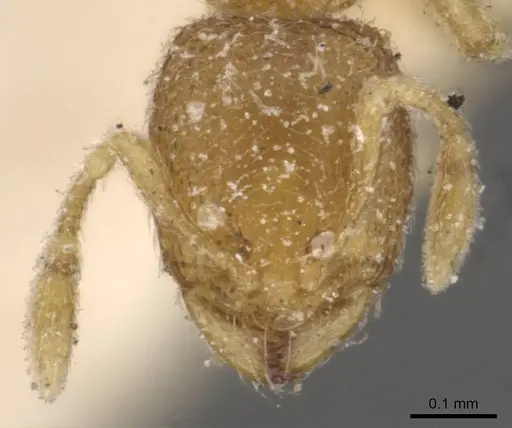
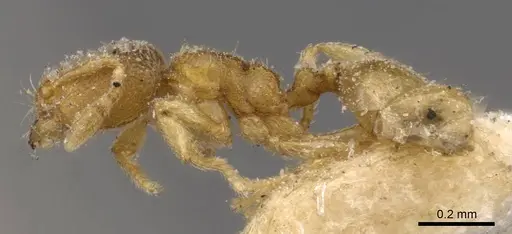
Carebara wroughtonii is a tiny ant species native to India, recorded in Odisha (type locality), Kerala, and West Bengal . This species belongs to the genus Carebara in the subfamily Myrmicinae, tribe Crematogastrini. Only minor workers have been documented - the queen caste remains undescribed . Workers are recognized by their 10-segmented antennae, presence of eyes, and opaque head with striate front and sides . The presence or absence of propodeal spines varies among individuals . This species is poorly studied in scientific literature. Basic aspects including colony structure, founding behavior, exact size measurements, and development timeline have not been documented. The limited distribution in tropical India suggests they prefer warm, humid conditions typical of forest-floor ants.
Quick Summary
- Difficulty: Unknown, too little documented to assess
- Origin & Habitat: India (Odisha, Kerala, West Bengal), tropical to subtropical regions [1]
- Colony Type: Unconfirmed, only minor workers known, colony structure unknown
- Size & Growth:
- Queen: Unknown, queen caste not described [2]
- Worker: size data unavailable, no measurements provided in available literature
- Colony: Unknown, colony size has not been documented
- Growth: Unknown
- Development: Unknown, no development data available for this species (Development timeline unconfirmed.)
- Antkeeping:
- Temperature: Likely 24-28°C based on Indian tropical distribution, start in this range and observe colony activity [1]
- Humidity: Likely 60-80% humidity, keep substrate moderately moist but not waterlogged, typical of forest-floor ants from tropical India
- Diapause: Unknown, tropical Indian species may not require true hibernation but may show reduced activity during cooler months
- Nesting: Likely prefers soil nests or nesting in rotting wood/leaf litter based on typical Carebara habitat preferences [1]
- Behavior: Behavior is unconfirmed due to limited research. Based on genus patterns, these are likely secretive, ground-nesting ants with predatory tendencies. Their tiny size makes escape prevention critical, they can squeeze through very small gaps. Defense mechanism: smear, features a modified, flattened stinger used to wipe or smear venom onto enemies rather than piercing flesh (typical of Myrmicinae, tribe Crematogastrini).
- Common Issues: lack of documented care information makes proper husbandry challenging, colony size unknown, difficult to plan appropriate enclosure size, queen caste undescribed, may have unusual social structure, no confirmed diet information, must experiment with prey items, escape prevention critical due to tiny worker size
Species Identification and Known Castes
Carebara wroughtonii was originally described by Forel in 1902 as Carebara wroughtonii before being reclassified into the genus Carebara [4]. The species is known only from minor workers, the queen caste and major worker caste have not been described [2]. This is unusual and makes comprehensive care guidance challenging. The minor workers can be identified by their 10-segmented antennae, presence of eyes, and head that is opaque with striate front and sides [3]. The presence or absence of propodeal spines varies among individuals [3]. This species is easily separated from other Indian Carebara species with 10-segmented antennae [2].
Distribution and Habitat
Carebara wroughtonii is endemic to India, with confirmed records from Odisha (the type locality), Kerala, and West Bengal [1]. This distribution covers tropical to subtropical regions in eastern and southern India. The exact habitat preferences of this species have not been documented in scientific literature, but the genus Carebara typically inhabits forest floors, soil, rotting wood, and leaf litter in tropical environments. Based on related species and the Indian distribution, this ant likely prefers warm, humid microhabitats similar to other tropical forest-floor ants.
Care Challenges and Knowledge Gaps
This species presents significant challenges for antkeepers due to the severe lack of documented biological information. Unlike many commonly kept ant species, Carebara wroughtonii has not been studied in captivity, and no established care protocols exist. The unknown colony structure (monogyne vs polygyne), unknown founding behavior (claustral vs semi-claustral), and undescribed queen caste mean that keepers must approach this species with careful experimentation. This is not a species recommended for beginners due to the uncertainty involved. If you obtain a colony, document your observations carefully, new antkeepers could benefit from your findings. [2]
Inferred Care Recommendations
Based on typical Carebara genus behavior and the tropical Indian distribution, keepers can make educated starting points for care. Temperature should likely be maintained in the 24-28°C range, which is typical for tropical ants. Humidity should be moderate to high (60-80%), with a moist but not waterlogged substrate. Nesting options might include test tubes with dirt setup or naturalistic setups with soil and leaf litter. Diet is uncertain but likely includes small live prey (springtails, fruit flies, tiny crickets) and possibly sugar sources. Start by offering small prey items and observe acceptance. Due to their tiny size, excellent escape prevention with fine mesh is essential.
Frequently Asked Questions
How big do Carebara wroughtonii workers grow?
Exact worker size measurements have not been documented in available literature. Based on the genus Carebara, workers are likely very small, but this is an estimate rather than confirmed data.
What do Carebara wroughtonii ants eat?
Diet is unconfirmed for this specific species. Based on typical Carebara genus behavior, they are likely predatory or omnivorous, accepting small live prey such as springtails, fruit flies, and other micro-arthropods. Sugar sources may also be accepted. Start by offering small live prey and observe acceptance.
How long does it take for Carebara wroughtonii eggs to become workers?
The egg-to-worker development timeline has not been documented for this species. Based on related Carebara species in tropical conditions, development likely takes several weeks, but this is a rough estimate rather than confirmed data.
Are Carebara wroughtonii ants good for beginners?
This species is not recommended for beginners due to the complete lack of documented care information. The queen caste has not been described, colony structure is unknown, and no established husbandry protocols exist. This is a species for experienced antkeepers willing to experiment and document their findings.
Do Carebara wroughtonii ants sting?
Sting capability is unconfirmed. Most Carebara species are too small to penetrate human skin effectively, but this varies by species. Handle with care regardless. The defense mechanism is smear, they use a modified stinger to wipe venom onto enemies rather than piercing.
What temperature should I keep Carebara wroughtonii at?
Temperature requirements are not documented. Based on the tropical Indian distribution, aim for 24-28°C. Monitor colony activity and adjust as needed, if workers seem sluggish, increase slightly, if they avoid heated areas, reduce temperature.
Do Carebara wroughtonii colonies need hibernation?
Diapause requirements are unknown. As a tropical Indian species, they likely do not require true hibernation but may show reduced activity during cooler months. Maintain stable temperatures year-round.
How big do Carebara wroughtonii colonies get?
Maximum colony size is unknown. Based on genus patterns, colonies are likely modest rather than large supercolonies.
Can I keep multiple Carebara wroughtonii queens together?
Colony structure (monogyne vs polygyne) is unconfirmed. The queen caste has not been described, so combining unrelated queens is not recommended without documented evidence that this species can found colonies pleometrotically.
What type of nest should I use for Carebara wroughtonii?
Optimal nest type is unconfirmed. Based on typical Carebara habitat preferences, a small test tube setup with moist substrate or a Y-tong (AAC), plaster, or soil nest with tight chambers scaled to their tiny size would be appropriate. Ensure excellent escape prevention due to their small size.
Report an Issue
The current care sheet is based fully on literature. See inconsistencies, or something that's incorrect? Please , it will be resolved after review from an admin. Contributing to the blogs tab also helps providing information, to make us be able to further improve the caresheets. Thank you for your support!
References

Lembar perawatan ini dilisensikan di bawah CC BY-SA 4.0 .
Blog Komunitas
CASENT0902384
Lihat di AntWeb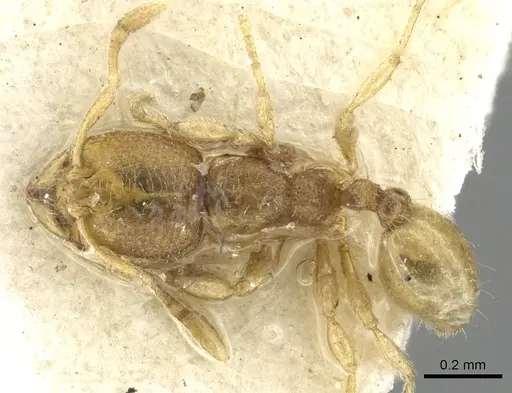
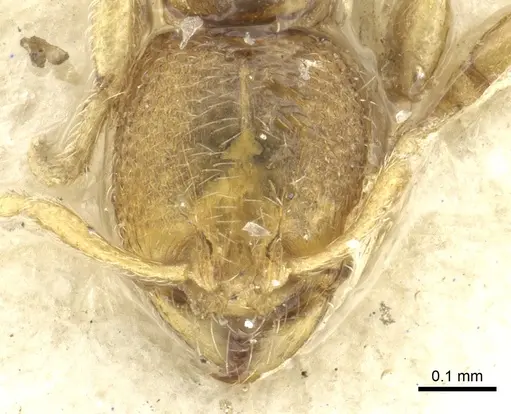
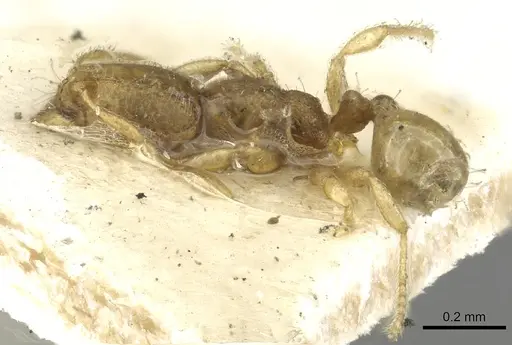
CASENT0908893
Lihat di AntWeb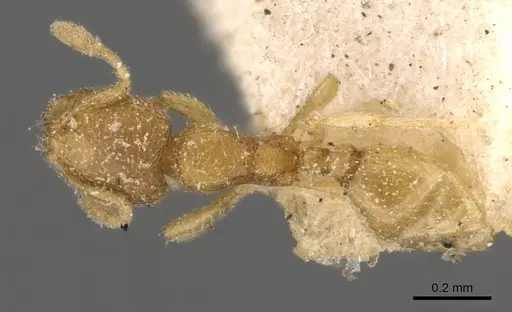
Literatur
Memuat peta distribusi...Memuat produk...