
Cardiocondyla caspiense
- Nama Ilmiah
- Cardiocondyla caspiense
- Tribe
- Crematogastrini
- Subfamili
- Myrmicinae
- Penulis
- Seifert, 2023
- Distribusi
- Ditemukan di 0 negara
Pendahuluan
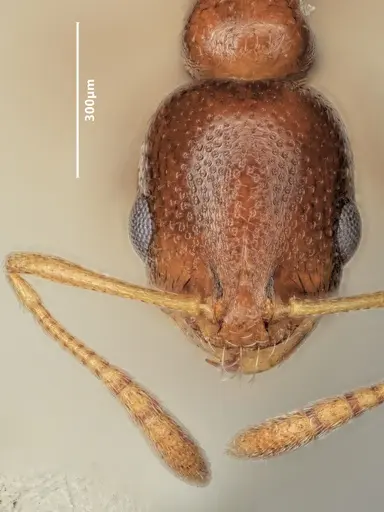
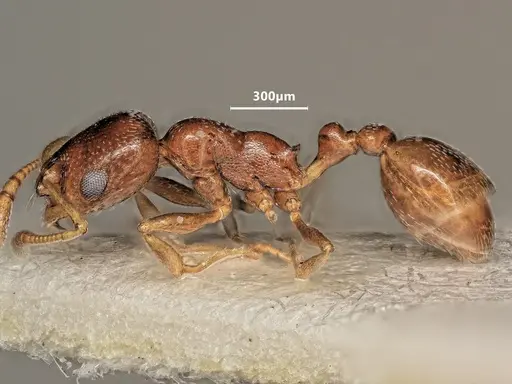
Cardiocondyla caspiense is a recently described ant species from the Cardiocondyla ulianini group, only known from a single collection near the Caspian Sea in Iran . Workers are extremely small - approximately 2mm in total length, inferred from typical Cardiocondyla genus size . The species can be identified by its moderately elongated head, very narrow and tall petiole, and lower postpetiole compared to similar species . The body is medium brown with a yellowish-reddish color component . This is one of the least-studied ant species in the world, with virtually no biological data available from the wild. What we know about keeping it must be inferred from the behavior of related Cardiocondyla species and general genus patterns.
Quick Summary
- Difficulty: Unknown, likely moderate based on genus patterns
- Origin & Habitat: Only known from Miankaleh, Iran (36.833°N, 53.450°E) near the Caspian Sea, collected from an area with shrubs and grass at -29m elevation [1][2]
- Colony Type: Unknown, no colony data exists. Most Cardiocondyla species are monogyne (single queen), but colony structure for this species has not been documented [1]
- Size & Growth:
- Queen: Unknown, no queens have been collected or described [1]
- Worker: Workers are extremely tiny at approximately 2mm in total length, inferred from typical Cardiocondyla genus size [1]
- Colony: Unknown, only two workers have ever been collected [1]
- Growth: Unknown, no development data exists
- Development: Unknown, no direct data. Based on typical Cardiocondyla patterns, estimate 6-10 weeks at optimal temperature, but this is a rough guess (No species-specific data exists. Related Cardiocondyla species typically develop from egg to worker in 6-10 weeks under warm conditions)
- Antkeeping:
- Temperature: Likely prefers warm conditions like most Cardiocondyla. Based on genus patterns and the warm Iranian habitat, aim for roughly 24-28°C with a slight gradient. Adjust based on colony activity.
- Humidity: Likely prefers moderate to slightly humid conditions matching the Caspian coastal region. Keep nest substrate lightly moist but not waterlogged. Provide a water tube for drinking.
- Diapause: Unknown, no data on overwintering requirements. The Caspian region experiences cold winters, so some form of winter rest is likely beneficial if not required.
- Nesting: Inferred from habitat: likely nests in soil or under stones in natural settings. For captivity, a small test tube setup or Y-tong nest with appropriately scaled tiny chambers works well. Avoid large spaces, their tiny size means they need tight, small passages.
- Behavior: No species-specific behavior data exists. Based on genus patterns: these are small, generally non-aggressive ants that forage individually or in small groups. They likely feed on honeydew, small insects, and nectar. Their tiny size means excellent escape prevention is critical, they can squeeze through the smallest gaps. Handle with care as they are extremely small and easily crushed.
- Common Issues: no captive breeding data exists, this species may be extremely difficult to establish in captivity, escape prevention is critical due to their tiny size, use fine mesh and tight-fitting lids, virtually no information on founding behavior makes successful colony establishment uncertain, no confirmed diet acceptance, start with sugar water and tiny live prey like springtails, wild-caught colonies may be impossible to obtain since only two specimens exist
Why This Species Is So Challenging
Cardiocondyla caspiense presents a unique challenge for antkeepers: it is one of the least-documented ant species in the world. Only two workers have ever been collected, both from a single location in Iran near the Caspian Sea [1]. The species was only formally described in 2023, and no biological studies have been published on its behavior, diet, colony structure, or development [1]. This means everything in this caresheet is either directly from the two type specimens (morphometry, identification) or inferred from related Cardiocondyla species. You will essentially be pioneering the captive husbandry of a species that has never been kept in captivity before. This makes C. caspiense a species for experienced antkeepers who enjoy experimentation and documentation. If you do successfully breed this species, your observations would be scientifically valuable.
Housing and Nest Setup
Given their extreme tiny size, housing requires careful attention to scale. Standard test tube setups work well for founding colonies, use a small diameter tube with a tight cotton plug. The water reservoir should be modest to prevent flooding of such small ants. For established colonies, a Y-tong (AAC) nest with very small chambers and narrow passages is ideal. Avoid naturalistic setups with large open spaces as these tiny ants can become lost or stressed in oversized enclosures. The nest material should retain some moisture but not become soggy. A small shallow foraging area with a water tube and tiny food dishes works well. Escape prevention must be excellent, these ants can squeeze through gaps that seem impossible. Use fine mesh on any ventilation holes and ensure all edges are sealed tightly.
Temperature and Heating
The type locality in northern Iran near the Caspian Sea experiences warm summers and cold winters. Based on this and typical Cardiocondyla preferences, aim for a temperature range of 24-28°C during the active season. A heating cable or mat on one side of the nest can create a gentle gradient, allowing the ants to choose their preferred temperature. During winter, a period of cooler temperatures (15-18°C) may be beneficial given the seasonal climate of their native region, though exact diapause requirements are unknown. Monitor colony activity, if workers become sluggish and cluster together, they may be too cool. If they avoid the heated area, the temperature may be too high. The key is providing choice through a gradient.
Feeding and Diet
No direct data exists on what C. caspiense eats in the wild, but Cardiocondyla species are generally omnivorous. They likely tend aphids and other honeydew-producing insects for sugar, while also hunting tiny prey. For captivity, offer sugar water (honey water or sucrose solution) in a tiny container or via a soaked cotton ball. For protein, start with the smallest live prey available, springtails are ideal due to their size. Fruit flies, tiny mealworms, and other micro-arthropods may also be accepted. Feed small amounts every few days and remove uneaten food promptly to prevent mold. Since nothing is confirmed for this species, keep detailed notes on what they accept and reject. Their tiny size means even small prey items may be too large, experiment with appropriately sized food.
Colony Founding and Growth
The founding behavior of C. caspiense is completely unconfirmed. Most Cardiocondyla species are claustral, meaning the queen seals herself in a chamber and lives off stored fat reserves until her first workers emerge. However, we have no queens to observe, so this is an inference from genus patterns rather than confirmed fact. If you obtain a founding queen, provide a small dark chamber (test tube) with access to water via a moist cotton ball. Do not feed the founding queen, claustral queens do not forage during founding. Expect the first workers (nanitics) to emerge in 6-10 weeks if the species follows typical Cardiocondyla development, but this is a rough estimate. Growth will likely be slow given their tiny size and the lack of documented development data. Patience is essential.
Frequently Asked Questions
Can I keep Cardiocondyla caspiense as a pet?
This is extremely difficult. Only two specimens of this species have ever been collected, and no captive breeding data exists. You would essentially be pioneering the husbandry of a completely undocumented species. Unless you obtain a colony from an established breeder, this species is not available in the antkeeping hobby. Even if available, expect significant challenges in establishing and breeding it.
How big do Cardiocondyla caspiense colonies get?
Unknown. The maximum colony size has never been documented. Based on related Cardiocondyla species, colonies likely reach a few hundred workers at most, but this is a guess. The extremely small worker size suggests colonies may stay relatively small compared to other ants.
What do Cardiocondyla caspiense ants eat?
Unconfirmed, but likely omnivorous like other Cardiocondyla. Offer sugar water (honey or sucrose solution) and tiny live prey such as springtails. Start with very small portions and observe what gets consumed. Document your findings as nothing is known about this species' diet.
Do Cardiocondyla caspiense ants sting?
Given their extremely tiny size, any sting would be negligible even if present. Most Cardiocondyla species are docile and rarely attempt to bite or sting. They are not considered dangerous to humans.
What temperature do Cardiocondyla caspiense need?
Likely 24-28°C based on their Iranian habitat and typical Cardiocondyla preferences. Provide a temperature gradient so they can choose their preferred spot. A heating cable on part of the nest can help maintain warmth.
How long does it take for Cardiocondyla caspiense to go from egg to worker?
Unknown for this specific species. Based on typical Cardiocondyla development, estimate 6-10 weeks at warm temperatures (around 25°C), but this is a rough guess. No scientific data exists on their development timeline.
Do Cardiocondyla caspiense need hibernation?
Unknown, but likely yes given their native habitat in northern Iran near the Caspian Sea, which has cold winters. A cool period around 15-18°C for several weeks during winter may be beneficial, though exact requirements are unconfirmed.
Is Cardiocondyla caspiense good for beginners?
No. This species has no documented captive care requirements, and only two specimens exist in scientific collections. Even experienced antkeepers would face significant challenges establishing this species. It is not recommended for beginners and may not be available in the hobby at all.
Can I keep multiple Cardiocondyla caspiense queens together?
Unknown. No data exists on their colony structure. Most Cardiocondyla species are monogyne (single queen), but polygyny has been documented in some related species. Do not attempt combining unrelated queens without established protocols for this species.
Where does Cardiocondyla caspiense live in the wild?
Only known from Miankaleh, Iran near the Caspian Sea (36.833°N, 53.450°E). The specimens were collected from an area with shrubs and grass at -29m elevation (below sea level) [1]. This is the only known location for this species.
Report an Issue
The current care sheet is based fully on literature. See inconsistencies, or something that's incorrect? Please , it will be resolved after review from an admin. Contributing to the blogs tab also helps providing information, to make us be able to further improve the caresheets. Thank you for your support!
References

Lembar perawatan ini dilisensikan di bawah CC BY-SA 4.0 .
Blog Komunitas
ANTWEB1048508
Lihat di AntWeb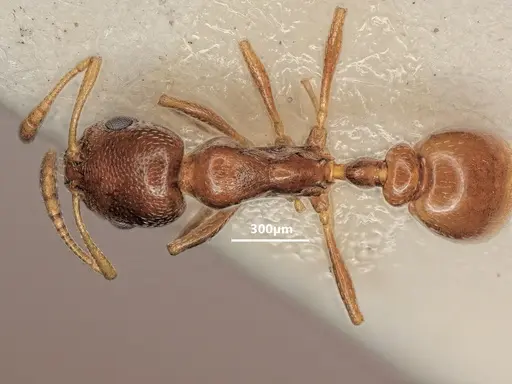
Literatur
Memuat peta distribusi...Memuat produk...