
Camponotus ulei
- Nama Ilmiah
- Camponotus ulei
- Subgenus
- Pseudocolobopsis
- Tribe
- Camponotini
- Subfamili
- Formicinae
- Penulis
- Forel, 1904
- Distribusi
- Ditemukan di 0 negara
Pendahuluan
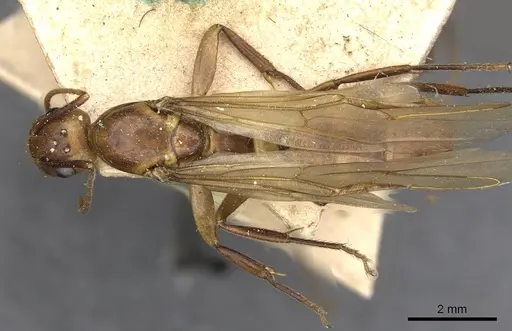
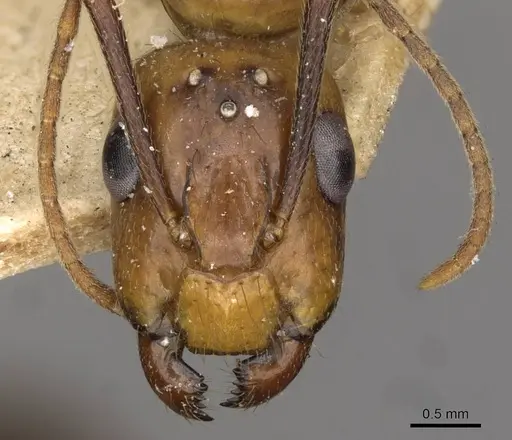
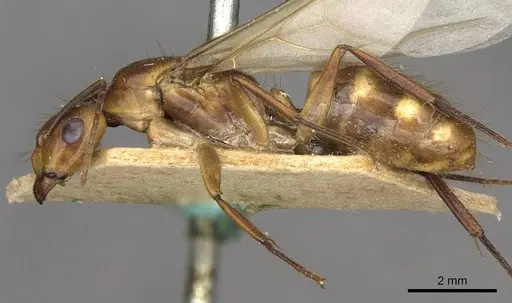
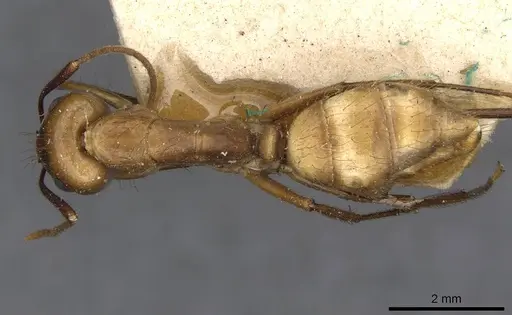
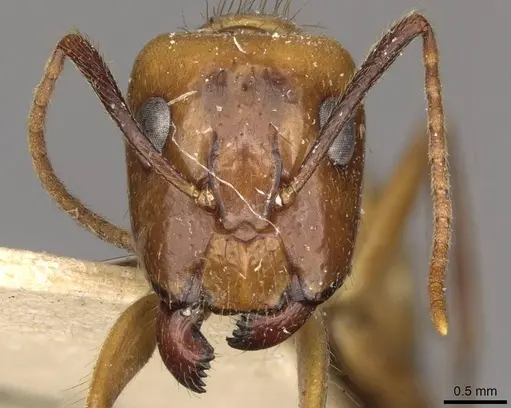
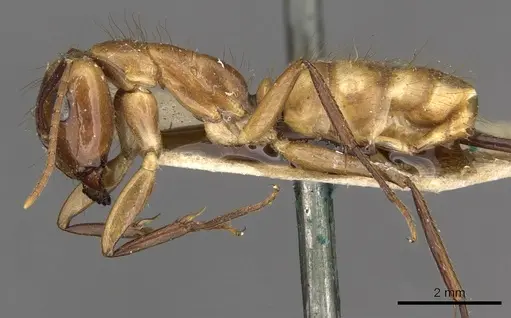
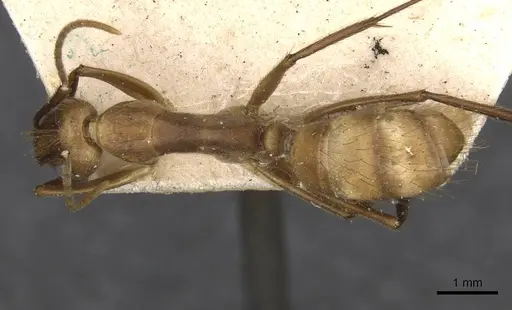
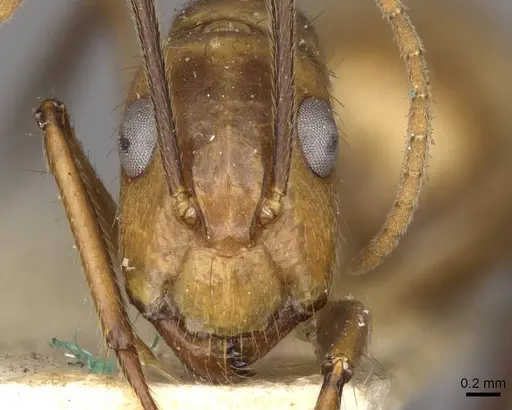
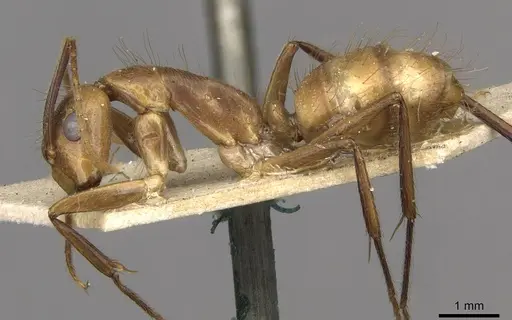
Camponotus ulei is a carpenter ant species native to Peru, known only from the San Martín region on the eastern slopes of the Andes . Like other Camponotus species, these are large ants with a robust build. They have the classic carpenter ant appearance with a smooth, rounded mesosoma and a relatively large gaster. The coloration is typically dark brown to black, common among Neotropical Camponotus. This species inhabits tropical forest environments in Peru. As a carpenter ant, they likely nest in rotting wood or hollow twigs in the forest understory. They are generalist foragers that probably scavenge for honeydew, dead insects, and nectar. The tropical origin means they likely remain active year-round without a cold-induced diapause.
Quick Summary
- Difficulty: Medium
- Origin & Habitat: Eastern Peru (San Martín region), tropical forest environments at lower Andean elevations [1]
- Colony Type: Unknown, no species-specific documentation exists for this ant
- Size & Growth:
- Queen: Size data unavailable for this species
- Worker: Size data unavailable for this species
- Colony: Unknown for this species
- Growth: Growth rate is unconfirmed for this species
- Development: Development timeline is unconfirmed for this species (No species-specific development data exists. Monitor your colony and adjust conditions based on observed behavior.)
- Antkeeping:
- Temperature: Keep nest area warm, tropical species generally prefer 24-28°C. A heating cable on one side of the nest creates a suitable gradient.
- Humidity: Moderate humidity. Keep nest substrate slightly moist but not waterlogged. Mist occasionally and provide a water tube.
- Diapause: No, as a tropical species from Peru, they likely do not require hibernation. Maintain warm conditions year-round.
- Nesting: In captivity, Y-tong (AAC) nests or plaster nests work well. Provide a dark nesting area. They may accept test tube setups if given adequate space and darkness.
- Behavior: Generally calm temperament compared to some more aggressive ant species. Workers are moderate foragers that likely scavenge for protein and sugar sources. Escape risk is moderate, their larger size makes them easier to contain than tiny ants, but they can still climb smooth surfaces. Use standard barrier methods like fluon on container rims.
- Common Issues: Limited species-specific data means care is based on genus inference, monitor colony behavior and adjust conditions accordingly, Tropical species are sensitive to temperature drops, avoid keeping them in cool rooms, Overfeeding can lead to mold in nest areas, remove uneaten protein promptly, Colony growth may be slower than small ant species, patience is required during founding phase, Wild-caught colonies may carry parasites, quarantine and observe new colonies
Nest Preferences
In the wild, Camponotus ulei likely nests in rotting wood, hollow twigs, or under bark in tropical forest environments. For captive care, Y-tong (AAC) nests or plaster nests work well because they provide darkness and can maintain stable humidity. Test tube setups can work for founding colonies if placed in a dark area. The nest should have chambers sized appropriately for the colony size, avoid overly large spaces for small colonies. Provide a temperature gradient within the nest if possible, allowing ants to move between warmer and cooler areas.
Feeding and Diet
Camponotus ants are omnivorous generalists. Offer protein sources like small insects (fruit flies, mealworms, crickets) and sugar sources (honey water, sugar water) regularly. Feed protein 2-3 times per week and keep sugar water available at all times. Remove uneaten prey after 24-48 hours to prevent mold. Once workers emerge, they will begin foraging. This species likely accepts a wide variety of foods typical of Neotropical Camponotus.
Temperature and Care
As a tropical species from Peru, Camponotus ulei requires warm conditions year-round. Maintain nest temperatures between 24-28°C. A small heating cable or heat mat placed on one side of the nest creates a thermal gradient. Room temperature alone may be insufficient unless your home is already in this range. Monitor colony activity, if workers cluster near the heat source, increase temperature slightly, if they avoid it, reduce heat. Unlike temperate species, they do not require a diapause period. Keep them away from air conditioning vents and cold windows.
Defense Mechanism
Camponotus ants lack a functional sting. They defend by biting the target and spraying a stream of concentrated formic acid from an acidopore into the wound. This defense is typical of the Formicinae subfamily. While not dangerous to humans, the bite can be painful and the formic acid may cause skin irritation.
Behavior and Temperament
Camponotus species are generally more docile than many ant genera. Workers are active foragers but not particularly aggressive. They communicate using chemical trails and may recruit nestmates to good food sources. Their larger size makes them easier to observe than tiny ants. Escape prevention is straightforward, their size prevents them from squeezing through very small gaps, but they can still climb glass. Apply fluon or similar barriers to container rims. Colonies are typically slow-growing during founding but accelerate once the first workers emerge.
Frequently Asked Questions
How long does it take for Camponotus ulei to produce first workers?
This is unconfirmed for this specific species. Based on typical Camponotus development, expect first workers in about 6-8 weeks at optimal temperatures. Monitor your colony and adjust conditions if development seems stalled.
What temperature should I keep Camponotus ulei at?
Keep nest temperatures between 24-28°C. This tropical species requires warm conditions year-round and does not tolerate cool temperatures. Use a heating cable or heat mat if your room temperature is below this range.
Can I keep multiple Camponotus ulei queens together?
This has not been documented for this species. Most Camponotus are single-queen colonies. It is not recommended to combine unrelated queens as they typically fight. If you capture a multiple-queen colony from the wild, monitor closely for aggression.
How big do Camponotus ulei colonies get?
The maximum colony size for this specific species is unknown. Related Neotropical Camponotus species often reach several thousand workers. Growth is relatively slow, expect several months to a year to reach 50-100 workers during the founding phase.
Do Camponotus ulei need hibernation?
No. As a tropical species from Peru, they likely do not require a cold diapause. Maintain warm temperatures year-round.
What do I feed Camponotus ulei?
Offer a varied diet: protein sources like small insects (fruit flies, pinhead crickets, mealworms) 2-3 times per week, and sugar sources (honey water, sugar water) always available. Remove uneaten food promptly to prevent mold.
Is Camponotus ulei good for beginners?
This species is rated Medium difficulty. The main challenges are providing warm tropical conditions and having patience during the founding phase. If you have kept other Camponotus species successfully, this should be manageable. Limited species-specific data means you may need to adapt care based on colony behavior.
When should I move Camponotus ulei to a formicarium?
For founding colonies, keep them in a simple setup (test tube or small container) for the first few months. Move to a larger nest (Y-tong, plaster, or naturalistic setup) once the colony reaches 50-100 workers and the test tube becomes crowded. Always provide an outworld for foraging.
Why are my Camponotus ulei dying?
Common causes include: temperature too low, humidity too dry or too wet, mold from overfeeding, or stress from excessive disturbance. Review these conditions and adjust. Also ensure the queen is still alive if no workers are appearing.
Report an Issue
The current care sheet is based fully on literature. See inconsistencies, or something that's incorrect? Please , it will be resolved after review from an admin. Contributing to the blogs tab also helps providing information, to make us be able to further improve the caresheets. Thank you for your support!
References

Lembar perawatan ini dilisensikan di bawah CC BY-SA 4.0 .
Blog Komunitas
Literatur
Memuat peta distribusi...Memuat produk...