
Camponotus staryi
- Nama Ilmiah
- Camponotus staryi
- Subgenus
- Myrmentoma
- Tribe
- Camponotini
- Subfamili
- Formicinae
- Penulis
- Pisarski, 1971
- Distribusi
- Ditemukan di 0 negara
Pendahuluan
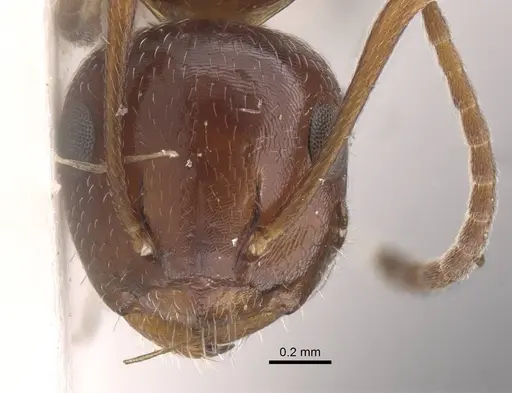
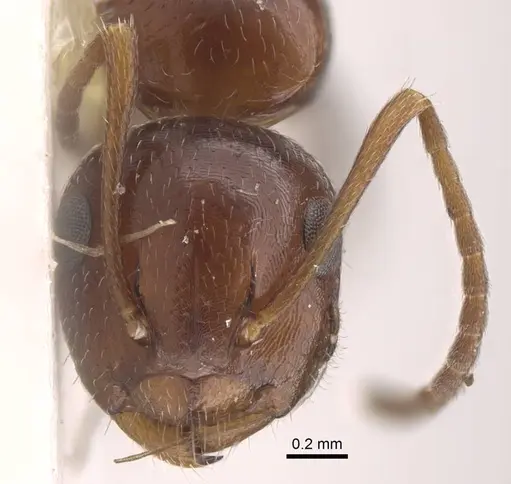
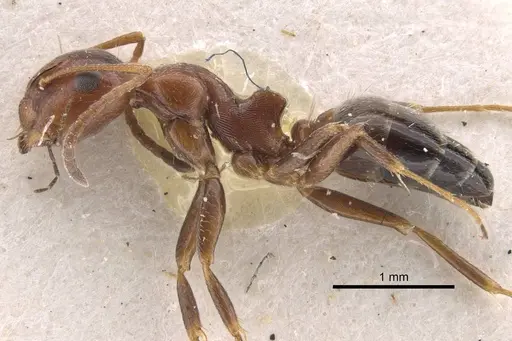
Camponotus staryi is a small to medium-sized ant belonging to the subgenus Myrmentoma and the lateralis species group. It is identified by a propodeal dorsum that exceeds the highest point of the mesonotum, a key feature separating it from similar species like Camponotus lateralis . The species was originally described from northern Iraq (Kurdistan) and has since been recorded in Iran, including the Zagros Mountains at high elevations (around 2683 m) and low-rainfall garden areas . This species is poorly studied, so most care details are inferred from related Camponotus.
Quick Summary
- Difficulty: Medium
- Origin & Habitat: Native to the Palaearctic region (Iraq and Iran). Found in the Zagros Mountains forest steppe at high elevations and in low-rainfall garden areas [2][3]. Adapted to relatively dry, warm conditions.
- Colony Type: Likely monogyne (single queen) based on typical Camponotus patterns, though not confirmed by specific studies.
- Size & Growth:
- Queen: ~8-10 mm (inferred from related Myrmentoma species)
- Worker: ~4-7 mm (inferred from related Myrmentoma species)
- Colony: Likely several hundred workers, estimated from typical Camponotus colony development
- Growth: Moderate
- Development: Estimated 6-8 weeks at optimal temperature (based on genus-level data) (Specific data for this species is unavailable, timeline inferred from related Camponotus.)
- Antkeeping:
- Temperature: 22-26 °C based on their Middle Eastern distribution. They likely tolerate warmer conditions. Provide a gradient for self-regulation.
- Humidity: Moderate, around 50-60%. They appear adapted to dry conditions, provide a moisture gradient so ants can choose.
- Diapause: Likely requires winter rest. Based on high-altitude temperate habitat, reduce temperatures to 10-15 °C for 2-3 months during winter.
- Nesting: Natural nesting habits are undocumented. In captivity, Y‑tong (AAC) or plaster formicariums with dark, narrow chambers work well.
- Behavior: Workers are generally docile but will defend the nest if disturbed. They lack a functional sting, instead, they bite and spray formic acid from the acidopore (typical of Formicinae). Escape risk is moderate, use standard barriers.
- Common Issues: poorly documented species, most care is inferred, monitor your colony closely, high-altitude origin may require slightly cooler conditions than typical lowland species, diapause requirements are unconfirmed, err on the side of providing a winter rest period, wild-caught colonies may carry parasites, quarantine if possible, slow founding phase is normal for Camponotus, patience required
Nest Preferences
Natural nesting habits of Camponotus staryi are not documented. In captivity, provide a Y‑tong (AAC) or plaster formicarium with dark, narrow chambers. These ants prefer tight, enclosed spaces. A moisture gradient within the nest allows them to regulate humidity. Keep the nest dark and undisturbed.
Feeding and Diet
Like other Camponotus, C. staryi is omnivorous. Offer a constant sugar source (e.g., sugar water, honey, or diluted maple syrup) and provide protein 2-3 times per week such as fruit flies, small crickets, or mealworms. Remove uneaten protein after 24-48 hours to prevent mold. During the founding stage, the queen relies on stored reserves and does not need food.
Temperature and Seasonal Care
Based on their Middle Eastern range, keep temperatures around 22-26 °C. They may tolerate warmer conditions but avoid extremes. Provide a temperature gradient. During winter, reduce temperature to 10-15 °C for 2-3 months to simulate natural seasonal chill. This is inferred from their high‑altitude temperate habitat [2][3].
Behavior and Defense
Workers are moderately active and will forage for food. They are not aggressive but will defend the nest. Camponotus staryi lacks a sting, defense is by biting and spraying formic acid from the acidopore (typical of the subfamily Formicinae). Workers are monomorphic or weakly polymorphic (no distinct major caste confirmed). Colony growth is moderate, expect nanitics after 6-8 weeks at optimal temperatures.
Frequently Asked Questions
How long does it take for Camponotus staryi to produce first workers?
Based on typical Camponotus development, expect nanitics around 6-8 weeks after the queen lays eggs at optimal temperature (about 24 °C). No species-specific data exists.
What temperature should I keep Camponotus staryi at?
Keep at 22-26 °C. They originate from warm, dry areas in Iran and Iraq, so they can handle warmer conditions. Provide a temperature gradient for self-regulation.
Do Camponotus staryi need hibernation?
Likely yes. Based on their temperate, high‑altitude habitat, provide a winter rest of 2-3 months at 10-15 °C. This is inferred and not confirmed by specific studies.
What do Camponotus staryi eat?
Omnivorous. Offer a constant sugar source (sugar water, honey, etc.) and protein 2-3 times per week (fruit flies, small crickets, mealworms). Remove uneaten protein after 1-2 days.
Is Camponotus staryi good for beginners?
Rated Medium difficulty. While not extremely hard, limited species‑specific information means keepers should have some antkeeping experience and be comfortable with inferred care.
How big do Camponotus staryi colonies get?
Likely several hundred workers based on typical Camponotus growth, but the exact maximum is undocumented. Expect moderate growth over 1-2 years.
Can I keep multiple queens together?
Not recommended. The species is probably monogyne, and unrelated queens will fight. Keep a single queen for founding.
When should I move Camponotus staryi to a formicarium?
Wait until the colony has at least 20-30 workers and is well‑established. Moving too early can stress the queen and cause brood loss.
What type of nest is best for Camponotus staryi?
Y‑tong (AAC) or plaster nests with dark, narrow chambers work well. They prefer tight spaces. Avoid large, open nests, these ants like cozy, enclosed areas.
Report an Issue
The current care sheet is based fully on literature. See inconsistencies, or something that's incorrect? Please , it will be resolved after review from an admin. Contributing to the blogs tab also helps providing information, to make us be able to further improve the caresheets. Thank you for your support!
References

Lembar perawatan ini dilisensikan di bawah CC BY-SA 4.0 .
Blog Komunitas
CASENT0917223
Lihat di AntWeb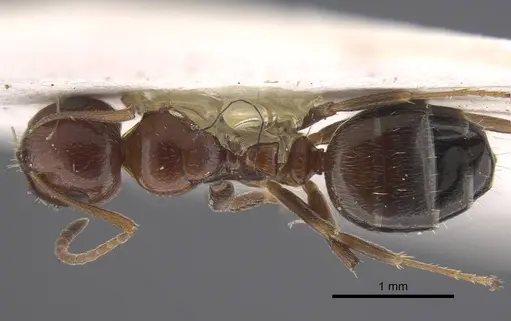
Literatur
Memuat peta distribusi...Memuat produk...