
Camponotus shaqualavensis
- Nama Ilmiah
- Camponotus shaqualavensis
- Subgenus
- Tanaemyrmex
- Tribe
- Camponotini
- Subfamili
- Formicinae
- Penulis
- Pisarski, 1971
- Distribusi
- Ditemukan di 0 negara
Pendahuluan
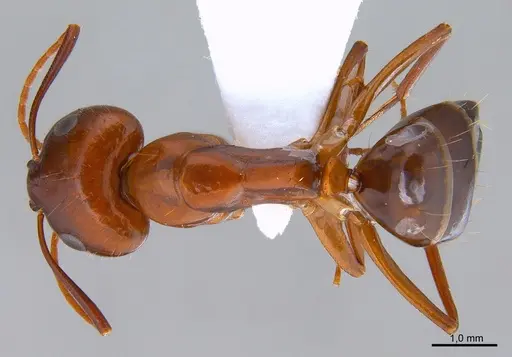
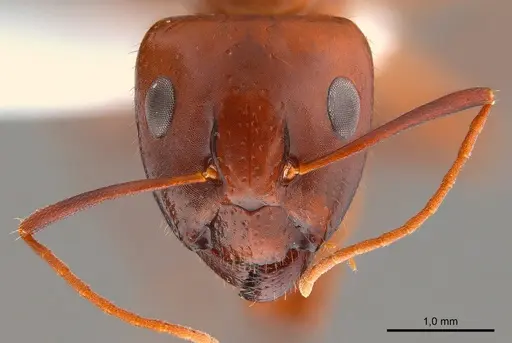
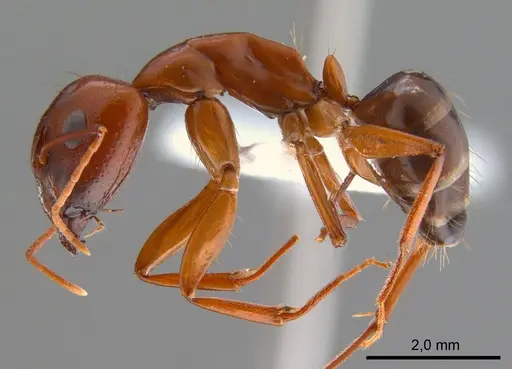
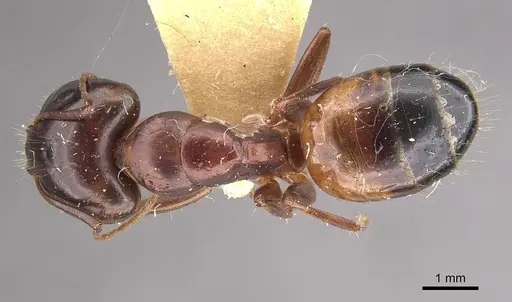
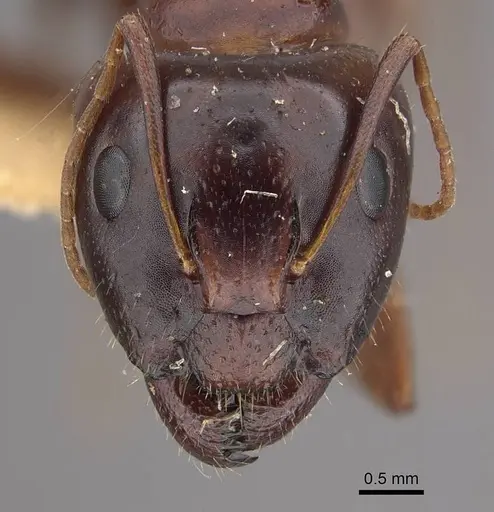
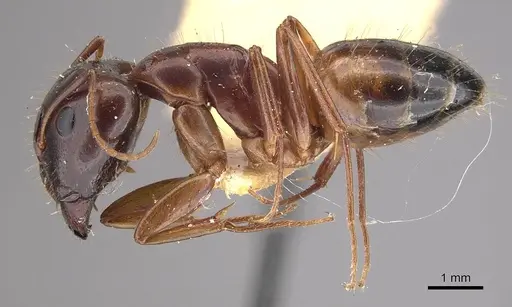
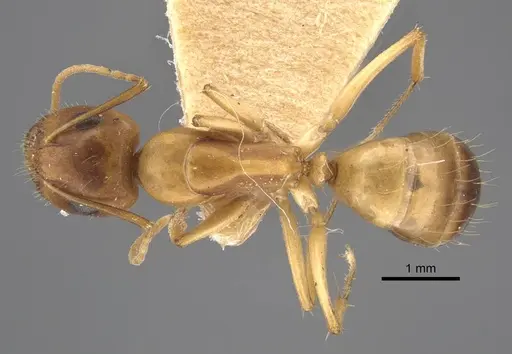
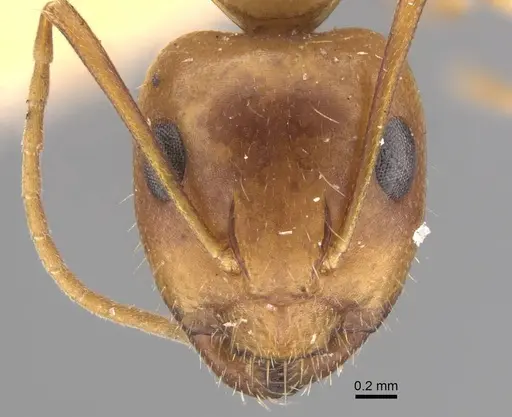
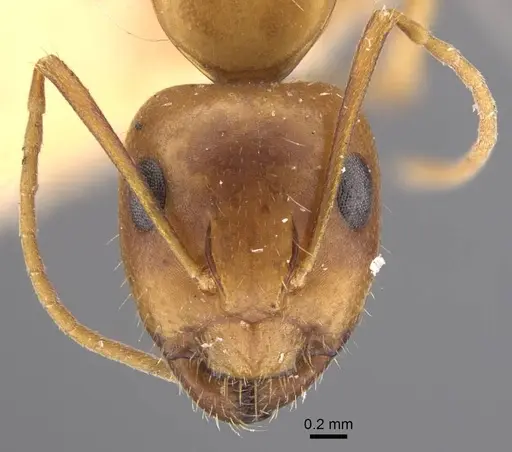
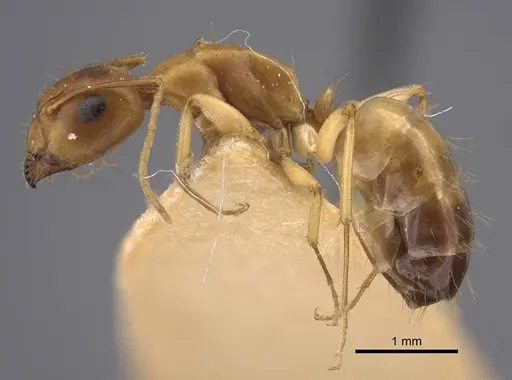
Camponotus shaqualavensis is a carpenter ant species belonging to the subgenus Tanaemyrmex. It is native to the Palaearctic region, including Iraq, Turkey, and Iran . Size data is unavailable for this species, but it is inferred to be similar to other Camponotus ants. The species was originally described from specimens collected in Kurdistan, Iraq . This ant lacks a functional sting and defends itself by spraying formic acid from an acidopore. It occupies arid to semi-arid habitats, with records from urban areas in Iran at approximately 1760m elevation .
Quick Summary
- Difficulty: Medium
- Origin & Habitat: Native to Iraq, Turkey, and Iran in arid to semi-arid habitats. Iranian specimens collected at approximately 1760m elevation [1][2].
- Colony Type: Unconfirmed, no specific studies on queen number or social structure.
- Size & Growth:
- Queen: size unknown, inferred from Camponotus genus (~15-18mm)
- Worker: size unknown, inferred from Camponotus genus (~5-12mm for workers)
- Colony: Estimated up to several hundred workers based on genus patterns
- Growth: Moderate
- Development: Estimated 6-8 weeks at optimal temperature (Development time varies with temperature)
- Antkeeping:
- Temperature: Keep nest area at 24-28°C with a temperature gradient for self-regulation.
- Humidity: Provide a humidity gradient, mostly dry nest chamber with one small moist area, as this species is adapted to arid conditions.
- Diapause: Yes, based on temperate origin, require winter diapause at 10-15°C for 2-3 months.
- Nesting: Provide nests with chambers for expansion. Y-tong or plaster nests work well. Include humid brood areas and drier storage.
- Behavior: Workers are generally calm but will defend the nest. They spray formic acid for defense. Escape prevention is important due to their size.
- Common Issues: colonies may fail if kept too humid, these are arid-adapted ants, temperature fluctuations can stress colonies, use thermostat for stability, slow initial growth is normal for Camponotus, major workers can force escapes, check connections regularly, winter diapause is essential, skipping it can weaken colony
Distribution and Habitat
Camponotus shaqualavensis is found in Iraq, Turkey, and Iran, primarily in arid to semi-arid habitats. Iranian records include urban areas at about 1760m elevation [1][2]. The species was first described from Kurdistan, Iraq [2].
Nest Preferences and Setup
Provide nests with chambers for colony expansion. Y-tong or plaster nests work well. Include humid areas for brood and drier sections for storage, as this species is adapted to arid conditions.
Feeding and Diet
Offer protein sources like insects twice weekly and keep sugar water available constantly. Remove uneaten prey after 24 hours.
Temperature and Seasonal Care
Maintain nest temperature at 24-28°C with a gradient. During winter, reduce to 10-15°C for 2-3 months for diapause.
Behavior and Colony Dynamics
Workers are calm but defend the nest by spraying formic acid. Escape prevention is key due to their size. Colonies grow moderately over time.
Frequently Asked Questions
How long does it take for Camponotus shaqualavensis to produce first workers?
Based on typical Camponotus patterns, first workers likely emerge in 6-8 weeks at optimal temperature.
What temperature do Camponotus shaqualavensis ants need?
Keep the nest at 24-28°C with a temperature gradient for self-regulation.
Do Camponotus shaqualavensis ants need hibernation?
Yes, based on temperate origin, they require winter diapause at 10-15°C for 2-3 months.
What do Camponotus shaqualavensis eat?
They are omnivorous. Offer protein insects twice weekly and sugar water constantly.
Are Camponotus shaqualavensis good for beginners?
This species is rated medium difficulty due to temperature and diapause requirements.
How big do Camponotus shaqualavensis colonies get?
Estimated up to several hundred workers based on genus patterns.
Can I keep multiple Camponotus shaqualavensis queens together?
Colony structure is unconfirmed, but combining queens is not recommended due to potential fighting.
When should I move my colony to a formicarium?
Transfer from a test tube once the colony has 20-30 workers and shows crowding.
Why is my Camponotus shaqualavensis colony not growing?
Common causes include temperatures too low, excessive humidity, or insufficient protein.
Report an Issue
The current care sheet is based fully on literature. See inconsistencies, or something that's incorrect? Please , it will be resolved after review from an admin. Contributing to the blogs tab also helps providing information, to make us be able to further improve the caresheets. Thank you for your support!
References

Lembar perawatan ini dilisensikan di bawah CC BY-SA 4.0 .
Blog Komunitas
Literatur
Memuat peta distribusi...Memuat produk...