
Camponotus roubaudi
- Nama Ilmiah
- Camponotus roubaudi
- Subgenus
- Tanaemyrmex
- Tribe
- Camponotini
- Subfamili
- Formicinae
- Penulis
- Santschi, 1911
- Distribusi
- Ditemukan di 0 negara
Pendahuluan
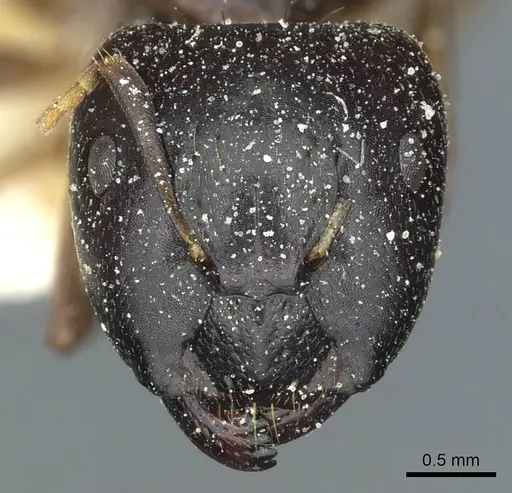
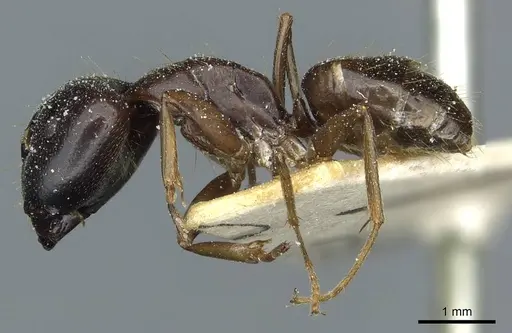
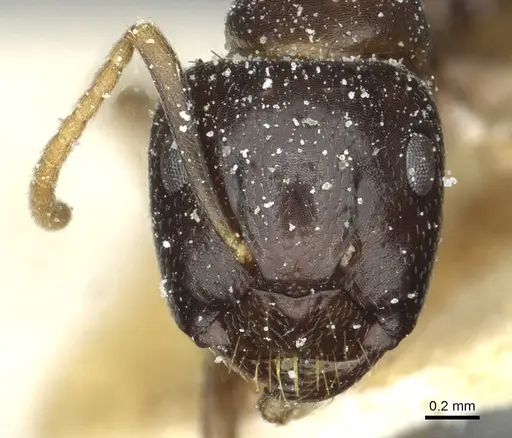
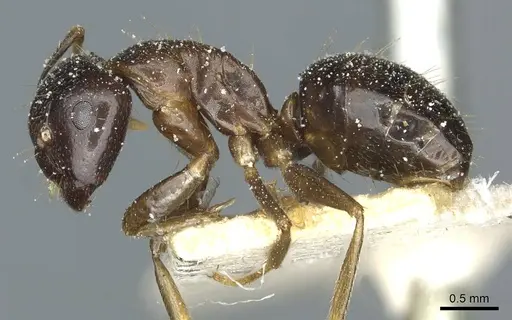
Camponotus roubaudi is a carpenter ant species native to the Democratic Republic of Congo in Central Africa. This is a poorly documented species with limited scientific research, known from historical records dating back to 1911. As a Camponotus species, these ants have the typical robust carpenter ant body plan with a distinct metathorax and relatively large eyes, though specific morphological details for this species are not well described. The species was originally described by Santschi and remains relatively obscure in both scientific literature and the antkeeping hobby. Given its African tropical origin, it likely inhabits forested regions of the Congo basin, though exact habitat preferences are unconfirmed.
Quick Summary
- Difficulty: Unknown
- Origin & Habitat: Democratic Republic of Congo, Central Africa. Specifically recorded from Province NK (likely Nord-Kivu). Specific habitat details are unconfirmed, but likely tropical forest environments typical of the region [1].
- Colony Type: Colony structure is unconfirmed. Most Camponotus species are monogyne, but this has not been documented for C. roubaudi.
- Size & Growth:
- Queen: Size data unavailable, no specific measurements exist for this species. Camponotus queens are typically 12-18mm based on genus patterns, but this is not confirmed for C. roubaudi.
- Worker: Size data unavailable, no specific measurements exist for this species. Camponotus workers typically range from 4-12mm based on genus patterns, but this is not confirmed for C. roubaudi.
- Colony: Unknown, no colony size data available for this species.
- Growth: Unknown, no development data available.
- Development: Unconfirmed, no direct measurements exist for this species. (Development timeline is not directly studied for this species.)
- Antkeeping:
- Temperature: Unconfirmed. As a tropical African species, likely prefers warm conditions in the range of 24-28°C. Start around 24-26°C and observe colony activity.
- Humidity: Unconfirmed. Likely prefers moderate to high humidity similar to other Central African Camponotus species. Keep nest substrate moist but not waterlogged.
- Diapause: Unlikely, tropical species from equatorial Africa do not typically require hibernation.
- Nesting: Natural nesting behavior is unconfirmed. Most Camponotus species nest in wood, so a wooden formicarium, Y-tong nest, or plaster nest with appropriate moisture would be appropriate. Avoid very dry conditions.
- Behavior: Behavior is unconfirmed for this species. As a Camponotus species, they likely exhibit typical carpenter ant behaviors: moderate aggression when threatened, foraging for sugar sources and protein, and establishing colonies in wood. Escape risk is likely moderate, use standard Camponotus escape prevention. They have the typical carpenter ant ability to bite and spray formic acid from their acidopore as a defense mechanism [2].
- Common Issues: limited species-specific information makes accurate care recommendations difficult, tropical humidity requirements may be challenging to maintain consistently, wild-caught colonies may have parasites or diseases not yet documented, establishing a colony from a single queen may be challenging due to unknown founding requirements
Species Overview and Background
Camponotus roubaudi is one of the lesser-known carpenter ant species, documented primarily from the Democratic Republic of Congo. The species was originally described by Santschi in 1911, making it a relatively old taxonomic description that has received limited modern scientific attention. This species represents a gap in our knowledge of African ant biodiversity, with almost no contemporary research on its biology, behavior, or colony structure. For antkeepers, this means there is no established care protocol specifically tailored to this species, and keepers will need to rely on genus-level knowledge and careful observation to succeed. [1]
Housing and Nesting
Since specific nesting requirements are unconfirmed, provide housing similar to other Camponotus species. A wooden formicarium, Y-tong nest, or well-moistened plaster nest works well for carpenter ants. The nest should have chambers appropriately sized for a medium-to-large Camponotus colony. Ensure the nest material can hold moisture without becoming mold-prone. Provide an outworld for foraging with standard escape prevention. Since this is a tropical species, avoid cold spots and ensure the entire setup stays warm. [2]
Feeding and Nutrition
Diet is unconfirmed for this specific species, but Camponotus ants are typically omnivorous. Offer sugar water or honey as a constant energy source. For protein, provide insects such as mealworms, crickets, or other appropriately sized prey. Observe whether the colony accepts different food types and adjust accordingly. [2]
Temperature and Environmental Conditions
As a tropical species from equatorial Africa, Camponotus roubaudi likely requires warm, stable temperatures. Aim for 24-28°C as a starting point, with 24-26°C being a safe baseline. Monitor colony behavior, if workers cluster near heat sources, increase temperature slightly, if they avoid heated areas, reduce temperature. Humidity should be moderate to high, keeping the nest substrate moist but not saturated. Unlike temperate species, this ant does not require a true diapause or hibernation period.
Colony Establishment and Growth
Colony founding behavior is unconfirmed. Based on typical Camponotus patterns, the queen likely seals herself in a chamber and raises the first brood alone using stored fat reserves. The first workers (nanitics) will typically be smaller than mature workers. Growth rate is unknown, expect several months to a year before seeing significant colony growth. Patience is essential, as Camponotus colonies often develop more slowly than smaller ant species. [2]
Frequently Asked Questions
How long does it take for Camponotus roubaudi to produce first workers?
The exact timeline is unconfirmed. Development time varies significantly among Camponotus species and depends heavily on temperature and feeding.
What temperature is best for Camponotus roubaudi?
Temperature requirements are unconfirmed. Start around 24-26°C and adjust based on colony behavior. As a tropical African species, they likely prefer warm conditions in the mid-to-upper 20s Celsius.
Is Camponotus roubaudi good for beginners?
This species is not recommended for beginners due to the lack of species-specific care information. Beginners should start with better-documented species that have established care protocols.
What do Camponotus roubaudi ants eat?
Diet is unconfirmed but likely follows typical Camponotus omnivorous habits. Offer sugar water or honey for carbohydrates and insects for protein.
How big do Camponotus roubaudi colonies get?
Colony size is unknown, no data exists for this species.
Does Camponotus roubaudi need hibernation?
Hibernation is unlikely required. As a tropical species from equatorial Africa, they do not experience cold winters.
Can I keep multiple Camponotus roubaudi queens together?
Colony structure is unconfirmed. Most Camponotus are monogyne, but polygyny has not been documented for this species. It is not recommended to combine unrelated queens without documented evidence of multi-queen tolerance.
What is the best nest type for Camponotus roubaudi?
Nest type is unconfirmed. Based on typical Camponotus preferences, a wooden formicarium, Y-tong nest, or moist plaster nest would be appropriate.
Where is Camponotus roubaudi found in the wild?
This species is documented from the Democratic Republic of Congo in Central Africa. Specific province is recorded as NK (likely Nord-Kivu), but detailed distribution and habitat are not well studied.
Report an Issue
The current care sheet is based fully on literature. See inconsistencies, or something that's incorrect? Please , it will be resolved after review from an admin. Contributing to the blogs tab also helps providing information, to make us be able to further improve the caresheets. Thank you for your support!
References

Lembar perawatan ini dilisensikan di bawah CC BY-SA 4.0 .
Blog Komunitas
CASENT0912034
Lihat di AntWeb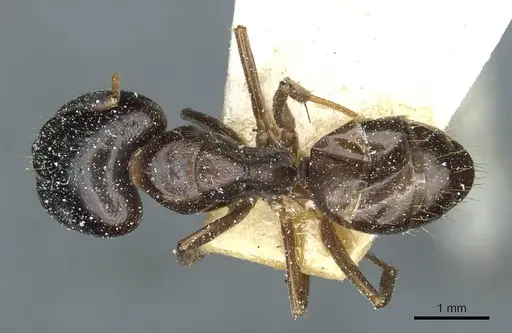
CASENT0912035
Lihat di AntWeb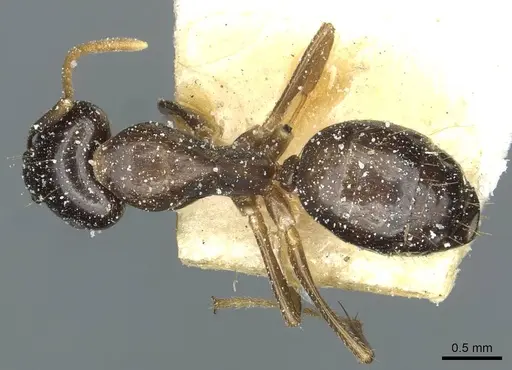
Literatur
Memuat peta distribusi...Memuat produk...