
Camponotus overbecki
- Nama Ilmiah
- Camponotus overbecki
- Subgenus
- Karavaievia
- Tribe
- Camponotini
- Subfamili
- Formicinae
- Penulis
- Viehmeyer, 1916
- Distribusi
- Ditemukan di 1 negara
Pendahuluan
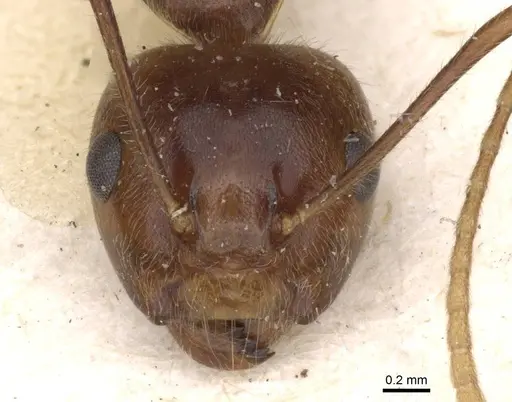
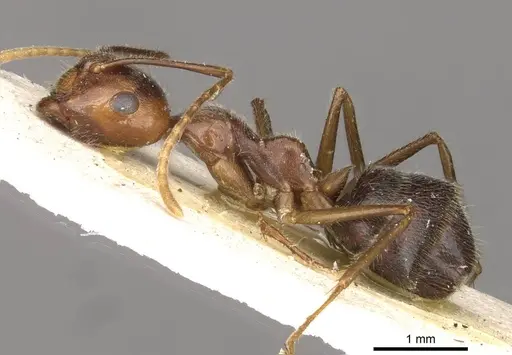
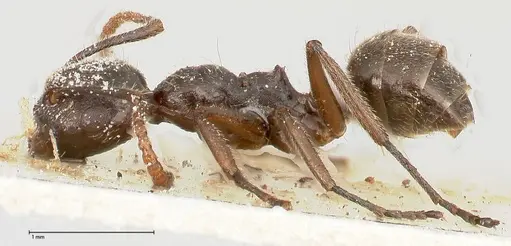
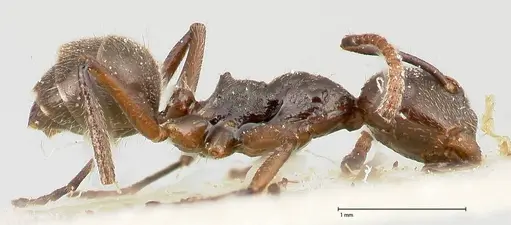
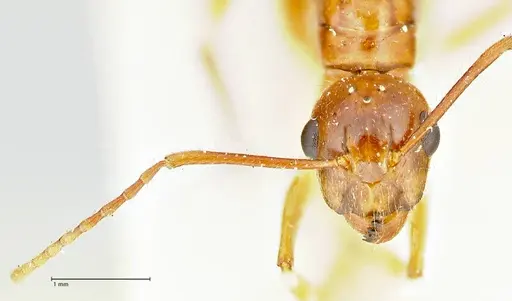
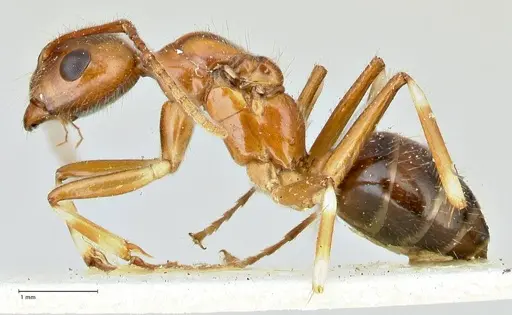
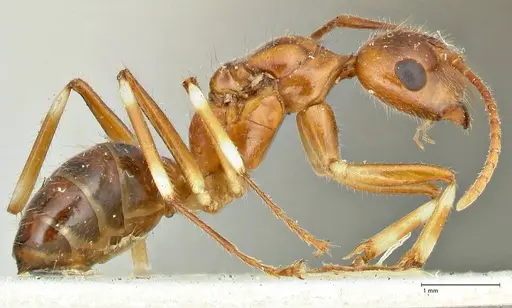
Camponotus overbecki is a small weaver ant species native to Southeast Asia, specifically Java, Indonesia and Singapore. Workers measure around 3.6mm total length and are blackish-brown with yellowish mandibles and an orange flagellum. The queen is larger at 6.9mm total length with similar coloring but with reddish clypeus and mandibles. This species belongs to the subgenus Forelophilus (historically Karavaievia), which is known for its unique nest-weaving behavior using silk - a rare trait among Camponotus ants. Unlike the more famous Oecophylla weaver ants, this species has monomorphic workers (all workers are the same size).
Quick Summary
- Difficulty: Medium
- Origin & Habitat: Native to the Indomalaya region, Java, Indonesia and Singapore. Found in tropical forest environments at elevations of 1500-2000m in Java [1].
- Colony Type: Colony structure is unconfirmed. The genus Camponotus typically has single-queen colonies, but specific data for this species is unavailable.
- Size & Growth:
- Queen: 6.9mm total length [1]
- Worker: 3.6mm total length [1]
- Colony: Colony size data unavailable for this species
- Growth: Moderate
- Development: Development time is unconfirmed for this species. Based on typical Camponotus patterns at 24-28°C, expect 6-10 weeks. (Specific timing for this species is unconfirmed.)
- Antkeeping:
- Temperature: Keep at 24-28°C. Tropical species requiring warm conditions [2]. Use a heating cable on one side of the nest to create a gentle gradient.
- Humidity: Requires high humidity (70-80%) typical of tropical forest ants. Keep nesting material consistently moist but not waterlogged.
- Diapause: No true diapause required. These are tropical ants that do not experience cold winters. Maintain warm temperatures year-round.
- Nesting: Y-tong (AAC) nests work well, or naturalistic setups with live plants for their weaving behavior. Provide damp substrate like soil or coconut fiber.
- Behavior: Generally peaceful temperament but will defend their nest vigorously. Workers are active foragers, both hunting small prey and collecting honeydew. As weaver ants, they may attempt to construct silk nests between plants if given the opportunity. Workers are relatively fast-moving and can be skittish. Escape risk is moderate, standard formicarium barriers are sufficient.
- Common Issues: tropical humidity requirements can be difficult to maintain consistently, weaver behavior may cause them to seal nest entrances with silk, wild-caught colonies may be stressed from collection and require careful acclimation, small colony sizes mean slower population growth than larger Camponotus, tropical species may not tolerate temperature drops below 20°C, colony size data is unavailable, actual maximum colony size is unknown
Nest Preferences and Housing
Camponotus overbecki is a weaver ant that naturally constructs nests by weaving silk between leaves or other surfaces. In captivity, they adapt well to Y-tong (AAC) nests which provide good visibility and humidity control. A naturalistic setup with live plants allows them to exhibit their natural weaving behavior, they may connect leaves or other structures with silk. The nesting area should be kept consistently humid but with adequate ventilation to prevent mold. Provide a water reservoir in the outworld and ensure the nest substrate (soil, coconut fiber, or plaster) stays damp. These ants do well in formicariums with multiple connected chambers to accommodate growing colonies. [1][2]
Feeding and Diet
Like other Camponotus species, C. overbecki is omnivorous with a preference for protein-rich foods. Feed them small insects like fruit flies, pinhead crickets, or mealworms. They will also accept sugar sources such as honey water or sugar water, especially when the colony grows larger and needs additional energy. In nature, they likely forage for honeydew from aphids and scale insects, so offering occasional sweet liquids is beneficial. Feed protein prey 2-3 times per week, and keep sugar water available at all times. Remove uneaten prey after 24-48 hours to prevent mold. [2]
Temperature and Seasonal Care
As a tropical species from Singapore and Java, C. overbecki requires warm temperatures year-round. Maintain nest temperatures between 24-28°C. A heating cable placed on one side of the nest creates a temperature gradient allowing workers to self-regulate. These ants do not require hibernation or diapause, keeping them cool can actually slow their development and weaken the colony. Room temperature in most homes (20-24°C) may be too cool, consider using a small heat mat or placing the colony near a warm location. Avoid temperature fluctuations and drafts. [1][2]
Weaver Behavior and Colony Dynamics
The most distinctive feature of C. overbecki is its weaving behavior, workers use silk produced by larvae to bind leaves, debris, or other materials together to create nest structures. This is unusual among Camponotus ants, which typically nest in pre-existing cavities. In captivity, you may observe workers manipulating substrate materials and larvae actively producing silk. The colony starts slowly like most Camponotus, the claustral queen raises the first workers (nanitics) alone on her fat reserves. Once the first workers emerge, the colony enters a growth phase. Colonies remain relatively modest in size compared to Oecophylla weaver ants. [1][2]
Behavior and Temperament
Workers of C. overbecki are active and alert, typical of forest-dwelling ants. They are not particularly aggressive toward keepers but will defend their nest if threatened. Workers forage both on the ground and in vegetation, reflecting their arboreal nesting habits. They are moderately fast-moving and may attempt to explore beyond the formicarium if escape prevention is inadequate. Unlike some Camponotus species that have major workers (soldiers), this species is monomorphic, all workers are similar in size. The colony will establish foraging trails once established and become more visible in the outworld. [2]
Frequently Asked Questions
How long does it take for Camponotus overbecki to have first workers?
First workers (nanitics) typically emerge after 6-10 weeks at optimal temperatures (24-28°C). This is based on typical Camponotus development patterns since specific timing for this species is unconfirmed.
Can I keep multiple Camponotus overbecki queens together?
Colony structure data is unavailable for this species. Only keep one queen per colony unless you observe peaceful co-founding behavior.
What do Camponotus overbecki eat?
They are omnivorous. Feed small insects (fruit flies, pinhead crickets, mealworms) as protein 2-3 times per week. Provide sugar water or honey water constantly for energy. They may also accept other sweet liquids.
Do Camponotus overbecki need hibernation?
No. As a tropical species from Singapore and Java, they do not require hibernation. Keep them warm year-round (24-28°C).
Are Camponotus overbecki good for beginners?
They are intermediate difficulty. Their tropical humidity and temperature requirements are more demanding than temperate species, but their small size and peaceful temperament make them manageable for keepers with some experience.
When should I move Camponotus overbecki to a formicarium?
Keep newly caught or purchased colonies in a test tube setup until they have 20-30 workers. Once the test tube becomes crowded or the colony shows active foraging, transfer to a proper formicarium with nesting chambers.
How big do Camponotus overbecki colonies get?
Colony size data is unavailable for this species. Based on related Karavaievia species patterns, colonies likely reach several hundred workers.
Why is my Camponotus overbecki colony dying?
Common causes include: temperatures below 20°C (tropical species are cold-sensitive), low humidity causing desiccation, mold from over-wetting, or stress from wild collection. Ensure proper warmth (24-28°C), humidity (70-80%), and minimal disturbance during founding.
Report an Issue
The current care sheet is based fully on literature. See inconsistencies, or something that's incorrect? Please , it will be resolved after review from an admin. Contributing to the blogs tab also helps providing information, to make us be able to further improve the caresheets. Thank you for your support!
References

Lembar perawatan ini dilisensikan di bawah CC BY-SA 4.0 .
Blog Komunitas
CASENT0907588
Lihat di AntWeb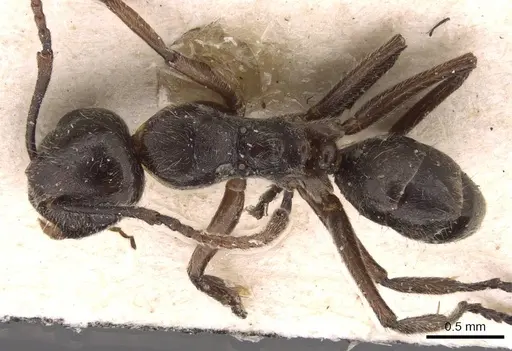
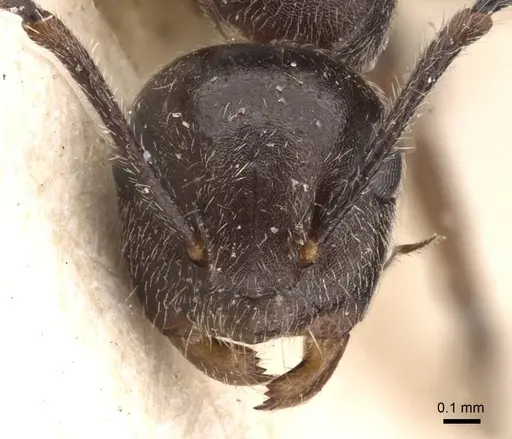
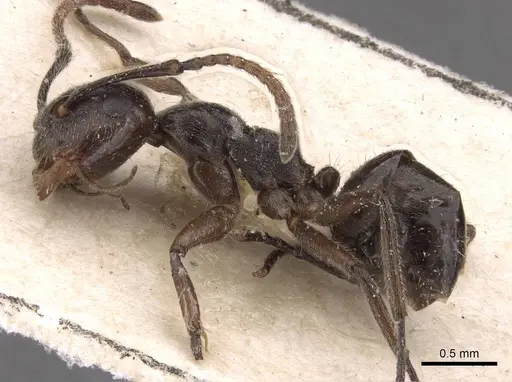
CASENT0910416
Lihat di AntWeb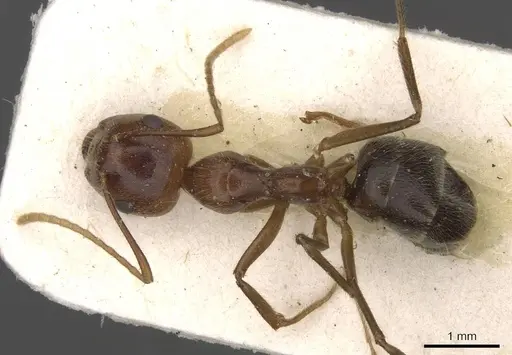
FOCOL0486
Lihat di AntWeb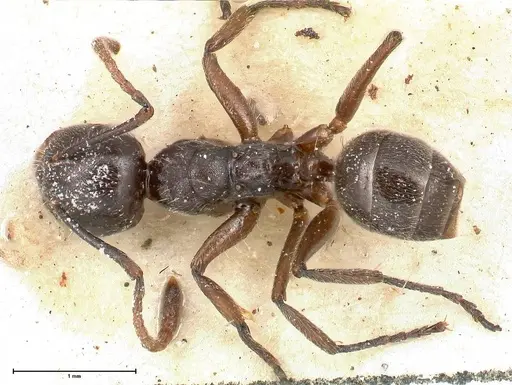
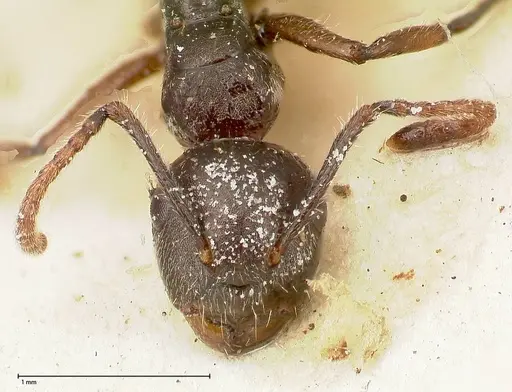
FOCOL2490
Lihat di AntWeb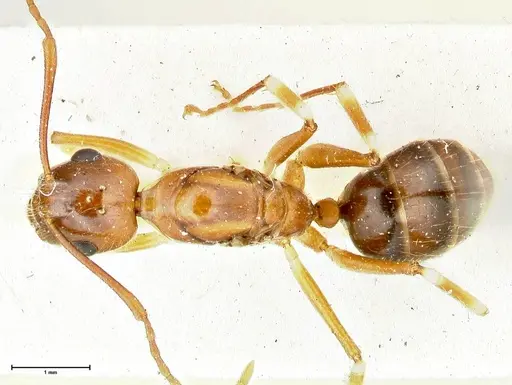
Literatur
Memuat peta distribusi...Memuat produk...