
Camponotus medeus
- Nama Ilmiah
- Camponotus medeus
- Subgenus
- Pseudocolobopsis
- Tribe
- Camponotini
- Subfamili
- Formicinae
- Penulis
- Emery, 1920
- Distribusi
- Ditemukan di 0 negara
Pendahuluan
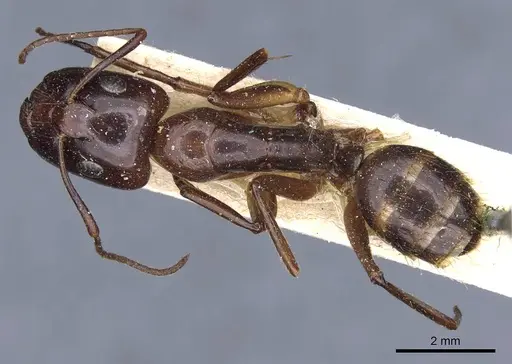
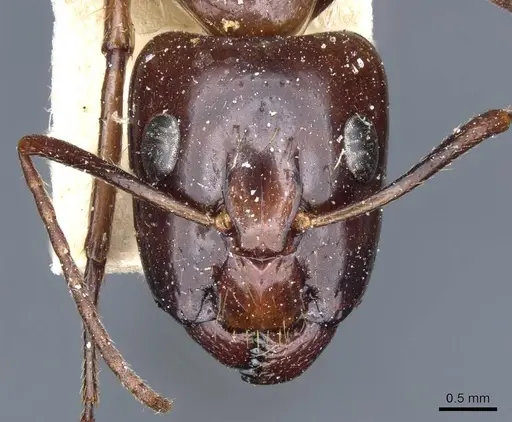
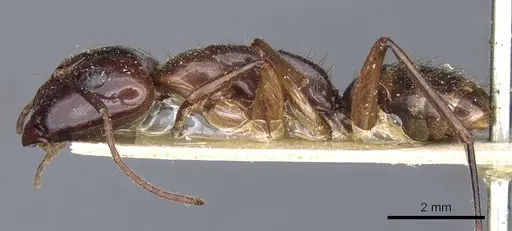
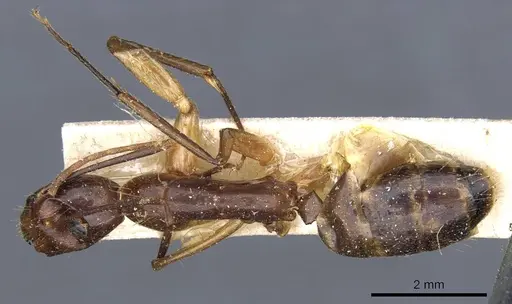
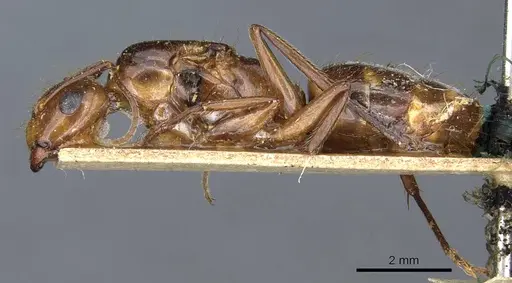
Camponotus medeus is a Neotropical carpenter ant species native to Peru, first described by Emery in 1920. As a member of the Formicinae subfamily, these ants lack a functional stinger but can spray formic acid as a defense mechanism. They belong to the Camponotini tribe, which includes many of the larger carpenter ants commonly kept in captivity. The species is known from the Marcapata region of Peru (Cu and Hu departments), with a subspecies variant called Camponotus medeus fulvulus also recognized . Workers are polymorphic, meaning the colony contains both major and minor workers, a common trait in Camponotus species.
Quick Summary
- Difficulty: Medium
- Origin & Habitat: Camponotus medeus is found exclusively in Peru, specifically in the Marcapata region and surrounding areas (Cu and Hu departments) [1]. As a Neotropical species, it inhabits tropical or subtropical forest environments.
- Colony Type: Colony structure is unconfirmed for this specific species. Camponotus species typically form single-queen colonies, but this has not been documented for C. medeus.
- Size & Growth:
- Queen: Size data unavailable, inferred from Camponotus genus patterns (~12-18mm)
- Worker: Polymorphic, inferred from Camponotus genus patterns (minor ~6-10mm, major ~10-15mm)
- Colony: Colony size data unavailable for this species
- Growth: Growth rate is unconfirmed for this species
- Development: Development time is unconfirmed for this species (In Camponotus species, development typically takes several weeks to months depending on temperature. Nanitics (first workers) are typically smaller than normal workers.)
- Antkeeping:
- Temperature: Keep nest area at 24-28°C with a slight gradient allowing workers to self-regulate [2].
- Humidity: Maintain moderate to high humidity in the nest area. Keep the substrate consistently moist but not waterlogged.
- Diapause: No true diapause required, as a Neotropical species from Peru, seasonal temperature changes are less dramatic than in temperate regions. A slight reduction in temperature during winter months may be beneficial but is not mandatory.
- Nesting: Provide a nesting area with chambers scaled to colony size. Y-tong (AAC) nests, plaster nests, or naturalistic setups with rotting wood work well for Camponotus [2].
- Behavior: Camponotus medeus displays typical carpenter ant behavior, they are generally not aggressive toward keepers but will defend their nest if threatened. Workers are active foragers that search for protein sources and sugar. Escape prevention is important, use fluon on test tube rims and ensure any formicarium has tight-fitting barriers.
- Common Issues: slow growth during founding is normal, avoid disturbing the queen during this period, excessive moisture can cause mold problems, ensure proper ventilation, wild-caught colonies may carry parasites, quarantine new colonies before introducing to established setups, temperature drops below 20°C can slow or stop brood development, larger colonies need expanding space, cramped conditions can lead to stress
Housing and Nest Setup
Camponotus medeus can be started in a simple test tube setup for the founding colony. Use a test tube with a water reservoir and provide a dark, quiet location for the queen to establish. Once the colony reaches 15-20 workers, you can consider moving them to a more permanent formicarium. Y-tong (AAC) nests work well for Camponotus as they provide proper humidity control. Plaster nests or naturalistic setups with rotting wood chunks are also suitable. Provide appropriately sized chambers, too large and the ants may feel exposed, too small and they won't have room to expand [2].
Feeding and Nutrition
Like most Camponotus species, C. medeus is omnivorous with a preference for protein-rich foods. Feed workers small insects such as fruit flies, small crickets, mealworms, or other appropriately sized invertebrates. Sugar sources are also important, offer honey water, sugar water, or ant jelly periodically. Feed protein 2-3 times per week, removing uneaten prey after 24 hours to prevent mold. Sugar water should be available constantly but replaced every few days. Fresh water should always be accessible [2].
Temperature and Seasonal Care
As a Neotropical species from Peru, Camponotus medeus prefers warmer conditions. Maintain nest temperatures between 24-28°C for optimal brood development. You can use a small heating cable or heat mat placed on one side of the nest to create a temperature gradient. Avoid placing heat sources directly on the nest material. During winter months, a slight reduction to 18-22°C is acceptable but avoid cold temperatures below 15°C. Unlike temperate species, they do not require true hibernation [2].
Colony Development and Growth
Camponotus colonies grow progressively, the queen lays eggs that develop through larval and pupal stages before emerging as workers. The first generation typically emerges several weeks after founding, depending on temperature. These first workers are smaller than normal workers but immediately begin foraging to support the colony. Major workers typically appear once the colony reaches several hundred workers. A mature colony can contain several thousand workers and may live for many years, Camponotus queens can live 15-20 years in captivity with proper care [2].
Handling and Temperament
Camponotus medeus is generally calm and manageable. Workers may spray formic acid when threatened, which can irritate eyes and skin but poses no serious danger to humans. The ants are not particularly aggressive and will typically flee rather than attack when disturbed. However, they will defend their colony if their nest is directly threatened. For handling, these large ants are relatively easy to work with, you can use soft-tipped forceps for relocation if needed. [2]
Frequently Asked Questions
How long does it take for Camponotus medeus to get their first workers?
Development time is unconfirmed for this specific species. For Camponotus in general, expect several weeks to a few months from egg to first worker depending on temperature. The founding period requires patience, avoid disturbing the queen during this critical phase.
What do Camponotus medeus ants eat?
Feed them small insects (fruit flies, small crickets, mealworms) for protein 2-3 times per week. Sugar sources like honey water, sugar water, or ant jelly should be available constantly.
What temperature should I keep Camponotus medeus at?
Maintain nest temperatures between 24-28°C. A slight gradient allowing workers to self-regulate is ideal. Use a heating cable on one side of the nest if room temperature falls below this range.
Is Camponotus medeus a good species for beginners?
This species is rated as medium difficulty. While Camponotus in general are considered good for beginners, this specific species has limited documented care information. Expect to apply typical Camponotus husbandry practices and adjust based on your colony's response.
Do Camponotus medeus need hibernation?
No, true hibernation is not required. As a Neotropical species from Peru, they experience minimal seasonal temperature variation. A slight winter reduction to 18-22°C may be beneficial but is not mandatory.
When should I move Camponotus medeus to a formicarium?
Move from test tube to formicarium once the colony reaches 15-30 workers. Earlier moves risk stressing the colony. Ensure the formicarium has appropriately sized chambers.
How big do Camponotus medeus colonies get?
Colony size data is unavailable for this specific species. Based on typical Camponotus patterns, mature colonies can reach several thousand workers. The queen can live 15-20 years with proper care.
Can I keep multiple Camponotus medeus queens together?
This is not recommended. Camponotus are typically single-queen species, and combining unrelated queens usually results in fighting.
Why is my Camponotus medeus colony declining?
Common causes include: temperature stress, excessive moisture leading to mold, insufficient protein feeding, parasites from wild-caught colonies, or disturbance during founding. Review each parameter and make incremental adjustments.
Report an Issue
The current care sheet is based fully on literature. See inconsistencies, or something that's incorrect? Please , it will be resolved after review from an admin. Contributing to the blogs tab also helps providing information, to make us be able to further improve the caresheets. Thank you for your support!
References

Lembar perawatan ini dilisensikan di bawah CC BY-SA 4.0 .
Blog Komunitas
Literatur
Memuat peta distribusi...Memuat produk...