
Camponotus luteus
- Nama Ilmiah
- Camponotus luteus
- Subgenus
- Tanaemyrmex
- Tribe
- Camponotini
- Subfamili
- Formicinae
- Penulis
- Smith, 1858
- Distribusi
- Ditemukan di 0 negara
Pendahuluan
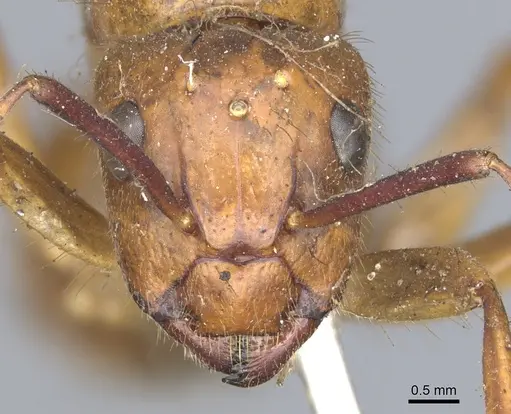
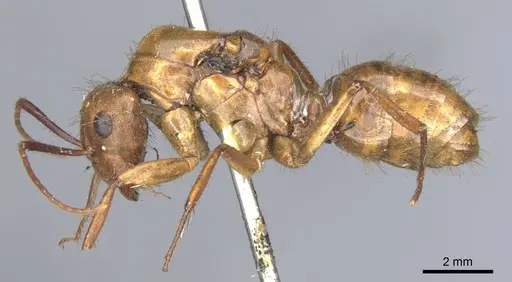
Camponotus luteus is a carpenter ant species native to India and Myanmar in the Indomalaya region. Workers display a distinctive yellowish to golden-brown coloration. The species belongs to the subgenus Tanaemyrmex. This ant is endemic to the Indian subcontinent, recorded from Arunachal Pradesh, Assam, Sikkim, and West Bengal . Little specific research exists on this species, so much of the care information is inferred from typical Camponotus genus behavior.
Quick Summary
- Difficulty: Medium
- Origin & Habitat: India and Myanmar in the Indomalaya region. Found in forested areas across Arunachal Pradesh, Assam, Sikkim, and West Bengal [1]. Typical nesting habits likely include rotting wood or dead tree branches, based on Camponotus genus patterns.
- Colony Type: Unconfirmed, specific colony structure data is not available for this species. Most Camponotus species are monogyne, but this has not been verified for C. luteus.
- Size & Growth:
- Queen: ~12-15mm, inferred from Camponotus genus patterns
- Worker: ~6-12mm, inferred from Camponotus genus patterns
- Colony: Likely reaches several thousand workers at maturity, inferred from genus patterns
- Growth: Moderate, typical of larger Camponotus species
- Development: Approximately 6-8 weeks at optimal temperature, inferred from typical Camponotus development (Development time is temperature-dependent. Nanitic (first) workers are smaller than normal workers.)
- Antkeeping:
- Temperature: Keep nest area at 24-28°C with a slight gradient. Room temperature (22-25°C) is often suitable. Avoid temperatures above 35°C.
- Humidity: Moderate humidity around 50-60%. Keep nest substrate slightly moist but not waterlogged. Provide a water tube for drinking water.
- Diapause: Likely beneficial, as a species from northern India, colonies may benefit from a winter rest period of 2-3 months at cooler temperatures. Exact requirements unconfirmed.
- Nesting: Y-tong (AAC) nests work well for this medium-to-large species. Plaster or soil nests are also suitable. They likely prefer nesting in wood-like materials but will accept artificial nests.
- Behavior: Generally calm temperament with moderate activity levels. Workers are not particularly aggressive but will defend the colony if threatened. Foraging activity is typically crepuscular or nocturnal. They recruit nestmates to food sources through chemical trails. Escape risk is moderate, use standard barrier methods. Workers can emit formic acid as a defense mechanism.
- Common Issues: queen mortality during founding is common, ensure founding chamber is undisturbed and dark, colonies grow slowly in the first months which can lead to overfeeding and mold problems, escape prevention should be maintained, they are strong climbers despite their size, wild-caught colonies may harbor parasites that can devastate captive colonies, overheating is a risk, direct sunlight or heating mats set too high can kill colonies
Nest Preferences
Camponotus luteus likely nests in rotting wood and dead tree branches, typical of the Tanaemyrmex subgenus. In captivity, they readily accept Y-tong (AAC) nests, acrylic formicaria, or plaster nests with appropriate chamber sizes. The nest should be dark and provide chambers that snugly fit the colony size. A humidity reservoir or water tube connected to the nest helps maintain appropriate moisture levels. Place the nest in an area with stable temperatures away from direct sunlight or drafts.
Feeding and Diet
Like most Camponotus species, C. luteus is omnivorous with a preference for sugary liquids. Offer sugar water or honey water as a constant food source. They also need regular protein in the form of insects such as mealworms, crickets, or other small arthropods. Feed protein 2-3 times per week, adjusting based on colony size and consumption. Remove uneaten prey after 24-48 hours to prevent mold. Always provide clean drinking water. Growing colonies need more protein, while established colonies can handle more sugar.
Temperature and Seasonal Care
Maintain nest temperatures between 24-28°C for optimal brood development. A temperature gradient allows ants to regulate their own exposure to heat. During summer months, room temperature is often sufficient. In winter, if your room temperature drops significantly, a low-level heating cable can maintain activity. However, C. luteus from northern India likely benefits from a winter rest period. Reduce temperature for 2-3 months during winter, reducing feeding frequency accordingly. This diapause period mimics natural seasonal cycles. Do not cool suddenly, reduce temperature gradually over 1-2 weeks.
Behavior and Colony Dynamics
This species likely exhibits typical Camponotus behavior with a division of labor between minor and major workers. Majors serve as defenders and can emit formic acid when threatened. Workers are moderately fast-moving and will establish foraging trails to food sources. They are not overly aggressive toward keepers but will defend if their nest is disturbed. The queen spends most of her time in the nest chamber, tended by workers. New colonies grow slowly at first as the queen raises nanitic workers, then growth accelerates once the first generation matures.
Colony Founding
Like most Camponotus species, C. luteus is likely claustral, the queen seals herself in a chamber and does not forage during founding. She relies on stored fat reserves to survive and feed her first brood. Provide a founding chamber (test tube setup works well) with a small water reservoir at one end, separated by a cotton plug. Keep the tube dark and undisturbed. The queen will lay eggs, and after 2-4 weeks, larvae will hatch. Pupae follow, and finally the first workers (nanitics) emerge after 6-8 weeks total. The nanitics are typically smaller than normal workers.
Frequently Asked Questions
How long does it take for Camponotus luteus to produce first workers?
Expect first workers (nanitics) to emerge in approximately 6-8 weeks after the queen lays eggs, assuming temperatures around 24-28°C. This timeline varies based on temperature, cooler conditions slow development, warmer conditions speed it up. Be patient during founding as the queen needs complete darkness and minimal disturbance.
What do Camponotus luteus ants eat?
They need a balanced diet of sugar and protein. Offer sugar water or honey water constantly as an energy source. Feed protein (insects like mealworms, crickets, or other small arthropods) 2-3 times per week. Remove uneaten prey after a day to prevent mold. They will also drink water, so provide a water source.
What temperature is best for Camponotus luteus?
Keep the nest at 24-28°C. A heating cable on one side creates a gradient so ants can choose their preferred temperature. Room temperature (22-25°C) is often acceptable. Avoid temperatures above 35°C or below 15°C for extended periods.
Can I keep multiple Camponotus luteus queens together?
This is not recommended. The colony structure for this species is unconfirmed, but most Camponotus species are monogyne (single queen). Combining unrelated queens typically results in fighting. If you find multiple queens, house them separately in founding setups.
Do Camponotus luteus need hibernation?
They likely benefit from a winter rest period. Reduce temperatures for 2-3 months during winter. This mimics their natural seasonal cycle in northern India. Reduce feeding during this period and avoid disturbing the colony.
How big do Camponotus luteus colonies get?
Mature colonies likely reach several thousand workers. Growth is slow initially, the first workers (nanitics) take 6-8 weeks to emerge. After that, growth accelerates but remains moderate. Expect 1-2 years to reach a substantial colony size.
What is the best nest type for Camponotus luteus?
Y-tong (AAC) nests, acrylic formicaria, or plaster nests work well. The chambers should be appropriately sized. Provide a dark nest area and ensure humidity can be maintained. A water tube or reservoir helps with moisture.
Are Camponotus luteus good for beginners?
They are rated as medium difficulty. They are more forgiving than some species but require attention to temperature, feeding, and proper founding conditions. Beginners should be prepared for the slow initial growth and the potential need for a winter diapause period.
Why is my Camponotus luteus colony dying?
Common causes include: disturbing the founding queen too often (she may eat eggs or abandon the nest), improper humidity (too wet causes mold, too dry kills brood), temperature extremes, parasites from wild-caught colonies, or overfeeding leading to mold. Ensure the queen is in a dark, undisturbed location with appropriate moisture.
Report an Issue
The current care sheet is based fully on literature. See inconsistencies, or something that's incorrect? Please , it will be resolved after review from an admin. Contributing to the blogs tab also helps providing information, to make us be able to further improve the caresheets. Thank you for your support!
References

Lembar perawatan ini dilisensikan di bawah CC BY-SA 4.0 .
Blog Komunitas
CASENT0903583
Lihat di AntWeb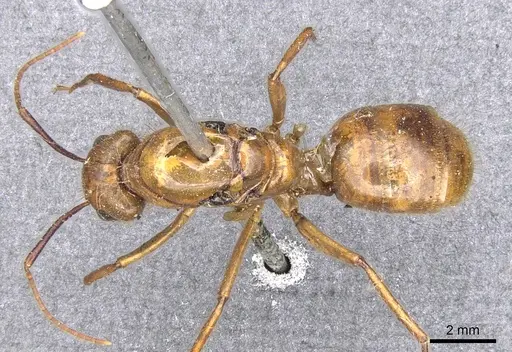
Literatur
Memuat peta distribusi...Memuat produk...