
Camponotus klaesii
- Nama Ilmiah
- Camponotus klaesii
- Subgenus
- Rhinomyrmex
- Tribe
- Camponotini
- Subfamili
- Formicinae
- Penulis
- Forel, 1886
- Distribusi
- Ditemukan di 0 negara
Pendahuluan
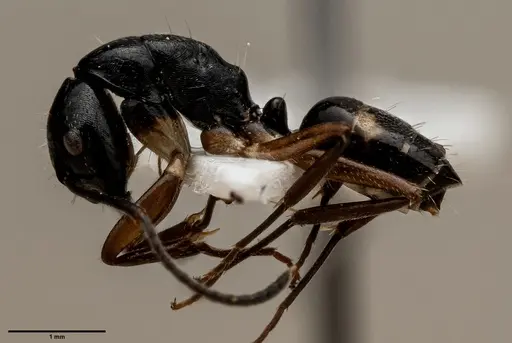
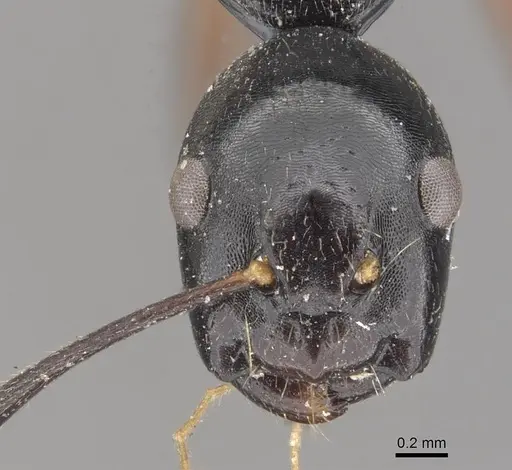
Camponotus klaesii is a carpenter ant species originally described from Sumatra, Indonesia in 1896 by Carlo Emery . The species was classified in the subgenus Rhinomyrmex, a small group within Camponotus. Workers are polymorphic, meaning they come in different sizes within the same colony - a common trait in this genus. The exact coloration and measurements are not well-documented in available literature. This ant inhabits the tropical forests of Sumatra, an Indonesian island known for its warm, humid climate year-round.
Quick Summary
- Difficulty: Medium
- Origin & Habitat: Sumatra, Indonesia, tropical forest environment [1]
- Colony Type: Likely single-queen colonies (monogyne) based on typical Camponotus patterns. Colony structure has not been directly documented for this species.
- Size & Growth:
- Queen: Size data unavailable, no specific measurements exist for this species. Camponotus queens typically range from 12-18mm.
- Worker: Size data unavailable, no specific measurements exist for this species. Camponotus workers typically range from 6-15mm.
- Colony: Size data unavailable, no specific colony size data exists for this species.
- Growth: Moderate
- Development: Development timeline is unconfirmed for this species. For Camponotus genus, first workers typically emerge in 6-8 weeks under warm conditions. (Actual development time may vary. Nanitics (first workers) are typically smaller but develop relatively quickly once the queen is established.)
- Antkeeping:
- Temperature: Keep at 24-28°C. Based on tropical Sumatran origin, they prefer warm conditions. A heating cable on one side of the nest creates a suitable gradient.
- Humidity: Keep moderately humid (60-80%). Tropical forest origin suggests they tolerate higher humidity. Provide a water source and keep nest substrate slightly moist but not waterlogged.
- Diapause: No diapause required, being a tropical species, they do not need hibernation. However, slight temperature reductions during winter months (down to around 22°C) are acceptable if room temperature drops naturally.
- Nesting: In captivity, they do well in Y-tong (AAC) nests, plaster nests, or naturalistic soil setups. They prefer dark, secure nesting sites. Provide a test tube setup for founding colonies, then transition to a proper nest once the colony reaches 20+ workers.
- Behavior: Typical Camponotus temperament, generally calm and not overly aggressive. Workers are moderate foragers that search for sugar sources and protein. They are not known to be escape artists, but use standard escape prevention (Fluon or barrier tape) as you would for any ant species. As Formicine ants, they lack a functional sting. Instead, they bite the target and spray concentrated formic acid from their acidopore into the wound.
- Common Issues: limited species-specific care data means some trial and error may be needed, tropical species requires consistent warmth, cold drafts can slow or stop brood development, polymorphic workers mean varying escape capabilities, ensure barriers are secure, founding colonies are slow to establish, patience is required during the claustral period, wild-caught colonies may carry parasites or diseases that can affect captive success
Origin and Natural History
Camponotus klaesii was first described by Carlo Emery in 1896 from specimens collected in Sumatra, one of Indonesia's largest islands located near the equator [1]. The species was originally placed in the subgenus Rhinomyrmex, a taxonomic group within Camponotus that has received relatively little study. Sumatra's tropical climate is characterized by year-round warmth (typically 25-30°C) and high humidity, with rainfall distributed throughout the year rather than distinct wet and dry seasons. This environment suggests that C. klaesii has adapted to stable, warm conditions without seasonal temperature extremes. In the wild, these ants likely nest in rotting wood, under tree bark, or in soil cavities, typical nesting sites for carpenter ants throughout the tropics.
Nest Preferences and Housing
For captive care, Camponotus klaesii does well in standard ant-keeping setups. Founding colonies should be housed in a test tube setup with a water reservoir, the queen will seal herself into a chamber and remain there until her first workers emerge. Once the colony reaches 20-30 workers, you can transition them to a Y-tong (AAC) nest or a plaster nest. These ants prefer dark, secure nesting areas and will typically avoid nests with excessive light or vibration. A naturalistic setup with soil and decorative elements can also work well, though it requires more maintenance. Ensure the nest has a humidity chamber or water reservoir to maintain appropriate moisture levels. The outworld (foraging area) should be simple and easy to clean, with standard escape prevention measures in place.
Feeding and Diet
Camponotus klaesii is an omnivorous species typical of the genus. They readily accept sugar sources such as honey, sugar water, or commercial ant nectars. For protein, offer small insects like fruit flies, mealworms, or crickets. Feed protein roughly twice per week, and keep a sugar source available at all times. Unlike some specialized predators, these ants are generalists and will consume most offered foods. Remove any uneaten prey after 24-48 hours to prevent mold. During the founding stage, the queen does not eat, she relies entirely on her stored fat reserves. Once workers emerge, they will begin foraging and can be offered food in the outworld.
Temperature and Seasonal Care
As a tropical species from Sumatra, Camponotus klaesii requires warm conditions to thrive. Keep the nest area at 24-28°C for optimal brood development. Temperatures below 22°C can slow development significantly, while temperatures above 32°C may stress the colony. A heating cable placed on one side of the nest creates a natural temperature gradient that allows ants to regulate their own exposure to warmth. Unlike temperate species, this ant does not require a true hibernation or diapause period. However, if your room temperature naturally drops in winter, a slight reduction to around 22°C is acceptable, just ensure it does not get cold enough to halt activity completely. Maintain consistent warmth year-round for best results.
Behavior and Colony Development
Camponotus klaesii exhibits typical carpenter ant behavior. Colonies start with a single claustral queen who seals herself into a chamber and lays eggs while living off her stored fat reserves. She produces the first brood (nanitics, smaller first workers) entirely on her own. Once nanitics emerge, they take over foraging and brood care while the queen focuses on egg-laying. Growth is moderate, expect several months before you see significant worker numbers. Like other Camponotus species, workers are polymorphic, meaning you'll see major workers (larger, with bigger heads) alongside minor workers as the colony matures. These ants are generally docile and focused on their tasks rather than defending aggressively. They communicate through chemical signals and will readily explore their environment for food.
Frequently Asked Questions
How long does it take for Camponotus klaesii to produce first workers?
Exact timeline is unconfirmed for this species. Based on typical Camponotus development, expect first workers (nanitics) to emerge in approximately 6-8 weeks after the queen lays eggs, assuming optimal temperature around 26°C. The exact timeline can vary based on temperature and other conditions.
Can I keep multiple Camponotus klaesii queens together?
This is not recommended. Camponotus klaesii is likely a single-queen (monogyne) species based on typical genus patterns. Combining unrelated queens typically results in fighting and colony failure. If you acquire a wild colony, it likely has only one functional queen.
What temperature do Camponotus klaesii ants need?
Keep them warm at 24-28°C. Being from tropical Sumatra, they need consistent warmth year-round. A heating cable on part of the nest creates a gradient that ants can use to regulate their temperature.
When should I move my Camponotus klaesii colony to a formicarium?
Wait until the colony has at least 20-30 workers before transitioning from a test tube to a proper nest. Moving too early can stress the queen and slow colony development. Make sure the new nest is appropriately sized, too large a space can cause stress.
What do Camponotus klaesii eat?
They are omnivores. Offer sugar sources (honey, sugar water) constantly and protein (small insects like fruit flies, mealworms) approximately twice per week. Remove uneaten food promptly to prevent mold.
Are Camponotus klaesii good for beginners?
They are moderate difficulty, easier than some tropical species but requiring more attention to temperature than temperate ants. Their claustral founding and moderate growth rate make them manageable for those with some basic ant-keeping experience.
Do Camponotus klaesii need hibernation?
No, being a tropical species from Sumatra, they do not require hibernation. Maintain warm temperatures year-round. Slight seasonal temperature variations are acceptable but not necessary.
How big do Camponotus klaesii colonies get?
Exact maximum size is unknown for this specific species. Based on related Camponotus species, colonies can reach several hundred workers at maturity and can live for many years with proper care.
Why is my Camponotus klaesii colony not growing?
Common causes include: temperatures too low (below 22°C), insufficient humidity, poor nutrition, or stress from excessive disturbance. Check that conditions match their warm, humid requirements and that the queen is still laying eggs. Patience is key, Camponotus colonies grow steadily but not quickly.
Report an Issue
The current care sheet is based fully on literature. See inconsistencies, or something that's incorrect? Please , it will be resolved after review from an admin. Contributing to the blogs tab also helps providing information, to make us be able to further improve the caresheets. Thank you for your support!
References

Lembar perawatan ini dilisensikan di bawah CC BY-SA 4.0 .
Blog Komunitas
ANTWEB1060637
Lihat di AntWeb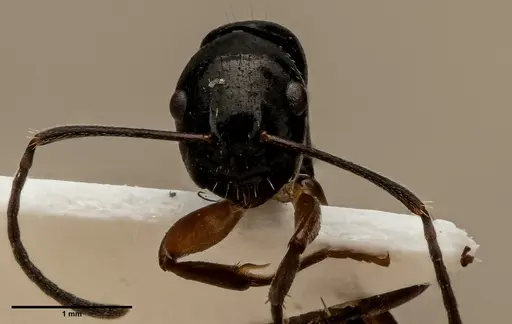
CASENT0910578
Lihat di AntWeb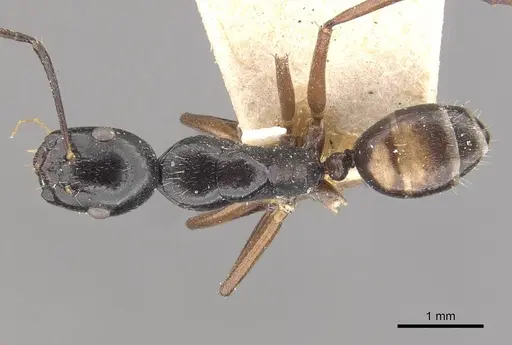
Literatur
Memuat peta distribusi...Memuat produk...