
Camponotus impressilabris
- Nama Ilmiah
- Camponotus impressilabris
- Subgenus
- Orthonotomyrmex
- Tribe
- Camponotini
- Subfamili
- Formicinae
- Penulis
- Stitz, 1938
- Distribusi
- Ditemukan di 0 negara
Pendahuluan
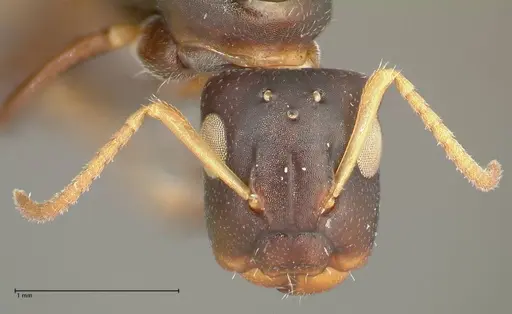
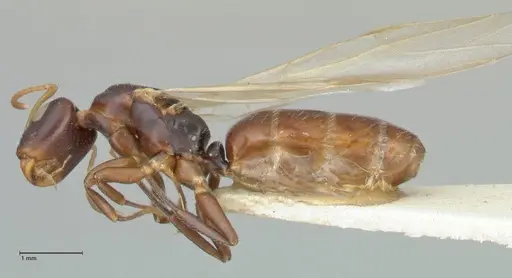
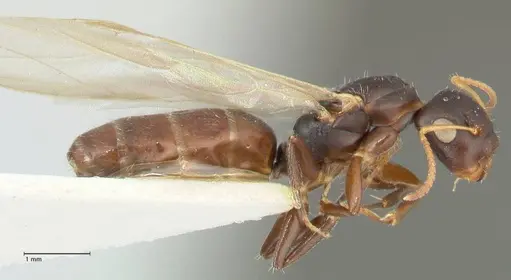
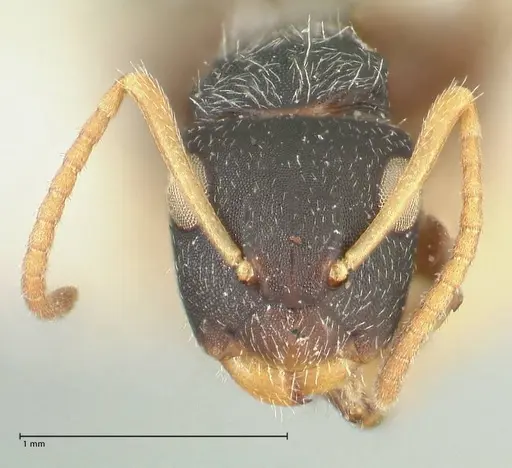
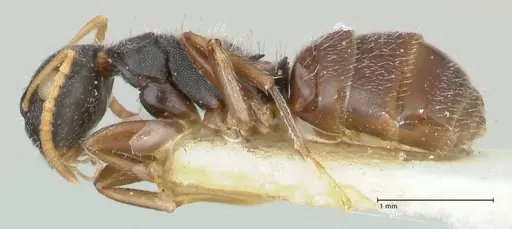
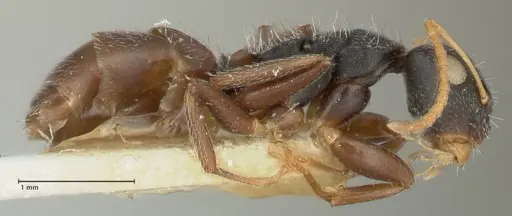
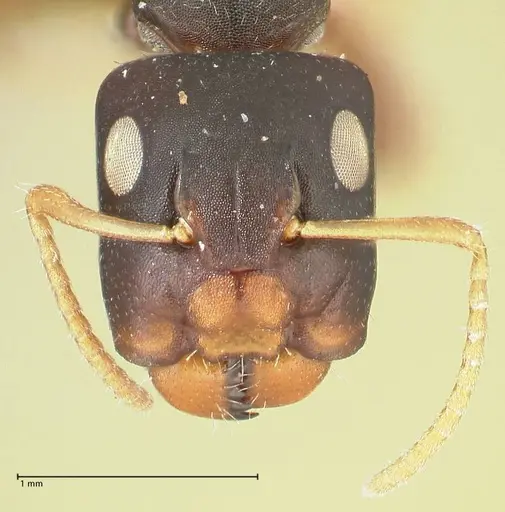
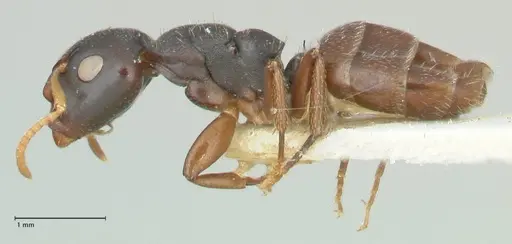
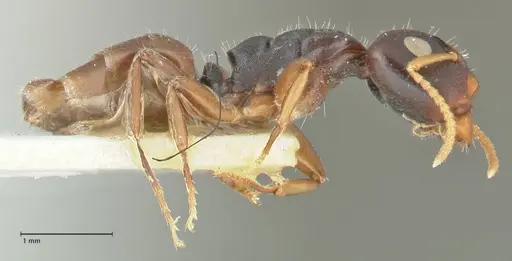
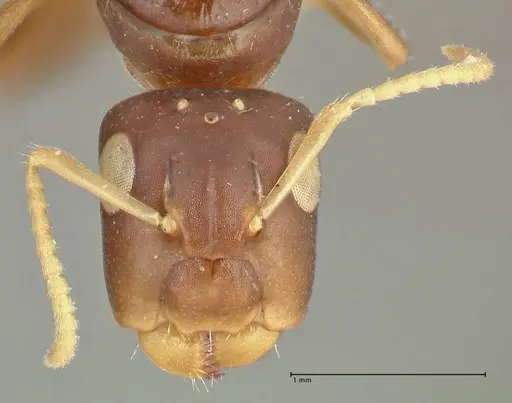
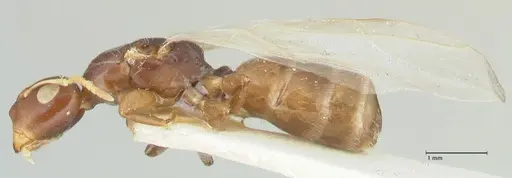
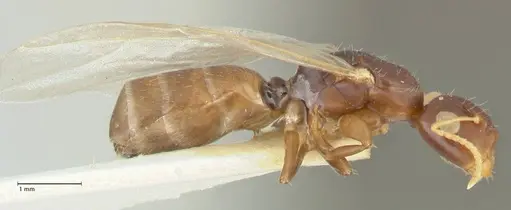
Camponotus impressilabris is a tropical ant species native to the Malaysian Peninsula, specifically recorded from Malacca in West Malaysia. It belongs to the subgenus Orthonotomyrmex within the genus Camponotus. Workers occur in distinct size castes - major workers with larger heads and minor workers - a common trait in many Camponotus species. The species has distinctive structural features including a bidentate (two-toothed) propodeum, nodiform petiole, and matte integument . Queens are known from the type series. This species remains poorly studied in the scientific literature, with limited information available on its biology, colony structure, or specific care requirements in captivity.
Quick Summary
- Difficulty: Medium
- Origin & Habitat: Native to the Malaysian Peninsula in the Indomalaya region. Based on geographic location and related species, they likely inhabit tropical rainforest environments, typically nesting in rotting wood, under bark, or in soil cavities in shaded, humid forest areas.
- Colony Type: Colony structure is unconfirmed. The type series contains 6 queens, but whether this indicates multiple-queen colonies or simply multiple specimens is unknown.
- Size & Growth:
- Queen: Size data unavailable, queens are known from type material but specific measurements have not been published.
- Worker: Size data unavailable, major and minor workers are known from type material but specific measurements have not been published.
- Colony: Unknown for this species. Based on typical Camponotus patterns, colonies likely reach several hundred to a few thousand workers at maturity.
- Growth: Moderate, typical for Camponotus species
- Development: Estimated 8-12 weeks based on typical Camponotus development at tropical temperatures. (Development time is temperature-dependent. Warmer temperatures within the suitable range will accelerate development.)
- Antkeeping:
- Temperature: Keep at 24-28°C, this matches typical tropical Camponotus requirements and Malaysian climate conditions. A slight gradient allowing workers to self-regulate is beneficial.
- Humidity: High humidity preferred, aim for 70-85% relative humidity. Keep the nest substrate consistently moist but not waterlogged. These are forest-floor ants that need damp conditions.
- Diapause: No, as a tropical species from Malaysia, they do not require a diapause period. Maintain consistent warm temperatures year-round.
- Nesting: In captivity, they do well in Y-tong (AAC) nests, plaster nests, or naturalistic setups with rotting wood or soil. They prefer dark, enclosed spaces. A water reservoir connected to the nest helps maintain humidity. Avoid dry, exposed setups.
- Behavior: Typical Camponotus temperament, generally docile and not aggressive toward keepers. Workers are moderate foragers, searching for sugar sources and protein. Major workers serve as soldiers or food processors. They have a moderate escape risk due to their size, but standard barriers like Fluon work well. As Formicinae, they lack a functional sting but can bite and spray formic acid from their acidopore.
- Common Issues: humidity control is critical, too dry and colonies will fail to thrive or abandon brood, tropical species may struggle if room temperature drops below 22°C consistently, limited information means keepers must adapt care based on colony response rather than specific species data, wild-caught colonies may have parasites or diseases that are difficult to diagnose
Nest Preferences
In the wild, Camponotus impressilabris likely nests in rotting wood, under loose bark, or in soil cavities in shaded tropical forest areas. For captivity, Y-tong (AAC) nests work well because they provide the dark, enclosed environment these ants prefer. Plaster nests with water reservoirs are also suitable and help maintain the high humidity they need. Naturalistic setups with a soil layer and pieces of rotting wood or bark can mimic their natural environment. The nest should be kept in a dimly lit area or covered with an opaque cover, as bright light can stress colonies. A connected outworld allows workers to forage while keeping the nest dark and humid.
Feeding and Diet
Like most Camponotus species, they are omnivorous and will accept both sugar sources and protein. Offer sugar water, honey, or diluted maple syrup as a constant sugar source. For protein, provide small insects like fruit flies, small crickets, mealworms, or other appropriately sized prey. In the wild, they likely forage for honeydew from aphids or scale insects, plus small arthropods. Feed protein 2-3 times per week, and keep sugar water available at all times. Remove uneaten prey after 24-48 hours to prevent mold. Major workers can handle larger prey items and will often process food for the colony.
Temperature and Care
Maintain temperatures between 24-28°C for optimal colony health and development. This species is adapted to the warm, humid tropical climate of Malaysia, so cooler temperatures will slow activity and brood development. A heating cable or mat on one side of the nest can create a temperature gradient, allowing workers to self-regulate. Place the heating element on top of the nest, not underneath, to avoid drying out the substrate. Room temperature within this range is often sufficient. Monitor humidity closely, the nest substrate should feel consistently moist but never waterlogged. Good ventilation is important to prevent mold while maintaining humidity.
Behavior and Temperament
Camponotus impressilabris has a typical Camponotus temperament, generally calm and not prone to aggressive behavior toward keepers. Workers are active foragers that will search the outworld for food. The presence of major and minor worker castes means different workers handle different tasks, majors often serve as defenders or food processors. As Formicinae ants, they lack a functional sting but can bite and spray formic acid from their acidopore. Escape risk is moderate, standard barrier methods like Fluon on the rim of the outworld work well. Colonies are primarily nocturnal or crepuscular, becoming more active during dim lighting conditions. They establish well in captivity once the founding queen raises her first workers.
Colony Founding
Like most Camponotus species, C. impressilabris queens are likely claustral, they seal themselves in a small chamber and raise the first brood alone using stored fat reserves. The queen does not leave to forage during founding. After mating, the queen finds a suitable nesting site, seals the entrance, and lays eggs. She tends the eggs and larvae until the first workers (nanitics) emerge. These nanitics are typically smaller than normal workers but immediately begin foraging to support the colony. Founding colonies should be kept in darkness and left undisturbed until workers emerge. A test tube setup with a water reservoir works well for founding colonies.
Frequently Asked Questions
How long does it take for Camponotus impressilabris to have first workers?
Based on typical Camponotus development, expect first workers (nanitics) to emerge in about 8-12 weeks after the queen lays eggs, assuming temperatures around 26-28°C. Cooler temperatures will significantly slow development.
What do Camponotus impressilabris eat?
They are omnivorous. Offer a constant sugar source like sugar water, honey, or maple syrup, plus protein sources like small insects (fruit flies, small crickets, mealworms) 2-3 times per week.
What temperature do Camponotus impressilabris need?
Keep them warm at 24-28°C. This tropical species from Malaysia does not tolerate cool temperatures well. A slight gradient allowing workers to move between warmer and cooler areas is beneficial.
Do Camponotus impressilabris need hibernation?
No, hibernation is not required. As a tropical species from Malaysia, they do not experience cold winters in their native habitat. Maintaining consistent warm temperatures year-round is best.
What humidity do Camponotus impressilabris require?
High humidity at 70-85%. Keep the nest substrate consistently moist but not waterlogged. A water reservoir connected to the nest helps maintain humidity levels. Good ventilation prevents mold while retaining moisture.
Are Camponotus impressilabris good for beginners?
This species is not well-documented in the antkeeping hobby, so there is limited species-specific guidance. However, based on typical Camponotus care, they are generally manageable for intermediate keepers comfortable with maintaining warm, humid conditions.
How big do Camponotus impressilabris colonies get?
Exact colony size is unknown for this species. Based on typical Camponotus patterns, colonies likely reach several hundred to a few thousand workers at maturity over several years.
Can I keep multiple Camponotus impressilabris queens together?
Not recommended without specific evidence. Most Camponotus are single-queen species. Combining unrelated foundress queens has not been documented for this species and would likely result in fighting.
When should I move Camponotus impressilabris to a formicarium?
Wait until the colony has at least 20-30 workers before moving from a founding setup. The colony should be actively foraging and the population stable. A Y-tong or plaster nest with a water reservoir works well for this species.
What type of nest is best for Camponotus impressilabris?
Y-tong (AAC) nests or plaster nests with water reservoirs are ideal. They provide the dark, humid environment this tropical species needs. Naturalistic setups with rotting wood also work well.
Why is my Camponotus impressilabris colony declining?
Common causes include: too low humidity (below 60%), temperatures below 22°C, poor nutrition, mold from overwatering, or parasites. Review your temperature and humidity levels first. Wild-caught colonies may also carry diseases or parasites that affect captive colonies.
Report an Issue
The current care sheet is based fully on literature. See inconsistencies, or something that's incorrect? Please , it will be resolved after review from an admin. Contributing to the blogs tab also helps providing information, to make us be able to further improve the caresheets. Thank you for your support!
References

Lembar perawatan ini dilisensikan di bawah CC BY-SA 4.0 .
Blog Komunitas
FOCOL2272
Lihat di AntWeb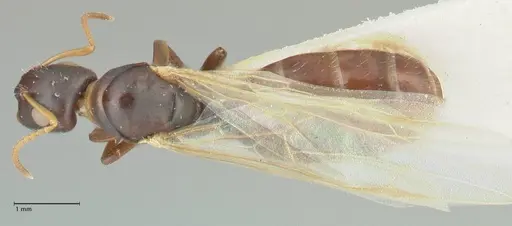
FOCOL2273
Lihat di AntWeb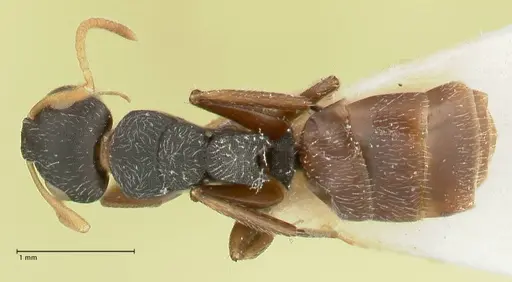
FOCOL2274
Lihat di AntWeb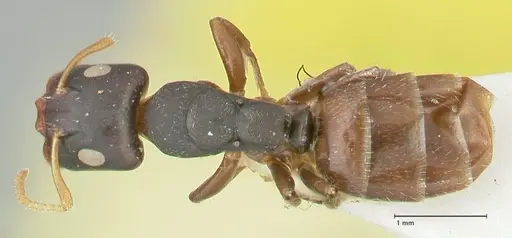
FOCOL2275
Lihat di AntWeb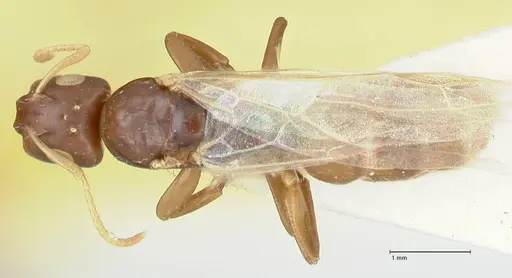
Literatur
Memuat peta distribusi...Memuat produk...