
Camponotus divergens
- Nama Ilmiah
- Camponotus divergens
- Subgenus
- Hypercolobopsis
- Tribe
- Camponotini
- Subfamili
- Formicinae
- Penulis
- Mayr, 1887
- Distribusi
- Ditemukan di 0 negara
Pendahuluan
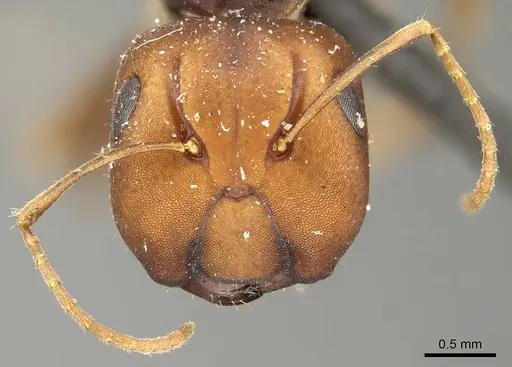
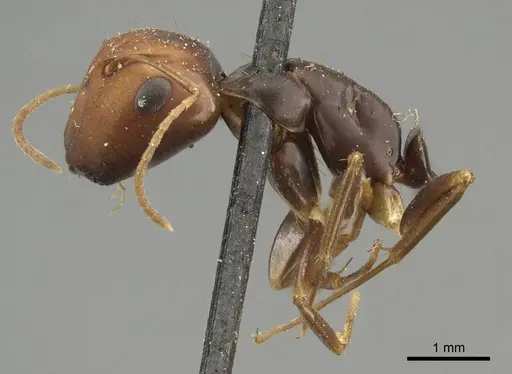
Camponotus divergens is a Neotropical carpenter ant originally described from Santa Catarina, Brazil in 1887. The species has undergone reclassifications through subgenera Myrmamblys, Pseudocolobopsis, and finally Hypercolobopsis. Workers display the characteristic Camponotus morphology - robust build with a single node (petiole) between thorax and abdomen, and the flattened hind tibia typical of Formicine ants. This species is found in southeastern Brazil and French Guiana, inhabiting tropical and subtropical forests where they nest in rotting wood or under bark. Limited documentation exists in both scientific literature and antkeeping hobby circles.
Quick Summary
- Difficulty: Medium
- Origin & Habitat: Southeastern Brazil (Santa Catarina state) and French Guiana in the Neotropical region. These ants inhabit tropical and subtropical forests, typically nesting in rotting wood or under loose bark in humid forest environments [1].
- Colony Type: Likely monogyne based on typical Camponotus patterns, single queen colonies with claustral founding. Species-specific colony structure data does not exist.
- Size & Growth:
- Queen: Approximately 12-16mm, inferred from typical Camponotus queen morphology. No specific measurement data exists for this species.
- Worker: Major workers approximately 8-10mm, inferred from genus patterns and type specimen description [1].
- Colony: Up to 2000 workers at maturity based on typical Camponotus colony development.
- Growth: Moderate, Camponotus species typically take 2-4 months from egg to first worker (nanitics)
- Development: 8-12 weeks at optimal temperature (around 24-26°C) based on typical Camponotus development patterns (Development time is inferred from genus-level data since species-specific research does not exist. Nanitics (first workers) are typically smaller than mature workers.)
- Antkeeping:
- Temperature: Keep nest area at 24-28°C with a slight gradient. Neotropical species require warm, stable conditions. A heating cable on one side of the nest creates a comfortable temperature range.
- Humidity: Maintain moderate to high humidity (60-80%). These forest-dwelling ants need moist substrate conditions, keep the nest substrate damp but not waterlogged. Provide a water tube for drinking water.
- Diapause: No true diapause required for Neotropical species. A slight reduction in temperature during winter months (down to 20-22°C) may help simulate seasonal patterns.
- Nesting: Camponotus divergens prefers nesting in wood or wood-based substrates. In captivity, a Y-tong (AAC) nest, plaster nest, or naturalistic setup with rotting wood works well. Avoid overly dry conditions, these ants need moisture retention in the nest material.
- Behavior: Typical Camponotus temperament, generally docile and non-aggressive toward keepers. Workers are moderately active foragers, primarily hunting for protein sources (insects) and collecting honeydew or nectar. Escape risk is moderate due to worker size, standard barrier methods (Fluon on rim edges) work well. As Formicine ants, they lack a functional sting but may bite and spray formic acid from their acidopore if provoked.
- Common Issues: limited species-specific information makes care recommendations uncertain, much is inferred from genus patterns, wild-caught colonies may carry parasites that can devastate captive colonies, overheating is a common killer of Neotropical ants, avoid temperatures above 32°C, colonies can stall if humidity drops too low, monitor substrate moisture regularly, slow initial growth can lead to keeper impatience and overfeeding, causing mold problems
Nest Preferences and Housing
Camponotus divergens naturally nests in rotting wood and under bark in humid forest environments. In captivity, provide a nest that mimics these conditions, Y-tong (AAC) nests work exceptionally well as they maintain humidity while allowing you to observe the colony. Plaster nests or acrylic nests with a water reservoir also suit this species well. The nest should have chambers sized appropriately for the colony size, with enough vertical space for the queen to lay eggs and workers to tend brood. Avoid dry, airy setups, these forest ants need moisture retention. A test tube setup can work for founding colonies, but transfer to a proper formicarium once the colony reaches 20-30 workers. [1]
Feeding and Diet
Like most Camponotus species, C. divergens is omnivorous with a strong preference for protein sources. Feed a varied diet including small insects (fruit flies, small crickets, mealworms), and provide constant access to sugar sources (honey water, sugar water, or commercial ant nectar). In the wild, these ants forage for honeydew from aphids and scale insects, plus dead insects and other protein. Feed protein prey 2-3 times per week, and keep sugar water available at all times. Remove uneaten prey within 24-48 hours to prevent mold. Fresh fruit occasionally accepted but not required. A varied diet promotes healthy brood development.
Temperature and Seasonal Care
As a Neotropical species from southeastern Brazil, Camponotus divergens requires warm conditions year-round. Keep the nest area at 24-28°C (75-82°F) with a slight thermal gradient so workers can choose their preferred temperature. A heating cable placed on one side of the nest works well, never place heating directly under water reservoirs as it causes excessive condensation. During winter, a slight temperature reduction to around 20-22°C is acceptable and may benefit colony cycling, but avoid cold temperatures below 18°C. These ants are not cold-hardy and sudden temperature drops can kill colonies. Maintain stable temperatures rather than allowing fluctuations.
Colony Development and Growth
Camponotus colonies follow a predictable growth pattern. After the claustral queen seals herself in, she lays eggs which develop through larval and pupal stages to become workers. The first workers (nanitics) are typically smaller than mature workers and emerge 8-12 weeks after egg-laying at optimal temperature. The queen stops foraging once sealed in and relies entirely on her fat reserves during the founding phase, do not disturb the founding chamber during this time. After nanitics emerge, the queen resumes egg-laying and the colony grows exponentially. Major workers (soldiers) typically appear once the colony reaches several hundred workers. Full maturity with major and minor worker castes may take 1-2 years.
Defense Mechanism
Camponotus divergens belongs to the subfamily Formicinae and tribe Camponotini. As with all Formicine ants, they lack a functional sting. Their defense mechanism involves biting the target and spraying a stream of concentrated formic acid from an acidopore into the wound. This is the primary defensive adaptation for this subfamily.
Frequently Asked Questions
How long does it take for Camponotus divergens to produce first workers?
Expect 8-12 weeks from egg to first worker (nanitics) at optimal temperature of 24-28°C. This timeline is based on typical Camponotus development patterns since species-specific research does not exist. Patience is key during the founding phase, do not disturb the queen's chamber.
What do Camponotus divergens ants eat?
Feed them small insects (fruit flies, small crickets, mealworms) as protein sources 2-3 times per week. Keep sugar water or honey water available at all times. Remove uneaten prey within 48 hours to prevent mold.
Can I keep Camponotus divergens in a test tube?
Test tubes work well for founding colonies. Keep the cotton moist (not soaked) and ensure the queen has a dark, quiet space. Transfer to a proper formicarium once the colony reaches 20-30 workers or the test tube becomes cramped.
What temperature do Camponotus divergens need?
Keep them at 24-28°C (75-82°F) with a slight gradient. A heating cable on one side of the nest creates appropriate conditions. Avoid temperatures above 32°C or below 18°C.
How big do Camponotus divergens colonies get?
Based on typical Camponotus patterns, expect up to 2000 workers at maturity. Full development may take 1-2 years. Major workers appear once the colony reaches several hundred workers.
Is Camponotus divergens a good beginner species?
This species is rated as Medium difficulty. While not the most challenging, it requires attention to temperature and humidity. Beginners should have some antkeeping experience before attempting this species due to limited species-specific documentation.
Do Camponotus divergens need hibernation?
No true hibernation is required for this Neotropical species. A slight temperature reduction to 20-22°C during winter months is acceptable but not mandatory. Avoid cold temperatures below 18°C.
When should I move Camponotus divergens to a formicarium?
Move from test tube to formicarium when the colony reaches 20-30 workers or the water reservoir becomes contaminated. A Y-tong or plaster nest works well for this species.
Why is my Camponotus divergens colony stalling?
Common causes include: temperature too low (below 24°C), humidity too low, insufficient protein in diet, or the queen has died. Check all parameters and ensure you're feeding adequate protein. If the queen is alive but eggs aren't developing, try slightly increasing temperature.
Report an Issue
The current care sheet is based fully on literature. See inconsistencies, or something that's incorrect? Please , it will be resolved after review from an admin. Contributing to the blogs tab also helps providing information, to make us be able to further improve the caresheets. Thank you for your support!
References

Lembar perawatan ini dilisensikan di bawah CC BY-SA 4.0 .
Blog Komunitas
CASENT0915793
Lihat di AntWeb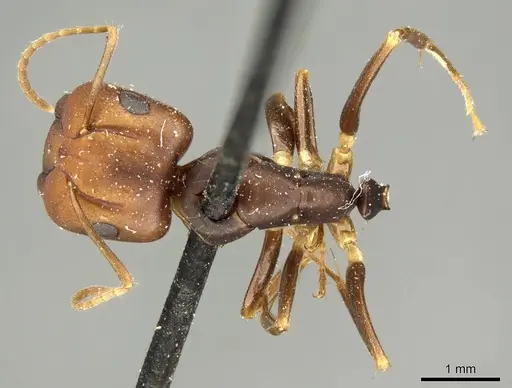
Literatur
Memuat peta distribusi...Memuat produk...