
Camponotus carinifer
- Nama Ilmiah
- Camponotus carinifer
- Subgenus
- Tanaemyrmex
- Tribe
- Camponotini
- Subfamili
- Formicinae
- Penulis
- Viehmeyer, 1916
- Distribusi
- Ditemukan di 0 negara
Pendahuluan
Camponotus carinifer is a medium-sized carpenter ant species endemic to Singapore. Workers measure approximately 5-9mm, with major workers being larger than minor workers. This species belongs to the subgenus Tanaemyrmex, a group known for nesting in rotting wood . The species was originally described in 1916 as a variety of Camponotus tinctus but was elevated to full species status in 2022 based on taxonomic review [AntWiki]. As a Singapore-endemic species, C. carinifer inhabits a tropical rainforest environment where temperatures remain warm year-round. They are active foragers with typical carpenter ant behavior - establishing nests in wood and maintaining clear trails to food sources.
Quick Summary
- Difficulty: Medium
- Origin & Habitat: Singapore, tropical rainforest environment in the Indomalaya region. They nest in rotting wood and forest habitats [2].
- Colony Type: Colony structure is unconfirmed for this species.
- Size & Growth:
- Queen: Size data unavailable for this species
- Worker: ~5-9mm (minor workers 5-6mm, major workers 7-9mm), inferred from genus patterns
- Colony: Colony size data unavailable for this species
- Growth: Growth rate data unavailable for this species
- Development: Development timeline data unavailable for this species (Specific development data is not available for this species)
- Antkeeping:
- Temperature: Keep nest area at 25-28°C. A slight gradient allowing workers to self-regulate is ideal.
- Humidity: Maintain high humidity. Keep nest substrate consistently moist but not waterlogged. Provide a water source via test tube reservoir.
- Diapause: No, this is a tropical species from Singapore where temperatures remain warm year-round.
- Nesting: Provide a nest in rotting wood, cork, or a well-designed formicarium with chambers scaled to their size. They prefer darker, enclosed spaces. Y-tong (AAC) nests or naturalistic setups with wood pieces work well.
- Behavior: These ants are active foragers with typical carpenter ant behavior. They establish clear foraging trails and are efficient at locating food sources. Workers are moderately aggressive when defending the nest, they may bite and spray formic acid as a defense mechanism. They have good escape awareness and will investigate gaps in their enclosure. Their medium size makes them visible and engaging to watch.
- Common Issues: tropical species requires stable warm conditions, temperature drops below 22°C can stress colonies, high humidity needs can lead to mold problems if ventilation is inadequate, colonies can be slow to establish in the first few months, escape prevention is important, workers can squeeze through small gaps, wild-caught colonies from Singapore may carry tropical mites or parasites
Nest Preferences and Housing
Camponotus carinifer does well in various nest types that provide dark, enclosed spaces. In the wild, they nest in rotting wood, which translates well to captive setups. A Y-tong (AAC) formicarium works excellently, the acrylic chambers are easy to maintain and allow you to observe colony activity. Alternatively, you can use a naturalistic setup with cork or actual wood pieces. The key is providing appropriately sized chambers, not too large, as ants feel safer in snug spaces. For a founding queen, a standard test tube setup with a water reservoir works perfectly. Once the colony reaches 20-30 workers, you can consider moving them to a formicarium. Always ensure the nest has some damp substrate to maintain humidity, but avoid flooding. [1]
Feeding and Diet
Like most Camponotus species, C. carinifer is omnivorous and will accept a variety of foods. Protein is essential for brood development, offer small insects like fruit flies, small crickets, mealworms, or waxworms. They typically accept protein-rich foods 2-3 times per week, adjusting based on colony size and brood presence. For energy, provide sugar water, honey, or diluted maple syrup. A constant sugar source should be available. In the wild, they also consume honeydew from aphids and nectars from flowers. Remove uneaten food after 24-48 hours to prevent mold. Workers will typically take food back to the nest to share with the queen and brood. [1]
Temperature and Seasonal Care
As a Singapore-endemic species, Camponotus carinifer requires warm, stable temperatures year-round. Keep the nest area at 25-28°C for optimal brood development. A small heating cable on one side of the nest can create a gentle gradient, allowing workers to self-regulate by moving between warmer and cooler areas. Avoid temperatures below 22°C for extended periods. Room temperature in most homes may be too cool, so consider using a heat mat or placing the nest in a warm room. No hibernation or diapause is required, maintain consistent conditions throughout the year. [2]
Colony Founding and Early Development
A claustral founding queen will seal herself into a small chamber and lay eggs without leaving to forage. She survives entirely on stored fat reserves and metabolic energy while raising her first brood. During this critical period, do not disturb the queen or move the nest, stress can cause her to abandon or eat her brood. First workers (nanitics) will be smaller than normal workers but should emerge within several weeks at optimal temperature. Once nanitics appear, the queen's role shifts to egg-laying while workers take over all foraging and brood care. Colony growth is initially slow but accelerates significantly once you have 20-30 workers. [1]
Behavior and Temperament
Camponotus carinifer displays typical carpenter ant behavior, they are active foragers that establish defined trails to food sources. Workers are moderately aggressive when the nest is threatened and will defend using their bite and formic acid spray. They are not typically aggressive toward keepers during routine maintenance but will investigate if given the opportunity. Their medium size makes them engaging to watch, you can easily observe complex behaviors including foraging, brood care, and territory defense. Provide an outworld connected to the nest so workers have space to explore and forage. [1]
Frequently Asked Questions
How long does it take for Camponotus carinifer to produce first workers?
First workers (nanitics) typically emerge in several weeks to a few months after the queen lays eggs, assuming optimal temperature of 25-28°C. Cooler temperatures can significantly extend this timeline. Patience is essential during the founding stage, avoid disturbing the queen unnecessarily.
What temperature do Camponotus carinifer ants need?
Keep them at 25-28°C. This tropical Singapore species requires warm conditions year-round. A small heat mat or heating cable on part of the nest creates a gradient. Avoid temperatures below 22°C.
Do Camponotus carinifer ants need hibernation?
No. As a tropical species from Singapore, they do not require hibernation or winter dormancy. Maintain warm, stable temperatures throughout the year.
What do Camponotus carinifer ants eat?
They are omnivorous. Feed protein (small insects like fruit flies, mealworms, small crickets) 2-3 times per week. Provide a constant sugar source (sugar water, honey, or maple syrup). Remove uneaten food after 24-48 hours to prevent mold.
How big do Camponotus carinifer colonies get?
Colony size data is unavailable for this species. Based on typical Camponotus patterns, mature colonies may reach several hundred to a few thousand workers.
Can I keep multiple Camponotus carinifer queens together?
This is not recommended. Combining unrelated established queens typically results in fighting. Colony type data is unavailable for this species.
Are Camponotus carinifer ants good for beginners?
They are rated Medium difficulty. While not as beginner-friendly as some species, their care requirements make them suitable for keepers with some experience. The main challenges are maintaining tropical temperature and humidity consistently.
When should I move Camponotus carinifer to a formicarium?
Move from test tube to formicarium once the colony reaches 20-30 workers. Earlier moves can stress the colony. Ensure the formicarium has appropriately sized chambers and maintain humidity through a water reservoir or moist substrate.
Why is my Camponotus carinifer colony not growing?
Common causes include: temperatures below 22°C, insufficient protein in diet, low humidity causing desiccation, or disturbance during founding. Check all parameters and ensure the queen is still laying eggs.
Report an Issue
The current care sheet is based fully on literature. See inconsistencies, or something that's incorrect? Please , it will be resolved after review from an admin. Contributing to the blogs tab also helps providing information, to make us be able to further improve the caresheets. Thank you for your support!
References

Lembar perawatan ini dilisensikan di bawah CC BY-SA 4.0 .
Blog Komunitas
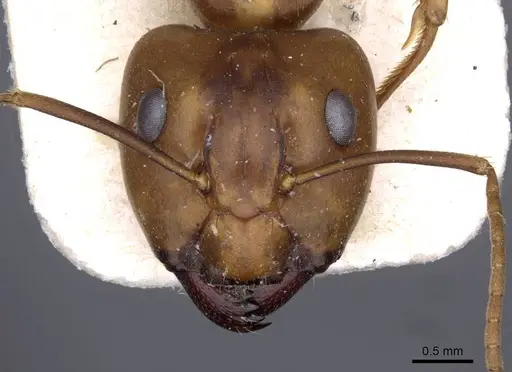
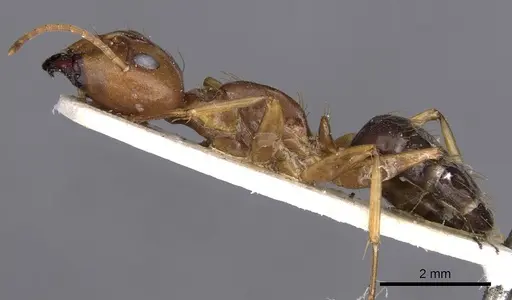
CASENT0910154
Lihat di AntWeb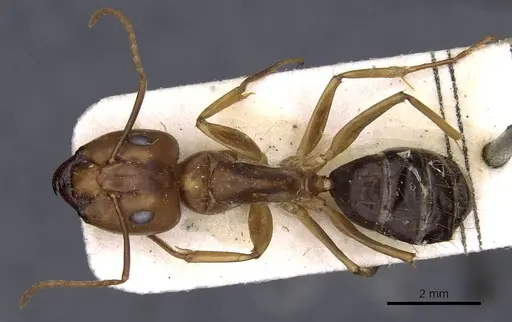
Literatur
Memuat peta distribusi...Memuat produk...