
Camponotus beccarii
- Nama Ilmiah
- Camponotus beccarii
- Subgenus
- Myrmoplatys
- Tribe
- Camponotini
- Subfamili
- Formicinae
- Penulis
- Emery, 1887
- Distribusi
- Ditemukan di 0 negara
Pendahuluan
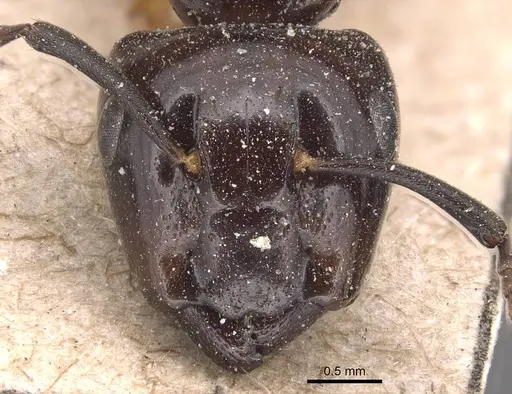
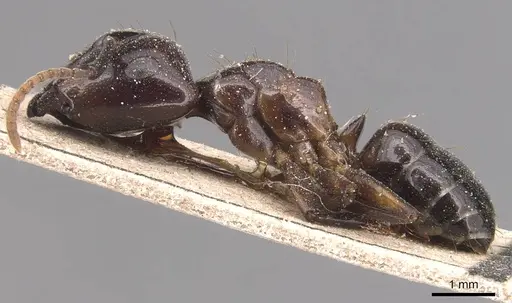
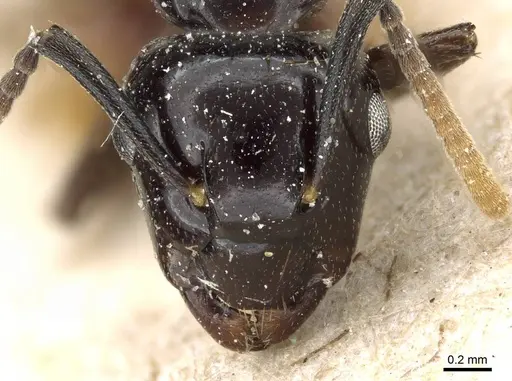
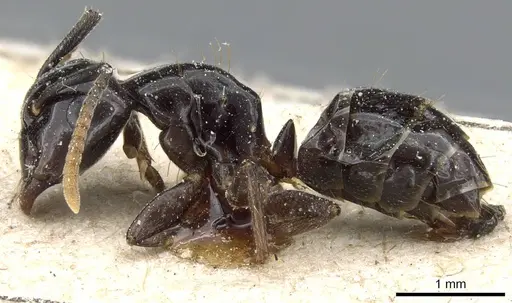
Camponotus beccarii is a carpenter ant species native to the forests of Indonesia and Borneo. Workers have the classic Camponotus body shape with a relatively small head, a constricted mesosoma, and a smooth gaster. Coloration is typically dark reddish-brown to black. This species is remarkable for its highly specialized nesting habit - it nests exclusively inside the thickened midribs and stems of rattan palms (Korthalsia species), using the hollow plant structures as ready-made nest chambers . This makes them one of the most specialized ant species in terms of nesting habitat in the entire Camponotus genus.
Quick Summary
- Difficulty: Medium
- Origin & Habitat: Tropical rainforests of Indonesia (Sumatra) and Borneo. They inhabit the thickened stems and midribs of rattan palms (Korthalsia species), which are spiny climbing palms found in lowland and montane tropical forests [1][2][3].
- Colony Type: Colony structure is unconfirmed for this species. Typical Camponotus patterns suggest single-queen colonies, but no specific data exists.
- Size & Growth:
- Queen: Size data unavailable, inferred from typical Camponotus queen size range (~12-15mm)
- Worker: Size data unavailable, inferred from genus morphology (~6-10mm)
- Colony: Estimated up to several hundred workers based on related Camponotus species
- Growth: Moderate, typical for tropical carpenter ants
- Development: Estimated 6-8 weeks at optimal tropical temperatures (25-28°C), based on genus-level data for Camponotus (Development time is inferred from related Camponotus species, direct observations for this specific species are unavailable)
- Antkeeping:
- Temperature: Keep at 24-28°C. Being from tropical Indonesia, they need warm, stable conditions. A heating cable on one side of the nest can create a gentle temperature gradient.
- Humidity: High humidity (70-85%) is essential, rattan palms grow in humid tropical forests. Keep the nest substrate consistently moist but not waterlogged. Provide a water tube for drinking water.
- Diapause: No, as a tropical species, they do not require hibernation. Keep temperatures stable year-round.
- Nesting: This species requires a naturalistic or semi-naturalistic setup that mimics their rattan palm habitat. A Y-tong (AAC) nest with narrow chambers works, but a naturalistic setup with cork bark or carefully arranged materials that simulate hollow plant stems is ideal. The key is providing enclosed, humid spaces similar to the inside of rattan stems.
- Behavior: Workers are moderately active and forage both day and night. Like most Camponotus, they are not particularly aggressive but will defend the nest if threatened. They have the typical carpenter ant habit of tending aphids and collecting honeydew. Workers can chew through soft materials but are not destructive to proper formicarium setups. Escape risk is moderate, standard barrier methods like Fluon on test tube rims work well. As a Formicinae ant, they lack a functional sting but can bite and spray formic acid from their acidopore.
- Common Issues: high humidity requirements can lead to mold if ventilation is poor, balance is essential, tropical species is sensitive to temperature drops below 22°C, wild-caught colonies may be difficult to establish due to their specialized habitat requirements, limited availability makes this species rare in the antkeeping hobby, they may be difficult to feed if not accustomed to captive food sources at first
Rattan Palm Nesting - A Unique Habitat
Camponotus beccarii is one of the few ant species in the world that nests exclusively inside living rattan palms (Korthalsia species). Rattans are spiny, climbing palms that have thickened midribs and stems with hollow internal structures. The ants use these pre-formed cavities as ready-made nest chambers, which provides excellent protection from predators and the elements. In the wild, you would find these ants only where rattan palms grow, in the understory and canopy of tropical rainforests in Sumatra and Borneo. This specialization means that in captivity, they do best in setups that mimic these enclosed, humid plant stem environments. A naturalistic setup with cork bark tunnels or a carefully constructed Y-tong nest with narrow chambers can work well. The key is providing the enclosed, humid conditions they evolved for. [1][2][3]
Temperature and Tropical Care
Being native to the tropical forests of Indonesia and Borneo, Camponotus beccarii requires warm, stable temperatures year-round. Keep the nest area at 24-28°C, with a slight gradient if possible so workers can choose their preferred temperature. Avoid temperatures below 22°C, as prolonged cool periods can weaken the colony and slow brood development. A small heating cable placed on one side of the nest can help maintain these temperatures, but be careful not to overheat, direct heat on the nest can cause drying and stress. Room temperature may be sufficient if your home stays consistently in the mid-70s°F (around 24°C), but monitor colony behavior. If workers seem sluggish or cluster together tightly, they may need more warmth.
Feeding and Diet
Like other carpenter ants, Camponotus beccarii is omnivorous and will accept a wide variety of foods. Offer a protein source 2-3 times per week, small insects like fruit flies, small mealworms, or cricket pieces work well. They also need a constant sugar source, a small drop of sugar water, honey, or diluted ant nectar can be provided. In the wild, these ants likely forage for honeydew from aphids and scale insects, plus small arthropods they find in the forest. Fresh fruit and occasional treats like a tiny piece of cooked chicken or egg can add variety. Remove any uneaten protein within 24-48 hours to prevent mold. Always provide a clean water source, a test tube with a cotton ball works perfectly.
Humidity and Water Requirements
High humidity is critical for this species, they evolved in the constantly humid environment inside rattan palm stems in tropical rainforests. Aim for 70-85% humidity in the nest area. Keep the nest substrate consistently moist but never waterlogged, standing water can drown the colony. You can achieve this by connecting the nest to a water tube that allows moisture to wick into the nest material, or by misting the area around (not directly on) the nest. Watch for condensation on the nest walls, a little is good, but excessive condensation can indicate too much moisture. Good ventilation helps prevent mold while maintaining humidity. If you see mold appearing, reduce moisture slightly and improve airflow.
Colony Establishment and Founding
A newly mated queen will seal herself into a small chamber and lay her first eggs without leaving to forage. She survives on her stored fat reserves and wing muscles, which she breaks down for energy. After several weeks at warm temperatures, the first workers called nanitics will emerge, these are typically smaller than normal workers. Once the nanitics appear, the queen will resume egg-laying and the colony begins to grow. During this founding period, it is crucial not to disturb the queen. Place the founding setup in a dark, quiet location and wait. After the first workers arrive, you can begin offering tiny amounts of food, but keep portions small. Colonies grow moderately fast once established, reaching several hundred workers within a year or two under good conditions.
Frequently Asked Questions
How long does it take for Camponotus beccarii to have first workers?
At optimal temperatures (24-28°C), expect first workers (nanitics) to emerge in about 6-8 weeks after the queen lays her first eggs. This is typical for Camponotus species. Cooler temperatures will slow development significantly.
What do Camponotus beccarii ants eat?
They are omnivorous. Offer protein (small insects like fruit flies or mealworms) 2-3 times per week, and keep a constant sugar source available (sugar water, honey, or ant nectar). They will also eat small pieces of fruit, cooked egg, or chicken.
What temperature do Camponotus beccarii need?
Keep them warm at 24-28°C. As a tropical species from Indonesia, they do not tolerate cool temperatures well. Avoid anything below 22°C for extended periods.
How big do Camponotus beccarii colonies get?
Based on related species, colonies likely reach several hundred workers. This is a moderately sized carpenter ant species.
Can I keep Camponotus beccarii in a test tube?
A test tube can work for founding colonies, but due to their high humidity requirements and specialized nature, a more naturalistic or Y-tong style nest is recommended once the colony reaches 20-30 workers. The key is maintaining high humidity while preventing mold.
Do Camponotus beccarii need hibernation?
No. As a tropical species from Indonesia, they do not require hibernation or winter cooling. Keep temperatures stable year-round.
Are Camponotus beccarii good for beginners?
This species is rated as medium difficulty. While not the hardest species, their high humidity requirements and need for stable tropical temperatures make them better suited for keepers who have some experience with humidity-sensitive species. They are also quite rare in the hobby due to their specialized habitat.
Why is Camponotus beccarii so special?
They are one of the few ant species in the world that nests exclusively inside rattan palm stems. This makes them highly specialized and unusual compared to most other carpenter ants that nest in wood or soil.
How often should I feed Camponotus beccarii?
Offer protein (insects) 2-3 times per week. Remove any uneaten food within 24-48 hours to prevent mold. Keep a sugar source available at all times, replacing it every few days when it dries out or is consumed.
Report an Issue
The current care sheet is based fully on literature. See inconsistencies, or something that's incorrect? Please , it will be resolved after review from an admin. Contributing to the blogs tab also helps providing information, to make us be able to further improve the caresheets. Thank you for your support!
References

Lembar perawatan ini dilisensikan di bawah CC BY-SA 4.0 .
Blog Komunitas
CASENT0905441
Lihat di AntWeb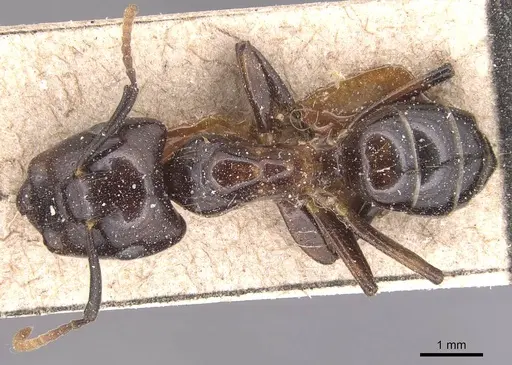
CASENT0905803
Lihat di AntWeb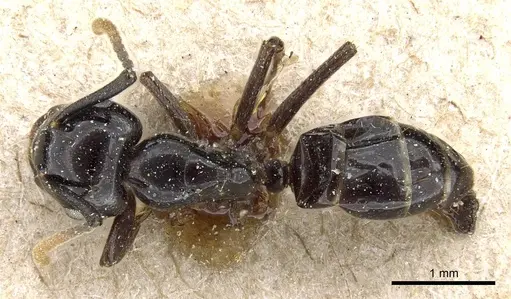
Literatur
Memuat peta distribusi...Memuat produk...