
Azteca tachigaliae
- Nama Ilmiah
- Azteca tachigaliae
- Tribe
- Leptomyrmecini
- Subfamili
- Dolichoderinae
- Penulis
- Forel, 1904
- Distribusi
- Ditemukan di 0 negara
Pendahuluan
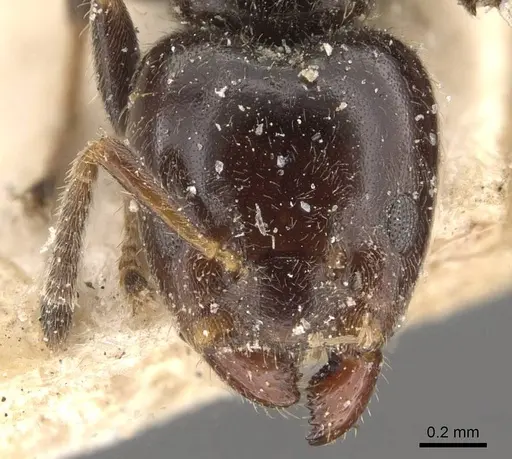
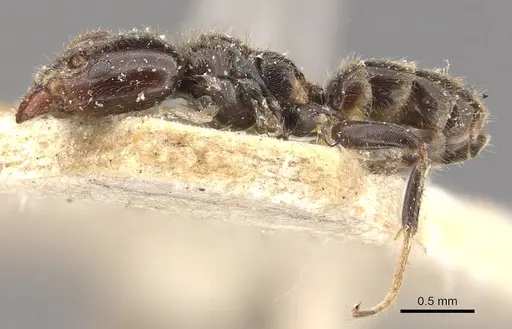
Azteca tachigaliae is a Neotropical ant species in the Dolichoderinae subfamily. Workers have the slender build and relatively long legs typical of the genus Azteca. This species is known only from Peru, specifically from the type locality of Cerro de Escaler . The genus Azteca is well-known for often forming associations with plants, where ants benefit from shelter while plants receive protection from herbivores. This species remains poorly documented in scientific literature, with limited information available beyond its original description and regional distribution records.
Quick Summary
- Difficulty: Unknown
- Origin & Habitat: Known only from Peru in the Neotropical region. The type locality is Cerro de Escaler [1]. As a tropical species, it likely inhabits humid forest environments.
- Colony Type: Colony structure is unconfirmed. The genus Azteca includes both single-queen and multi-queen species, but the specific colony structure of Azteca tachigaliae has not been documented.
- Size & Growth:
- Queen: Size data unavailable, no specific measurements exist for this species. Based on typical Azteca genus dimensions, queens likely fall in the 7-9mm range [2]
- Worker: Size data unavailable, no specific measurements exist for this species. Based on typical Azteca genus dimensions, workers likely fall in the 3-6mm range [2]
- Colony: Unknown, no colony size data available for this species
- Growth: Unknown, no development data available for this species
- Development: Timeline unconfirmed, likely several months based on typical Dolichoderinae development in tropical conditions (Development timeline is not directly studied for this species. Estimates based on related species may not be accurate.)
- Antkeeping:
- Temperature: As a Peruvian tropical species, keep in the warm range around 24-28°C. A slight gradient allowing cooler areas around 22°C is recommended. Avoid temperatures below 20°C for extended periods.
- Humidity: Tropical species requiring moderate to high humidity. Keep the nest substrate consistently moist but not waterlogged.
- Diapause: No, this is a tropical species that does not require hibernation. Maintain warm conditions year-round.
- Nesting: In captivity, Azteca species do well in Y-tong (AAC) nests, plaster nests, or naturalistic setups with soil and plant material. They often prefer vertical or tilted orientations, reflecting their natural arboreal habits. Provide materials like cork, bamboo, or plant stems for them to adopt as nesting sites.
- Behavior: Azteca ants are generally active foragers with well-developed chemical communication. Workers are typically alert and responsive to disturbances. This species lacks a functional sting, like other Dolichoderinae, it defends using chemical secretions from a slit-like opening at the tip of the abdomen. Escape prevention should be taken seriously as workers are agile and can find small gaps. As tropical ants, they remain active year-round when kept warm.
- Common Issues: Limited species-specific information makes precise care recommendations difficult, keepers should monitor colony response and adjust accordingly., Tropical humidity requirements can lead to mold issues if ventilation is inadequate., Wild-caught colonies may have parasites or diseases that are difficult to treat in captivity., As arboreal nesters, they may struggle in horizontal-only test tube setups, provide vertical or tilted nesting options., Colony founding can be challenging as queen behavior and requirements are not documented for this species.
Species Background and Distribution
Azteca tachigaliae was described by Forel in 1904 based on worker specimens collected from Cerro de Escaler in Peru. The species remains known only from this single locality in the Neotropical region [1]. The genus Azteca contains numerous species distributed throughout Central and South America, with many species showing associations with specific plant species. While Azteca tachigaliae's specific ecological associations are not documented, other Azteca species are known to nest in hollow stems, dead twigs, and tree cavities, particularly in humid forest environments.
Housing and Nest Preferences
Based on typical Azteca genus behavior, this species should do well in setups that mimic their natural arboreal nesting preferences. Y-tong (AAC) nests, plaster nests, or naturalistic terrarium setups work well. Provide the colony with access to vertical or tilted spaces, as Azteca species often prefer to nest in elevated positions. Include materials like cork, bamboo sections, or hollow twigs that the ants can adopt as nesting sites. The nest should retain moisture well while still allowing for adequate ventilation to prevent mold.
Feeding and Nutrition
Azteca species are omnivorous, typically feeding on nectar, honeydew from aphids and scale insects, and small insects. In captivity, offer a varied diet including sugar water or honey as an energy source, and protein-rich foods like small crickets, mealworms, or other insects. Feed protein sources several times per week, and keep sugar water available at all times. Remove uneaten prey after 24-48 hours to prevent mold. Since this species is not well-documented, observe your colony's preferences and adjust feeding accordingly.
Temperature and Seasonal Care
As a species from Peru, Azteca tachigaliae requires warm conditions year-round. Maintain temperatures between 24-28°C, with a slight gradient allowing workers to self-regulate their preferred temperature. Avoid temperatures below 20°C as prolonged cold exposure can weaken or kill colonies. No hibernation or diapause is required or recommended, this is a tropical species that expects consistent warmth throughout the year. Room temperature within the recommended range is acceptable, but you may need a heating cable or mat in cooler environments.
Colony Establishment and Growth
The founding behavior of Azteca tachigaliae has not been directly documented. Based on typical Dolichoderinae patterns, the queen likely establishes a claustral colony by sealing herself in a small chamber and raising the first brood using stored fat reserves until nanitic workers emerge. Colonies should be given privacy during the founding stage and disturbed as little as possible. Once workers emerge, the colony can be transitioned to a proper nest setup if founded in a test tube. Growth rate will depend on food availability and environmental conditions.
Frequently Asked Questions
How long does it take for Azteca tachigaliae to produce first workers?
The exact timeline is not documented for this species. Based on typical Dolichoderinae development in tropical conditions, expect several months from egg to first worker. This is an estimate, actual timing may vary significantly.
What temperature do Azteca tachigaliae ants need?
Keep them warm at 24-28°C. As a Peruvian tropical species, they do not tolerate cool conditions. Room temperature within this range is ideal, or use a heating cable on one side of the nest to create a gradient.
Do Azteca tachigaliae ants need hibernation?
No. This is a tropical species from Peru that does not require hibernation or winter cooling. Maintain warm conditions year-round.
What do Azteca tachigaliae ants eat?
Based on typical Azteca diet, offer sugar water or honey as an energy source, and small insects like crickets or mealworms for protein. Feed protein several times per week and keep sugar water available constantly.
How big do Azteca tachigaliae colonies get?
Colony size is not documented for this specific species. Based on the genus, colonies may reach hundreds to potentially thousands of workers over time.
Can I keep multiple Azteca tachigaliae queens together?
The colony structure of this species is not documented. While some Azteca species are multi-queen, others maintain single-queen colonies. Without specific data, combining unrelated queens is not recommended.
What size are Azteca tachigaliae workers?
Worker size is not specifically documented. Based on typical Azteca dimensions, workers are estimated at 3-6mm [2].
Are Azteca tachigaliae good for beginners?
This species is not recommended for beginners due to limited species-specific care information. The lack of documented care requirements means keepers must rely on genus-level inferences, which may not perfectly match this species' needs. Consider starting with better-documented species before attempting Azteca tachigaliae.
What type of nest should I use for Azteca tachigaliae?
Use nests that retain moisture well and provide vertical or tilted options, reflecting their arboreal nature. Y-tong (AAC) nests, plaster nests, or naturalistic setups with soil and plant material work well. Include materials like cork or bamboo sections for them to adopt as nesting sites.
Where is Azteca tachigaliae found in the wild?
This species is known only from Peru, specifically from the Cerro de Escaler location. It is a Neotropical species likely found in humid forest environments typical of the genus.
Why is my Azteca tachigaliae colony not growing?
Without species-specific data, potential issues include: temperature too low (keep above 24°C), humidity inadequate (keep substrate moist but not waterlogged), insufficient protein in diet, or stress from disturbance. Review conditions and adjust gradually. Wild-caught colonies may also carry parasites or diseases that affect growth.
Report an Issue
The current care sheet is based fully on literature. See inconsistencies, or something that's incorrect? Please , it will be resolved after review from an admin. Contributing to the blogs tab also helps providing information, to make us be able to further improve the caresheets. Thank you for your support!
References

Lembar perawatan ini dilisensikan di bawah CC BY-SA 4.0 .
Blog Komunitas
CASENT0909675
Lihat di AntWeb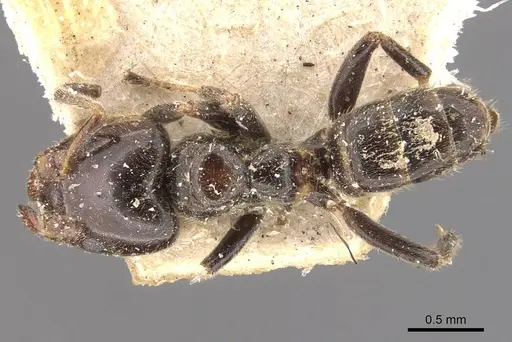
Literatur
Memuat peta distribusi...Memuat produk...