
Aphaenogaster sahafina
- Nama Ilmiah
- Aphaenogaster sahafina
- Tribe
- Stenammini
- Subfamili
- Myrmicinae
- Penulis
- Csősz & Fisher, 2021
- Distribusi
- Ditemukan di 0 negara
Pendahuluan
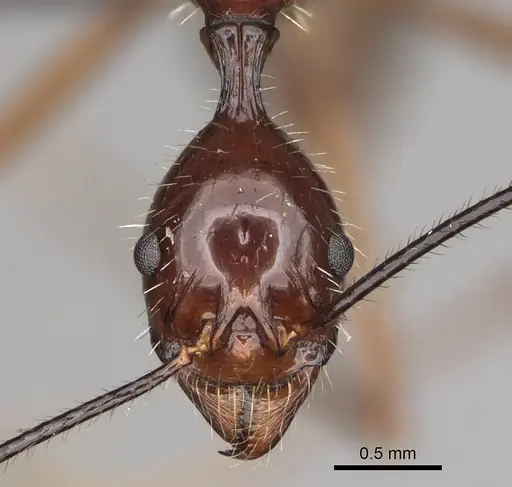
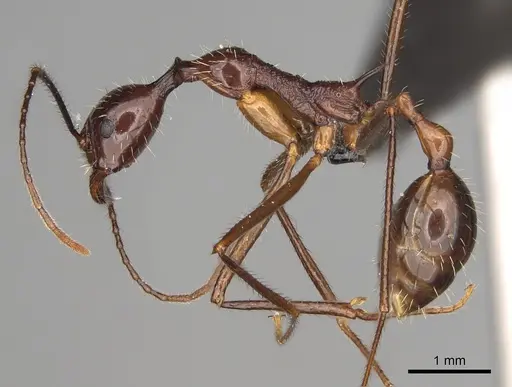
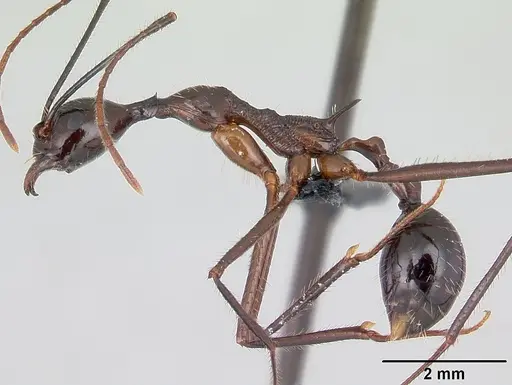
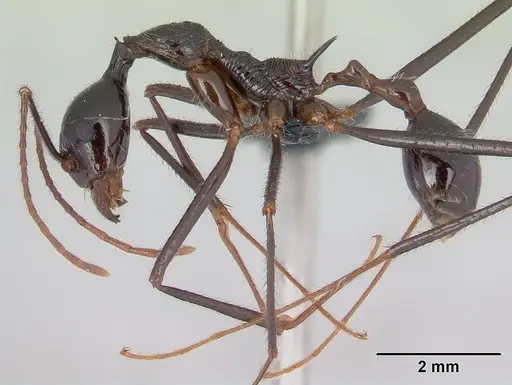
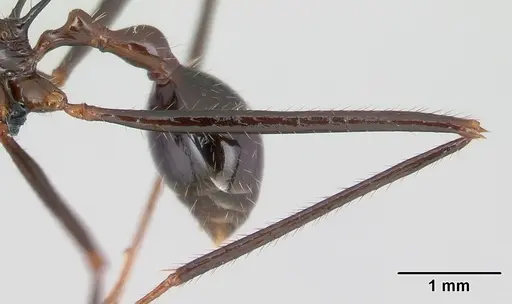
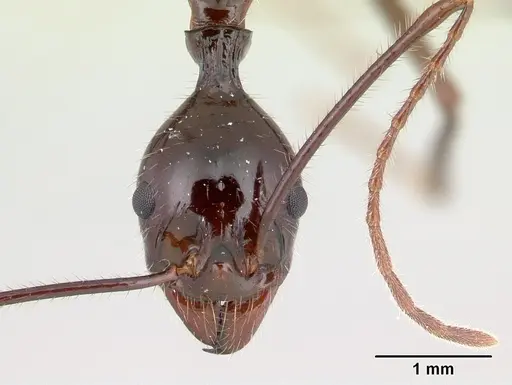
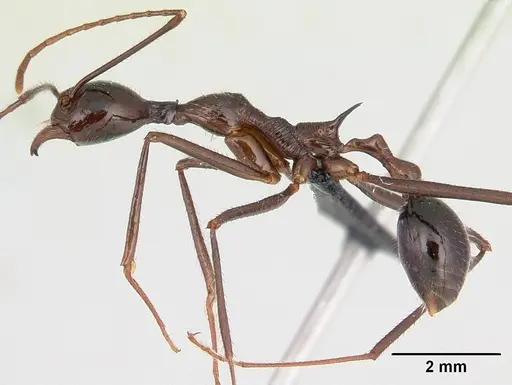
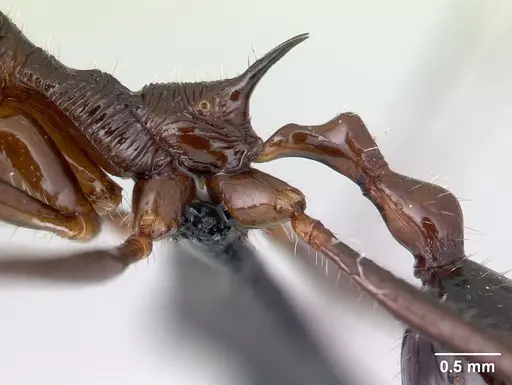
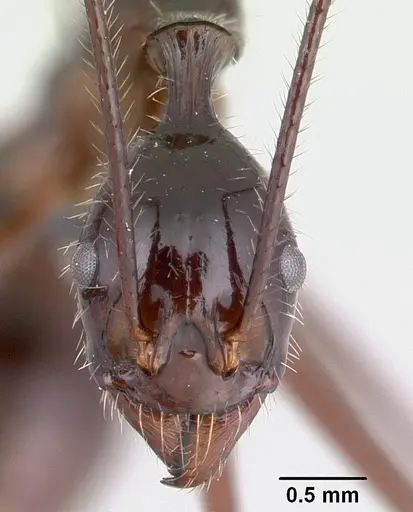
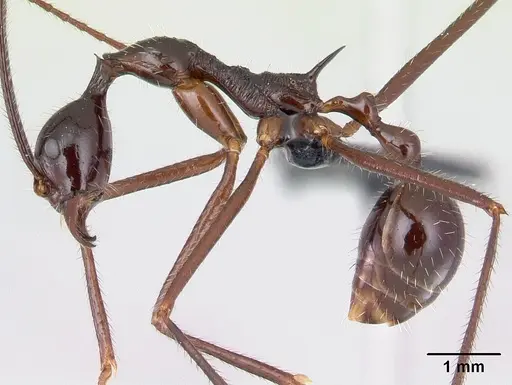
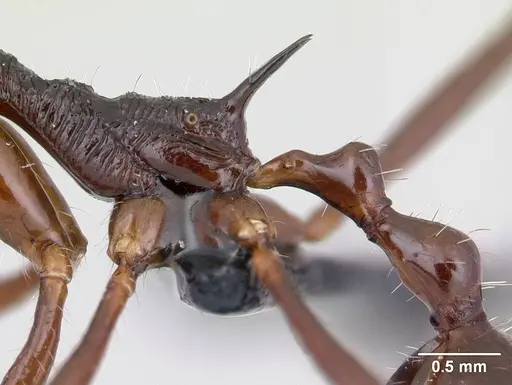
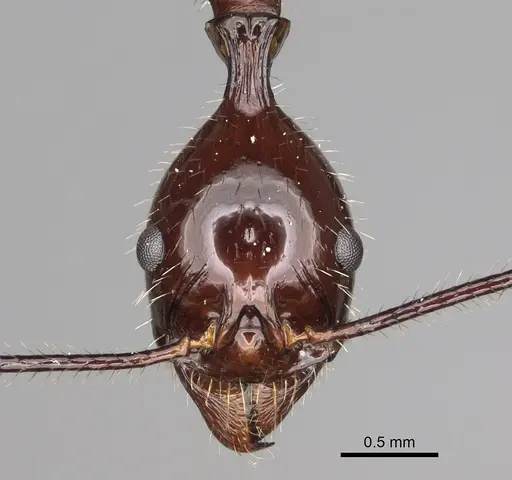
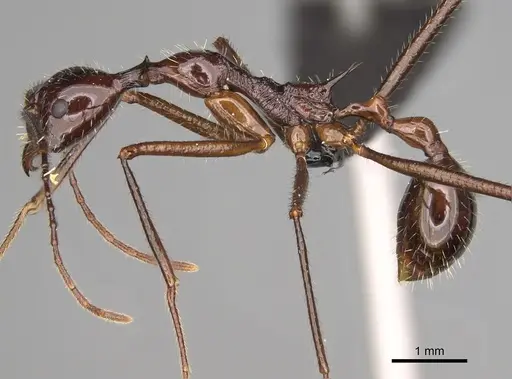
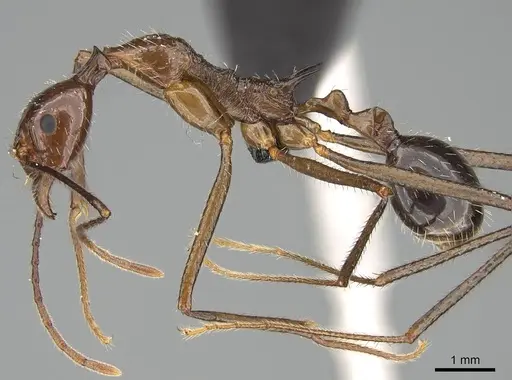
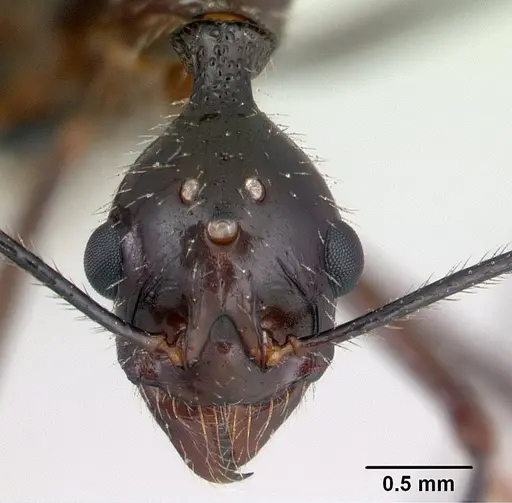
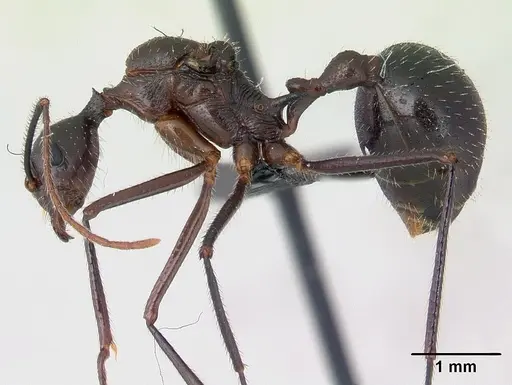
Aphaenogaster sahafina is a recently described ant species from Madagascar, formally identified in 2021. Workers belong to the swammerdami species group and are small to medium-sized for the genus. These ants inhabit the Sahafina forest near Brickaville in Toamasina province, living in tropical lowland forest at approximately 140 meters elevation [AntWiki]. A remarkable feature of this species is that several Camponotus species have evolved to mimic their appearance and behavior. Camponotus imitator, Camponotus jodina, Camponotus karaha, and Camponotus longicollis all mimic A. sahafina and are frequently observed foraging alongside them in the wild, though the evolutionary benefit of this mimicry remains unstudied [AntWiki]. This suggests A. sahafina may be a dominant or well-protected species in its ecosystem. The species belongs to the tropical Deromyrma clade, genetically distinct from European Aphaenogaster species .
Quick Summary
- Difficulty: Medium
- Origin & Habitat: Endemic to Madagascar, specifically the Sahafina forest near Brickaville in Toamasina province. Found in tropical lowland forest at 140 meters elevation [1].
- Colony Type: Colony structure is unconfirmed. No documented data on queen number or colony organization exists for this species.
- Size & Growth:
- Queen: Size data unavailable, no specific measurements exist for this recently described species. Related Aphaenogaster species in the genus typically range from 6-9mm.
- Worker: Size data unavailable, no specific measurements exist for this recently described species. Related Aphaenogaster species in the genus typically range from 3-6mm.
- Colony: Maximum colony size is unknown. Similar Aphaenogaster species can reach several hundred to several thousand workers.
- Growth: Growth rate is unconfirmed
- Development: Development timeline is unconfirmed for this species. Related tropical Aphaenogaster species typically require 6-10 weeks at warm temperatures. (No species-specific data exists. Timing may vary significantly from related species.)
- Antkeeping:
- Temperature: Keep at 24-28°C based on tropical lowland habitat. Provide a temperature gradient allowing ants to self-regulate.
- Humidity: High humidity required, maintain moist nest substrate. Keep material damp but not waterlogged.
- Diapause: Unlikely required. As a tropical species from Madagascar, they probably remain active year-round without hibernation.
- Nesting: In nature, they nest in soil and rotting wood on the forest floor. In captivity, use Y-tong (AAC), plaster, or naturalistic setups with moist substrate.
- Behavior: Active foragers that scavenge for seeds and small insects. Workers are generally peaceful but require excellent escape prevention due to their small size and climbing ability.
- Common Issues: founding behavior is unconfirmed, do not assume semi-claustral or claustral without evidence, monitor queen behavior closely., small worker size combined with climbing ability creates high escape risk, use fine mesh and Fluon barriers., tropical humidity requirements mean they dry out quickly if substrate moisture is neglected., limited captive data means optimal care parameters are uncertain, observe colony response and adjust as needed., this is a recently described species with no established captive breeding history, obtaining may be difficult.
Natural History and Distribution
Aphaenogaster sahafina is endemic to Madagascar and known only from the Sahafina forest near Brickaville in Toamasina province [1]. The type specimens were collected at 140 meters elevation in December 2007, confirming they inhabit lowland tropical forest [1]. They belong to the swammerdami species group within the tropical Deromyrma clade, making them genetically distinct from European Aphaenogaster species [2].
In their forest habitat, they share space with several Camponotus species that mimic their appearance and behavior. These mimics include Camponotus imitator, Camponotus jodina, Camponotus karaha, and Colobopsis longicollis, which are frequently observed foraging alongside A. sahafina workers [1]. The exact benefit of this mimicry to the Camponotus ants remains unstudied, but it suggests A. sahafina is a dominant or well-protected species in its ecosystem.
Colony Founding
Founding behavior is unconfirmed for this species. No documented observations exist whether queens are claustral (seal themselves away and survive on body fat) or semi-claustral (must forage during founding).
If your queen appears active and leaves her founding chamber to search for food, she is likely semi-claustral and will need regular feeding. If she seals herself away and remains inactive, she may be claustral. Offer small prey items like fruit flies, tiny mealworm pieces, or sugar water droplets every few days until you clarify her behavior. Monitor closely, starvation is a common cause of founding failure when keepers assume claustral behavior for a semi-claustral species.
Housing and Nest Requirements
In nature, these ants nest in soil and rotting wood on the forest floor [1]. For captive colonies, replicate these conditions with a nest that maintains moisture. Y-tong (aerated concrete) nests work well, as do plaster nests or naturalistic setups with soil and wood.
Because they come from tropical forests, they need consistent humidity. The nest material should feel damp to the touch but not have standing water. Provide a hydration chamber or water tower that allows you to add moisture without flooding the nest.
Aphaenogaster are skilled climbers. Combine their small size with climbing ability and you have an escape risk. Use Fluon on the upper walls of their outworld, or ensure lids have extremely fine mesh ventilation that they cannot squeeze through.
Temperature and Humidity
As a tropical lowland species, Aphaenogaster sahafina needs warmth. Aim for 24-28°C in the nest area. You can achieve this with a heating cable or heat mat placed on one side of the nest to create a gradient, allowing the ants to choose their preferred temperature.
Humidity should stay high, think tropical forest floor, not dry room air. Maintain substrate moisture at levels where the material feels damp but not soggy. If you see condensation on the nest walls, you may be too wet. If the ants cluster around water sources, you are likely too dry.
Because they come from a warm climate, they probably do not need a winter hibernation (diapause). Keep them at stable tropical temperatures year-round. If you notice the colony slowing down or brood development stopping, check your temperatures first. [1]
Feeding and Diet
Aphaenogaster species are generally omnivorous scavengers. They collect seeds, hunt small insects, and tend sap-sucking insects for honeydew. In captivity, offer a varied diet.
Provide protein in the form of small insects: fruit flies, springtails, tiny mealworm pieces, or pre-killed crickets chopped to size. Also offer carbohydrates, sugar water, honey water, or ant nectar. Some Aphaenogaster species store seeds in their nests, so you can experiment with small grass seeds or millet, though acceptance is not guaranteed for this particular species.
Because founding behavior is unconfirmed, offer your new queen tiny amounts of food every few days and observe her response. If she actively hunts and consumes food, continue feeding. Once workers arrive, feed the colony small amounts twice weekly, removing uneaten food before it molds.
Frequently Asked Questions
Can I keep Aphaenogaster sahafina in a test tube?
Yes, but with modifications. Since founding behavior is unconfirmed, monitor whether the queen needs access to food. Use a test tube setup with a small outworld attached, or open the tube every few days to offer food. Do not assume she will seal herself away like a claustral species, if she appears active and foraging, she will need regular feeding.
How long until first workers for Aphaenogaster sahafina?
The exact timeline is unknown. Based on related tropical Aphaenogaster species, expect roughly 6-10 weeks at 25-28°C. Cooler temperatures will slow development significantly. This is an estimate only, no species-specific data exists.
Do Aphaenogaster sahafina need hibernation?
Probably not. As a tropical Madagascar species, they likely remain active year-round. Keep them at stable warm temperatures (24-28°C) throughout the year. If you keep them too cool, they may slow down or die rather than enter a healthy hibernation.
What do Aphaenogaster sahafina eat?
They are likely omnivorous scavengers like other Aphaenogaster species. Offer small insects like fruit flies, springtails, and mealworm pieces for protein. Provide sugar water or honey water for carbohydrates. Some Aphaenogaster species collect seeds, so you can try offering small seeds, though acceptance varies by species.
Are Aphaenogaster sahafina good for beginners?
They are medium difficulty. The main challenge is that this is a recently described species with no established captive care history. You will need to experiment with care parameters and monitor colony response closely. The lack of documented husbandry makes them more suitable for experienced antkeepers who can adapt as needed.
How big do Aphaenogaster sahafina colonies get?
The maximum colony size is unknown. Similar Aphaenogaster species typically reach a few hundred to several thousand workers. Do not expect supercolony sizes like some invasive species.
Do Aphaenogaster sahafina queens need to be fed during founding?
Founding behavior is unconfirmed. Monitor your queen's activity, if she appears active and leaves her chamber to search for food, she likely needs regular feeding. If she seals herself away and remains inactive, she may be claustral. When in doubt, offer small food items and observe her response.
Can I keep multiple Aphaenogaster sahafina queens together?
Not recommended. No documentation exists for this species regarding multiple-queen founding (pleometrosis) or colony structure. Most Aphaenogaster species are single-queen, and combining queens typically results in fighting. Without specific data, assume single-queen colonies.
Report an Issue
The current care sheet is based fully on literature. See inconsistencies, or something that's incorrect? Please , it will be resolved after review from an admin. Contributing to the blogs tab also helps providing information, to make us be able to further improve the caresheets. Thank you for your support!
References

Lembar perawatan ini dilisensikan di bawah CC BY-SA 4.0 .
Blog Komunitas
CASENT0012695
Lihat di AntWeb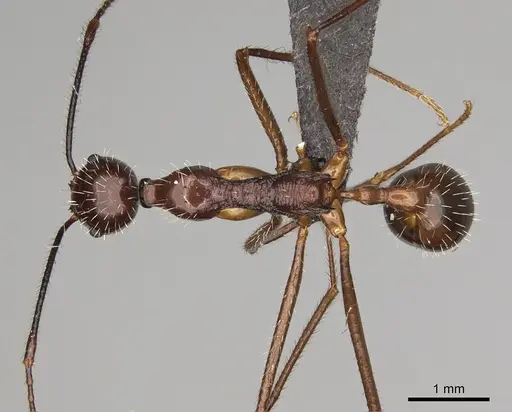
CASENT0012696
Lihat di AntWeb
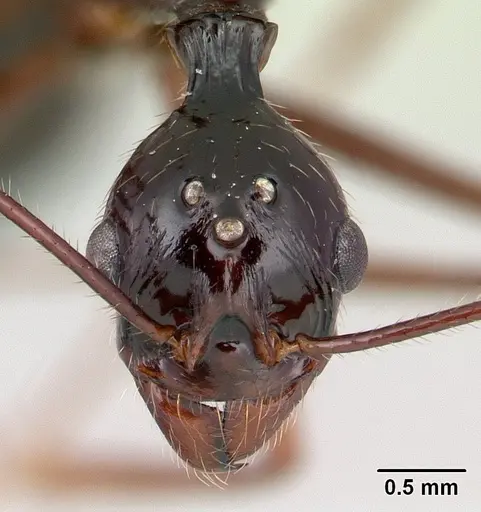
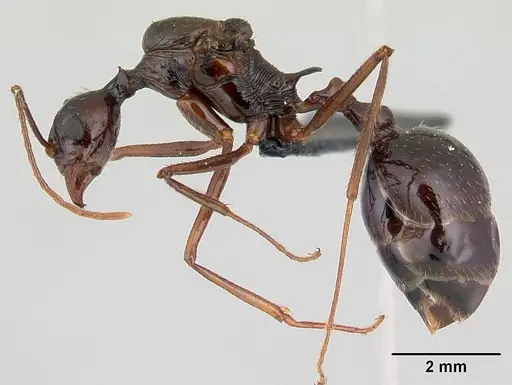
CASENT0060017
Lihat di AntWeb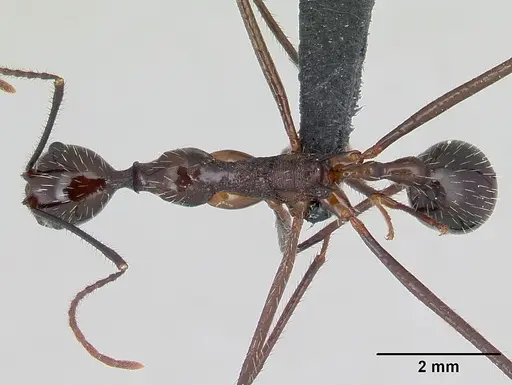
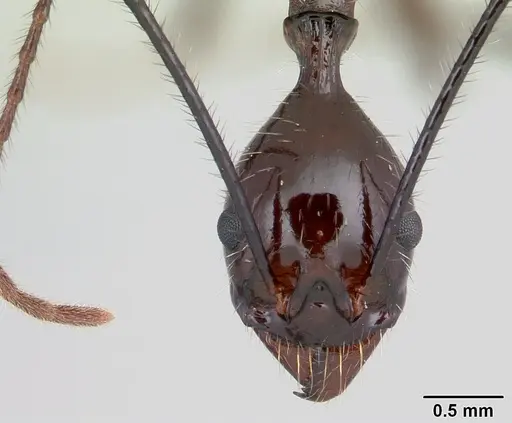
CASENT0067121
Lihat di AntWeb
CASENT0067124
Lihat di AntWeb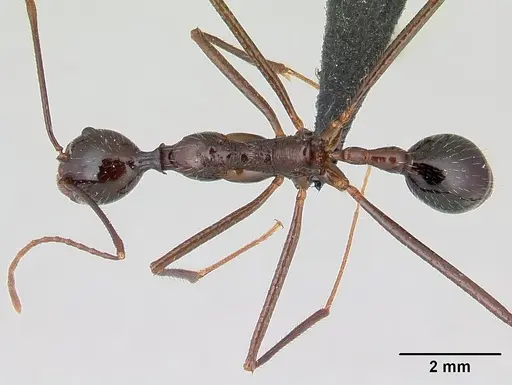
CASENT0094651
Lihat di AntWeb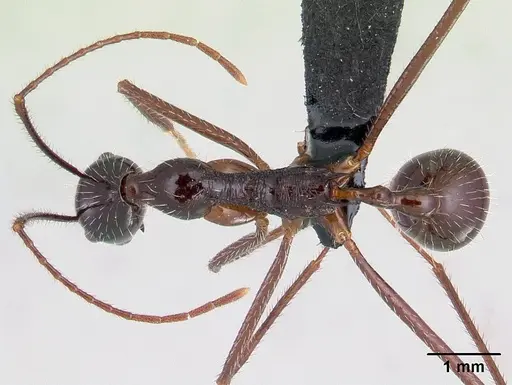
CASENT0132231
Lihat di AntWeb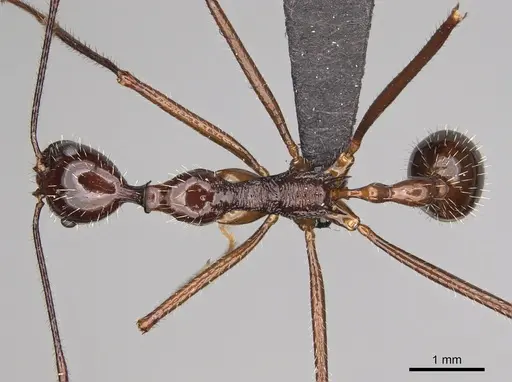
CASENT0132233
Lihat di AntWeb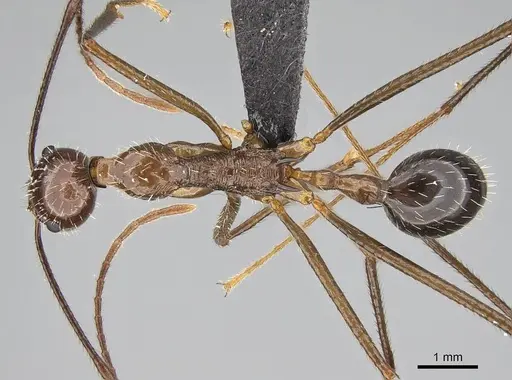
CASENT0132239
Lihat di AntWeb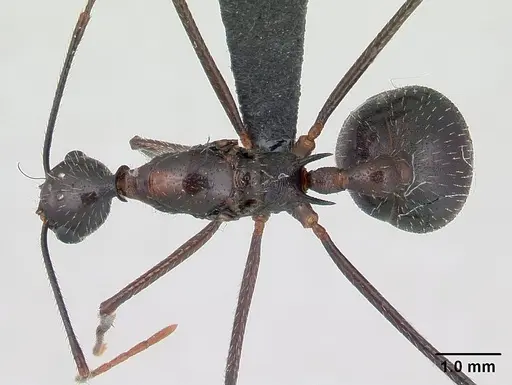
Literatur
Memuat peta distribusi...Memuat produk...