
Aenictus rougieri
- Nama Ilmiah
- Aenictus rougieri
- Subfamili
- Dorylinae
- Penulis
- André, 1893
- Distribusi
- Ditemukan di 0 negara
Pendahuluan
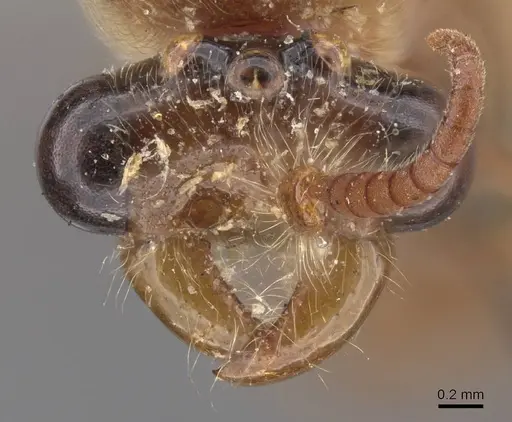
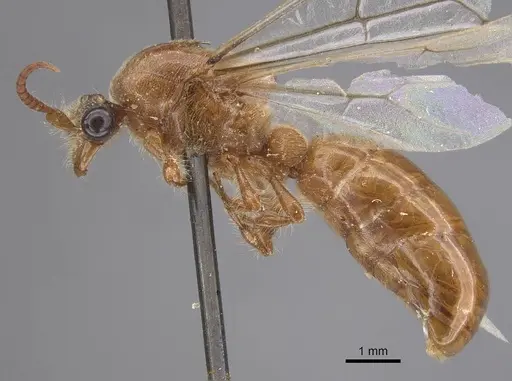
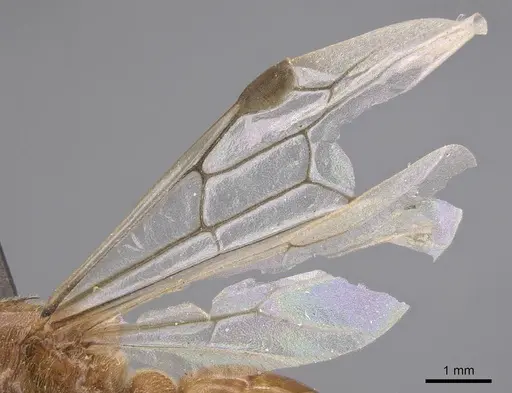
Aenictus rougieri is an army ant known only from a single male specimen collected in Tunis, Tunisia and described by Emery in 1895 . No workers, queens, or colonies have ever been documented scientifically. This species remains one of the most poorly known ants in existence, with virtually all aspects of its biology remaining a mystery. The complete absence of any documented workers or queens means this species cannot be kept in captivity. Even related army ants with documented biology are extremely difficult to maintain, requiring massive colonies and constant access to live prey.
Quick Summary
- Difficulty: Expert
- Origin & Habitat: Tunisia, known only from a single male collected in Tunis [1]. Natural habitat details are unknown.
- Colony Type: Unknown. No colony or queen has ever been documented.
- Size & Growth:
- Queen: Unknown, no queen has ever been described
- Worker: Unknown, no worker has ever been described
- Colony: Unknown
- Growth: Unknown
- Development: Unknown (No development data exists for this species.)
- Antkeeping:
- Temperature: Unknown. Based on Tunisian origin, likely prefers warm conditions, but no specific data exists.
- Humidity: Unknown
- Diapause: Unknown. Tunisia has mild winters, so diapause requirements are unclear.
- Nesting: Unknown. Army ants typically do not build permanent nests but form temporary bivouacs.
- Behavior: Unknown. Based on Aenictus genus patterns, likely nomadic and predatory, but this is unconfirmed for this species.
- Common Issues: no workers or queens have ever been documented., army ant biology requires massive colonies and constant prey inputs that cannot be provided in captivity., nomadic lifestyle is incompatible with standard nest setups., extreme escape risk due to small size and persistent foraging behavior if workers are similar to related species.
Historical Description
Emery described this species in 1895 based on a single male specimen collected in Tunis, Tunisia [1]. No scientists have documented workers, queens, or colonies since that initial description. The species has effectively disappeared from scientific literature for over a century.
Army Ant Biology
Aenictus is a genus of army ants known for their nomadic, predatory lifestyle. Based on patterns from related species, colonies likely contain thousands of workers that raid other ant colonies and termite colonies for food. Unlike most ants, army ants do not build permanent nests, they form temporary shelters called bivouacs and move regularly. This lifestyle requires enormous food inputs and space that cannot be replicated in captivity [2].
Captive Keeping Feasibility
Do not attempt to keep this species. Even army ant species with fully documented biology are extremely difficult to maintain in captivity. They require huge colonies, consume enormous amounts of live prey daily, and need extensive roaming space. Standard ant farms, test tubes, and formicaria cannot meet these biological requirements. No keeper could sustain a colony long-term. [2]
Frequently Asked Questions
Can I keep Aenictus rougieri in captivity?
No. This species is effectively impossible to keep in captivity. No workers or queens have ever been documented, so no care information exists. Even documented army ant species require massive colonies, constant live prey, and huge roaming areas that home setups cannot provide.
Where does Aenictus rougieri come from?
Tunisia. The only known specimen was collected in Tunis and described in 1895 [1].
What do Aenictus rougieri eat?
Unknown for this species. Based on Aenictus genus patterns, they are specialized predators that raid other ant colonies and termite colonies.
How big do Aenictus rougieri workers get?
Unknown. Workers have never been described for this species. The only known specimen is a male [1].
Do Aenictus rougieri need hibernation?
Unknown. Tunisia has mild Mediterranean winters, so any diapause requirements would likely be minimal if present at all.
Are Aenictus rougieri dangerous?
Unknown. Related army ants can deliver painful bites, but this species has not been studied enough to confirm any danger to humans.
How long is the egg to worker timeline for Aenictus rougieri?
Unknown. No development data exists for this species.
Can I keep multiple Aenictus rougieri queens together?
Unknown. The colony structure is completely unconfirmed. No queen has ever been documented for this species.
What is the best nest type for Aenictus rougieri?
Unknown. Army ants do not use permanent nests, so standard formicaria are unsuitable. However, no workers have ever been documented, making any housing attempt pointless.
Are Aenictus rougieri good for beginners?
No. This species is completely unsuitable for keepers of any experience level. No care information exists, and no workers or queens have ever been documented.
Report an Issue
The current care sheet is based fully on literature. See inconsistencies, or something that's incorrect? Please , it will be resolved after review from an admin. Contributing to the blogs tab also helps providing information, to make us be able to further improve the caresheets. Thank you for your support!
References

Lembar perawatan ini dilisensikan di bawah CC BY-SA 4.0 .
Blog Komunitas
CASENT0915328
Lihat di AntWeb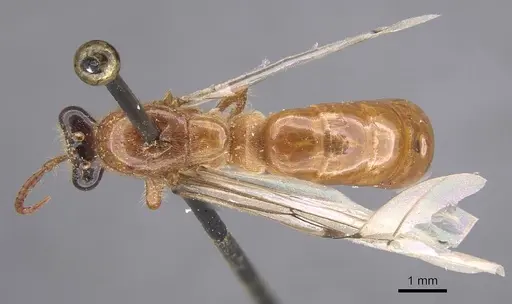
Literatur
Memuat peta distribusi...Memuat produk...