
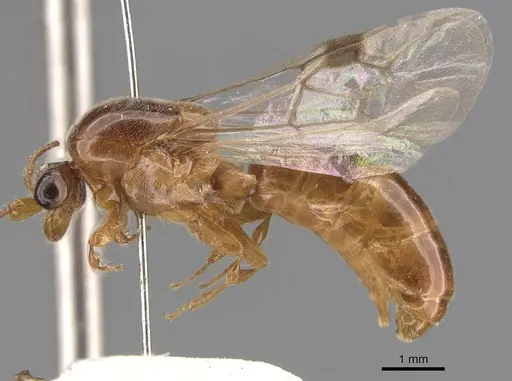
Aenictus clavitibia
- Nama Ilmiah
- Aenictus clavitibia
- Subfamili
- Dorylinae
- Penulis
- Forel, 1901
- Distribusi
- Ditemukan di 0 negara
Pendahuluan
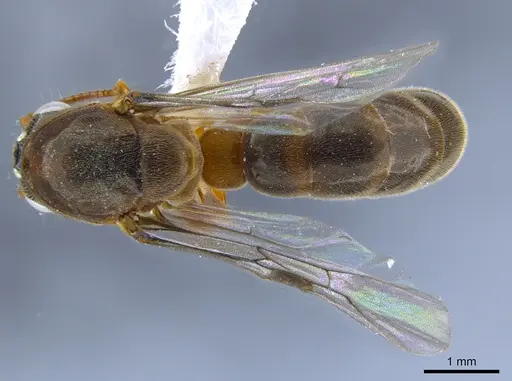
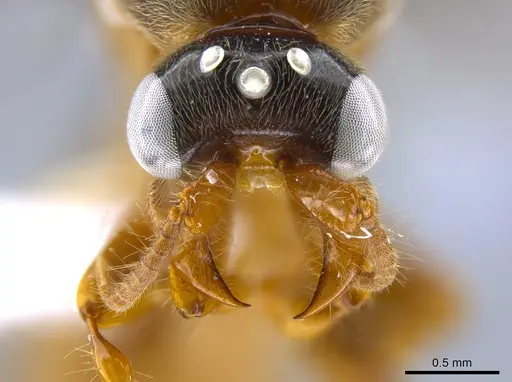
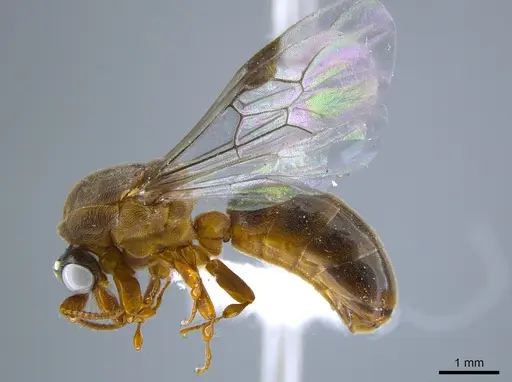
Aenictus clavitibia is a small army ant species native to the Indian subcontinent, recorded from Bangladesh and India (West Bengal, Arunachal Pradesh, Sikkim) . These ants belong to the subfamily Dorylinae, the Old World army ants known for their nomadic lifestyle and specialized predatory behavior. This species presents extreme challenges for captive keeping. Like other Aenictus army ants, they require massive amounts of live prey and specialized housing that allows for constant colony movement. There are no established care reports for this species in the ant keeping hobby due to their biology making standard captivity virtually impossible.
Quick Summary
- Difficulty: Expert, Not recommended
- Origin & Habitat: India (West Bengal, Arunachal Pradesh, Sikkim) and Bangladesh [1][2][3]. They inhabit tropical forest habitats.
- Colony Type: Unconfirmed, colony structure data unavailable for this species
- Size & Growth:
- Queen: size data unavailable
- Worker: size data unavailable
- Colony: unknown, typical Aenictus colonies reach thousands of workers
- Growth: unknown
- Development: unknown (No development data available for this species.)
- Antkeeping:
- Temperature: Warm tropical conditions, estimated 25-28°C [3].
- Humidity: High humidity similar to tropical forest floor conditions [3].
- Diapause: No, tropical species does not require hibernation [1][2][3].
- Nesting: Not applicable to standard nests, requires specialized arena setups allowing nomadic movement [3].
- Behavior: Highly aggressive predatory ants that raid in columns for prey. They are constantly mobile and do not defend fixed territories [3]. Escape risk is extreme because these tiny workers can squeeze through the smallest gaps.
- Common Issues: nomadic behavior makes standard nests unsuitable., massive food requirements exceed most keepers' capabilities., tiny workers escape through small gaps., colony size reaches thousands of workers., lack of research leaves care requirements undocumented.
Natural History and Army Ant Biology
Aenictus clavitibia belongs to the army ant subfamily Dorylinae [3]. These ants are nomadic, meaning they do not build permanent nests. Instead, they form temporary living structures called bivouacs using their own bodies to protect the queen and brood [3]. The colony moves constantly to find new hunting grounds. They are specialized predators that raid other ant colonies and termite nests for food [3].
Housing Challenges
You cannot keep Aenictus clavitibia in standard test tubes, Y-tong nests, or acrylic formicaria. These ants need large, open arenas with deep substrate that allows them to form bivouacs and move freely [3]. You must make the enclosure escape-proof despite the workers' small size. You would need a specialized setup similar to those used for New World army ants (Eciton), with frequent cleaning and massive space requirements.
Feeding Requirements
Army ants are voracious predators. You must provide Aenictus clavitibia with large quantities of live prey, including other ants, termites, and small insects [3]. They do not accept sugar water or standard ant foods. The volume of prey required to sustain even a small colony would be substantial, making them impractical for most keepers.
Captive Feasibility
You are unlikely to succeed in keeping Aenictus clavitibia long-term. Successful captive colonies of Aenictus species are virtually unknown in the ant keeping hobby. The combination of nomadic behavior, massive food requirements, and enormous colony size makes them unsuitable for captivity [3]. You should observe these ants in the wild rather than attempting to collect them.
Frequently Asked Questions
Can I keep Aenictus clavitibia in a test tube?
No. These ants are nomadic army ants that cannot survive in the confined space of a test tube. You must provide large arenas with substrate to allow them to form temporary bivouacs [3].
How long until Aenictus clavitibia gets its first workers?
The egg-to-worker timeline is unknown for this species. Army ants generally have fast development, but specific timing has not been documented [3].
What do Aenictus clavitibia eat?
They are specialized predators that hunt other insects, particularly other ants and termites. You must provide live prey as they do not accept sugar sources [3].
Are Aenictus clavitibia good for beginners?
No. These are among the most challenging ants to keep and are not recommended for anyone except specialized researchers. They require expert-level knowledge and equipment [3].
How big do Aenictus clavitibia colonies get?
Specific colony size is unknown, but Aenictus colonies typically contain thousands of workers based on army ant biology [3].
Do Aenictus clavitibia need hibernation?
No, they are tropical ants from India and Bangladesh and do not require hibernation [1][2][3].
Can I keep multiple Aenictus clavitibia queens together?
This is unknown. Army ants typically have a single queen, and combining multiple queens has not been documented for this species [3].
Report an Issue
The current care sheet is based fully on literature. See inconsistencies, or something that's incorrect? Please , it will be resolved after review from an admin. Contributing to the blogs tab also helps providing information, to make us be able to further improve the caresheets. Thank you for your support!
References

Lembar perawatan ini dilisensikan di bawah CC BY-SA 4.0 .
Blog Komunitas
Literatur
Memuat peta distribusi...Memuat produk...