
Aenictus clavatus
- Nama Ilmiah
- Aenictus clavatus
- Subfamili
- Dorylinae
- Penulis
- Forel, 1901
- Distribusi
- Ditemukan di 0 negara
Pendahuluan
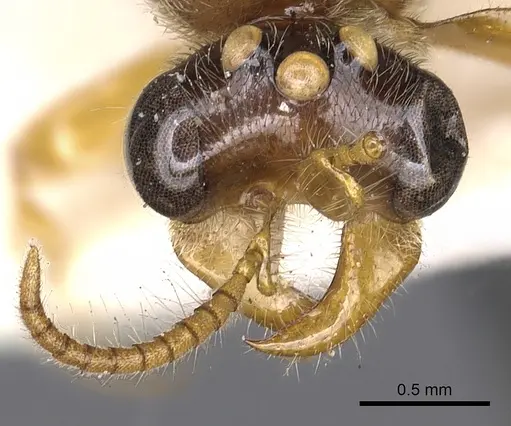
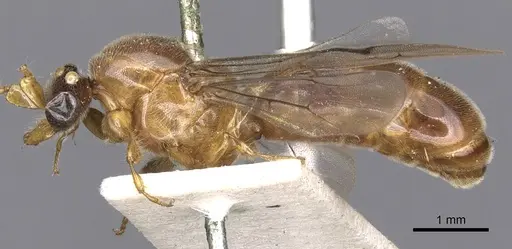
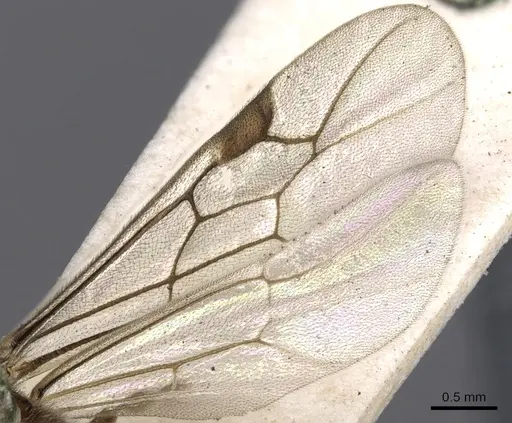
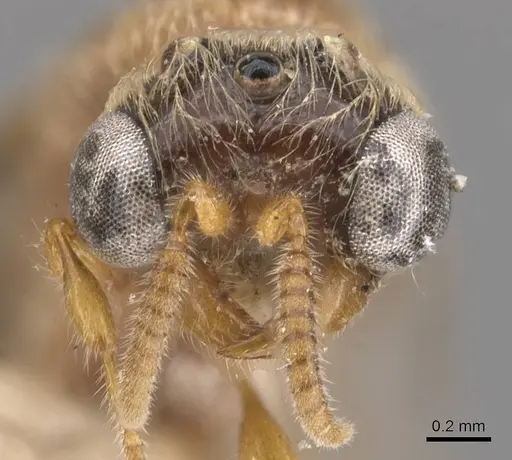
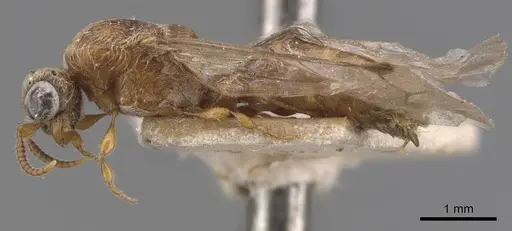
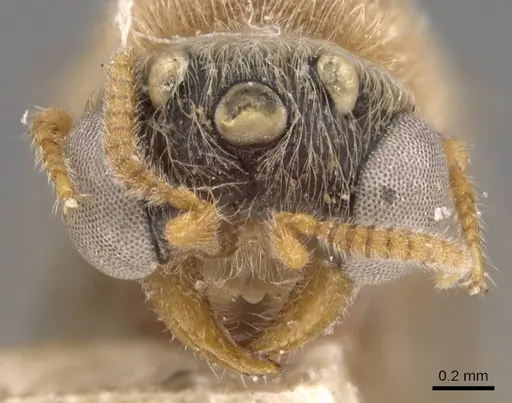
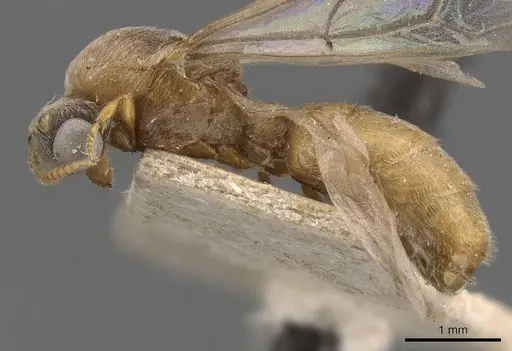
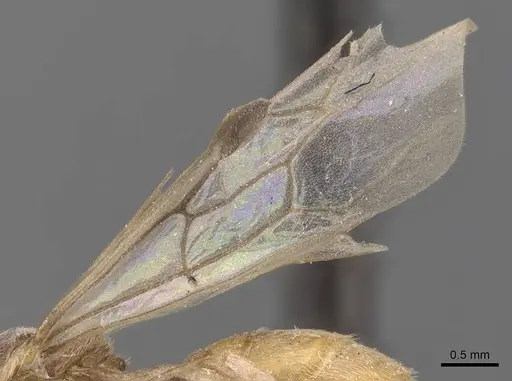
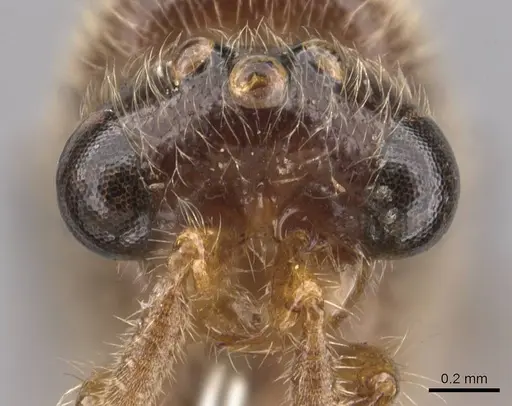
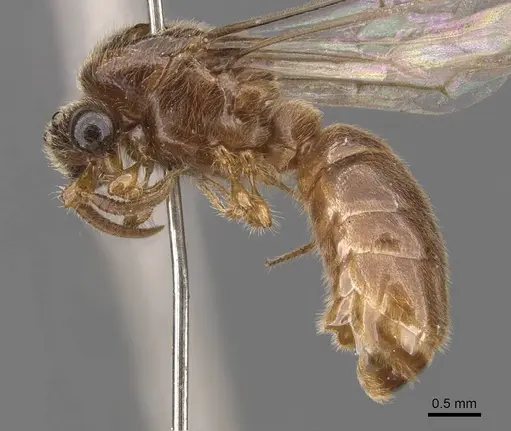
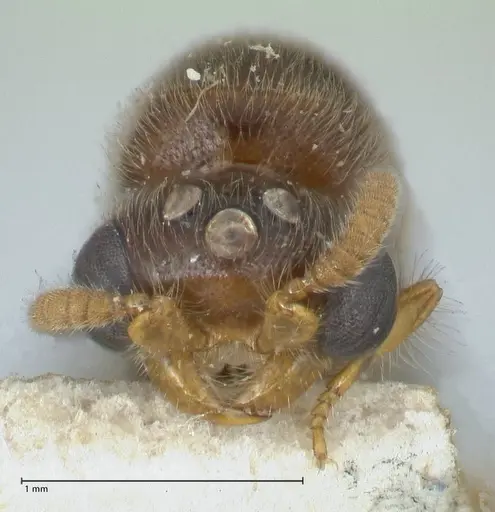
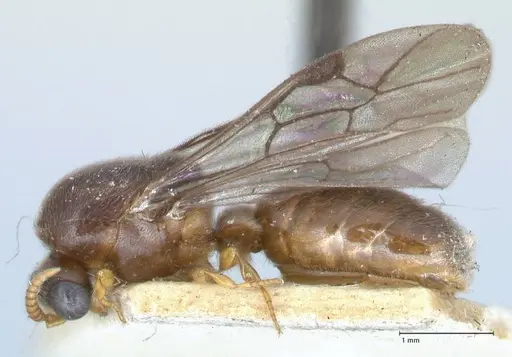
Aenictus clavatus is an army ant species native to India, recorded from states including Gujarat, Maharashtra, Karnataka, Sikkim, West Bengal, Assam, Arunachal Pradesh, Himachal Pradesh, Jammu & Kashmir, and Mizoram . The species was originally described by Forel in 1901 based on male specimens collected from Poona and Gujarat . Three subspecies are recognized: Aenictus clavatus atripennis, Aenictus clavatus kanariensis, and Aenictus clavatus sundaicus . Like all Aenictus species, these are specialized predators that hunt other ants and termites. Army ants have a nomadic lifestyle and do not establish permanent nests - instead they form temporary bivouacs. This makes them fundamentally incompatible with standard ant keeping practices .
Quick Summary
- Difficulty: Expert
- Origin & Habitat: India, recorded from Arunachal Pradesh, Assam, Gujarat, Himachal Pradesh, Jammu & Kashmir, Karnataka, Maharashtra, Mizoram, Sikkim, and West Bengal [1]. Found in tropical to subtropical forest habitats.
- Colony Type: Army ant colony structure, single permanently wingless queen per colony. Reproduction occurs through colony fission rather than nuptial flights. Based on genus-level knowledge [4].
- Size & Growth:
- Queen: Size data unavailable for this species. Aenictus queens are typically large and permanently wingless [4].
- Worker: Size data unavailable for this species. Estimated 2-4mm based on genus patterns [4].
- Colony: Likely thousands to tens of thousands based on genus patterns [4].
- Growth: Unknown
- Development: Unknown (Army ant colonies grow through fission rather than traditional founding.)
- Antkeeping:
- Temperature: Warm conditions around 24-28°C based on Indian distribution [1]. No hibernation required.
- Humidity: High humidity, tropical forest floor conditions.
- Diapause: No, tropical species does not hibernate.
- Nesting: Army ants form temporary bivouacs rather than permanent nests. Not compatible with standard ant keeping equipment [4].
- Behavior: Nomadic raiding behavior, workers hunt in massive columns through leaf litter and soil. Workers are blind and rely on pheromone trails. Predatory on other ants and termites [4].
- Common Issues: requires constant supply of live prey, unsustainable for most keepers., nomadic behavior means colony constantly moves, requires enormous enclosures., small worker size creates high escape risk., cannot be founded from single queen, must obtain established colony., incompatible with standard ant keeping equipment.
Army Ant Biology and Lifestyle
Aenictus clavatus belongs to the army ant genus Aenictus, Old World army ants that have evolved a nomadic lifestyle where the entire colony moves regularly to find new hunting grounds. Instead of building permanent nests, they form bivouacs, temporary living structures made by linking their bodies together to protect the queen and brood [4].
The queen is dichthadiiform, permanently wingless with a large, elongated body designed for continuous egg production. Unlike typical ant queens that fly out to mate and start new colonies alone, army ant queens stay with their colony and reproduction happens through fission, when the colony grows large enough, it splits in two with one half taking a new queen [4].
Workers are blind and rely on chemical signals to coordinate their raiding columns. They hunt primarily on the forest floor, overwhelming other ant colonies and termites through sheer numbers [4].
The Reality of Keeping Army Ants
Aenictus clavatus and other army ants cannot be maintained in standard ant keeping setups. While research institutions sometimes maintain army ant colonies for study, private keepers lack the resources to meet their basic needs [4].
The primary challenge is food. A colony of thousands of workers needs a constant supply of live prey, other ants, termites, or small insects, every single day. Army ants are specialized predators that need live food to trigger their hunting instincts. The quantity required would quickly become unsustainable.
Space is the second major challenge. Because the colony moves constantly, you would need an enormous enclosure to allow for their nomadic behavior. Standard test tubes, formicariums, or even large terrariums are inadequate [4].
Housing Requirements
Keeping these ants would require a massive interconnected system of chambers allowing for continuous movement. The enclosure would need to simulate tropical forest floor conditions with deep substrate for bivouac formation, while also providing open areas for raiding columns [4].
Escape prevention would be nearly impossible with standard methods. The workers are tiny and can squeeze through the smallest gaps. They would also require barriers that account for their climbing abilities and the massive numbers of foragers constantly moving through the colony.
Humidity would need to remain high throughout, mimicking the damp tropical forests of India where they naturally occur [1]. However, ventilation is also critical to prevent mold in such humid conditions.
Feeding and Diet
Aenictus clavatus are specialized predators that feed primarily on other ants and termites [4]. They do not accept sugar water, honey, or dead insects. Their hunting strategy involves sending out massive columns of workers that overwhelm prey through sheer numbers, then carrying back the booty to the bivouac.
In captivity, this would mean providing live ant colonies or termite colonies as food daily. The volume required to sustain even a modest army ant colony would be staggering, you would essentially need to maintain multiple prey colonies just to feed one predator colony.
If you are interested in predatory ants that are manageable, consider smaller species like Harpegnathos or Odontomachus, which can be fed individual insects and do not require the massive prey inputs of army ants [4].
Colony Reproduction
You cannot start an Aenictus clavatus colony by catching a queen and waiting for workers. Army ants reproduce through colony fission, when a healthy colony grows large enough, it splits into two groups, with one taking the old queen and the other taking a new queen that developed in the original colony [4].
This means the only way to obtain a colony is to collect an entire established bivouac from the wild, which would contain thousands of workers, the queen, and brood. Even then, maintaining this colony long-term presents the food and space challenges mentioned previously.
Nuptial flights do not occur in the traditional sense. Males are produced and leave to mate, but queens do not fly out to start new colonies [4].
Frequently Asked Questions
Can I keep Aenictus clavatus in a test tube?
No. Army ants cannot be kept in test tubes or standard formicariums. They require massive specialized enclosures with continuous foraging space and constant movement room. They are not compatible with standard ant keeping [4].
How do I start an Aenictus clavatus colony?
You cannot start one from a single queen. Army ants reproduce by colony fission, not by queens founding alone. You would need to collect an entire established colony from the wild, which is not recommended due to their specialized care requirements and the ecological impact of removing such colonies [4].
What do Aenictus clavatus eat?
They are specialized predators that eat other ants and termites. They require live prey and do not accept sugar water or dead insects. A colony would need massive amounts of live food daily, making them impractical for most keepers to sustain [4].
How big do Aenictus clavatus colonies get?
Exact numbers are unknown for this species, but Aenictus colonies typically range from thousands to tens of thousands of workers. They are large-colony ants that require significant space and food resources [4].
Are Aenictus clavatus dangerous?
They are not dangerous to humans due to their small size, but they are voracious predators of other insects and ants. They should never be released outside their native range in India as they could disrupt local ecosystems [1].
What temperature do Aenictus clavatus need?
Keep them warm, around 24-28°C, based on their distribution across tropical and subtropical regions of India. They do not require hibernation [1].
Can I keep multiple Aenictus clavatus queens together?
Army ants typically have only one queen per colony. They do not tolerate multiple queens in the same nest, and unrelated queens would fight. Colony reproduction happens by fission, not by adding new queens to existing colonies [4].
Report an Issue
The current care sheet is based fully on literature. See inconsistencies, or something that's incorrect? Please , it will be resolved after review from an admin. Contributing to the blogs tab also helps providing information, to make us be able to further improve the caresheets. Thank you for your support!
References

Lembar perawatan ini dilisensikan di bawah CC BY-SA 4.0 .
Blog Komunitas
CASENT0901982
Lihat di AntWeb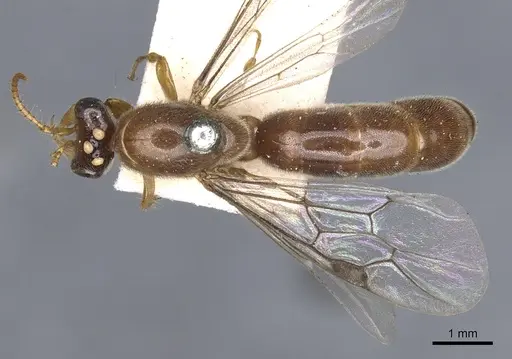
CASENT0905992
Lihat di AntWeb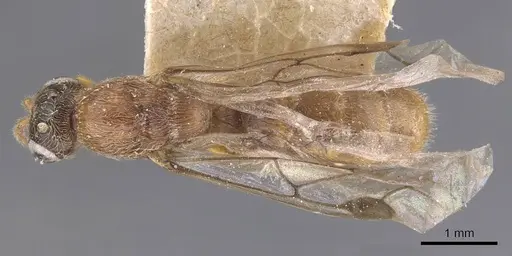
CASENT0905993
Lihat di AntWeb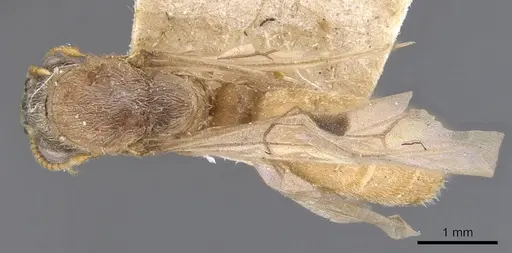
CASENT0905994
Lihat di AntWeb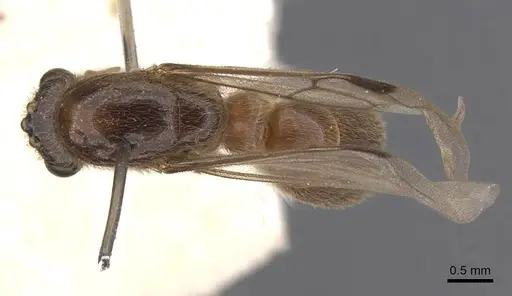
FOCOL1149
Lihat di AntWeb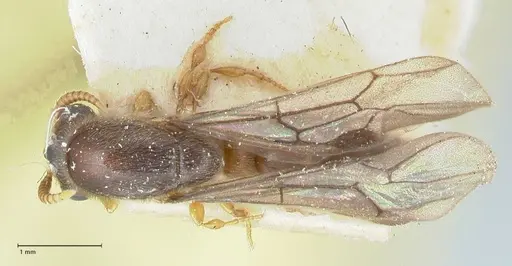
Literatur
Memuat peta distribusi...Memuat produk...