
Aenictogiton sulcatus
- Nama Ilmiah
- Aenictogiton sulcatus
- Subfamili
- Dorylinae
- Penulis
- Santschi, 1919
- Distribusi
- Ditemukan di 0 negara
Pendahuluan
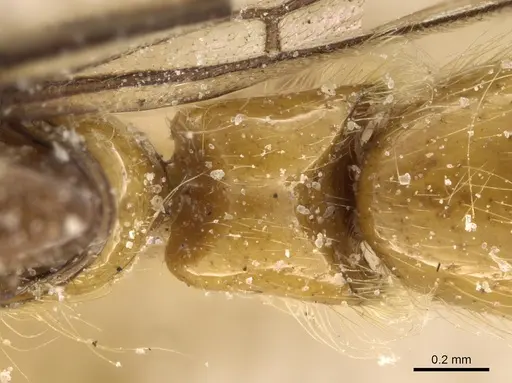
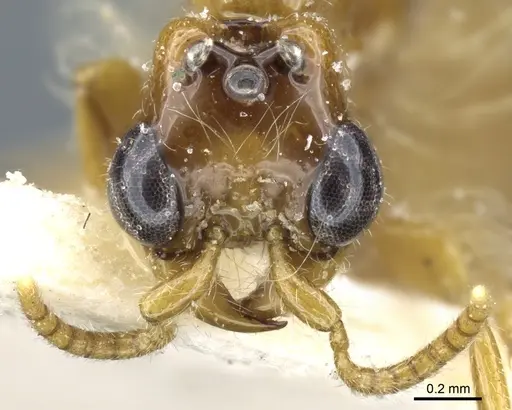
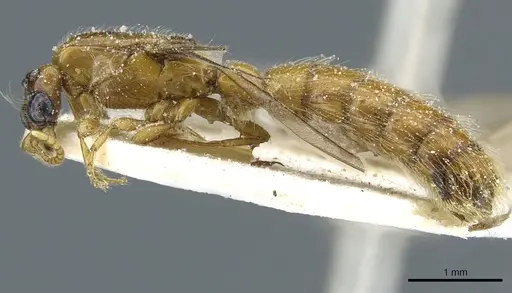
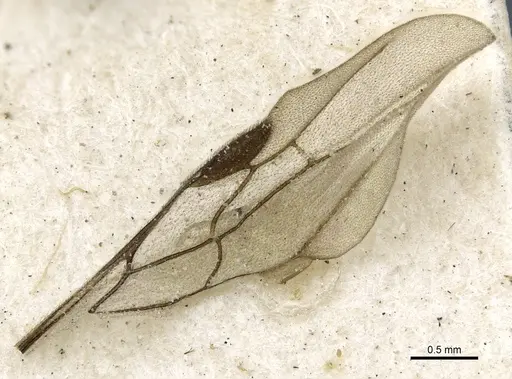
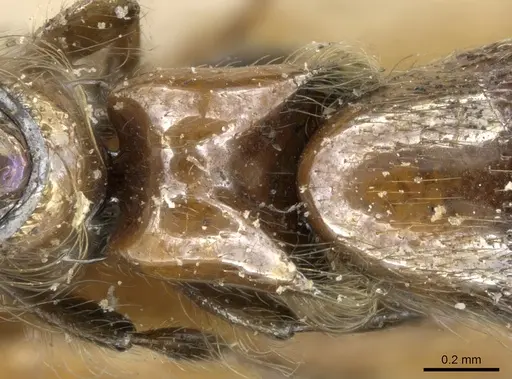
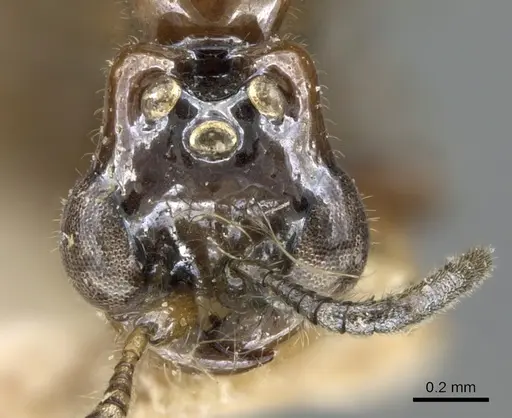
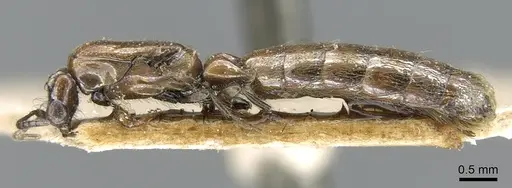
Aenictogiton sulcatus is one of the most mysterious ants in the world, known only from male specimens collected in the Democratic Republic of Congo . This species belongs to the Dorylinae subfamily, which includes army ants, suggesting it may share behavioral similarities with those nomadic predators . However, no worker, queen, or functioning colony has ever been observed. In fact, no workers or queens of ANY Aenictogiton species have ever been found. Males have been collected from light traps in forested areas, leading researchers to speculate these ants may live underground or in hidden microhabitats . This species represents a complete enigma in myrmecology, we do not know what they eat, how they nest, or virtually anything about their basic biology.
Quick Summary
- Difficulty: Not Keepable
- Origin & Habitat: Democratic Republic of Congo, Africa. Males have been collected from light traps in forested areas, suggesting a preference for forest habitats [2].
- Colony Type: Unknown, no colony, workers, or queen has ever been documented. Only males are known from this genus.
- Size & Growth:
- Queen: Unknown, no queen has ever been collected [2]
- Worker: Unknown, no worker has ever been collected [2]
- Colony: Unknown [2]
- Growth: Unknown
- Development: Unknown, no brood or colony has ever been documented [2] (Development timeline is completely unknown since no colony or brood has ever been observed.)
- Antkeeping:
- Temperature: Unknown, no living specimens have ever been studied [2]
- Humidity: Unknown, no living specimens have ever been studied [2]
- Diapause: Unknown, no living specimens have ever been studied [2]
- Nesting: Unknown, no nest has ever been found. Researchers speculate they may be subterranean or cryptobiotic (hidden lifestyle) [2].
- Behavior: Completely unknown. Based on Dorylinae phylogeny, they may share army-ant-like behaviors such as group foraging or nomadic colony movement, but this remains speculative [2]. Escape risk cannot be assessed without living specimens.
- Common Issues: This species cannot be kept, no workers, queens, or colonies have ever been found in the wild., The entire genus Aenictogiton is only known from male specimens, making captive maintenance impossible., We do not know what this species eats or how it forages., No information exists on their temperature or humidity requirements.
Why This Species Cannot Be Kept
Aenictogiton sulcatus is not a species you can keep in captivity, in fact, no antkeeper has ever kept this species because no one has ever found a living colony. The entire Aenictogiton genus is known only from male specimens collected between 1913 and the present day. No worker, no queen, no brood, and no nest has ever been documented for this or any related species in the genus [2]. This makes it one of the most poorly known ant genera in the world. Without workers or a queen, there is quite literally nothing to keep. Even if you somehow obtained a male, you would have no colony to maintain, and males have a very short lifespan focused solely on reproduction.
What We Know About Their Biology
The truth is, we know almost nothing about Aenictogiton sulcatus. The holotype male was collected in what is now the Democratic Republic of Congo (then Congo Belge) by Gérard in 1913 and described by Santschi in 1919 [1]. Additional males have been collected from light traps in subsequent decades, always in forested areas of central Africa [2]. The phylogenetic analysis places this genus within Dorylinae, the army ant subfamily, which suggests they may share some behavioral traits with army ants, potentially group foraging, nomadic behavior, or specialized hunting [2]. However, these are educated guesses rather than confirmed behaviors. The complete absence of worker specimens suggests they may live entirely underground or in concealed microhabitats where workers never venture above ground.
The Mystery of Aenictogiton
Aenictogiton represents one of the great unsolved mysteries in ant taxonomy. The genus was established to accommodate these unusual males that did not fit neatly into existing army ant groups. Several hypotheses attempt to explain why we have never found workers or queens: they may be strictly subterranean (living underground and rarely emerging), they may have a highly cryptic lifestyle similar to some Leptanilloides species, or they may be obligate social parasites that infiltrate other ant colonies [2]. The latter hypothesis is particularly intriguing, if they are social parasites, they might live within colonies of related army ants without maintaining their own worker force. Regardless of the explanation, this remains a species that exists only as a curiosity in museum collections, with no path to captive husbandry until the missing castes are discovered in the wild.
Frequently Asked Questions
Can I keep Aenictogiton sulcatus ants?
No. This species cannot be kept because no worker, queen, or colony has ever been found. Only male specimens exist in museum collections. Without workers, there is nothing to maintain in captivity.
Why have no workers ever been found for Aenictogiton sulcatus?
Researchers do not know for certain. The leading theories are that they live entirely underground (subterranean), have a highly hidden or cryptobiotic lifestyle, or may be social parasites that live within other ant colonies. The workers may simply never emerge where humans can find them.
What do Aenictogiton sulcatus eat?
Unknown. Based on their Dorylinae (army ant) lineage, they may be predators or scavengers like their relatives, but this has never been confirmed. No feeding observations exist.
Where does Aenictogiton sulcatus live?
The species is endemic to the Democratic Republic of Congo in central Africa. Males have been collected from light traps in forested areas, suggesting they prefer forest habitats.
Are Aenictogiton ants related to army ants?
Yes. Aenictogiton belongs to the Dorylinae subfamily, which includes the famous army ants (Dorylus). This phylogenetic relationship suggests they may share some behavioral traits with army ants, though this remains unconfirmed.
How big are Aenictogiton sulcatus workers?
Unknown. No worker has ever been collected or described. We have no information about worker size, morphology, or coloration.
Do Aenictogiton sulcatus queens exist?
Unknown. No queen has ever been collected. The genus is only known from male specimens, making it impossible to describe queen morphology or colony structure.
What is the closest kept relative to Aenictogiton sulcatus?
Army ants in the genus Dorylus are their closest known relatives. Other Dorylinae genera kept by hobbyists include Dorylus itself (army ants, though difficult to keep) and some species in the genus Aenictus (which are also army ants). These require specialized care and are not beginner species.
Has anyone ever successfully kept Aenictogiton sulcatus?
No. No living colony, workers, or queen has ever been documented. The species exists only as museum specimens. Captive husbandry is not possible with current knowledge.
What temperature do Aenictogiton sulcatus ants need?
Unknown. No living specimens have ever been studied, so no temperature, humidity, or care requirements have been established. Central African forest temperatures (roughly 20-30°C) would be a reasonable guess if specimens were ever found.
Report an Issue
The current care sheet is based fully on literature. See inconsistencies, or something that's incorrect? Please , it will be resolved after review from an admin. Contributing to the blogs tab also helps providing information, to make us be able to further improve the caresheets. Thank you for your support!
References

Lembar perawatan ini dilisensikan di bawah CC BY-SA 4.0 .
Blog Komunitas
CASENT0903961
Lihat di AntWeb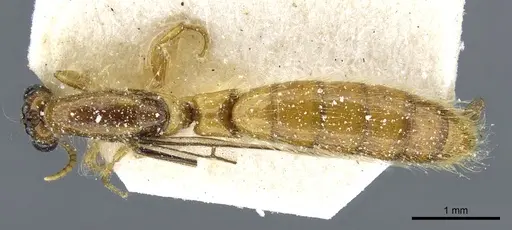
CASENT0906122
Lihat di AntWeb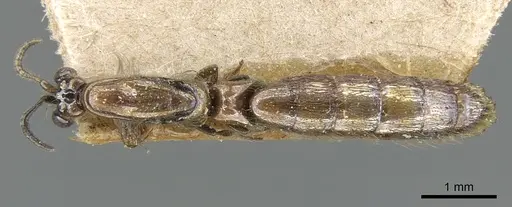
Literatur
Memuat peta distribusi...Memuat produk...