
Zasphinctus rufiventris
- Tud. név
- Zasphinctus rufiventris
- Alcsalád
- Dorylinae
- Szerző
- Santschi, 1915
- Elterjedés
- 0 országban megtalálható
Bevezetés
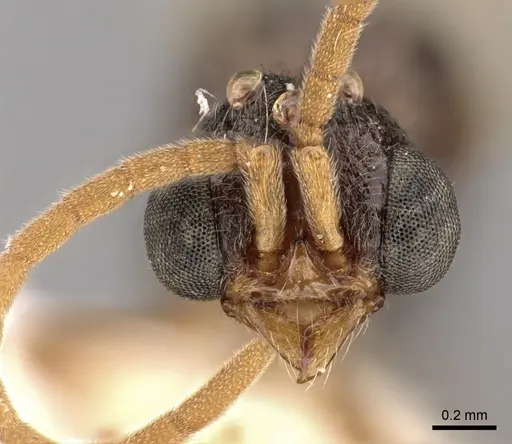
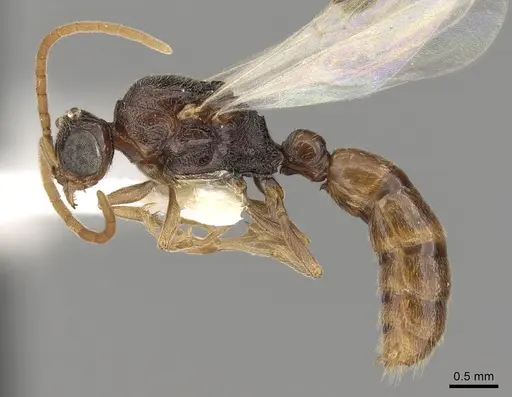
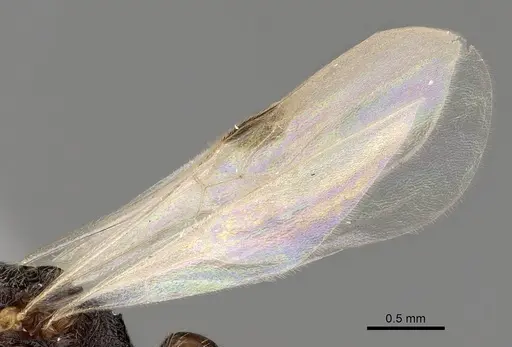
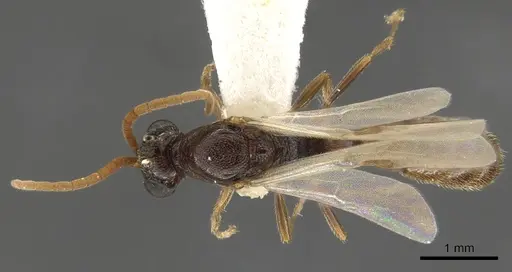
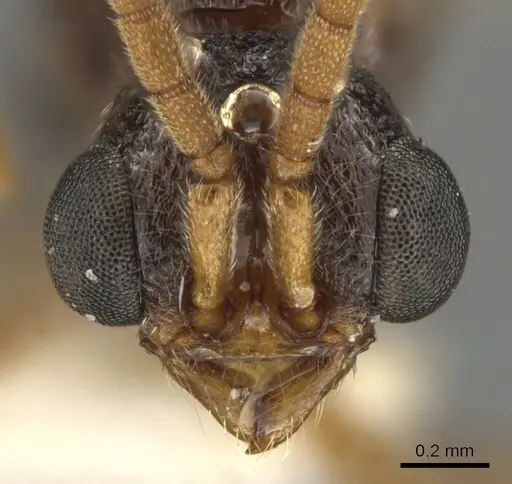
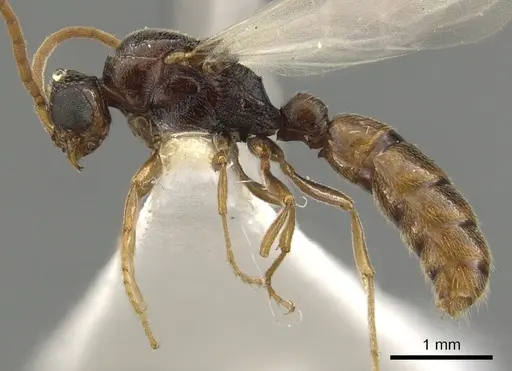
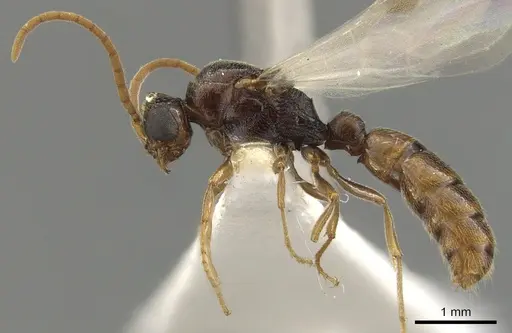
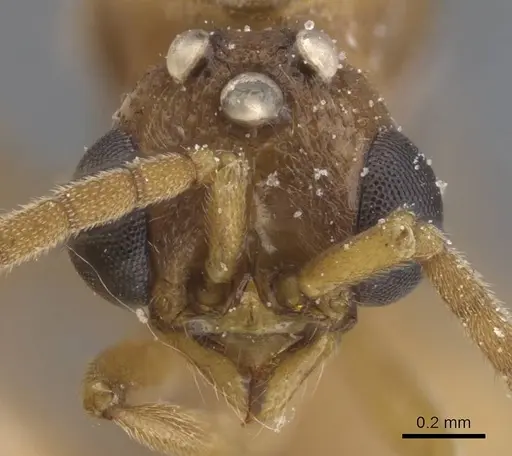
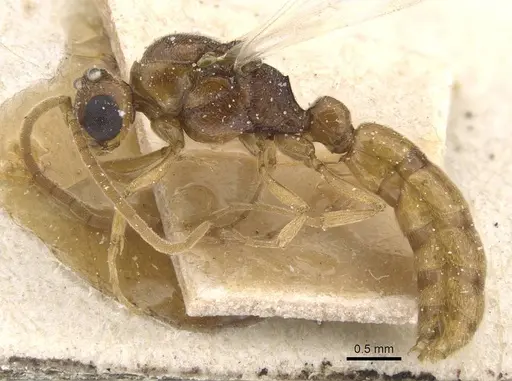
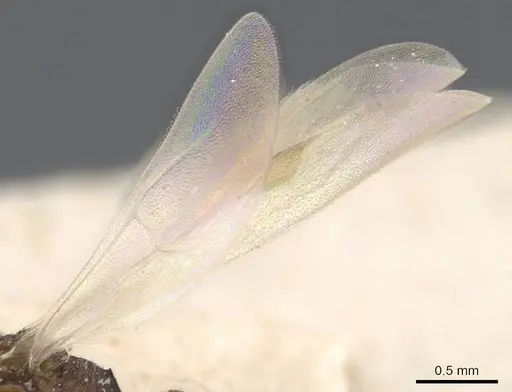
Zasphinctus rufiventris is a rare army ant in the subfamily Dorylinae, known only from male specimens collected in West Africa . Originally described by Santschi in 1915 from Benin and Mali, it has since been recorded in Nigeria and Ghana . Like other Zasphinctus, they are likely predatory with a nomadic lifestyle, but no workers or queens have ever been found, making this one of the least studied army ants in the Afrotropics. There is no captive husbandry information available, and the species is essentially a scientific mystery.
Quick Summary
- Difficulty: Expert
- Origin & Habitat: West Africa, Benin, Ghana, Mali, and Nigeria. Found in tropical savanna and forest edge habitats [2].
- Colony Type: Unknown, only males have been described, no worker or queen castes documented [1][3].
- Size & Growth:
- Queen: Unknown, queen caste has not been described [1].
- Worker: Unknown, worker caste has not been described [1].
- Colony: Unknown, colony structure and size data unavailable.
- Growth: Unknown
- Development: Unknown, development has not been studied. (No brood or developmental data exists for this species. Related Dorylinae species typically develop from egg to worker in 4-8 weeks at optimal tropical temperatures.)
- Antkeeping:
- Temperature: Unknown for this species. Based on related Dorylinae, likely requires 24-28°C (warm tropical conditions). Start in the mid-20s°C range and monitor colony activity.
- Humidity: Unknown. Related army ants prefer humid conditions (70-80%). Keep nest substrate consistently moist but not waterlogged.
- Diapause: Unknown, no seasonal data available. West African populations likely experience reduced activity during dry seasons rather than true hibernation.
- Nesting: Unknown in captivity. In nature, Dorylinae typically nest in soil or under objects. A naturalistic setup with moist substrate and a formicarium would be appropriate starting points.
- Behavior: Behavior is unconfirmed for this species. As a Dorylinae army ant, they are likely predatory and nomadic. Dorylinae have functional stingers, so they may sting, but no specific temperament data exists. Escape prevention should be excellent given the unknown but likely active foraging behavior.
- Common Issues: no worker caste described, cannot establish a typical ant colony., extremely rare in the hobby with no captive breeding records., lack of biological data makes proper care impossible to define., potential sting risk given Dorylinae subfamily.
Species Identification and Taxonomy
Zasphinctus rufiventris was originally described as Zasphinctus rufiventris by Santschi in 1915 from six male specimens collected in what was then French Sudan (Sikosso, Mali) and French Dahomey (present-day Benin) [1][2]. It has been moved between genera: to Aethiopopone in 1930,back to Sphinctomyrmex in 1975,and finally to Zasphinctus in 2016 [2]. No workers or queens have ever been documented, making it one of the most poorly known Dorylinae species in the Afrotropics [1]. The 2017 revision of Zasphinctus using micro-CT scanning did not treat this species in detail because only male specimens exist [1].
Distribution and Habitat
Zasphinctus rufiventris is known from West Africa: Benin, Ghana, Mali, and Nigeria [2]. Type localities include Djougon and Kouandé in northern Benin, Kika in Benin, and Sikosso in southern Mali [2]. These lie within the Sudanian savanna zone, with hot temperatures year-round and distinct wet and dry seasons. The specimens were collected in the early 1900s, likely from savanna-forest edge habitats. Specific microhabitat data is missing, but related Dorylinae typically nest in soil or under stones in warm, humid areas.
Why This Species Is Not Recommended for Keepers
Zasphinctus rufiventris is not suitable for ant keeping. Only male specimens have been described, no workers or queens exist in any museum collection or scientific literature [1][3]. No one has ever successfully established a colony of this species. Even if you managed to obtain a wild colony, the complete lack of biological data makes proper care impossible: we don't know their diet, nesting preferences, temperature requirements, or colony cycle. They also appear to be extremely rare, with very few records over the past century. Consider better-documented Dorylinae genera like Dorylus or Labidus if you're interested in army ants.
Related Species and Dorylinae Biology
While specific biology is unknown for Z. rufiventris, the subfamily Dorylinae (army ants) gives some context. Army ants are nomadic, predatory, and can form colonies with thousands of workers. They have functional stingers and are aggressive hunters of other invertebrates. The genus Zasphinctus contains about 30 described species across the Afrotropics, most known only from workers [1]. The 2017 revision used micro-CT scanning to describe morphological characters in detail, but Z. rufiventris was excluded due to lack of worker specimens. Related species are cryptic and hard to distinguish morphologically [1].
Frequently Asked Questions
Can I keep Zasphinctus rufiventris as a pet ant?
No. This species is not suitable for ant keeping. Only male specimens have ever been described, no workers or queens are known to science [1]. Without the worker caste, establishing a colony is biologically impossible. Additionally, no biological or husbandry information exists for this species.
Why are there no workers for Zasphinctus rufiventris?
The species was described in 1915 from male specimens only, and despite subsequent surveys in West Africa, no workers or queens have ever been collected or documented [1][3]. This is unusual but not unprecedented in poorly surveyed tropical regions. It's possible the workers have different behavior or nesting habits that make them difficult to find, or the species may be extremely rare.
What do Zasphinctus rufiventris ants eat?
Unknown for this specific species. As a member of Dorylinae (army ants), they would likely be predatory like other army ants, feeding on other insects and invertebrates. However, no direct observations exist to confirm this.
Where can I find Zasphinctus rufiventris to collect?
This species is known from only a handful of male specimens collected in the early 1900s in Benin, Mali, and Nigeria [2]. It appears to be extremely rare with no recent records. Even if you visited these areas, finding this species would be highly unlikely. For ant keeping, consider more commonly available species with established husbandry protocols.
How big do Zasphinctus rufiventris colonies get?
Unknown. No colony size data exists for this species. Related army ant colonies can reach thousands of workers, but without any worker specimens, we cannot estimate typical colony size for this species.
What temperature should I keep Zasphinctus rufiventris at?
No specific temperature data exists for this species. Based on its West African distribution and related Dorylinae species, it would likely require warm tropical conditions (24-28°C). However, since no workers have ever been kept in captivity, this is purely speculative.
Is Zasphinctus rufiventris endangered?
The conservation status has not been assessed. The species is known from very few records spanning over a century, suggesting it may be rare or difficult to find. However, insufficient data exists to determine population trends or threats.
Can I help document this species?
If you are conducting field research in West Africa (Benin, Ghana, Mali, Nigeria), documenting Zasphinctus workers would be a significant scientific contribution. Focus on savanna and forest edge habitats, and use proper ant collection methods. Any worker specimens would help fill a major knowledge gap in Dorylinae biology.
Are there similar ants that are better for ant keeping?
Yes. If you are interested in army ants (Dorylinae), consider better-documented genera like Dorylus (driver ants) or Labidus, though these also have complex husbandry needs. For beginners, more common and well-documented species like Camponotus, Formica, or Tetramorium are recommended.
Report an Issue
The current care sheet is based fully on literature. See inconsistencies, or something that's incorrect? Please , it will be resolved after review from an admin. Contributing to the blogs tab also helps providing information, to make us be able to further improve the caresheets. Thank you for your support!
References

Ez a tartási útmutató a következő licenc alatt áll: CC BY-SA 4.0 .
Közösségi blogok
CASENT0249329
Megtekintés az AntWeb-en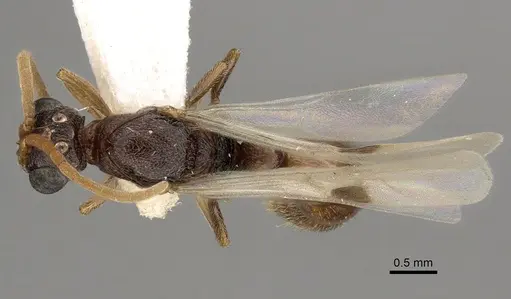
CASENT0900323
Megtekintés az AntWeb-en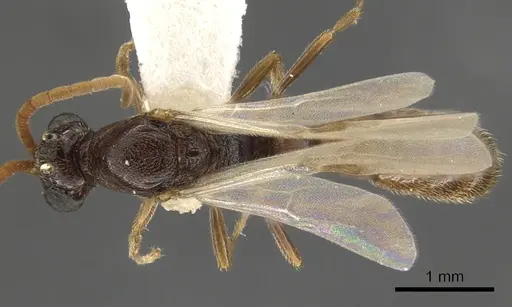
CASENT0911272
Megtekintés az AntWeb-en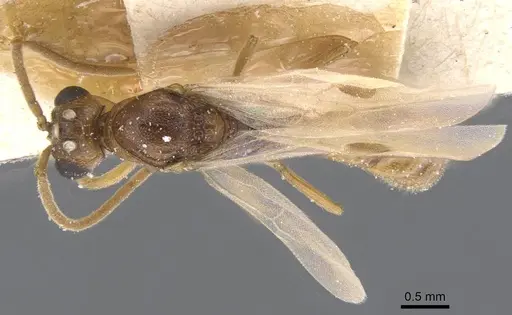
Irodalom
Elterjedési térkép betöltése...Termékek betöltése...