
Tetramorium rotundatum
- Tud. név
- Tetramorium rotundatum
- Nemzetség
- Crematogastrini
- Alcsalád
- Myrmicinae
- Szerző
- Santschi, 1924
- Elterjedés
- 0 országban megtalálható
Bevezetés
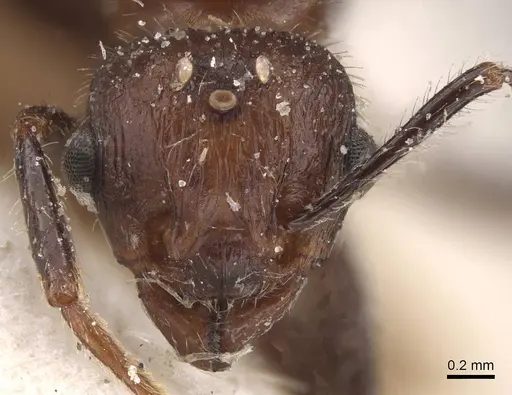
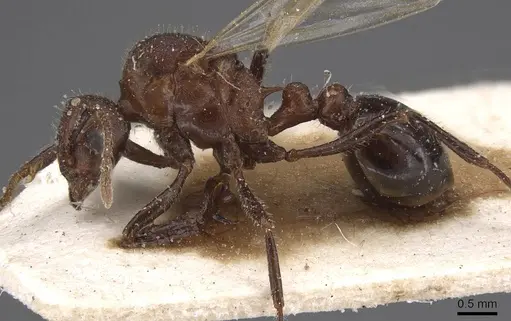
Tetramorium rotundatum is a small ant species in the Myrmicinae subfamily. Based on related Tetramorium species, workers are estimated at 2-3mm and have the typical two-segmented petiole and a rough, textured body surface. The species is known from central Africa, with records in the Democratic Republic of Congo . Like other Tetramorium, these ants likely nest in the ground and form moderate-sized colonies. They are generalist foragers, feeding on small insects, honeydew, and organic matter.
Quick Summary
- Difficulty: Easy
- Origin & Habitat: Democratic Republic of Congo and surrounding central African regions [1]. Likely inhabits tropical and subtropical environments, nesting in soil or under stones in natural and disturbed areas.
- Colony Type: Likely monogyne (single queen) based on typical Tetramorium patterns. Colony size estimated at several hundred workers at maturity.
- Size & Growth:
- Queen: Estimated 5-7mm based on genus typical size range
- Worker: Estimated 2-3mm based on genus typical size range
- Colony: Estimated several hundred workers at maturity based on related species
- Growth: Moderate, based on typical Tetramorium development patterns
- Development: Estimated 6-8 weeks at optimal temperature based on genus patterns (Development time is inferred from related Tetramorium species, actual timing may vary)
- Antkeeping:
- Temperature: Keep at 22-26°C. A tropical species requiring consistent warmth. A heating cable on one side of the nest creates a suitable gradient.
- Humidity: Moderate humidity. Keep substrate slightly moist but not waterlogged. These ants tolerate drier conditions better than many tropical species.
- Diapause: Likely minimal or no true diapause given African origin. May show reduced activity during cooler periods.
- Nesting: Y-tong (AAC) nests work well for their small size. Test tube setups and naturalistic setups with soil substrate are also suitable. Provide some dry areas within the nest.
- Behavior: Based on genus patterns, generally peaceful and non-aggressive. Workers are active foragers. As a member of the Crematogastrini tribe, they have a modified, flattened spatulate stinger used to wipe or smear venom onto enemies rather than piercing flesh. Their small size makes escape prevention important, use fine mesh and tight-fitting lids.
- Common Issues: small size means escapes are likely without fine mesh barriers, colonies may stagnate if temperature drops below 20°C for extended periods, overfeeding can lead to mold issues in small nest setups, wild-caught colonies may carry parasites that can devastate captive colonies, new colonies often fail during the founding stage if queen is disturbed
Housing and Nest Setup
For a species of this small size, a Y-tong (AAC) nest works well. The narrow chambers are scaled appropriately, and the condensation system helps maintain humidity. Alternatively, a test tube setup works for founding colonies, use a small water reservoir but avoid flooding. Because workers are only 2-3mm, escape prevention is critical. Apply Fluon or similar barrier to the rim of any container, and ensure all ventilation holes are covered with fine mesh (at least 0.5mm). A naturalistic setup with soil substrate also works, allowing the ants to create their own chambers. Provide a shallow foraging area connected to the nest.
Feeding and Diet
Tetramorium rotundatum is a generalist feeder. Offer protein sources such as small insects (fruit flies, pinhead crickets, mealworms), and provide a constant sugar source like sugar water, honey diluted with water, or honeydew. In nature, these ants likely forage for small arthropods and tend aphids for honeydew. Feed small prey items appropriate to their size, insects should be no larger than the workers themselves. Remove uneaten prey after 24-48 hours to prevent mold. A varied diet helps maintain colony health.
Temperature and Seasonal Care
Maintain temperatures between 22-26°C for optimal colony development. As a tropical African species, they prefer consistent warmth. A heating cable placed on one side of the nest creates a temperature gradient allowing ants to self-regulate. Avoid temperatures below 18°C for extended periods. Unlike temperate species, they do not require a true hibernation period. However, slight reductions in temperature during winter months (if your room cools naturally) are generally tolerated. Monitor colony activity, if workers become sluggish, slightly increase temperature.
Colony Development
A claustral queen will likely seal herself into a founding chamber and raise the first brood without leaving to forage. The founding chamber should be small and dark. First workers (nanitics) will be smaller than mature workers but will quickly begin expanding the colony. Growth rate is moderate, expect the first workers within 6-8 weeks under optimal conditions, though this is estimated based on genus patterns. Once workers emerge, the colony enters a growth phase with brood numbers increasing steadily. A mature colony may reach several hundred workers.
Behavior and Temperament
Based on genus patterns, these ants are peaceful and not particularly aggressive. Workers go about their foraging activities without defensive displays. They are active during the day and maintain steady colony activity. As a member of the Crematogastrini tribe, they have a modified, flattened spatulate stinger used to wipe or smear venom onto enemies rather than piercing flesh. This 'smear' defense is their primary means of defense. The main behavioral concern for keepers is their small size, they can easily slip through gaps that larger ants cannot. Always use excellent escape prevention. They do not exhibit slave-making, parasitism, or other complex social behaviors.
Frequently Asked Questions
How long does it take for Tetramorium rotundatum to produce first workers?
Based on typical Tetramorium development patterns, expect first workers (nanitics) approximately 6-8 weeks after the queen lays her first eggs. This timeline assumes optimal temperatures around 24-26°C. Actual timing may vary based on temperature and other factors.
What do Tetramorium rotundatum ants eat?
They are generalist feeders. Offer small insects like fruit flies, pinhead crickets, or small mealworms as protein. Provide a constant sugar source such as sugar water, diluted honey, or honeydew. Remove uneaten prey after a day or two to prevent mold.
Can I keep Tetramorium rotundatum in a test tube?
Yes, test tubes work well for founding colonies. Use a small water reservoir and avoid flooding. Once the colony reaches 20-30 workers, consider moving to a Y-tong nest or small formicarium with appropriately sized chambers.
Do Tetramorium rotundatum ants sting?
They have a stinger, but it is modified into a flattened spatulate shape used to wipe or smear venom onto enemies rather than piercing flesh. This defense is typical of the Crematogastrini tribe. They are not considered dangerous to humans.
What temperature do Tetramorium rotundatum ants need?
Keep them warm at 22-26°C. As a tropical African species, they prefer consistent warmth. A heating cable on one side of the nest creates a gradient. Avoid temperatures below 18°C for extended periods.
Are Tetramorium rotundatum ants good for beginners?
Yes, they are considered easy to keep. They are resilient, tolerate a range of conditions, and are not aggressive. The main challenges are their small size (requiring good escape prevention) and providing appropriate-sized prey.
How big do Tetramorium rotundatum colonies get?
Based on related species, a mature colony likely reaches several hundred workers. Growth is moderate, expect steady expansion over the first year or two after the colony establishes.
Do Tetramorium rotundatum ants need hibernation?
Probably not. As a tropical African species, they do not require a true diapause period. They may show slightly reduced activity during cooler periods, but a formal hibernation is not necessary.
Why are my Tetramorium rotundatum ants dying?
Common causes include: temperature too low (below 18°C), excessive humidity causing mold, disturbance during founding stage, or parasites from wild-caught colonies. Ensure proper temperature, adequate but not excessive humidity, and minimize disturbances to founding queens.
When should I move my colony to a formicarium?
Move to a larger nest setup once the colony reaches 20-30 workers in a test tube. A Y-tong nest with small chambers works well. Ensure the new setup maintains appropriate humidity and temperature while providing enough space for colony growth.
Report an Issue
The current care sheet is based fully on literature. See inconsistencies, or something that's incorrect? Please , it will be resolved after review from an admin. Contributing to the blogs tab also helps providing information, to make us be able to further improve the caresheets. Thank you for your support!
References

Ez a tartási útmutató a következő licenc alatt áll: CC BY-SA 4.0 .
Közösségi blogok
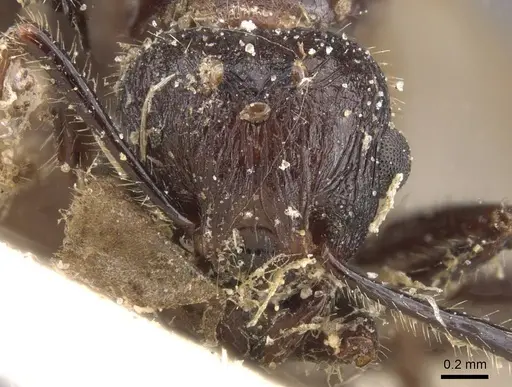
CASENT0280919
Megtekintés az AntWeb-en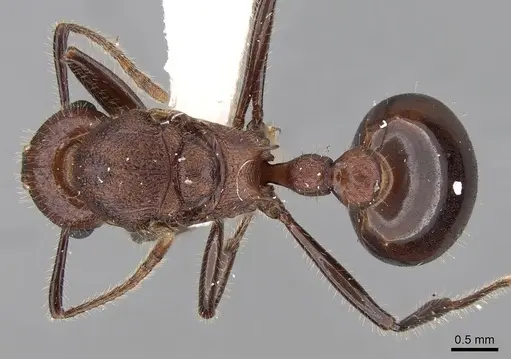
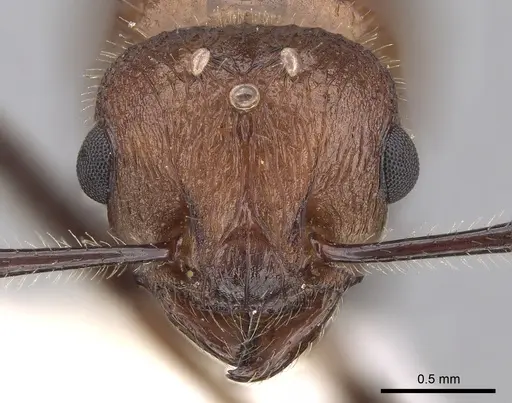
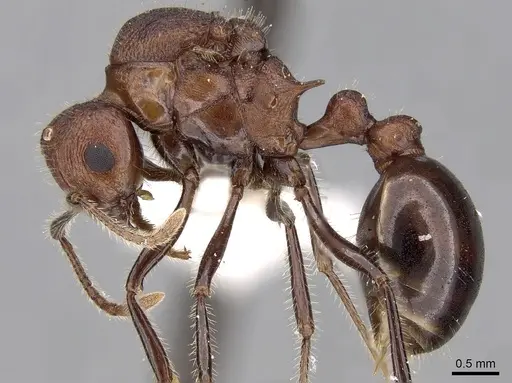
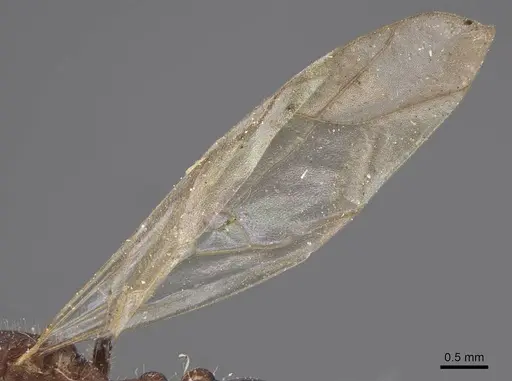
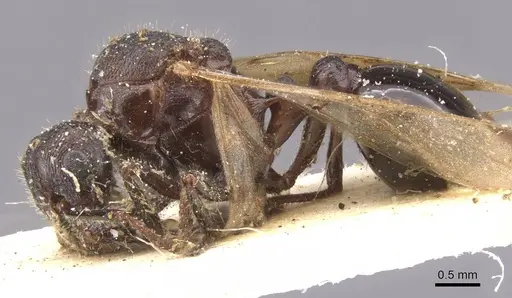
CASENT0915041
Megtekintés az AntWeb-en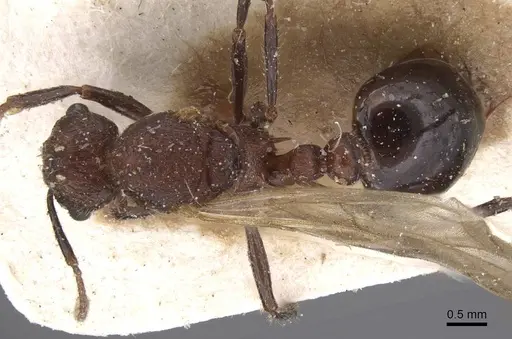
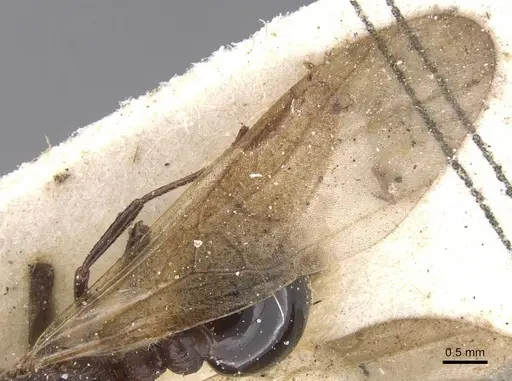
RMCAENT000017785
Megtekintés az AntWeb-en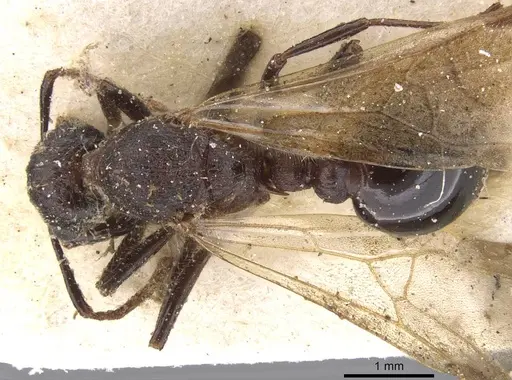
Irodalom
Elterjedési térkép betöltése...Termékek betöltése...