
Tetramorium qualarum
- Tud. név
- Tetramorium qualarum
- Nemzetség
- Crematogastrini
- Alcsalád
- Myrmicinae
- Szerző
- Bolton, 1980
- Elterjedés
- 0 országban megtalálható
Bevezetés
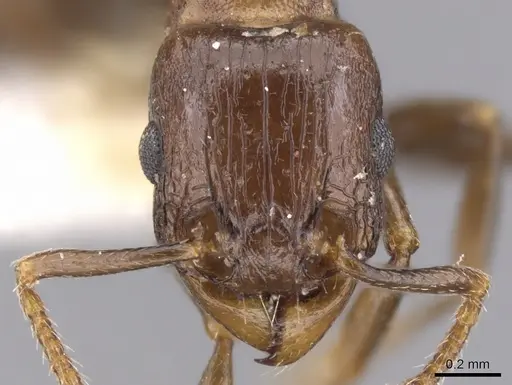
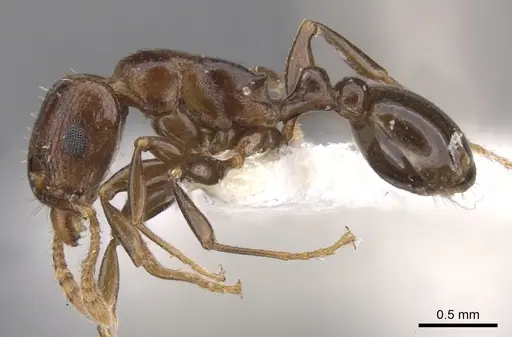
Tetramorium qualarum is a small ant species from the Myrmicinae subfamily and tribe Crematogastrini. It is known only from Province TO in the Democratic Republic of Congo . Like other Tetramorium, it has 12-segmented antennae with a 3-segmented club and propodeal spines. Based on genus patterns, workers are likely small, ground-dwelling ants that nest in soil or under stones. They are probably opportunistic foragers, feeding on small insects, honeydew, and food scraps. Since very little field research exists, most care details are inferred from related species, so keepers should be ready to adapt. This ant uses a smear defense - it wipes venom onto enemies with a flattened stinger rather than piercing them.
Quick Summary
- Difficulty: Medium
- Origin & Habitat: Democratic Republic of Congo, Province TO [1]. Based on genus patterns, likely inhabits tropical forest edges or savanna habitats.
- Colony Type: Unconfirmed. Most Tetramorium species are monogyne (single queen), but this has not been documented for T. qualarum.
- Size & Growth:
- Queen: Inferred from Tetramorium genus, queens are roughly 5-8 mm. No species-specific data available.
- Worker: Inferred from Tetramorium genus, workers are roughly 2-4 mm. No species-specific data available.
- Colony: Likely several hundred workers, estimated from related Tetramorium species.
- Growth: Moderate, estimated based on genus patterns.
- Development: Estimated 6-8 weeks at tropical temperatures, based on typical Tetramorium development. (Development time is inferred from genus-level data, not specifically studied for this species.)
- Antkeeping:
- Temperature: Keep at 24-28°C. Standard tropical room temperature works. Related species tolerate 22-30°C, but exact needs are unconfirmed.
- Humidity: Moderate, around 50-70%. They likely prefer somewhat drier conditions than many tropical ants. Allow the nest to dry slightly between waterings.
- Diapause: Unlikely required, the DRC has a tropical climate with little seasonal variation. No diapause documented.
- Nesting: Based on genus, they nest in soil or under stones. In captivity, test tubes or small formicaria work well. Avoid overly damp conditions.
- Behavior: Workers are active but not particularly aggressive, they will defend the nest vigorously if disturbed. Because they are tiny, escape prevention is critical, use fine mesh or fluon barriers. Defense mechanism: they smear venom onto attackers using a modified stinger (typical of Crematogastrini).
- Common Issues: tiny size makes escape prevention critical, they can squeeze through standard test tube barriers., limited species‑specific data means care is based on genus‑level estimates, keepers may need to experiment., wild‑caught colonies may carry parasites or diseases not yet documented., overheating is a risk if kept in direct sunlight or near heat sources., colonies may be slow to establish compared to more common species.
Housing and Nest Setup
Test tubes work well for founding colonies, use a standard water reservoir setup and pack the cotton tightly so these tiny ants cannot squeeze through. Once the colony has workers, move them to a small formicarium (Y‑tong, plaster, or soil nest). Avoid overly large enclosures, small spaces make them feel secure and make it easier for them to find food. Because workers are very small, seal all gaps with fine mesh or fluon.
Feeding and Diet
Like other Tetramorium, T. qualarum is an opportunistic eater. Offer a variety of foods: sugar water or honey for carbohydrates, and small protein sources such as fruit flies, pinhead crickets, or chopped mealworms. They will also take honeydew. Feed small amounts every 2-3 days and remove leftovers to prevent mold. Prey should be tiny, avoid large insects that could overwhelm the workers.
Temperature and Humidity
Keep temperatures between 24-28°C. Standard room temperature in heated homes is usually fine. Avoid drops below 20°C or spikes above 32°C. Humidity should be moderate, around 50-70%. These ants seem to prefer a slightly drier nest than many tropical species, so let the nest dry out a bit between water additions. A small water dish in the outworld gives them access to drinking water. [1]
Colony Development
Colony growth is likely moderate. Based on typical Tetramorium behavior, the founding queen probably raises her first brood on stored reserves (claustral founding), but this is not confirmed for T. qualarum. At optimal temperatures, the first workers (nanitics) might appear in 6-8 weeks. After that, the colony grows steadily. The maximum colony size is estimated at several hundred workers from related species.
Behavior and Defenses
Workers are active foragers and will explore their whole enclosure. They are not especially aggressive toward humans, but they will defend the nest if threatened. Their main defense is a smear mechanism, they wipe venom onto enemies using a flattened stinger, rather than stinging directly. The sting is not painful to people. Given their small size, escape prevention is essential: check all connections regularly and apply a barrier like fluon on smooth surfaces.
Frequently Asked Questions
How long does it take for Tetramorium qualarum to produce first workers?
Based on typical Tetramorium development, expect 6-8 weeks from egg to first worker at 24-28°C. This is an estimate, as the species itself hasn't been studied.
What do Tetramorium qualarum ants eat?
They are opportunistic feeders. Offer sugar water or honey regularly, plus small protein sources like fruit flies, pinhead crickets, or mealworms. They also take honeydew.
Do Tetramorium qualarum ants sting?
They have a stinger, but it's used for smearing venom rather than piercing. The venom is not potent and the sting (if it even penetrates) causes only minor irritation. Most people won't feel anything.
Can I keep Tetramorium qualarum in a test tube setup?
Yes, test tubes are fine for founding and small colonies. Ensure the cotton plug is tight enough to prevent escape, as workers are very small.
Does Tetramorium qualarum need hibernation?
Unlikely. The species comes from a tropical region (DRC) with little seasonal temperature change. No diapause has been documented.
How big do Tetramorium qualarum colonies get?
Based on related species, colonies likely reach several hundred workers. The exact maximum is unconfirmed.
Are Tetramorium qualarum good for beginners?
This species is rated Medium difficulty. While not extremely challenging, the lack of species‑specific data means you may need to adjust care based on what you observe. Experience with small Myrmicinae is helpful.
Why is my Tetramorium qualarum colony not growing?
Common causes include: temperatures outside 24-28°C, too little protein, excessive humidity causing mold, or too much disturbance. Check these factors and make sure the queen is still laying eggs.
Do I need multiple queens to start a colony?
No. Most Tetramorium have single‑queen colonies, and T. qualarum is assumed to be the same. Start with one queen.
What temperature is best for Tetramorium qualarum?
Keep them at 24-28°C. Standard room temperature in a heated home is usually fine. Avoid cold drafts and direct sunlight.
Report an Issue
The current care sheet is based fully on literature. See inconsistencies, or something that's incorrect? Please , it will be resolved after review from an admin. Contributing to the blogs tab also helps providing information, to make us be able to further improve the caresheets. Thank you for your support!
References

Ez a tartási útmutató a következő licenc alatt áll: CC BY-SA 4.0 .
Közösségi blogok
CASENT0316977
Megtekintés az AntWeb-en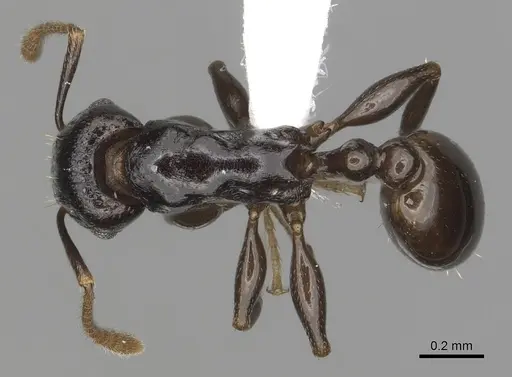
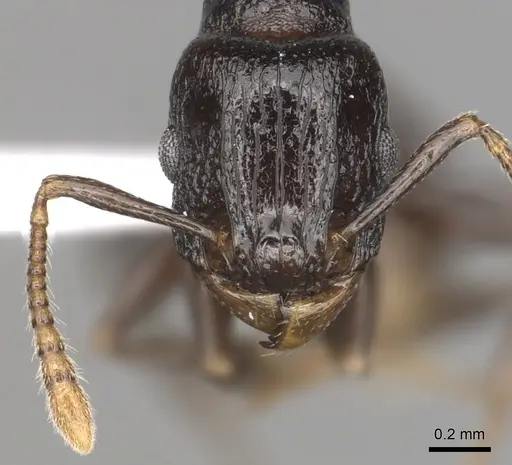
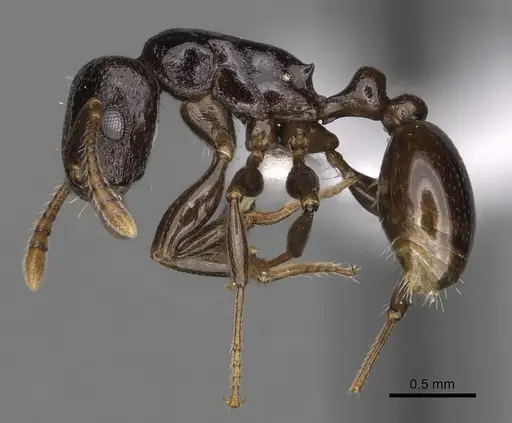
CASENT0901230
Megtekintés az AntWeb-en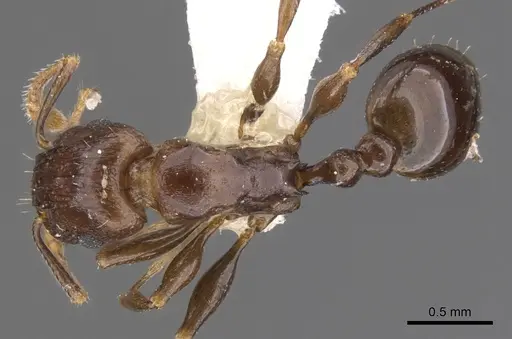
Irodalom
Elterjedési térkép betöltése...Termékek betöltése...