
Temnothorax subcingulatus
- Tud. név
- Temnothorax subcingulatus
- Nemzetség
- Crematogastrini
- Alcsalád
- Myrmicinae
- Szerző
- Emery, 1924
- Elterjedés
- 0 országban megtalálható
Bevezetés
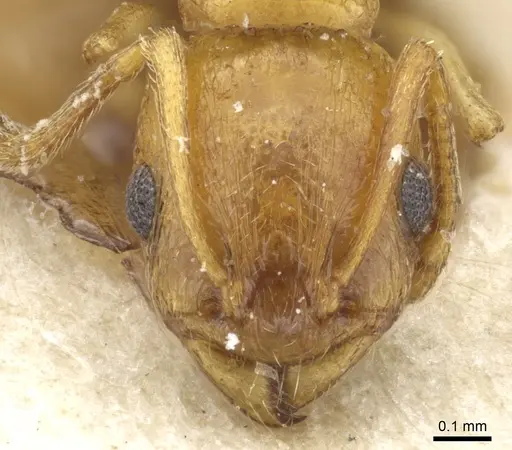
Temnothorax subcingulatus is a small ant species native to the Iberian Peninsula in Spain . Workers have a distinctive head sculpture with ridges on the front and a reticulated pattern towards the back of the head . The species has a complex taxonomic history: originally described as a variety of Leptothorax luteus in 1924,later raised to full species status, and recently considered a subspecies of T. luteus again in 2012 . No detailed biological data is available for this species; most care recommendations are inferred from related Temnothorax species.
Quick Summary
- Difficulty: Easy
- Origin & Habitat: Iberian Peninsula, Spain, Palaearctic region [1]. Habitat details are not recorded, but likely typical Mediterranean scrub or open woodland.
- Colony Type: Unconfirmed, no published data on queen number or social structure. Based on the genus Temnothorax, most species are monogyne (single queen), but this has not been verified for T. subcingulatus.
- Size & Growth:
- Queen: Approximately 5-6 mm, inferred from typical Temnothorax queen sizes, no direct measurements are available.
- Worker: Approximately 3-4 mm, inferred from typical Temnothorax worker sizes, no direct measurements are available.
- Colony: Unknown, but likely up to a few hundred workers (inferred from small Temnothorax species).
- Growth: Moderate (inferred from Temnothorax genus).
- Development: Estimated 6-10 weeks at optimal temperature (inferred from Temnothorax patterns). (Development time depends on temperature, no specific data for this species.)
- Antkeeping:
- Temperature: No specific data. Mediterranean origin suggests moderate warmth (20-26°C) is suitable. Avoid prolonged cold.
- Humidity: No specific data. Mediterranean habitat implies relatively dry conditions, keep nest substrate moderately dry with a small moist area.
- Diapause: Unknown. Based on temperate distribution, a winter diapause is likely but duration unconfirmed. A 6-8 week rest at 10-15°C is a reasonable estimate.
- Nesting: Based on Temnothorax preferences, small cavities such as test tubes or small Y-tong nests suit them. Provide fine mesh for ventilation due to their tiny size.
- Behavior: No specific data. Temnothorax are generally peaceful and non-aggressive. Their tiny size (3-4 mm) means they can escape through very small gaps, use fine mesh or fluon for escape prevention.
- Common Issues: escape prevention is critical due to their tiny size, use fine mesh or fluon., colonies may fail if kept too cold, maintain stable warmth., overfeeding can lead to mold in small nests, remove uneaten prey after 24 hours., wild-caught colonies may have parasites, quarantine new colonies if possible., slow initial growth is normal for small Temnothorax, be patient during founding.
Housing and Nest Setup
No specific housing data is available for Temnothorax subcingulatus. Based on common Temnothorax care, small, enclosed spaces work best. Test tubes with a water reservoir are ideal for founding colonies. For larger colonies, a small Y-tong or plaster nest with narrow chambers is suitable. Use a small outworld for foraging. Due to their tiny size, all ventilation must be covered with fine mesh (0.3 mm or smaller). Avoid long tubing, these ants are small and may struggle to traverse long distances.
Feeding and Diet
No specific dietary data exists for this species. Based on the Temnothorax genus, they likely feed on honeydew (from aphids) and small invertebrates. In captivity, provide dilute honey or sugar water (1 part sugar to 4 parts water) and small protein sources such as fruit flies, pinhead crickets, or small mealworms. Feed 2-3 times per week. Remove uneaten prey after 24 hours to prevent mold. A small water source, such as a soaked cotton ball, should always be available.
Temperature and Seasonal Care
No specific temperature requirements are recorded. As a Mediterranean species, Temnothorax subcingulatus likely prefers moderate warmth (20-26°C). Avoid temperatures below 15°C for extended periods during active growth. For winter diapause, reduce temperature gradually to 10-15°C for 6-8 weeks if you choose to provide a rest period. However, since diapause is unconfirmed, observe your colony and adjust based on their behavior. Keep them in a dim, cool location during diapause and reduce feeding.
Behavior and Observation
No behavioral studies are published for this species. Temnothorax are generally calm, non‑aggressive ants that forage alone or recruit via tandem running. Their small size makes them excellent escape artists, use fluon on the rim of the outworld and fine mesh on all openings. Healthy colonies will have workers foraging actively, and mature colonies may produce winged males and queens. If you see a dealate (wingless) queen in the outworld, she may not be accepted by your colony, remove her unless you intend to start a new colony.
Frequently Asked Questions
How long does it take for Temnothorax subcingulatus to raise first workers?
No specific data, but based on the Temnothorax genus, expect 6-10 weeks from egg to worker at 20-26°C. The queen will not feed during this time (claustral founding is typical for the genus, but unconfirmed).
Can I keep multiple queens together?
This is not recommended because colony structure is unknown. Most Temnothorax are monogyne (single queen). Combining wild‑caught queens usually leads to fighting. Start with one queen per setup.
What do Temnothorax subcingulatus eat?
No studies exist for this species. Based on related Temnothorax, provide dilute honey water (1:4 with water) for sugar and small insects (fruit flies, pinhead crickets) for protein. Feed 2-3 times per week.
Do these ants sting?
Temnothorax subcingulatus belongs to the subfamily Myrmicinae, tribe Crematogastrini, which have a modified flattened stinger used to smear venom. They can produce a defensive chemical, but it is not dangerous to humans. The bite is negligible.
What temperature do they need?
No specific data. A Mediterranean origin suggests 20-26°C is appropriate. Avoid temperatures below 15°C during active growth. Provide a thermal gradient if possible.
Do they need hibernation?
Unknown, but likely yes due to temperate distribution. A winter rest of 6-8 weeks at 10-15°C is a reasonable estimate, but this has not been confirmed for this species. Observe your colony and reduce gradually if you choose to hibernate them.
How big do colonies get?
No data for Temnothorax subcingulatus. Related small Temnothorax species reach several hundred workers. Do not expect rapid growth or massive colony sizes.
Are they good for beginners?
If the unknown aspects (temperature, founding) can be managed, they may be suitable. Their small size and peaceful temperament are beginner‑friendly, but escape prevention (fine mesh) is essential. Lack of species‑specific data means some trial‑and‑error is unavoidable.
When should I move them to a formicarium?
No specific guidance is available. A good rule for small Temnothorax is to wait until the colony has at least 30-50 workers before moving to a larger nest. A test tube can support them much longer.
Why are my ants dying during founding?
Common causes for Temnothorax include: queen disturbed or dying due to improper humidity, mold from overwatering, temperatures too cold, or excessive vibration. Keep the setup dark and stable, and do not open it for the first few weeks. If the queen dies, the colony cannot be saved.
Report an Issue
The current care sheet is based fully on literature. See inconsistencies, or something that's incorrect? Please , it will be resolved after review from an admin. Contributing to the blogs tab also helps providing information, to make us be able to further improve the caresheets. Thank you for your support!
References

Ez a tartási útmutató a következő licenc alatt áll: CC BY-SA 4.0 .
Közösségi blogok
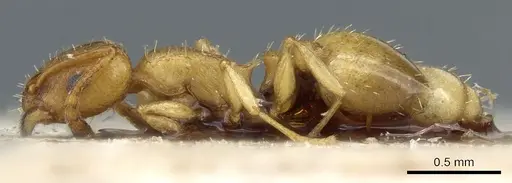
CASENT0904754
Megtekintés az AntWeb-en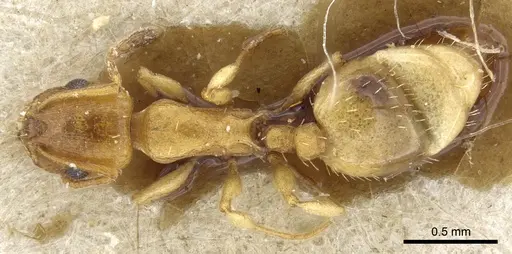
Irodalom
Elterjedési térkép betöltése...Termékek betöltése...