
Temnothorax saxatilis
- Tud. név
- Temnothorax saxatilis
- Nemzetség
- Crematogastrini
- Alcsalád
- Myrmicinae
- Szerző
- Schulz <i>et al.</i>, 2007
- Elterjedés
- 0 országban megtalálható
Bevezetés
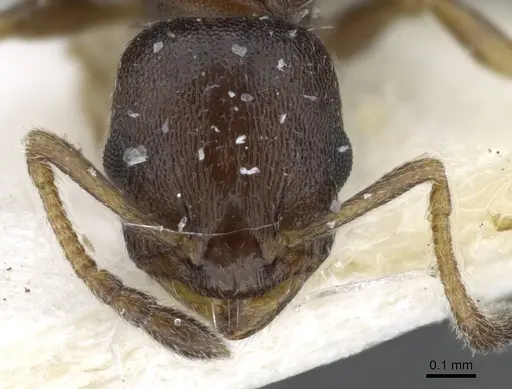
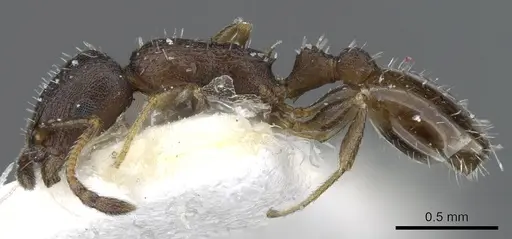
Temnothorax saxatilis is a tiny, dark brown ant species found only in the high mountains of Central Italy, specifically the Gran Sasso range. Workers are about 2-3mm total length (inferred from the genus), with a dark ferrugineous to brown body and a distinctive short, blunt petiole (the narrow waist segment) that makes them easy to spot under a microscope . Their name 'saxatilis' means 'between the rocks' in Latin, a nod to the rocky crevices they call home at around 1600 meters elevation . Very little is known about the biology of this species - the original 2007 description only covers its physical features . But because it's a Temnothorax, it likely shares the genus traits of small colony size, peaceful temperament, and a preference for tight rock crevices. Its high-altitude home means it probably prefers cool, stable conditions compared to lowland ants.
Quick Summary
- Difficulty: Medium
- Origin & Habitat: Endemic to high altitudes in Central Italy (Gran Sasso, Abruzzi region) at approximately 1600m elevation [1][3]. The type locality is a rocky mountain environment with sparse vegetation, hence the name 'saxatilis' meaning 'between the rocks' [1].
- Colony Type: No published data on social structure. Based on typical Temnothorax patterns, likely single-queen (monogyne) colonies. However, ergatoid (wingless) replacement queens are common in the genus and may appear if the primary queen dies.
- Size & Growth:
- Queen: ~3-4mm total length, inferred from Temnothorax genus [1]
- Worker: ~2-3mm total length, inferred from Temnothorax genus [1]
- Colony: No data for this species. Typical Temnothorax colonies can reach several hundred workers [4], but this is unconfirmed.
- Growth: Moderate, based on typical Temnothorax development (inferred)
- Development: 6-10 weeks, estimated for small Myrmicinae ants at cool temperatures (18-22°C) (Development time is unconfirmed. Expect slower growth than larger ants due to their tiny size and cool temperature preferences.)
- Antkeeping:
- Temperature: Keep at 18-22°C. These are mountain ants from a cool Italian habitat, they likely prefer temperatures below typical room temperature. Avoid overheating above 25°C. This is inferred from their high-altitude origin [1][3].
- Humidity: Keep the nest substrate moderately moist but not waterlogged. They come from rocky mountain habitats, so allow the nest to dry slightly between waterings. Avoid constant wetness. This is inferred from typical rock-crevice nesting.
- Diapause: Yes, likely required. As a temperate, high-altitude species, they probably need a winter rest period of 2-3 months at 5-10°C. Inferred from origin [1][3].
- Nesting: Tight chambers scaled to their tiny size work best. Y-tong (AAC), plaster, or 3D-printed nests with narrow passages suit them well. They naturally nest in rock crevices, so provide many small, connected cavities. Avoid large open chambers. Inferred from small size and rock-crevice preference.
- Behavior: Typical Temnothorax behavior, generally peaceful, non-aggressive, and slow-moving. Workers are tiny and may be overlooked in the nest. They likely forage individually for small prey and honeydew. Defense is via a modified stinger that smears venom rather than stings (subfamily Myrmicinae trait). Escape prevention is critical due to their very small size, they can squeeze through the tiniest gaps. Use fine mesh and tight-fitting lids. Inferred from genus patterns.
- Common Issues: escape prevention is critical, their tiny size means they can squeeze through standard barriers easily, slow growth can frustrate beginners, don't expect rapid colony expansion, overheating is dangerous, keep them cool, never above 25°C, no published biology exists, you're pioneering husbandry for this species, test tube setups must have very small water reservoirs to avoid flooding tiny chambers
Nest Preferences and Housing
Temnothorax saxatilis is a tiny ant that needs appropriately scaled housing. In the wild, they nest in rock crevices and under stones at high elevations in Central Italy [1]. For captivity, use Y-tong (AAC), plaster, or 3D-printed nests with tight chambers and narrow passages. Avoid large, open spaces, these tiny ants feel secure in compact quarters.
The founding queen can be started in a standard test tube setup, but use a small diameter tube if possible. The queen will seal herself into a chamber and remain there until her first workers (nanitics) emerge. Do not disturb her during this critical founding period, opening the nest can cause her to abandon or eat her brood.
Once the colony reaches about 10-20 workers, you can continue in the test tube or move to a small formicarium. Many keepers successfully keep Temnothorax in test tubes long-term with a simple outworld for feeding. This is often better than moving them to larger setups too early.
Feeding and Diet
Like other Temnothorax species, T. saxatilis likely has a typical omnivorous diet. They probably forage for small insects, aphids, and honeydew in the wild. For captivity, offer small protein sources like fruit flies, pinhead crickets, and small mealworms. Since the workers are tiny, prey items should be appropriately sized, no larger than the ants themselves.
Sugar sources are important for energy. Offer diluted honey, sugar water, or commercial ant nectar. A constant sugar source should be available. You can also occasionally offer tiny amounts of seeds if they accept them, though Temnothorax are not typically seed-harvesters.
Feed small amounts 2-3 times per week for established colonies. Remove uneaten prey after 24-48 hours to prevent mold. The tiny size of these ants means even a single fruit fly is a substantial meal for the colony. [4]
Temperature and Seasonal Care
As a high-altitude species from Central Italy, Temnothorax saxatilis prefers cooler temperatures than many common ant pets. Keep the nest area at 18-22°C. This is notably cooler than typical room temperature, so you may need to avoid placing their setup near heat sources or in direct sunlight. Overheating above 25°C can be harmful [1][3].
Winter diapause appears necessary based on their temperate origin. Reduce temperature to 5-10°C for 2-3 months during winter, typically November through February in the Northern Hemisphere. This mimics their natural seasonal cycle in the Gran Sasso mountains. During diapause, reduce feeding to once every 2-3 weeks or stop entirely.
Temperature gradients are not critical for this species, they do well in stable, cool conditions rather than with a heat gradient. Room temperature in a cool room is often ideal.
Behavior and Colony Dynamics
Temnothorax ants are known for their relatively peaceful temperament. Workers are slow-moving and not aggressive. Their defense system uses a modified stinger that smears venom onto attackers rather than piercing them, a common trait of the Crematogastrini tribe. The bite or sting is negligible to humans due to their tiny size.
Colony growth is relatively slow compared to larger ants. The queen lays eggs slowly, and each generation takes weeks to develop. Don't expect rapid expansion, a well-established colony might take a year or more to reach 100 workers. Patience is key.
Escape prevention deserves special attention. Workers are extremely tiny and can squeeze through gaps that would stop larger ants. Use fluon on test tube rims, fine mesh on outworlds, and ensure all connections are tight. Even a small gap will result in escapes.
The colony will likely show workers patrolling the outworld regularly, searching for food. They communicate through chemical trails and may recruit nestmates to larger food finds through tandem running, one worker leads another to the food source. [4]
Colony Founding and Early Development
No published data exists on the founding behavior of this species. Based on typical Temnothorax patterns, the queen likely seals herself into a small chamber after mating and raises the first brood using only her stored fat reserves (claustral founding). However, this is not confirmed, and the founding method should be treated as unknown until observations are made.
If she does seal herself in, do not disturb her during the founding period, opening the nest can cause her to abandon or eat her brood. Provide a dark, quiet setup.
First workers (nanitics) are typically smaller than mature workers and may appear paler. The colony remains in the founding chamber until worker numbers grow significantly. Once workers emerge, they take over foraging and brood care while the queen continues laying eggs. [1]
Similar Species and Identification
Temnothorax saxatilis can be distinguished from most other Italian Temnothorax by its brown coloration combined with a conspicuously truncated and robust petiole (waist) [1]. The petiole has a broadly rounded node with a truncated apex, this is a key identification feature.
Related species include T. nigriceps (which has longer scapes and bicolored appearance), T. tuberum (which has lighter coloration and stronger head sculpture), and T. affinis (which has longer propodeal spines) [1]. The similar T. anodontoides is found in Transcaucasia and high mountains of southern Greece, differing in longer scapes and coarser sculpture.
For antkeepers, the practical takeaway is that this species is quite rare in the hobby and has not been widely kept. You're likely among the first to attempt captive husbandry, your observations could be valuable to the antkeeping community.
Frequently Asked Questions
How long does it take for Temnothorax saxatilis to get their first workers?
Expect about 6-10 weeks from egg to first worker if kept at their preferred temperature (18-22°C). This is estimated based on small Myrmicinae ants, the exact timeline is unconfirmed since no biological studies exist for this species.
What temperature do Temnothorax saxatilis ants need?
Keep them at 18-22°C, cooler than typical room temperature. These are high-altitude mountain ants from Central Italy [1][3]. Never let temperatures exceed 25°C. A cool room or placement away from heat sources works well.
Do Temnothorax saxatilis ants need hibernation?
Yes, a winter diapause is likely required. Reduce temperatures to 5-10°C for 2-3 months, typically November through February in the Northern Hemisphere. This matches their natural seasonal cycle in the Gran Sasso mountains. Reduce or stop feeding during this period.
How big do Temnothorax saxatilis colonies get?
Colony size is unconfirmed for this species. Based on typical Temnothorax patterns, mature colonies might reach several hundred workers, but no data exists. Growth is slow, don't expect rapid expansion.
Can I keep multiple Temnothorax saxatilis queens together?
No data exists for this species, but most Temnothorax are monogyne (single queen) and will fight if housed together. Stick to single-queen colonies for best success unless you're specifically experimenting.
What do Temnothorax saxatilis ants eat?
They likely accept small insects (fruit flies, pinhead crickets, small mealworms), honeydew, and sugar water. Offer appropriately sized prey, these tiny workers cannot tackle large insects. Provide a constant sugar source and protein 2-3 times weekly.
Are Temnothorax saxatilis ants good for beginners?
They are moderate difficulty. Their tiny size makes escape prevention critical, and no published husbandry information exists, you're pioneering their care. However, they are peaceful and don't require specialized equipment beyond good escape prevention. Expect slow growth and be patient.
Do Temnothorax saxatilis ants sting?
Not in a way that matters to humans. They have a modified stinger that smears venom rather than piercing (common to the tribe Crematogastrini). The effect on skin is negligible, you might feel a tiny pinch at worst.
When should I move Temnothorax saxatilis to a formicarium?
Wait until the colony has at least 20-30 workers and the test tube is becoming crowded. Temnothorax do well in test tubes long-term, don't rush to move them. A small Y-tong, plaster, or 3D-printed nest works when they outgrow the tube.
Why are my Temnothorax saxatilis dying?
Common causes include: overheating (keep below 25°C), escape-related losses (use fine mesh and fluon), mold from overwatering, or stress from disturbance during founding. Also ensure prey is appropriately sized, too-large insects can injure them. Check temperature first if problems occur.
What makes Temnothorax saxatilis different from other Temnothorax?
They are endemic to a very restricted range, the Gran Sasso mountains in Central Italy at about 1600m elevation. Their name 'saxatilis' means 'between the rocks.' They have a distinctive truncated and robust petiole that helps identify them. No biological studies have been published on this species [1][3].
Report an Issue
The current care sheet is based fully on literature. See inconsistencies, or something that's incorrect? Please , it will be resolved after review from an admin. Contributing to the blogs tab also helps providing information, to make us be able to further improve the caresheets. Thank you for your support!
References

Ez a tartási útmutató a következő licenc alatt áll: CC BY-SA 4.0 .
Közösségi blogok
CASENT0905853
Megtekintés az AntWeb-en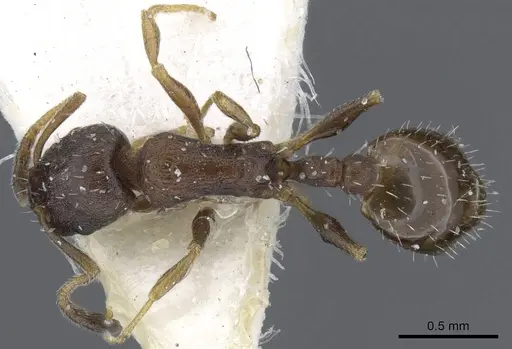
Irodalom
Elterjedési térkép betöltése...Termékek betöltése...