
Temnothorax peyerimhoffi
- Tud. név
- Temnothorax peyerimhoffi
- Nemzetség
- Crematogastrini
- Alcsalád
- Myrmicinae
- Szerző
- Santschi, 1929
- Elterjedés
- 0 országban megtalálható
Bevezetés
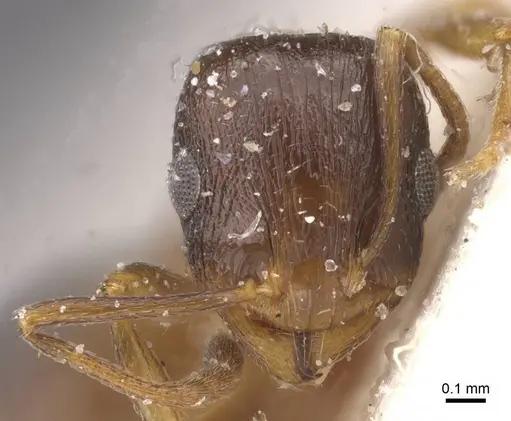
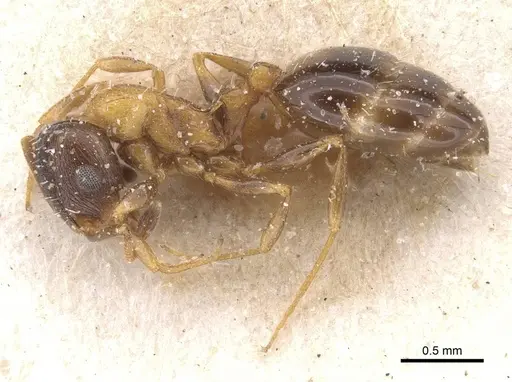
Temnothorax peyerimhoffi is a tiny ant species from the Hoggar region of central Algeria, deep in the Sahara Desert. Workers measure 3.2 mm and have a rectangular head, very long scapes that reach the back of the head, and relatively long spines on the propodeum that point upward and outward . Body color ranges from yellowish-brown to blackish-brown, with the pronotum and mesonotum often lighter . It was originally described in Leptothorax and later moved to Temnothorax . In 2017 researchers excluded it from the T. angustulus group and placed it near T. tyndalei in the exilis group based on its unique features (very long spines, pedunculated petiolar node, exceptionally long scapes) .
Quick Summary
- Difficulty: Medium
- Origin & Habitat: Native to the Sahara Desert in Algeria (Hoggar Mountains), an extremely hot and dry region with summer temperatures often exceeding 40°C [1][2].
- Colony Type: Colony structure is unconfirmed. Likely single-queen based on typical Temnothorax patterns, but no direct data exists.
- Size & Growth:
- Queen: Not described in available literature, size data unavailable.
- Worker: 3.2 mm [1][2]
- Colony: Unknown, likely under 100 workers (typical for small Temnothorax).
- Growth: Moderate (estimated from genus patterns)
- Development: Unknown, based on related Temnothorax, estimate 6-10 weeks at optimal temperature. (Development estimates are based on genus-level data, not species-specific research.)
- Antkeeping:
- Temperature: Aim for 24-28°C (inferred from hot desert habitat). A small heating cable on one side of the nest can create a gradient. Avoid extremes above 35°C.
- Humidity: Keep low to moderate. Sahara species prefer dry conditions: keep nest substrate slightly moist but allow portions to dry completely. Good ventilation is important.
- Diapause: Likely none or very minimal due to desert origin. A brief cool period (2-3 months at 15-18°C) may be optional but is not required.
- Nesting: In nature they likely nest in soil or under stones in rocky desert. In captivity, use a Y-tong (AAC) or plaster nest with small chambers. Keep chambers dry.
- Behavior: These are peaceful, non-aggressive ants. They rely on a smear-type venom defense (typical of Myrmicinae tribe Crematogastrini). Workers are slow-moving and forage individually. Due to their tiny size (3.2 mm), escape risk is high, ensure tight seals and use fluon on openings.
- Common Issues: very limited scientific data means care requirements are estimates, be prepared to adjust conditions., Sahara species may not tolerate cool or damp conditions, keep warm and relatively dry., small colony size means slow population growth, patience is needed., wild-caught colonies may carry parasites or diseases that are hard to treat., tiny size makes escape prevention critical, check for gaps regularly.
Origin and Natural Habitat
Temnothorax peyerimhoffi was first described from the Hoggar Mountains in the central Sahara Desert, Algeria [1]. The type specimens were collected at Oued Ilâman in March 1928,with a queen found at the same site [1][2]. This region experiences extreme temperatures (often above 50°C during summer) and very low humidity. The species shows affinities to Mediterranean fauna through its similarity to T. angustulus, but has adapted to much harsher desert conditions [1].
Identification and Morphology
Workers are 3.2 mm long [1][2]. Key features: head rectangular (about one-fifth longer than wide), scapes very long (exceeding posterior head margin), eyes larger than in T. angustulus, propodeal spines straight and oblique (as long as 4/5 of the distance between their bases), petiolar node triangular and pedunculated, and gaster very shiny [1][2]. Body color: head, scapes, mid femora, and most of gaster yellowish-brown to blackish-brown, thorax lighter. The species was removed from the angustulus group in 2017 and placed near T. tyndalei in the exilis group due to its unique morphology [4].
Temperature and Humidity
As a desert species, you'll need to keep them warm and dry. The nest temperature should be around 24-28°C (inferred from their hot desert habitat). Use a small heating cable on one side to create a gradient. Avoid overheating above 35°C. Humidity should be low, keep the nest substrate slightly moist but let parts dry completely. Good ventilation helps prevent mold. Room temperature (20-24°C) may slow development.
Feeding and Diet
Diet is not documented for this species. Based on typical small Temnothorax, they likely eat tiny insects (fruit flies, springtails, pinhead crickets) and honeydew. In captivity, offer sugar water or honey water and small protein sources. Prey must be appropriately sized for 3.2 mm workers. Remove uneaten food within 24 hours to avoid mold. Feed every few days and adjust based on colony appetite.
Nesting and Housing
In the wild, they likely nest in soil or under stones in rocky desert terrain [1]. For captive colonies, use a Y-tong (AAC) or plaster nest with small chambers, colonies stay modest in size. A test tube setup can work for founding, but monitor humidity carefully since they prefer dry conditions. Escape prevention is crucial due to their tiny size: seal all gaps, use fluon on openings, and ensure connections between nest and outworld are secure.
Colony Development
Very little is known about colony development for this species. Founding type is unconfirmed, if claustral, the queen would seal herself in a chamber and raise the first workers using stored fat reserves. The first workers (nanitics) will be smaller than normal. Based on genus patterns, colony growth is slow and may reach 50-100 workers after a year or more. The queen likely lives several years. All workers are similar in size (no major/minor castes). Patience is key.
Frequently Asked Questions
How long does it take for Temnothorax peyerimhoffi to develop from egg to worker?
The exact time is unknown. Based on related Temnothorax, estimate 6-10 weeks at 24-28°C.
What temperature should I keep Temnothorax peyerimhoffi at?
Aim for 24-28°C, inferred from their hot desert habitat. A heating cable on one side of the nest can create a gradient. Avoid extremes above 35°C.
How big do Temnothorax peyerimhoffi colonies get?
Not recorded, but likely under 100 workers (typical for small Temnothorax).
Do Temnothorax peyerimhoffi ants sting?
As Myrmicinae, they have a stinger, but they use a smear-type venom and are not aggressive. Their sting is negligible to humans.
What do Temnothorax peyerimhoffi eat?
Likely small insects and honeydew. Offer tiny prey like fruit flies, springtails, or pinhead crickets, along with sugar water. Adjust feeding based on colony activity.
Are Temnothorax peyerimhoffi good for beginners?
This species is rated medium difficulty. The main challenges are limited scientific data (so care is estimated) and providing the correct warm, dry conditions. Beginners should be prepared to observe and adapt.
Do Temnothorax peyerimhoffi need hibernation?
True hibernation is likely not required as they come from a desert climate with year-round warmth. A brief cool period (2-3 months at 15-18°C) may be optional but is not necessary.
Can I keep multiple Temnothorax peyerimhoffi queens together?
Colony structure is unconfirmed. Based on typical Temnothorax, they are likely monogyne. Combining unrelated queens is not recommended as it could lead to fighting.
What size nest do I need for Temnothorax peyerimhoffi?
Use a small nest (Y-tong or plaster) with small chambers. A test tube can suffice for founding. Keep chambers dry and well-ventilated.
How do I identify Temnothorax peyerimhoffi?
Workers are 3.2 mm with very long scapes reaching the back of the head, relatively long upward-pointing propodeal spines, and a shiny gaster. Head is rectangular, longer than wide [1][2].
Report an Issue
The current care sheet is based fully on literature. See inconsistencies, or something that's incorrect? Please , it will be resolved after review from an admin. Contributing to the blogs tab also helps providing information, to make us be able to further improve the caresheets. Thank you for your support!
References

Ez a tartási útmutató a következő licenc alatt áll: CC BY-SA 4.0 .
Közösségi blogok
CASENT0912981
Megtekintés az AntWeb-en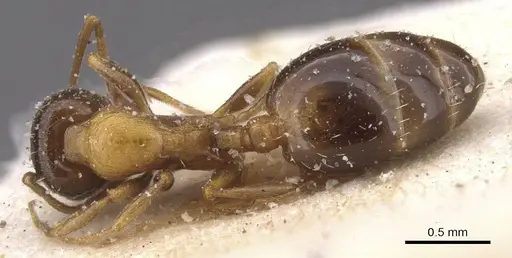
Irodalom
Elterjedési térkép betöltése...Termékek betöltése...