
Tapinoma epinotale
- Tud. név
- Tapinoma epinotale
- Nemzetség
- Tapinomini
- Alcsalád
- Dolichoderinae
- Szerző
- Karavaiev, 1935
- Elterjedés
- 0 országban megtalálható
Bevezetés
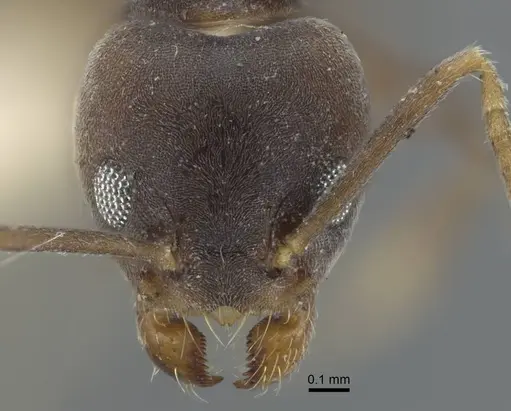
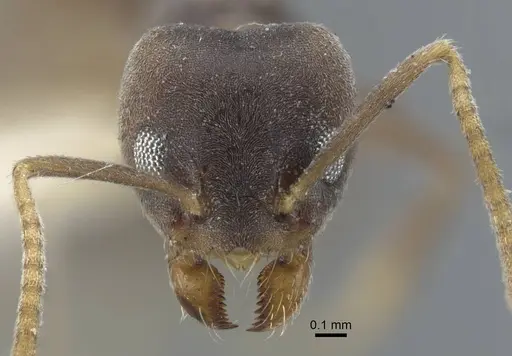
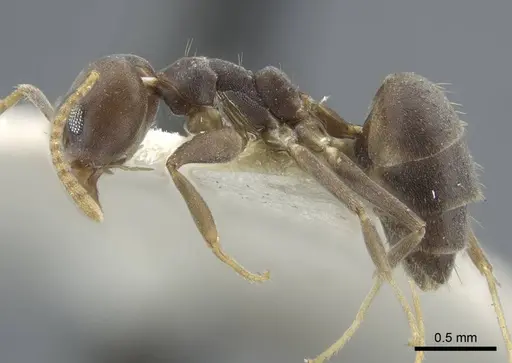
Tapinoma epinotale is a small, dark ant species described from Vietnam in 1935 . Only the worker caste has been documented, from specimens collected at Phu-Ho, Tonkin . Like other Dolichoderinae, it lacks a functional sting and instead produces sticky, foul-smelling secretions from an anal gland as a defense. This species remains poorly studied, with no biological data beyond the original description. As a tropical ant from the Indomalaya region (Vietnam), it likely needs warm, humid conditions typical of Southeast Asian forests. The complete life cycle, colony structure, and specific care requirements have not been documented in scientific literature.
Quick Summary
- Difficulty: Unknown
- Origin & Habitat: Phu-Ho, Tonkin (Vietnam) in the Indomalaya region [1][2]. Likely inhabits tropical forest environments with warm temperatures and high humidity.
- Colony Type: Unconfirmed, based on genus patterns, likely single-queen (monogyne) colonies, but this is unproven for this species.
- Size & Growth:
- Queen: Unknown, queen has not been described [2].
- Worker: Unknown, specific measurements not provided in original description [2].
- Colony: Unknown, colony size has not been documented.
- Growth: Unknown
- Development: Unknown, development has not been studied. (No data exists for this species. Related Tapinoma species typically develop from egg to worker in 4-8 weeks at warm temperatures.)
- Antkeeping:
- Temperature: Likely 22-28°C based on tropical Indomalayan distribution and related species. Provide a warm area in the nest around 24-26°C.
- Humidity: Likely requires high humidity. Keep the nest substrate consistently moist but not waterlogged.
- Diapause: Unlikely, tropical species from Vietnam does not experience harsh winters. No diapause requirement is expected.
- Nesting: Not documented. Most Tapinoma species nest in soil, under stones, or in rotting wood. A naturalistic setup with moist substrate or a Y-tong/plaster nest would be appropriate starting points.
- Behavior: Not documented specifically. Tapinoma genus members are generally not aggressive but will release sticky, foul-smelling secretions from the anal gland when threatened. They are small ants and may escape through tiny gaps. Likely active foragers attracted to sweet substances and small insects.
- Common Issues: No established care protocols exist, any husbandry errors could be fatal., Small size (unknown but typical Tapinoma are small) means escape prevention is critical., All biological data is inferred from genus patterns rather than species-specific research., Tropical species requires stable warm conditions year-round., Lack of recorded captive breeding means keepers are pioneering care for this species.
Species Discovery and Type Material
Tapinoma epinotale was originally described by Karavaiev in 1935 based on worker specimens from Phu-Ho, Tonkin (northern Vietnam) [1][2]. The type locality sits at roughly 21°N, which points to warm, tropical conditions with distinct wet and dry seasons. The collection date of October 10,1931 suggests the species was active in the latter part of the year.
The type specimens consist of two workers (one damaged) collected by K. Davydov. These syntypes are housed in a collection studied by Radchenko and Fisher in 2024 [2]. No additional biological observations have been published since the original description.
Taxonomy and Identification
The genus Tapinoma belongs to the subfamily Dolichoderinae, which lacks a functional stinger. Instead, Tapinoma and related genera defend themselves by releasing sticky, foul-smelling secretions from an anal gland. This gives many Tapinoma species a distinctive pungent smell when disturbed.
Identifying Tapinoma epinotale specifically is tough because only workers are known, and the original description lacks detailed measurements. The species name 'epinotale' likely refers to some feature of the epinotum (the dorsal mesosoma), but without modern photos or specimens for comparison, field identification would be extremely difficult. If you obtain this species, photographing the workers would be useful for the antkeeping community. [2]
Inferred Care Requirements
Since no species-specific care info exists, we have to infer from what's known about the genus and the species' likely habitat. Northern Vietnam's Indomalayan climate is warm year-round (25-35°C) with high humidity during the monsoon. Keep your colony in this temperature range with a slight gradient so workers can regulate. Use a moist naturalistic setup or a Y-tong nest with a water reservoir. If workers avoid the nest area, humidity might be too low. Tapinoma species generally take a varied diet of sugar sources (honey water, sugar water) and small insects. Start with standard ant foods and watch what your colony accepts.
This species should NOT be released in North America or Europe, while Tapinoma epinotale isn't known to be invasive, it's best practice never to release exotic ants. Some Tapinoma relatives have become invasive worldwide.
Current State of Knowledge
This caresheet covers essentially everything known scientifically about Tapinoma epinotale. The species was described from two worker specimens nearly 90 years ago and has had no subsequent scientific attention. That's not unusual, most ant species worldwide are poorly known, many only from their original description.
For antkeepers, this is both a challenge and an opportunity. The challenge is that no established care protocol exists, you'll be pioneering captive husbandry if you get a colony. The opportunity is that any successful captive breeding would provide genuinely new knowledge. Document your observations carefully: colony size over time, brood development speed, queen behavior, and any unique traits you notice.
If you specifically want to keep this species, your best bet is connecting with researchers or collectors with material from Vietnam. It's extremely unlikely to be available through commercial ant vendors. [2]
Frequently Asked Questions
How do I care for Tapinoma epinotale ants?
No established care protocol exists. Based on its tropical Vietnamese distribution and genus patterns, provide temperatures of 24-28°C, keep the nest substrate consistently moist, and offer sugar sources and small insects. You'll be pioneering captive care for this species.
Where does Tapinoma epinotale come from?
Only known from northern Vietnam, specifically the Phu-Ho area in Tonkin. Described in 1935 and not documented elsewhere [1][2].
Can I keep multiple queens together?
Unknown, colony structure hasn't been studied. Most Tapinoma species are monogyne (single queen), but we have no data for T. epinotale. Don't attempt combining unrelated queens without specific evidence.
How long does it take for Tapinoma epinotale to develop from egg to worker?
Unknown, no development data exists. Related Tapinoma species typically take 4-8 weeks at around 25°C. Expect a similar timeline if your colony reproduces.
Is Tapinoma epinotale a good species for beginners?
No. This is one of the least documented ant species in the hobby, with no established care protocols. Not recommended for beginners or even experienced keepers unless you're specifically interested in pioneering care.
How big do Tapinoma epinotale colonies get?
Unknown, colony size hasn't been documented. Most Tapinoma species form moderate-sized colonies of several hundred to a few thousand workers. Expect similar if you successfully establish a colony.
Do Tapinoma epinotale need hibernation?
Unlikely. This is a tropical species from Vietnam, which doesn't experience cold winters. No diapause or hibernation expected. Keep temperatures stable and warm year-round.
Where can I get Tapinoma epinotale?
This species is extremely rare in the hobby and not commercially available. You'd need to connect with researchers or field collectors in Vietnam. Be cautious of any vendor claiming to offer it, verify the source carefully.
What do Tapinoma epinotale eat?
Not specifically documented, but Tapinoma genus members are generalists that accept sugar sources (honey, sugar water) and small insects. Offer a varied diet and observe what your colony prefers.
Report an Issue
The current care sheet is based fully on literature. See inconsistencies, or something that's incorrect? Please , it will be resolved after review from an admin. Contributing to the blogs tab also helps providing information, to make us be able to further improve the caresheets. Thank you for your support!
References

Ez a tartási útmutató a következő licenc alatt áll: CC BY-SA 4.0 .
Közösségi blogok
CASENT0917131
Megtekintés az AntWeb-en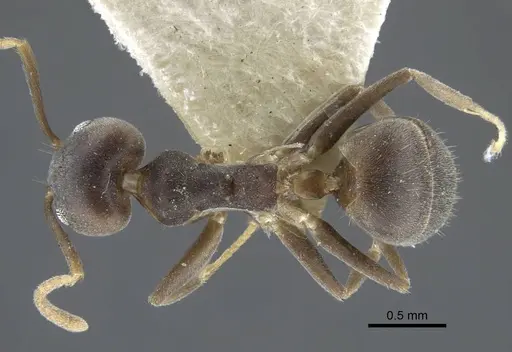
Irodalom
Elterjedési térkép betöltése...Termékek betöltése...