
Strumigenys fixata
- Tud. név
- Strumigenys fixata
- Nemzetség
- Attini
- Alcsalád
- Myrmicinae
- Szerző
- Bolton, 2000
- Elterjedés
- 0 országban megtalálható
Bevezetés
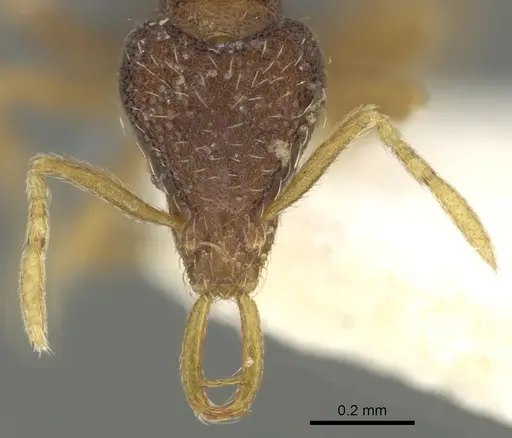
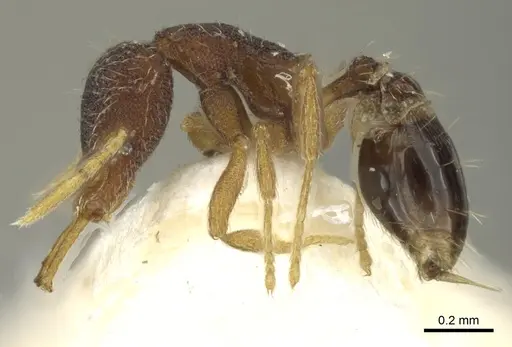
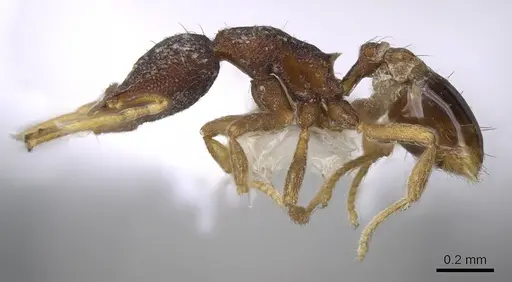
Strumigenys fixata is a minute predatory ant species endemic to the Western Ghats of India, specifically found in Karnataka and Kerala states. Workers measure 2.0-2.1mm in total length, making them one of the smaller ants you can keep. They belong to the Strumigenys mayri group (feae-complex) and are known for their specialized trap-jaw mandibles, used for hunting small prey like springtails. The species was described by Bolton in 2000 and is known from only a handful of collections in high-elevation rainforest areas around 1200-1400m altitude . This species stands out for having the broadest head and shortest antennae (scapes) within its species complex, along with a uniquely reduced spongy structure on the underside of the petiole. Like other Strumigenys, they are specialized predators that use their snap-jaw mandibles to capture tiny arthropods in rainforest leaf litter. Their entire known range is limited to a small region of southern India, making them a rare and unusual species for antkeepers seeking something unique.
Quick Summary
- Difficulty: Hard
- Origin & Habitat: Endemic to the Western Ghats mountain range in southern India, specifically recorded from Karnataka and Kerala states. They inhabit rainforest leaf litter at elevations of 1200-1400 meters, collected from humid forest floor samples [2][3].
- Colony Type: Colony structure is unconfirmed, no research documents queen number or colony organization for this species. Based on typical Strumigenys patterns, colonies likely have a single queen (monogyne), but this is inference only.
- Size & Growth:
- Queen: Undescribed, queen size is not documented in available literature [1].
- Worker: 2.0-2.1mm total length [1].
- Colony: Unknown, no colony size data exists for this species. Related Strumigenys species typically form colonies of several dozen to a few hundred workers.
- Growth: Unknown, no development data exists. Based on related species, growth is likely slow to moderate.
- Development: Unconfirmed, no direct data for this species. Based on typical Strumigenys patterns from similar tropical litter-dwelling species, expect 6-10 weeks from egg to first worker at optimal temperature. This is an estimate.
- Antkeeping:
- Temperature: Keep around 22-26°C. They come from moderate elevations in the Indian Western Ghats where temperatures are mild but humid. Avoid temperatures above 30°C. A gentle gradient is helpful, with the nest area at the lower end of this range.
- Humidity: High humidity is essential, they live in rainforest leaf litter and require consistently moist substrate. Keep the nest substrate damp but not waterlogged, with some condensation visible. Think damp forest floor conditions.
- Diapause: Unknown, no research documents overwintering requirements. Given their high-elevation tropical origin, they likely do not require true hibernation but may benefit from a slight temperature reduction during winter months to simulate seasonal patterns.
- Nesting: In captivity, they do well in naturalistic setups with very small chambers or in modified test tube setups. They prefer tight, humid spaces scaled to their tiny size. A layer of moist soil/peat mixed with leaf litter works well to replicate their natural habitat. Y-tong or plaster nests with very small chambers that hold moisture are also suitable.
- Behavior: Strumigenys fixata is a specialized predator that uses its trap-jaw mandibles to capture tiny prey, primarily springtails and other micro-arthropods found in leaf litter. They are not aggressive toward larger threats and will typically flee rather than engage. Their tiny size (under 3mm) makes them excellent escape artists, they can squeeze through remarkably small gaps. They are shy and secretive, spending most of their time hunting within the substrate rather than foraging openly in the outworld. Activity levels are moderate, they maintain steady but not frantic foraging patterns within their hunting areas.
- Common Issues: escape prevention is critical, they are tiny and will squeeze through standard barrier setups, use fine mesh and tight-fitting lids., high humidity requirements can lead to mold problems if ventilation is inadequate., slow growth and small colony sizes mean losses can feel sudden and significant., specialized diet makes them challenging, they need live micro-prey and may not accept alternatives., limited information means keepers are largely pioneering husbandry techniques for this species.
Housing and Nest Setup
Strumigenys fixata requires a setup that replicates their natural leaf litter habitat. Their tiny size means standard formicarium chambers are far too large, you need tight, miniaturized spaces. A naturalistic setup works best: a shallow container filled with moist substrate (a mix of peat, coco fiber, and small leaf litter pieces) that allows them to hunt through the material. Alternatively, a modified test tube setup with a very small chamber section or a custom nest with appropriately scaled chambers (5-10mm wide passages) works well. The key is maintaining high humidity while ensuring adequate ventilation to prevent mold. Place a water reservoir connected to the nest area to maintain moisture over time without frequent disturbances.
Feeding and Diet
This species is a specialized predator on tiny arthropods, primarily springtails (collembola), which form the bulk of their natural diet in leaf litter. You must provide live springtails as a primary food source, they will not thrive on dead prey or standard ant foods. Other small live prey like booklice, dust mites, and fruit fly larvae may be accepted, but springtails should be the staple. Some Strumigenys species occasionally accept honey or sugar water, but this is not guaranteed and should only be offered as an occasional supplement. Do not overfeed, small amounts of prey that are consumed within a day or two are appropriate. Uneaten live prey can establish in the setup and become either a food source or a problem, so remove any excess.
Temperature and Humidity Control
Maintain temperatures in the 22-26°C range, avoiding both extremes. They come from moderate elevations in the Indian Western Ghats where conditions are humid but not extremely hot. Use a low-wattage heating mat on one side of the enclosure only if room temperature falls below 22°C, and always monitor with a thermometer. Humidity is the more critical factor, aim for 70-85% relative humidity within the nest area. Use a moisture-retaining substrate and check regularly that it has not dried out. A thin layer of water in a reservoir section of the nest helps maintain humidity through evaporation. Avoid placing the setup near direct sunlight or heating vents, which can cause rapid drying.
Handling and Observation
Due to their tiny size and secretive nature, direct handling is not recommended and rarely necessary. Observation is best done through the side of the nest, they spend most of their time hunting within the substrate rather than in open spaces. When you need to move them (for cleaning or transfers), use gentle coaxing with a soft brush or allow them to walk into a small container. Never shake or dump colonies, as their small size makes them fragile and easy to lose. Colonies are slow-growing, so patience is essential, do not disturb the nest frequently to check on progress. Monthly checks are sufficient for established colonies.
Colony Establishment
If you acquire a founding queen (claustral behavior is suspected but unconfirmed), she should be kept in a small, humid setup, a test tube with a cotton plug separating a small water reservoir from a dry chamber works well for the founding stage. The chamber should be just large enough for the queen to move around, with a small piece of moist substrate at one end. Keep the setup dark and undisturbed for 4-6 weeks, then check gently for the presence of workers (nanitics). If the queen does not seal herself in and forages, adjust to provide small live prey during founding. Once workers are present, gradually transition to a more elaborate setup as the colony grows.
Frequently Asked Questions
How long does it take for Strumigenys fixata to produce first workers?
The egg-to-worker timeline is unconfirmed for this specific species. Based on typical Strumigenys patterns for similar tropical litter-dwelling species, expect approximately 6-10 weeks from egg to first worker at optimal temperature (around 24°C). This is an estimate derived from genus-level patterns, not confirmed species-specific data. Patience is essential as growth is typically slow.
Can I keep Strumigenys fixata in a test tube setup?
Yes, test tubes can work for founding colonies and small colonies, but standard test tube chambers are too large for these tiny ants. Use a small-diameter test tube (like those used for very small species) or modify a standard tube by adding a small chamber section. The key requirements are high humidity and appropriately scaled spaces, if the chamber is too large, the ants may not feel secure and may not forage properly. A naturalistic setup with small chambers often produces better results for established colonies.
What do Strumigenys fixata ants eat?
They are specialized predators that require live micro-prey, primarily springtails. This is not optional, they will not thrive on dead food or standard ant diets. Offer live springtails regularly (every few days for an active colony), and occasionally experiment with other tiny live prey like booklice, dust mites, or fruit fly larvae. Some keepers report occasional acceptance of honey or sugar water, but do not rely on these as staples. The key is providing appropriately sized live prey.
How big do Strumigenys fixata colonies get?
The maximum colony size is unknown as no research has documented colony sizes for this species. Based on typical Strumigenys patterns, colonies likely reach several dozen to a few hundred workers at maturity. They are not large colony formers, expect modest colony sizes even at full maturity. Growth is typically slow, and colonies remain relatively small compared to many common ant species.
Do Strumigenys fixata ants need hibernation or diapause?
Diapause requirements are unconfirmed for this species. They come from high-elevation tropical rainforest in the Western Ghats, where temperatures remain mild year-round. A true hibernation is likely not necessary, but you may consider a slight temperature reduction (by 2-4°C) during winter months to simulate natural seasonal patterns. Avoid sudden temperature drops or prolonged cold periods, if in doubt, maintain stable temperatures year-round.
Why are my Strumigenys fixata dying?
Common causes include: too dry conditions (they require high humidity, if substrate feels dry, mist gently and add moisture), temperature extremes (above 30°C or below 18°C can be harmful), inadequate food (they need live springtails, not dead prey), mold from poor ventilation, or escape (their tiny size means they can slip through barriers). Review each of these factors and adjust accordingly. Also check for stress from too-frequent disturbances, they prefer stability.
Is Strumigenys fixata suitable for beginners?
No, this species is not recommended for beginners. Their care requirements are specialized: they need high humidity, very small housing, and critically, a constant supply of live springtails as food. They are escape artists, slow-growing, and there is limited husbandry information available since they are rarely kept. They are best suited for experienced antkeepers who have successfully kept other micro-ant species and can provide the consistent care they require.
When should I move Strumigenys fixata to a larger setup?
Move to a larger setup when the colony reaches roughly 20-30 workers and the current setup appears crowded (ants bunching together, limited foraging activity). The transition should be gradual, place the old setup inside the new one and allow the ants to move themselves over a few days. Do not rush to upgrade, they actually prefer tighter spaces. For Strumigenys, a naturalistic setup with small chambers tends to work better than large formicaria regardless of colony size.
Can I keep multiple queens together in one colony?
This is unconfirmed, no research documents whether Strumigenys fixata can have multiple queens (polygyne) or whether they are single-queen (monogyne) species. Based on typical Strumigenys patterns, they likely form single-queen colonies. Do not attempt to combine unrelated foundress queens unless you have specific evidence this species tolerates pleometrosis. If you acquire multiple founding queens, house them separately to avoid conflict.
Report an Issue
The current care sheet is based fully on literature. See inconsistencies, or something that's incorrect? Please , it will be resolved after review from an admin. Contributing to the blogs tab also helps providing information, to make us be able to further improve the caresheets. Thank you for your support!
References

Ez a tartási útmutató a következő licenc alatt áll: CC BY-SA 4.0 .
Közösségi blogok
CASENT0102651
Megtekintés az AntWeb-en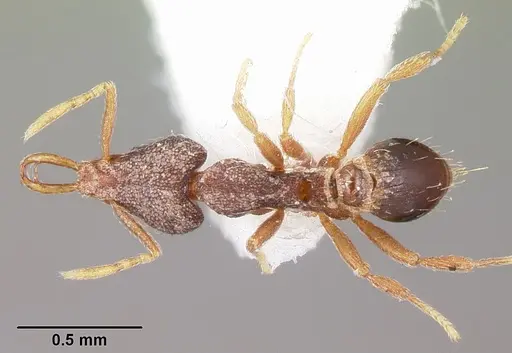
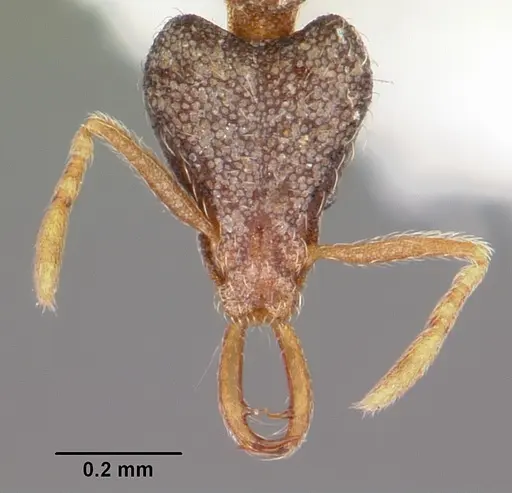
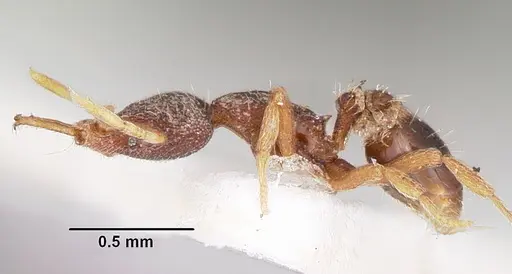
CASENT0900844
Megtekintés az AntWeb-en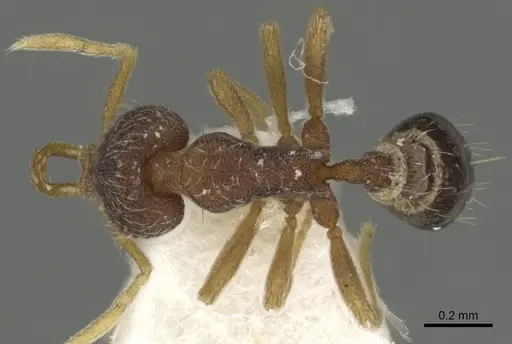
CASENT0914794
Megtekintés az AntWeb-en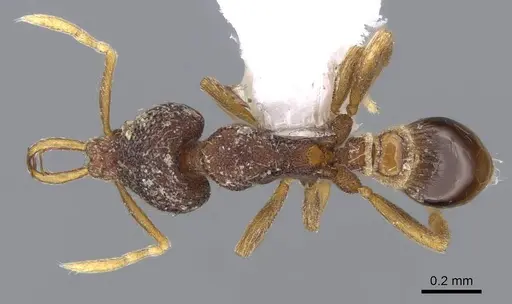

Irodalom
Elterjedési térkép betöltése...Termékek betöltése...