
Solenopsis deserticola
- Tud. név
- Solenopsis deserticola
- Nemzetség
- Solenopsidini
- Alcsalád
- Myrmicinae
- Szerző
- Ruzsky, 1905
- Elterjedés
- 0 országban megtalálható
Bevezetés
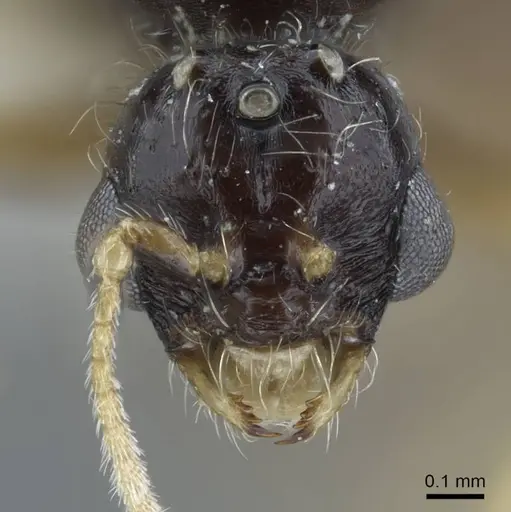
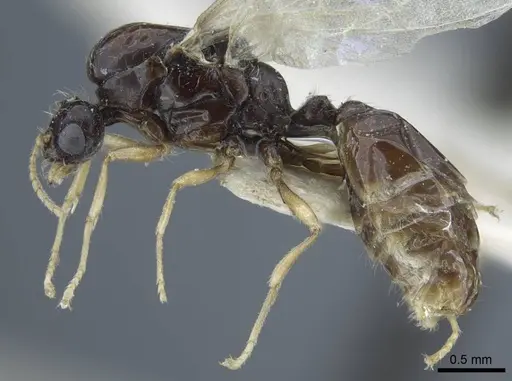
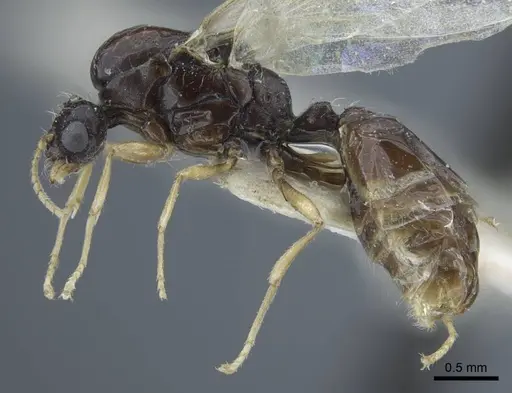
Solenopsis deserticola is a small ant from the dry steppes and semi‑deserts of Central Asia and the Caucasus. It has been recorded in Armenia, Azerbaijan, Kazakhstan, Turkmenistan, and southern Russia . Workers are small and have relatively parallel head sides, but safe identification from similar Solenopsis species is only possible by examining the sexuals . They live in open, arid habitats such as steppe grasslands and semi‑desert areas. Like other Solenopsis, they are predatory hunters that move quickly and recruit nest‑mates to food sources.
Quick Summary
- Difficulty: Medium
- Origin & Habitat: Palaearctic: dry steppes, semi‑deserts, and similar arid regions of Central Asia (Kazakhstan, Turkmenistan, Uzbekistan) and the Caucasus (Armenia, Azerbaijan, southern Russia) [1][2][3].
- Colony Type: Unknown. Most Solenopsis species are monogyne (single‑queen), but this has not been confirmed for S. deserticola.
- Size & Growth:
- Queen: ~5‑7 mm (inferred from Solenopsis genus, no direct measurements)
- Worker: Small, ~2‑4 mm (inferred from Solenopsis genus, no direct measurements)
- Colony: Unknown, likely several hundred workers (inferred from related species)
- Growth: Unknown (typical small‑Myrmicinae moderate pace suspected)
- Development: Unknown, estimated 6‑8 weeks based on related Solenopsis at warm temperatures (All development data is inferred, no species‑specific studies exist.)
- Antkeeping:
- Temperature: Keep the nest warm (roughly 24‑28°C) during the active season. Create a gradient with a heating cable so ants can choose their preferred spot. Avoid temperatures above 35°C.
- Humidity: Low to moderate, these are dry‑habitat ants. Keep the nest substrate only slightly moist in one area, letting most of it stay dry. Provide a water tube but do not over‑moisten the nesting area.
- Diapause: Likely required. Their native range has cold winters, so a 2‑3 month rest at 10‑15°C is recommended. Reduce feeding and keep them undisturbed in a cool location.
- Nesting: Y‑tong (AAC) or plaster nests with small, tight chambers work well. Avoid overly humid or wet materials. They feel safer in compact spaces.
- Behavior: Active, fast‑moving foragers that hunt small arthropods. They are not aggressive toward humans but will sting if handled. Their small size makes escape a risk, use Fluon or similar barriers on test tubes and outworlds. Foraging is likely crepuscular/nocturnal (typical of the genus).
- Common Issues: colonies can stall if kept too cold, maintain warmth except during diapause., over‑humid conditions cause mold and colony decline, keep nesting area mostly dry., their small size makes escape likely without proper barriers on test tubes and outworlds., wild‑caught colonies may carry parasites that can devastate a captive colony.
Housing and Nest Setup
Because Solenopsis deserticola workers are very small, test tubes work perfectly for founding colonies. Use a small water reservoir and a tight cotton plug to prevent escapes. Once the colony reaches about 30-50 workers, you can move them to a Y‑tong (AAC) formicarium with narrow chambers. Plaster nests that stay mostly dry are also suitable. Avoid large open spaces, these ants prefer compact, dark chambers. Always use escape‑proof barriers: Fluon or PTFE on test tube rims and outworld walls. They can squeeze through gaps as small as 1 mm, so check all seals carefully.
Feeding and Diet
These ants are predators that need protein‑rich food. Offer small live prey such as fruit flies, pinhead crickets, and small mealworms. They will also accept dead insects and commercial ant foods. Provide occasional drops of honey or sugar water, but protein should make up most of the diet. Feed small amounts 2-3 times per week and remove uneaten prey within 24 hours to prevent mold. Growing colonies need more frequent feeding.
Temperature and Seasonal Care
Keep the nest at 24-28°C during the active season. These ants come from hot Central Asian summers and tolerate heat well, but avoid temperatures above 35°C. During winter, provide a diapause period of 2-3 months at 10-15°C. This mimics their natural cycle and supports long‑term colony health. Reduce feeding during hibernation and avoid disturbing the colony. In spring, gradually increase temperatures, a few weeks at room temperature followed by full heating works well.
Behavior and Colony Dynamics
Solenopsis deserticola shows typical thief‑ant behavior: workers move quickly when foraging and recruit nestmates to food sources. They are not aggressive toward keepers but will defend the nest if disturbed. The sting is mild (comparable to a mosquito bite). Colonies grow moderately once established, though exact growth rates are not documented. Provide upgrade options as the colony expands, but keep chambers small to reduce stress.
Frequently Asked Questions
How long does it take for Solenopsis deserticola to produce first workers?
The exact time is unknown because no developmental studies exist for this species. Based on related Solenopsis kept at warm temperatures (26-28°C), first nanitic workers may appear after about 6-8 weeks, but this is an estimate.
Can I keep multiple Solenopsis deserticola queens together?
Not recommended. Colony structure is undocumented, but most Solenopsis are monogyne (single queen). Combining unrelated queens usually leads to fighting. House each queen separately unless you observe tolerance in a wild colony.
What do Solenopsis deserticola eat?
They are predators and need live or dead insects as their main food. Small crickets, fruit flies, mealworms, and other tiny arthropods are ideal. They also accept sugar water or honey occasionally. Offer protein 2-3 times weekly.
Do Solenopsis deserticola need hibernation?
Yes, a winter diapause is recommended. Their native range has cold winters, so keep them at 10-15°C for 2-3 months. Reduce feeding and avoid disturbance. This rest period helps maintain colony health long‑term.
How big do Solenopsis deserticola colonies get?
Colony size is not documented. Based on related species, they likely reach several hundred workers over 1-2 years. Growth rate is moderate, not extremely fast or slow.
Are Solenopsis deserticola good for beginners?
They are of moderate difficulty. Their small size and need for warm, dry conditions make them slightly trickier than common species like Lasius niger. But they are hardier than many exotic tropical ants. If you have experience with one or two other species, this can be a good intermediate project.
Why are my Solenopsis deserticola dying?
Common causes include: too much humidity (keep nesting area dry), temperatures below 20°C (they need warmth), mold from overfeeding, or parasites from wild‑caught colonies. Check your setup. Also ensure they get enough protein, a diet of only sugar water causes decline.
When should I move my colony to a formicarium?
Move from test tube to formicarium when the colony reaches about 30-50 workers and the test tube becomes crowded. Choose a setup with appropriately small chambers, too‑large spaces stress small colonies. Keep conditions similar to what they had.
Report an Issue
The current care sheet is based fully on literature. See inconsistencies, or something that's incorrect? Please , it will be resolved after review from an admin. Contributing to the blogs tab also helps providing information, to make us be able to further improve the caresheets. Thank you for your support!
References

Ez a tartási útmutató a következő licenc alatt áll: CC BY-SA 4.0 .
Közösségi blogok
CASENT0917006
Megtekintés az AntWeb-en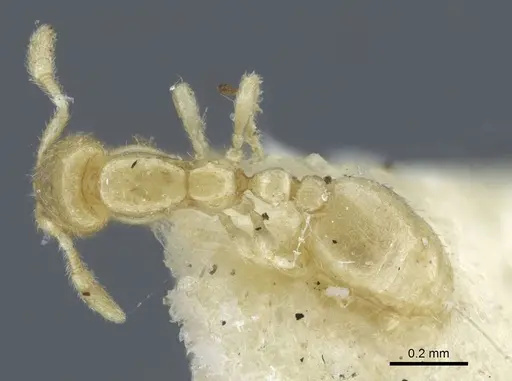
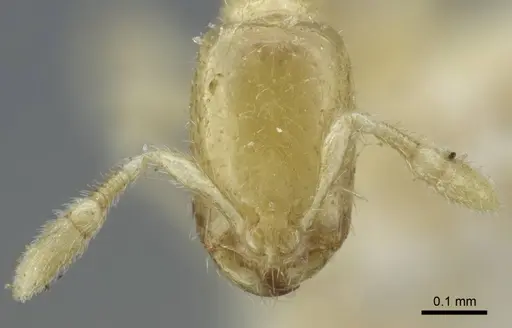
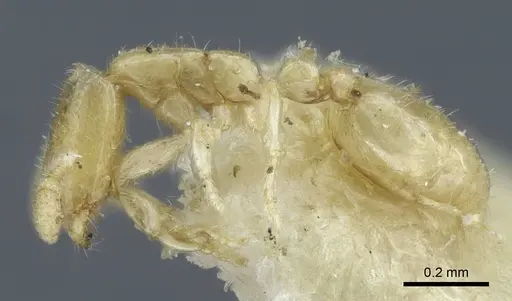
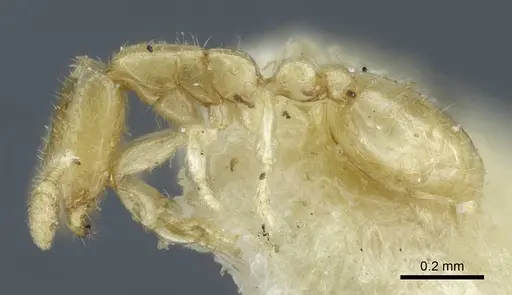
CASENT0917007
Megtekintés az AntWeb-en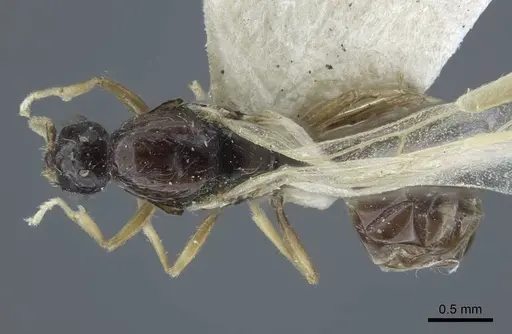
Irodalom
Elterjedési térkép betöltése...Termékek betöltése...