
Polyrhachis mellita
- Tud. név
- Polyrhachis mellita
- Alnem
- Myrmatopa
- Nemzetség
- Camponotini
- Alcsalád
- Formicinae
- Szerző
- Kohout, 2008
- Elterjedés
- 0 országban megtalálható
Bevezetés
Polyrhachis mellita is a medium-sized ant species native to Sulawesi, Indonesia, where it lives in highland agroforest at elevations between 815 and 920 meters . Workers measure approximately 6.4 to 7.5 mm in total length and feature a uniformly yellow body that may show a light brownish tint in some specimens . The species belongs to the Polyrhachis schnag species-group and is identified by its finely sculptured head and pronotal dorsum, along with the specific shape of its petiole spines . Scientists currently know only the worker caste, with no documented queen or male specimens described . As a member of the Formicinae subfamily, these ants lack a functional sting and defend themselves by biting and spraying a stream of concentrated formic acid from an acidopore.
Quick Summary
- Difficulty: Medium
- Origin & Habitat: Sulawesi, Indonesia (Indomalaya Region), highland agroforest between 815 and 920 meters elevation [1]
- Colony Type: Colony structure is unconfirmed because only worker specimens have been collected and described [1].
- Size & Growth:
- Queen: Unknown, no queen specimens have been described [1]
- Worker: ~6.4-7.5 mm [1]
- Colony: Unknown, no colony size data available
- Growth: Unknown, no development data available
- Development: Based on typical Polyrhachis patterns, expect roughly 6-10 weeks from egg to first worker at optimal temperatures. (Development timeline is unconfirmed for this specific species.)
- Antkeeping:
- Temperature: Keep at 24-28°C as a starting point. This species comes from Sulawesi highlands, so moderate warmth with stable humidity is likely appropriate. Adjust based on colony activity.
- Humidity: Moderate to high humidity is likely preferred. Keep the nest substrate consistently moist but not waterlogged, and provide some drier areas for the ants to choose from.
- Diapause: Unknown, Sulawesi has no true winter, so a diapause period is unlikely. However, seasonal temperature variations may cause reduced activity periods.
- Nesting: Polyrhachis species often nest in vegetation, under bark, or in hollow stems. In captivity, a naturalistic setup with vertical surfaces or a Y-tong (AAC) or plaster nest with chambers scaled to their medium size works well. Provide climbing structures.
- Behavior: Polyrhachis ants are generally less aggressive than some genera and are known for their relatively calm temperament. Workers are moderately active and forage on both vegetation and the ground. They possess formic acid as a defense mechanism but are not particularly dangerous to humans. Escape risk is moderate, their medium size makes them less likely to escape than tiny ants, but you must still use secure lids and standard barriers.
- Common Issues: limited availability makes sourcing colonies difficult, unknown colony structure complicates queen-keeping advice, slow growth typical of Polyrhachis may test keeper patience, highland origin means they may not tolerate extreme heat, wild-caught colonies may carry parasites or diseases that are difficult to treat
Nest Preferences and Housing
Polyrhachis mellita is a relatively rare species in the antkeeping hobby, and specific nesting preferences are not documented in scientific literature. However, Polyrhachis species in general often nest in vegetation, under bark, in hollow stems, or in elevated locations. In captivity, you should use a Y-tong (AAC) or plaster nest with chambers sized appropriately for medium-sized ants around 7 mm. Provide some humidity control and ensure the nest has adequate ventilation without being too drafty. Include small water sources or moisture gradients so workers can regulate their humidity preferences. A naturalistic setup with vertical surfaces and climbing structures works best. [1]
Feeding and Diet
Feeding requirements for Polyrhachis mellita specifically have not been studied, but Polyrhachis species are typically omnivorous and accept both sugar sources and protein. You should offer a varied diet including sugar water or honey as a constant energy source, and protein sources such as mealworms, crickets, or other insects. Feed protein roughly twice weekly, adjusting based on colony size and consumption. Fresh water should always be available. Given their origin in Sulawesi's tropical environment, these ants likely have access to honeydew from sap-sucking insects in the wild, so sugar sources are likely well-accepted. Monitor feeding response to refine your colony's preferences over time. [1]
Temperature and Seasonal Care
Polyrhachis mellita originates from Sulawesi highlands at 815-920 meters elevation, suggesting they prefer warm but not extreme temperatures with moderate humidity. Start with temperatures in the 24-28°C range and observe colony behavior. If workers cluster consistently in cooler areas, reduce heat. If they remain active throughout the nest, the temperature is likely suitable. Avoid temperatures above 32°C as this can stress the colony. Sulawesi does not experience true winter, so a diapause period is likely not required. However, you may observe reduced activity during cooler months or if room temperatures drop significantly. If your colony shows signs of slowdown, ensure temperatures remain in their preferred range and maintain humidity. [1]
Behavior and Temperament
Polyrhachis ants are generally known for their relatively calm and non-aggressive temperament compared to some other ant genera. Workers of Polyrhachis mellita are moderately active and will forage both on the ground and on vegetation. As Formicinae ants, they possess a functional acidopore and can spray formic acid as a defense, though they are not considered particularly dangerous to humans. Their medium size (around 7 mm) makes them easier to contain than tiny ants, but you should still use standard escape prevention with secure lids and appropriate barriers. These ants are not known for being particularly territorial or aggressive toward keepers, making them suitable for observation. However, because this species is rarely kept, individual colony personalities may vary. [1]
Colony Establishment and Growth
Since only worker specimens of Polyrhachis mellita have been collected and described, the colony founding behavior is unconfirmed. Based on typical Formicinae patterns, founding queens likely seal themselves in a chamber and survive on stored fat reserves until their first workers emerge. If you obtain a founding queen, keep her in a simple test tube setup with a water reservoir, maintain moderate warmth (around 26°C), and avoid disturbing her during the founding period. Expect several months before first workers appear. Polyrhachis species are generally slower growing than some other genera. Once the colony establishes, growth is typically steady but not rapid. Be patient with this species, as limited data means development timelines are estimates based on related species.
Frequently Asked Questions
How long does it take for Polyrhachis mellita to produce first workers?
The exact development timeline is unconfirmed for this species. Based on typical Polyrhachis patterns, expect roughly 6-10 weeks from egg to worker at optimal temperature (around 26°C). Actual times may vary. Polyrhachis species are generally slower developers than many other ant genera.
What do Polyrhachis mellita ants eat?
While specific feeding preferences are unconfirmed, Polyrhachis species are typically omnivorous. Offer sugar water or honey as a constant energy source, and protein such as mealworms, crickets, or other insects roughly twice weekly. Adjust based on your colony's consumption patterns.
What temperature should I keep Polyrhachis mellita at?
Start with temperatures in the 24-28°C range. This species comes from Sulawesi highlands, so moderate warmth is appropriate. Observe your colony's behavior. If they consistently avoid heated areas, reduce temperature. If they remain active throughout the nest, the temperature is suitable.
Are Polyrhachis mellita good for beginners?
This species is rated as Medium difficulty and is rarely available in the antkeeping hobby. Limited availability and lack of documented care information make it challenging for complete beginners. If you are experienced with medium-sized tropical ants and can source a colony, it may be a rewarding species to keep.
How big do Polyrhachis mellita colonies get?
Colony size is unknown. No colony size data exists in scientific literature for this species. Based on typical Polyrhachis patterns, colonies likely reach several hundred to perhaps over a thousand workers over time, but this is an estimate.
Do Polyrhachis mellita need hibernation?
Diapause is unlikely. Sulawesi has no true winter, and this species originates from a tropical highland environment. However, seasonal temperature variations may cause periods of reduced activity. Maintain consistent warm temperatures year-round.
What size nest do I need for Polyrhachis mellita?
Workers are approximately 6.4-7.5 mm, so medium-sized chambers work well. A Y-tong (AAC) or plaster nest with appropriately sized chambers is suitable. Polyrhachis species often prefer vertical spaces and climbing structures, so include some vertical elements in a naturalistic setup.
Can I keep multiple queens together?
The colony structure of Polyrhachis mellita is unconfirmed. No queen specimens have been collected or described. Without this information, combining unrelated queens is not recommended. Observe any queen you obtain for behavior clues about social structure.
Why is Polyrhachis mellita so rare in the antkeeping hobby?
This species has a very limited distribution (only known from Sulawesi, Indonesia) and was only described in 2008. Limited scientific collection and export restrictions make them rarely available. Most available colonies would likely be wild-caught, which carries risks of parasites or disease.
Report an Issue
The current care sheet is based fully on literature. See inconsistencies, or something that's incorrect? Please , it will be resolved after review from an admin. Contributing to the blogs tab also helps providing information, to make us be able to further improve the caresheets. Thank you for your support!
References

Ez a tartási útmutató a következő licenc alatt áll: CC BY-SA 4.0 .
Közösségi blogok
CASENT0103179
Megtekintés az AntWeb-en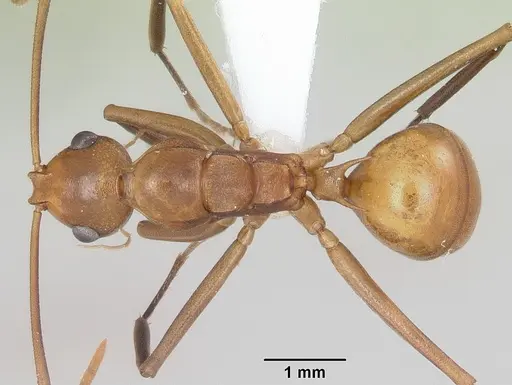
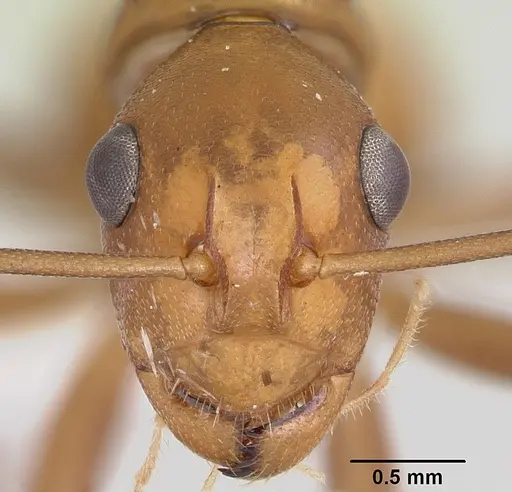
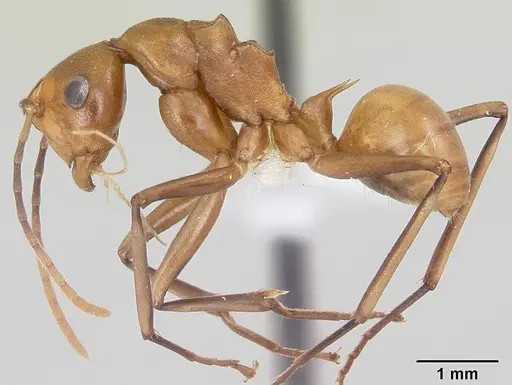
Irodalom
Elterjedési térkép betöltése...Termékek betöltése...