
Polyrhachis litigiosa
- Tud. név
- Polyrhachis litigiosa
- Alnem
- Myrma
- Nemzetség
- Camponotini
- Alcsalád
- Formicinae
- Szerző
- Emery, 1897
- Elterjedés
- 0 országban megtalálható
Bevezetés
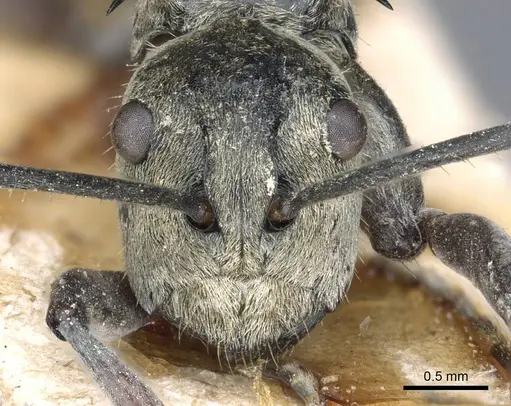
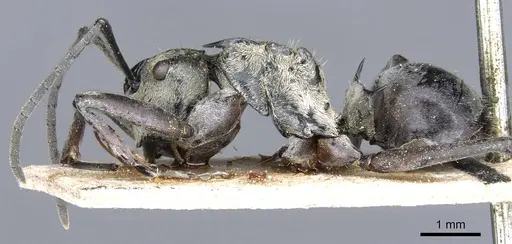
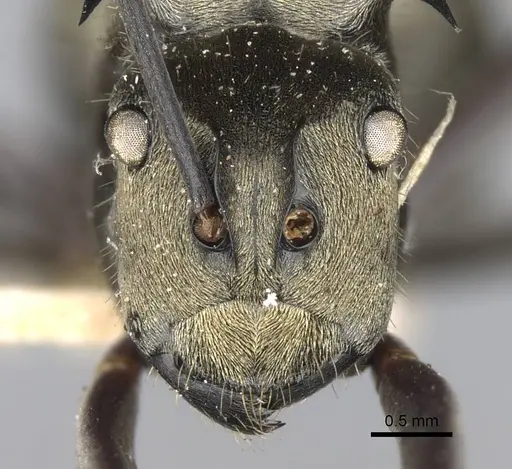
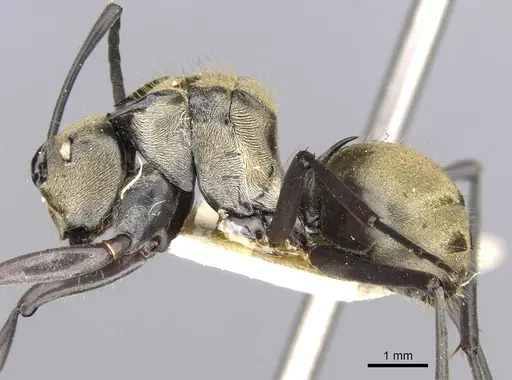
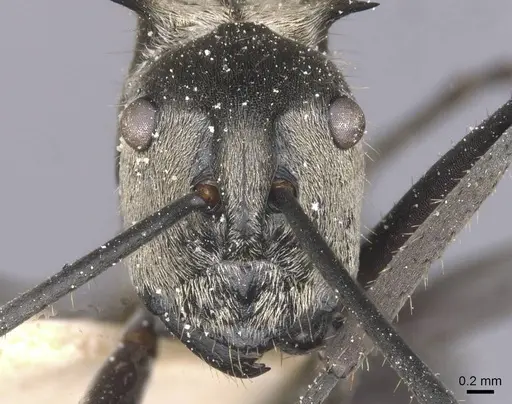
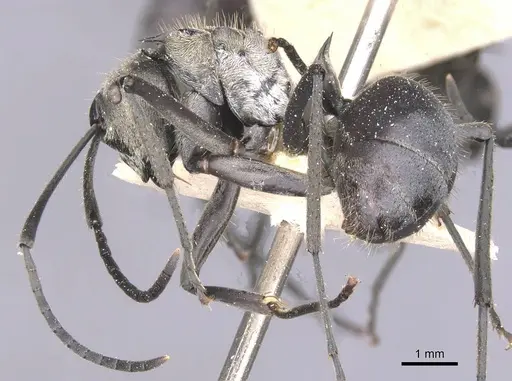
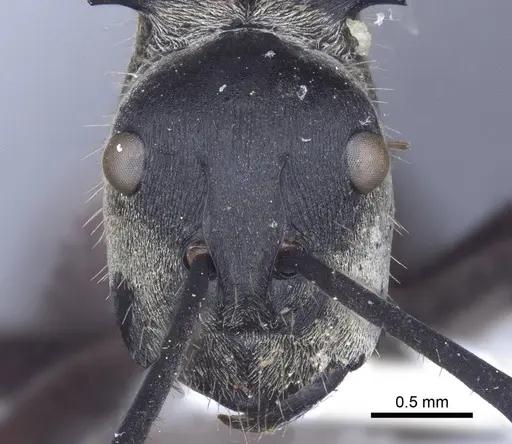
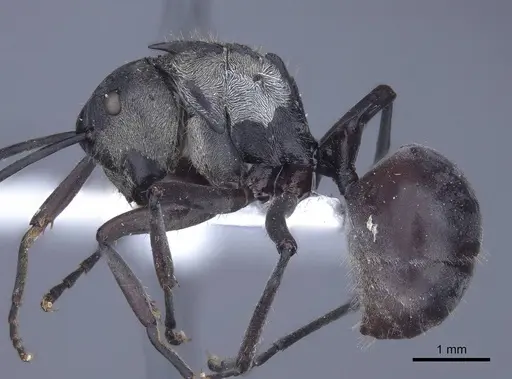
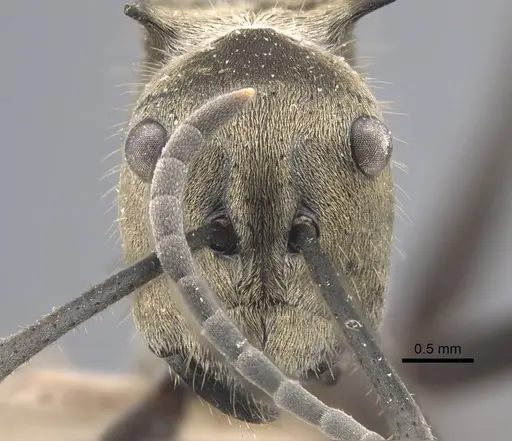
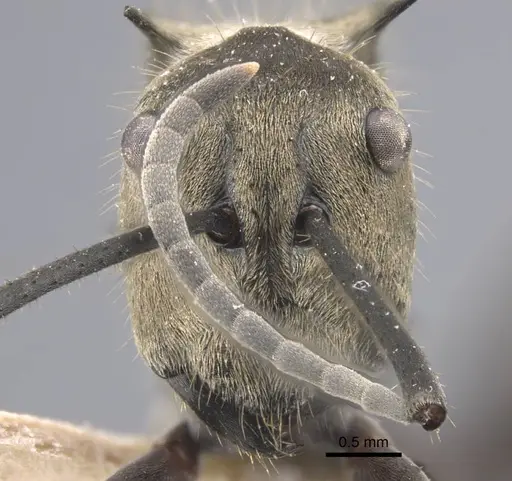
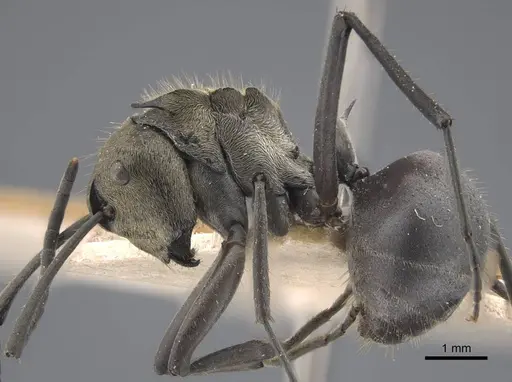
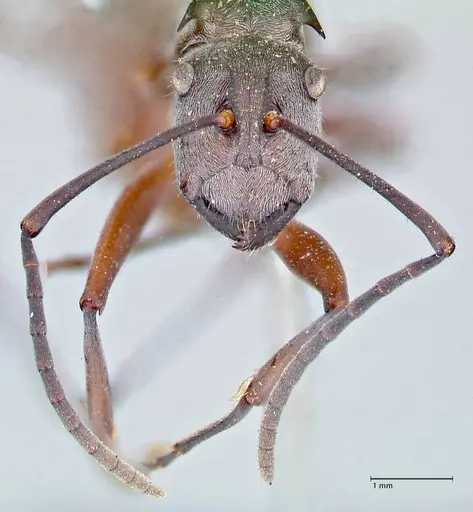
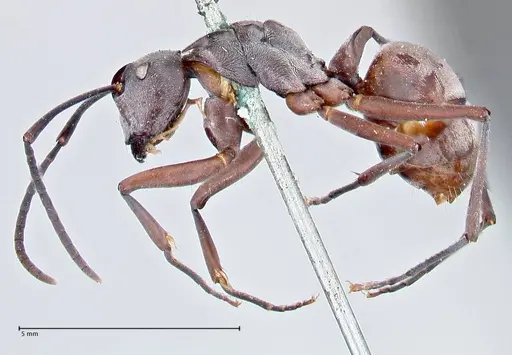
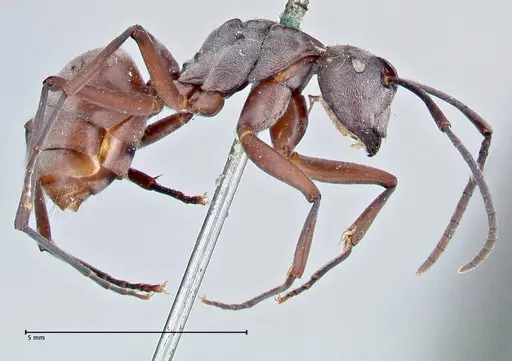
Polyrhachis litigiosa is a tropical ant species native to the Australasian region, specifically found throughout Papua New Guinea and the Solomon Islands . Workers are typical of the genus Polyrhachis, with characteristic hooked spines on the thorax . Size data is unavailable for this species. The species belongs to the subgenus Myrma and is part of the relucens-group . Unlike their more famous relatives Oecophylla weaver ants, P. litigiosa is a lignicolous species - meaning it nests in rotting wood rather than constructing leaf nests . This makes them somewhat unique among Formicinae, as they build terrestrial nests in decaying wood.
Quick Summary
- Difficulty: Medium
- Origin & Habitat: Native to Papua New Guinea and the Solomon Islands, where they inhabit tropical forest environments. They are lignicolous nesters, meaning they nest in rotting wood on the forest floor [5][1].
- Colony Type: Unconfirmed, based on typical Polyrhachis patterns, likely single-queen (monogyne) colonies [4].
- Size & Growth:
- Queen: Size data unavailable.
- Worker: Size data unavailable.
- Colony: Up to several hundred workers at maturity, based on typical Polyrhachis colonies in subgenus Myrma [4].
- Growth: Moderate, typical for tropical Formicinae.
- Development: Estimated 6-8 weeks at tropical temperatures, based on typical Polyrhachis development patterns. (Cocoons are present, unusual for Formicinae which typically have naked pupae [4].)
- Antkeeping:
- Temperature: Keep at 24-28°C. As a tropical species, they need consistent warmth [3].
- Humidity: Keep the nest substrate consistently moist but not waterlogged [3].
- Diapause: No, being a tropical species, they do not require hibernation.
- Nesting: Lignicolous by nature, they prefer nesting in wood or wood-based substrates [5][4].
- Behavior: Generally peaceful and non-aggressive. Workers are moderately active foragers. Escape risk is moderate, standard escape prevention with fluon is sufficient.
- Common Issues: temperature drops below 20°C can harm the colony., poor ventilation in high humidity setups can lead to mold., using non-wood nests may cause stress and refusal to use brood chambers [5][4].
Natural History and Distribution
Polyrhachis litigiosa is found across a broad range in the Australasian region, with documented populations in Papua New Guinea (including the Aru Islands) and throughout the Solomon Islands including Makira, Guadalcanal, Ysabel, New Britain, New Ireland, and New Hannover [1][2]. This distribution spans both the Australasian and Oceanian regions, with most populations occurring in lowland tropical forests.
The species was originally described by Carlo Emery in 1897 as a subspecies of Polyrhachis relucens before being elevated to full species status by Rudolf Kohout in 1998 [6]. It has also been known by junior synonyms including Polyrhachis litigiosa and Polyrhachis litigiosa, names that were later junior homonyms requiring replacement [6].
As a member of the subgenus Myrma (relucens-group), these ants share characteristics with other wood-nesting Polyrhachis species. Unlike the famous weaver ants (Oecophylla) that construct leaf nests in trees, P. litigiosa is lignicolous, nesting in rotting wood on the ground [5]. This terrestrial nesting habit in decaying wood is reflected in their captive care requirements.
Nesting and Housing in Captivity
The most important aspect of keeping Polyrhachis litigiosa successfully is matching their natural nesting preferences. Being lignicolous, they strongly prefer nests that incorporate wood elements. This can be achieved through several setups that work well in the antkeeping hobby.
Y-tong (AAC) nests with wood inserts are an excellent choice, the compressed cardboard provides good moisture retention while the wood pieces give the ants the texture they naturally seek. Plaster nests with embedded wood sections also work well. For a more naturalistic approach, you can provide pieces of rotting wood in a naturalistic terrarium setup, though this requires more maintenance and makes observation more difficult.
Avoid plain acrylic nests without any wood component. While some Polyrhachis will adapt to artificial nests, the lignicolous species like P. litigiosa often show stress behaviors (excessive digging, clustering outside the nest, refusal to use brood chambers) when kept in fully synthetic setups.
The nest should have chambers scaled to colony size, start with smaller chambers for founding colonies and provide additional space as the colony grows. These ants are not particularly aggressive escape artists, but standard escape prevention with fluon on rim edges is always recommended. [5][4]
Feeding and Diet
In the wild, Polyrhachis species are generalist omnivores, feeding on honeydew from sap-sucking insects, small insects and arthropods, and occasionally nectar. P. litigiosa likely follows this generalist diet pattern.
For captive colonies, offer a varied diet: sugar water or honey should be available constantly, as these ants readily accept carbohydrate sources. For protein, offer small insects like fruit flies, small crickets, mealworms, or other appropriately-sized prey. Live prey is generally preferred but they will accept pre-killed items.
Feed protein sources 2-3 times per week for established colonies, with the frequency adjusted based on colony size and brood development. Founding colonies can be fed less frequently, the queen and a small group of workers will consume modest amounts. Remove any uneaten prey after 24-48 hours to prevent mold issues in the humid setup they require.
Fresh water should always be available, a simple water tube with a cotton plug works well for this purpose. [3]
Temperature and Humidity Requirements
Being a tropical species from Papua New Guinea and the Solomon Islands, Polyrhachis litigiosa requires warm and humid conditions. Maintain temperatures in the range of 24-28°C (75-82°F) for optimal colony health and development. Temperatures below 22°C can slow activity and development, while prolonged exposure to temperatures below 20°C can be harmful.
A simple way to achieve this is using a heating cable or heat mat placed on one side of the nest, creating a temperature gradient. This allows workers to move between warmer and cooler areas to self-regulate their body temperature. Always place heating under or to the side of the nest, never directly on top where it can cause drying and overheating.
Humidity should be kept high, aim for consistently damp nest substrate without standing water. The substrate should feel moist to the touch but not drip water. This can be achieved by connecting a water tube to the nest or periodically adding moisture to a water reservoir. Good ventilation is also important to prevent mold, but avoid excessive airflow that dries out the nest. [3]
Colony Development and Growth
Polyrhachis litigiosa colonies grow at a moderate pace typical of tropical Formicinae. The queen lays eggs which develop through larval stages before spinning cocoons and emerging as workers. One notable characteristic of this species (and the subgenus Myrma generally) is that they produce cocoons, this is actually unusual for Formicinae, most of which have naked pupae [4].
From egg to first worker (nanitic), the process likely takes approximately 6-8 weeks at optimal temperatures of 25-28°C. This is faster than many temperate species due to the tropical origin of P. litigiosa. The first workers will be smaller than mature workers (nanitics) but will immediately begin helping with colony maintenance and foraging.
Colony growth will accelerate once the first batch of workers has emerged, as more foragers means more food can be collected. A mature colony will likely reach several hundred workers based on typical Myrma colony sizes. Growth rate is influenced by feeding frequency, temperature stability, and overall colony health.
Frequently Asked Questions
How long does it take for Polyrhachis litigiosa to produce first workers?
At optimal temperatures (25-28°C), expect first workers in approximately 6-8 weeks from the time the queen lays eggs. This is typical for tropical Polyrhachis species and faster than many temperate ants.
What is the best nest type for Polyrhachis litigiosa?
Use a nest with wood elements, Y-tong (AAC) nests with wood inserts or plaster nests with embedded wood work best. Avoid plain acrylic nests as these lignicolous ants prefer wood-based substrates [5][4].
What temperature do Polyrhachis litigiosa need?
Keep them at 24-28°C (75-82°F). As a tropical species from Papua New Guinea and the Solomon Islands, they need consistent warmth [3].
Are Polyrhachis litigiosa good for beginners?
They are considered intermediate difficulty. While not as challenging as some exotic species, they do have specific requirements (wood-based nesting, high humidity, tropical temperatures) that make them better suited for keepers with some experience [3].
How big do Polyrhachis litigiosa colonies get?
Colonies can reach up to several hundred workers at maturity, based on typical Polyrhachis colonies in the subgenus Myrma [4].
Do Polyrhachis litigiosa need hibernation?
No, they do not require hibernation. Being a tropical species, they remain active year-round with consistent temperatures.
What do Polyrhachis litigiosa eat?
They are generalist omnivores. Offer sugar water or honey constantly for carbohydrates, and protein sources like small insects (fruit flies, mealworms, small crickets) 2-3 times per week [3].
Can I keep multiple queens together?
This has not been documented for this specific species. Based on typical Polyrhachis patterns, single-queen colonies are most common. Combining unrelated foundress queens is not recommended without species-specific research.
Why is my Polyrhachis litigiosa colony not using the nest?
This is often due to nest material preferences, lignicolous species like P. litigiosa often refuse plain acrylic nests. Try switching to a Y-tong or plaster nest with wood elements. Also check that humidity and temperature are within appropriate ranges [5][4].
Report an Issue
The current care sheet is based fully on literature. See inconsistencies, or something that's incorrect? Please , it will be resolved after review from an admin. Contributing to the blogs tab also helps providing information, to make us be able to further improve the caresheets. Thank you for your support!
References

Ez a tartási útmutató a következő licenc alatt áll: CC BY-SA 4.0 .
Közösségi blogok
CASENT0905609
Megtekintés az AntWeb-en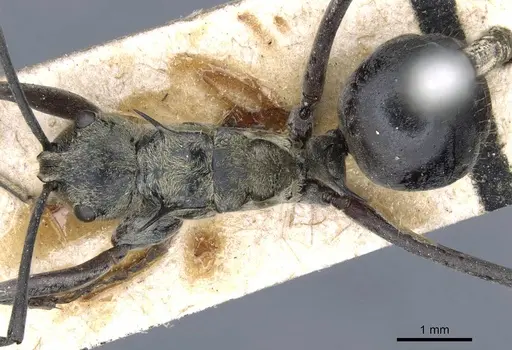
CASENT0906809
Megtekintés az AntWeb-en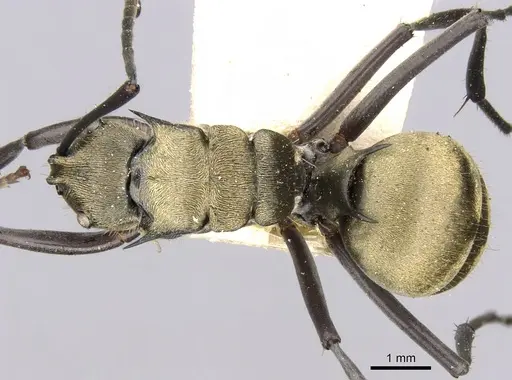
CASENT0912140
Megtekintés az AntWeb-en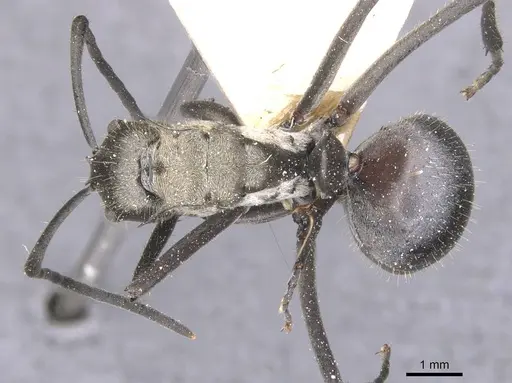
CASENT0916778
Megtekintés az AntWeb-en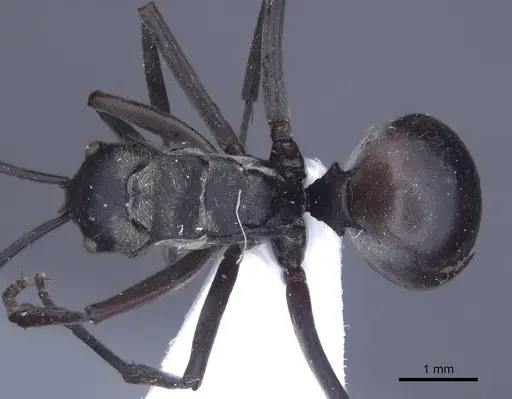
CASENT0917288
Megtekintés az AntWeb-en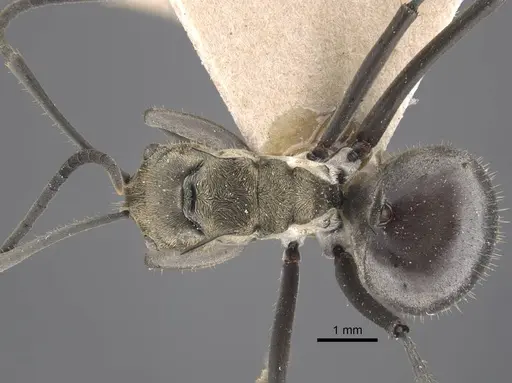
FOCOL2616
Megtekintés az AntWeb-en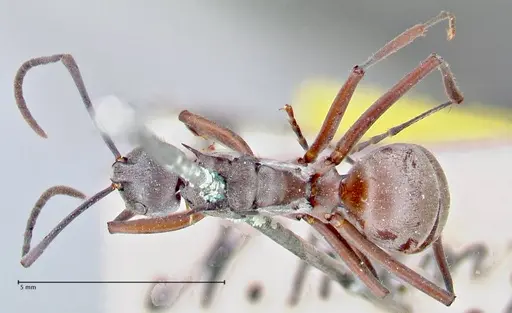
Irodalom
Elterjedési térkép betöltése...Termékek betöltése...