
Polyrhachis goramensis
- Tud. név
- Polyrhachis goramensis
- Alnem
- Cyrtomyrma
- Nemzetség
- Camponotini
- Alcsalád
- Formicinae
- Szerző
- Emery, 1887
- Elterjedés
- 0 országban megtalálható
Bevezetés
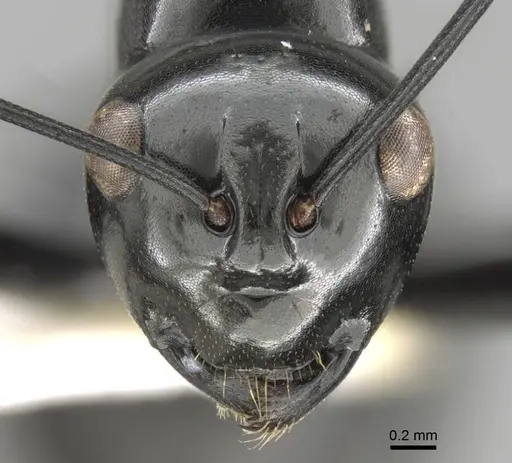
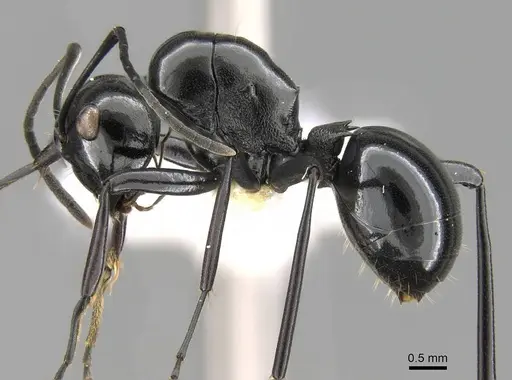
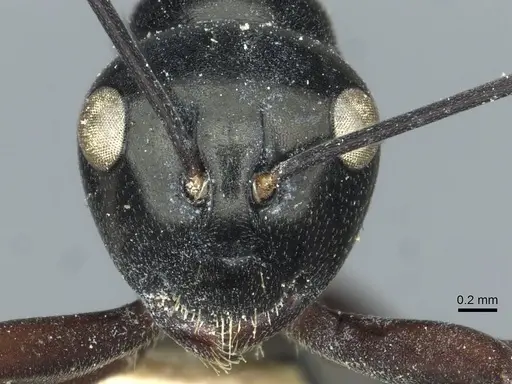
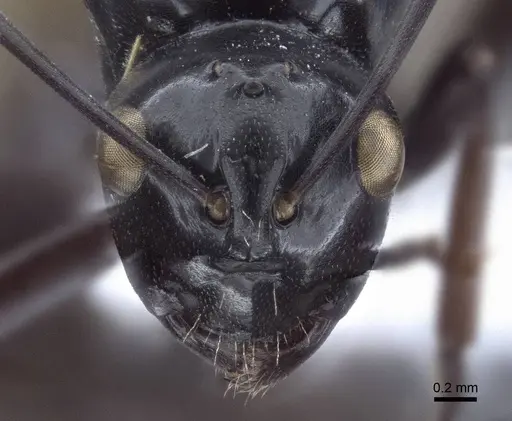
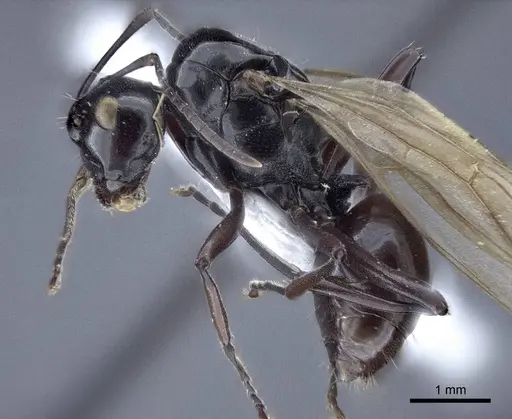
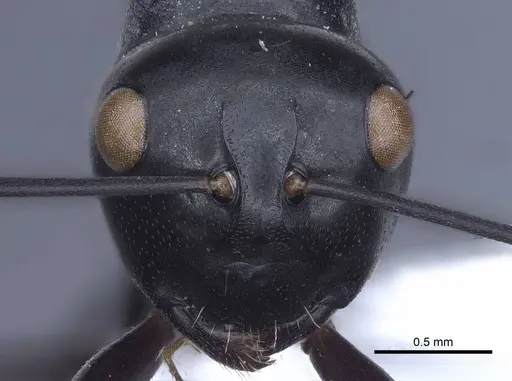
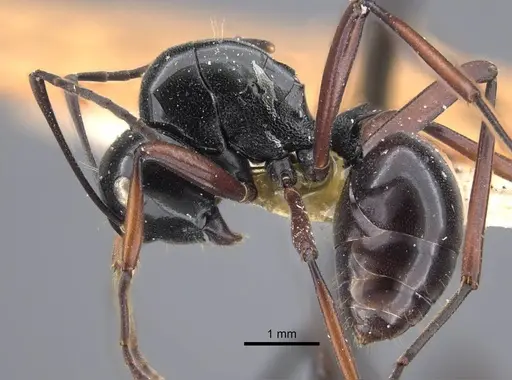
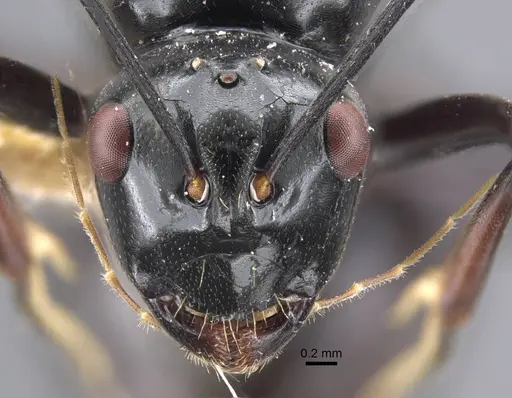
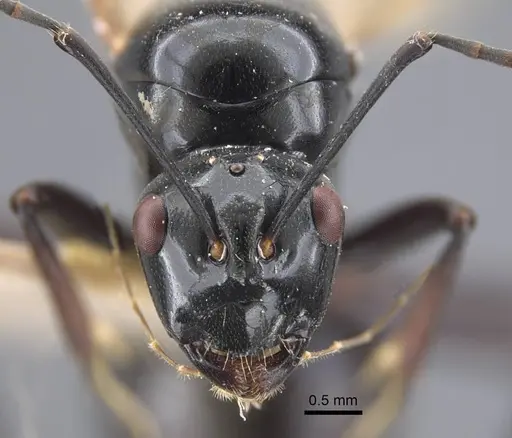
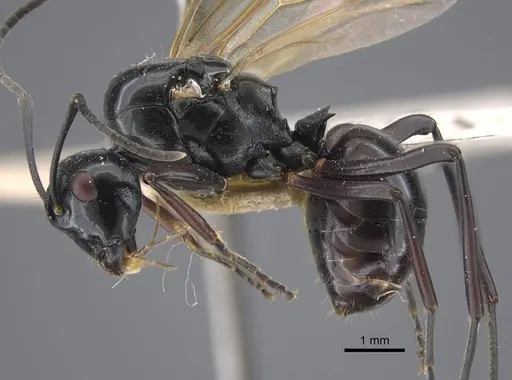
Polyrhachis goramensis is a medium-sized ant from the Formicinae subfamily, belonging to the Cyrtomyrma subgenus. Workers have a distinctly swollen pronotum, short propodeal spines, and elongated petiolar spines. Size data is unavailable from direct measurements, but inferred from Polyrhachis genus patterns. The species is endemic to Seram Island and Ambon Island in Indonesia, inhabiting tropical forests where it builds carton nests on tree trunks near streams . This species was originally described in 1887 and has several synonyms, including Polyrhachis coronata and Polyrhachis obsidiana .
Quick Summary
- Difficulty: Medium
- Origin & Habitat: Endemic to Seram Island and Ambon Island in Indonesia, found in undisturbed tropical forests [2][3].
- Colony Type: Colony structure is unconfirmed, but based on Polyrhachis patterns, likely monogyne (single queen) [2].
- Size & Growth:
- Queen: ~8-10 mm, inferred from Polyrhachis genus
- Worker: ~5-7 mm, inferred from Polyrhachis genus
- Colony: Up to several hundred workers, estimated from related species
- Growth: Moderate
- Development: Estimated 6-10 weeks at optimal temperatures, inferred from tropical Formicinae patterns (Development time may vary with temperature, warmer conditions accelerate growth.)
- Antkeeping:
- Temperature: Keep warm, roughly 24-28°C, based on tropical habitat inference [2].
- Humidity: Keep nest substrate consistently moist but not waterlogged, based on humid forest habitat [2][3].
- Diapause: No, tropical species do not require diapause [2].
- Nesting: Arboreal nesting. Use Y-tong nests, plaster nests, or naturalistic setups with vertical surfaces. Provide twigs or cork bark for attachment. Avoid horizontal soil nests [3].
- Behavior: Generally docile and non-aggressive. Workers are active foragers that search for food. Escape risk is moderate, use standard barriers like fluon. They are primarily arboreal and explore vertical surfaces [2].
- Common Issues: humidity control is critical, too dry causes colony failure, too wet without ventilation causes mold, tropical species may struggle in cool climates, monitor temperature closely, carton-nesting behavior requires vertical surfaces, horizontal setups may be rejected, wild-caught colonies may carry parasites difficult to treat in captivity
Natural History and Distribution
Polyrhachis goramensis is native to the Moluccas archipelago in eastern Indonesia, specifically Seram Island and Ambon Island. This species was originally described by Carlo Emery in 1887 as a variety of Polyrhachis rastellata from specimens collected on Goram Island. The species was later elevated to full species status by Kohout in 1998 [1][3]. In its natural habitat, this ant builds distinctive carton nests attached to tree trunks, often near streams in jungle environments [2][3].
Nest Preferences and Housing
In captivity, Polyrhachis goramensis does best in setups that mimic their natural arboreal lifestyle. Use Y-tong nests, plaster nests, or naturalistic setups with cork bark, twigs, or other vertical structures. Provide the colony with multiple chambers at different heights. Avoid horizontal test tube setups, these arboreal ants prefer elevated spaces. Include a water source and ensure good ventilation to prevent mold in humid conditions [3].
Temperature and Humidity Requirements
As a tropical species, Polyrhachis goramensis requires warm and humid conditions. Keep the nest at roughly 24-28°C, using a heating cable on one side to create a gradient. Humidity should be maintained by keeping the nest substrate consistently moist but not waterlogged. Mist the outworld occasionally and provide a water source [2][3].
Feeding and Diet
Polyrhachis goramensis is omnivorous. Offer sugar sources like honey water continuously, and protein sources like small insects 2-3 times per week. Remove uneaten prey after 24-48 hours to prevent mold [2].
Colony Development and Growth
Colonies start with a single queen who raises the first brood. The first workers appear after 6-10 weeks under optimal conditions. Growth rate is moderate, with colonies reaching several hundred workers over 1-2 years. Alates may be produced when mature [2].
Behavior and Temperament
Polyrhachis goramensis is docile and non-aggressive. Workers are active foragers that explore their environment. Escape risk is moderate, use standard barriers. They are arboreal and prefer vertical surfaces [2].
Frequently Asked Questions
Is Polyrhachis goramensis a good beginner ant?
This species is rated as medium difficulty. It requires consistent tropical conditions, warm temperatures and high humidity. Beginners should ensure they can maintain these conditions before acquiring this species [2].
How long does it take for the first workers to appear?
Expect first workers in 6-10 weeks under optimal conditions (24-28°C). Development time depends on temperature [2].
What type of nest should I use for Polyrhachis goramensis?
Use a vertical nest setup like Y-tong nests, plaster nests, or naturalistic setups with cork bark. Avoid horizontal test tube setups [3].
Do they need hibernation or diapause?
No, as a tropical species, they remain active year-round and do not require diapause [2].
What do Polyrhachis goramensis eat?
They are omnivorous. Offer sugar sources continuously and protein 2-3 times per week [2].
How big do colonies get?
Colonies can reach up to several hundred workers over 1-2 years [2].
Can I keep multiple queens together?
This species is likely monogyne, but unconfirmed. It is not recommended to combine unrelated queens [2].
Where is Polyrhachis goramensis native to?
This species is endemic to Seram Island and Ambon Island in Indonesia [1][2][3].
Why are my ants not using a horizontal test tube setup?
This is an arboreal species that naturally nests on vertical surfaces. Switch to a vertical nest setup [3].
Report an Issue
The current care sheet is based fully on literature. See inconsistencies, or something that's incorrect? Please , it will be resolved after review from an admin. Contributing to the blogs tab also helps providing information, to make us be able to further improve the caresheets. Thank you for your support!
References

Ez a tartási útmutató a következő licenc alatt áll: CC BY-SA 4.0 .
Közösségi blogok
CASENT0905541
Megtekintés az AntWeb-en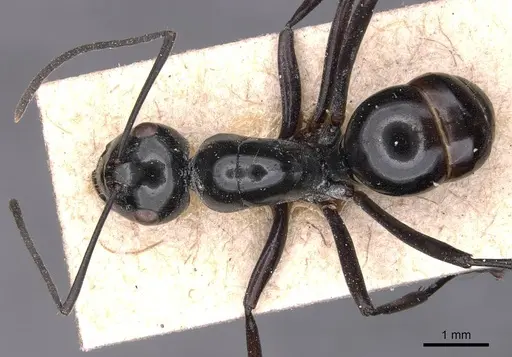
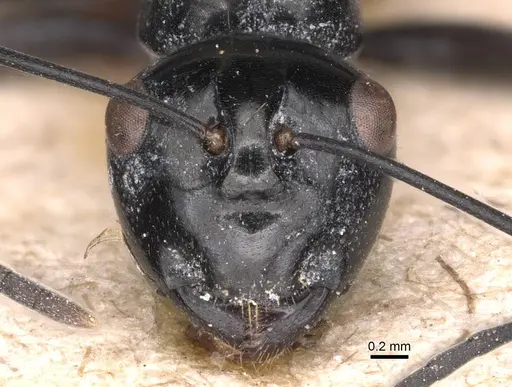
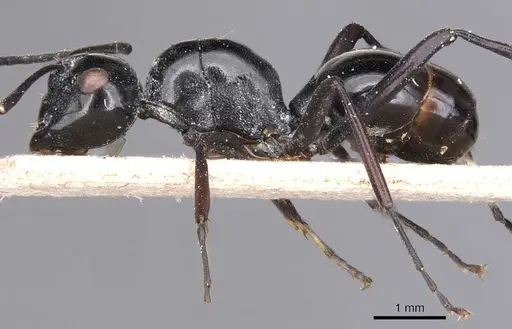
CASENT0906786
Megtekintés az AntWeb-en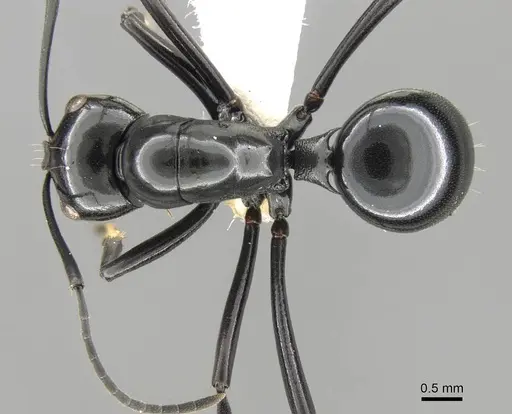
CASENT0912099
Megtekintés az AntWeb-en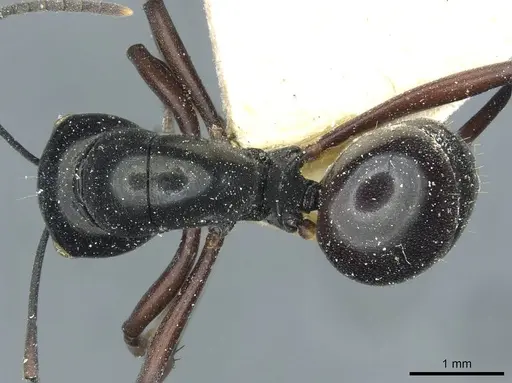
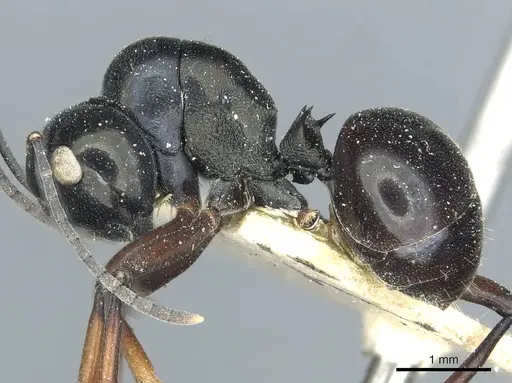
CASENT0916757
Megtekintés az AntWeb-en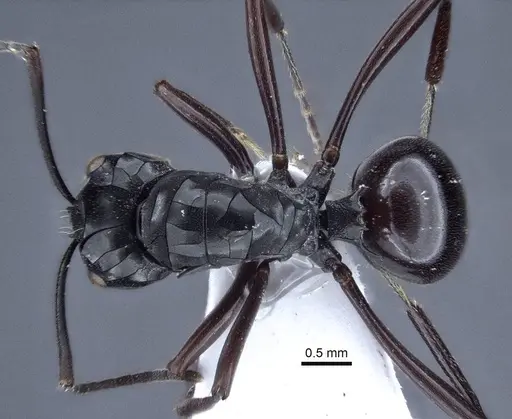
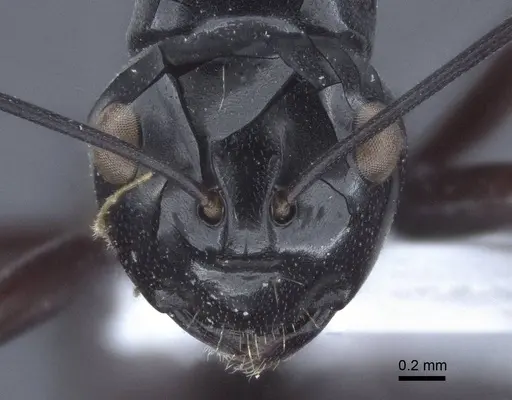
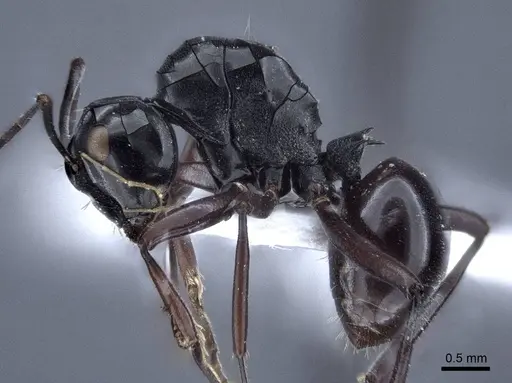
CASENT0916758
Megtekintés az AntWeb-en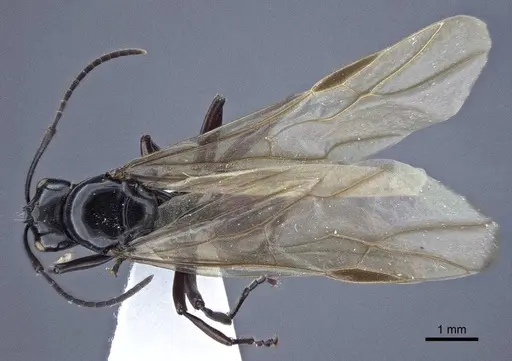
CASENT0916771
Megtekintés az AntWeb-en
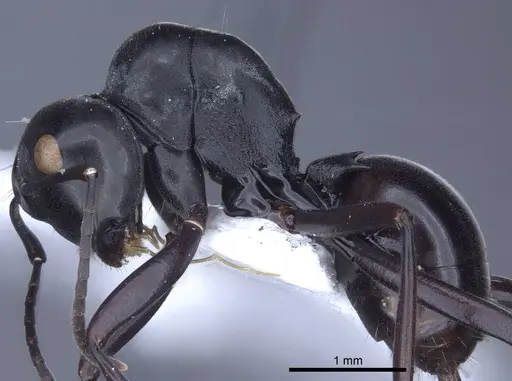
CASENT0917291
Megtekintés az AntWeb-en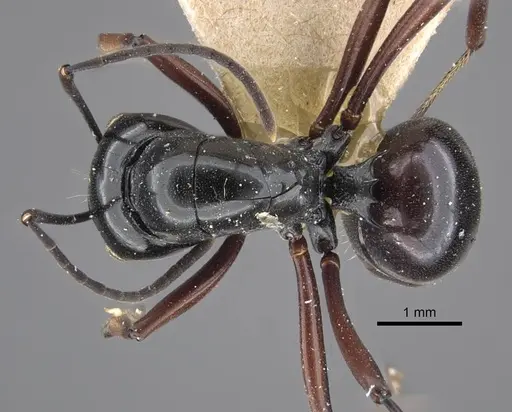
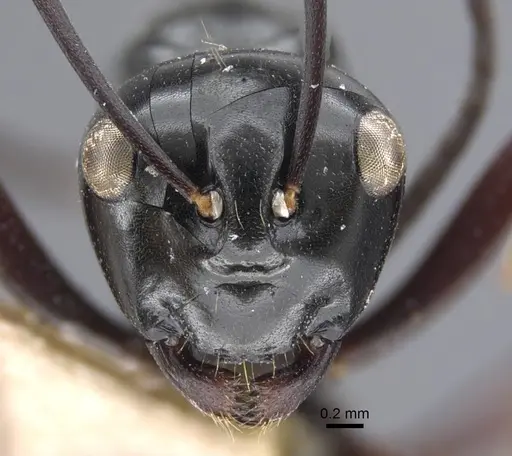
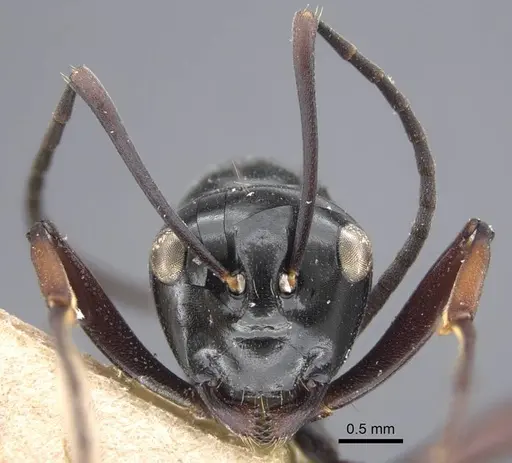
CASENT0917292
Megtekintés az AntWeb-en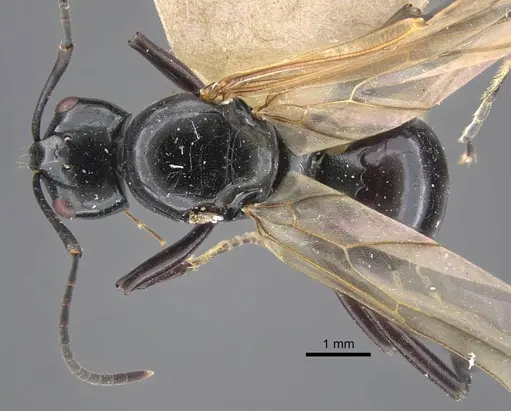
Irodalom
Elterjedési térkép betöltése...Termékek betöltése...