
Polyrhachis breviorspinosa
- Tud. név
- Polyrhachis breviorspinosa
- Alnem
- Myrma
- Nemzetség
- Camponotini
- Alcsalád
- Formicinae
- Szerző
- Donisthorpe, 1947
- Elterjedés
- 0 országban megtalálható
Bevezetés
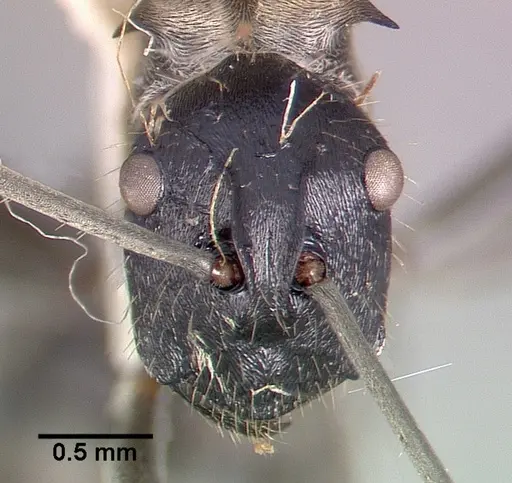
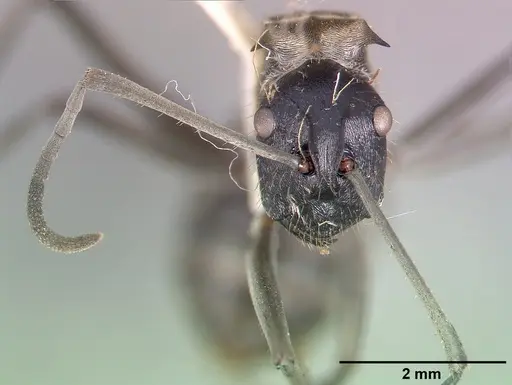
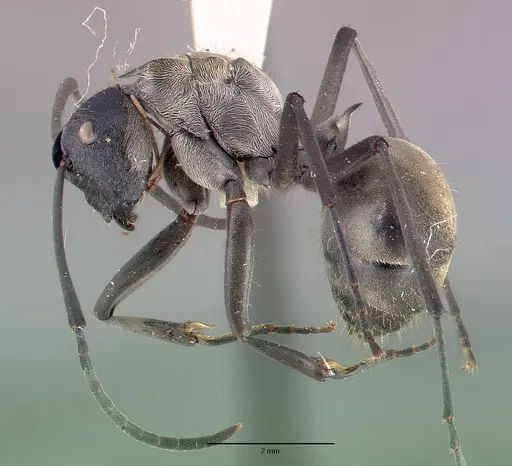
Polyrhachis breviorspinosa is a slender, medium-sized ant native to islands along the north-western coast of New Guinea, including Liki Island and Biak Island . Workers have a uniformly black body and appendages, with short, slender spines on the pronotum and petiole . This species is distinguished from related P. relucens by its more gracile stature and slender spines, and from P. litigiosa by less abundant body hair . It was raised from variety to species status in 2012 .
Quick Summary
- Difficulty: Medium
- Origin & Habitat: Endemic to islands along the north-western coast of New Guinea, specifically Liki Island and Biak Island [1]. Natural habitat is tropical island environments with warm temperatures and high humidity.
- Colony Type: Colony structure is unconfirmed.
- Size & Growth:
- Queen: Size data unavailable, no total length measurements in research. Inferred from Polyrhachis genus as approximately 10-12mm.
- Worker: Size data unavailable, no total length measurements in research. Inferred from Polyrhachis genus as approximately 6-9mm.
- Colony: Up to several hundred workers at maturity, based on typical Polyrhachis colonies.
- Growth: Moderate
- Development: Estimated 6-10 weeks at tropical temperatures, based on related species. (Development time is estimated from genus-level data, as species-specific research is unavailable.)
- Antkeeping:
- Temperature: Keep warm, roughly 24-28°C, based on tropical habitat [1].
- Humidity: Keep nest substrate consistently moist but not waterlogged, as they are from humid tropical islands [1].
- Diapause: No, as they are tropical species [1].
- Nesting: Based on genus patterns, prefer nests in wood-like materials. Use Y-tong, plaster, or soil nests with moisture retention.
- Behavior: Temperament is moderate. Workers are active foragers. Defense mechanism: lacks a functional sting, bites and sprays formic acid from an acidopore. Escape risk is moderate due to medium size.
- Common Issues: tropical species require consistent warmth, cold temperatures can slow brood development., high humidity needs mean drying out is a risk, monitor substrate moisture regularly., limited availability may require wild-caught colonies., care is based on genus-level inference due to limited species-specific research.
Natural History and Distribution
Polyrhachis breviorspinosa is endemic to the islands along the north-western coast of New Guinea, specifically known from Liki Island (type locality in Maffin Bay) and Biak Island [1]. The species was originally described as a variety of P. relucens by Donisthorpe in 1947,but was raised to full species status in 2012 by Kohout after examination of type specimens revealed significant differences [1]. The species is distinguished by its slender build, shorter spines compared to P. relucens, and less abundant body hair compared to the similar P. litigiosa [1].
Housing and Nesting
Based on their natural habitat [1], these ants likely prefer nesting in rotting wood, under bark, or in hollow plant stems. For captive care, use a nest that maintains humidity, such as Y-tong, plaster, or soil nests. Provide a moisture gradient to allow ants to self-regulate.
Temperature and Humidity
As tropical island ants [1], keep temperatures around 24-28°C. Use a heating cable on one side of the nest to create a gradient. Humidity should be maintained by keeping the nest substrate consistently moist but not waterlogged.
Feeding and Diet
Polyrhachis ants are typically omnivorous, feeding on honeydew, nectar, and small insects. In captivity, offer sugar water or honey regularly, along with small insects like fruit flies or mealworms. Feed protein 2-3 times per week and keep carbohydrates available.
Colony Development
Colony development is moderate in speed. First workers may emerge in approximately 6-10 weeks at optimal temperatures around 26°C. The queen is likely claustral, but this is unconfirmed. Once workers emerge, the colony grows gradually to several hundred workers.
Frequently Asked Questions
How long does it take for Polyrhachis breviorspinosa to produce first workers?
Based on related Polyrhachis species, expect first workers in approximately 6-10 weeks at optimal tropical temperatures around 26°C. This is an estimate since species-specific development data is not available.
What temperature do Polyrhachis breviorspinosa ants need?
Keep them at 24-28°C consistently, based on their tropical habitat [1]. A heating cable can help maintain proper temperatures.
Do Polyrhachis breviorspinosa ants need hibernation?
No, being tropical ants from New Guinea, they do not require a diapause or hibernation period [1].
What do Polyrhachis breviorspinosa ants eat?
They are omnivorous like most Polyrhachis species. Offer sugar water or honey regularly, along with small insects such as fruit flies or mealworms. Feed protein 2-3 times per week.
Are Polyrhachis breviorspinosa ants aggressive?
Polyrhachis ants generally have a moderate temperament and are less aggressive than some other genera. They are active foragers but typically not territorial.
How big do Polyrhachis breviorspinosa colonies get?
Based on typical Polyrhachis colony sizes, they likely reach up to several hundred workers at maturity. Species-specific colony size data is not available.
What humidity level do Polyrhachis breviorspinosa ants need?
Maintain a humid environment by keeping the nest substrate consistently moist, as they are from humid tropical islands [1].
Can I keep multiple queens together in Polyrhachis breviorspinosa?
Colony structure is not well documented for this species. Based on typical Polyrhachis patterns, they are likely single-queen colonies. Combining unrelated queens is not recommended without evidence.
What type of nest is best for Polyrhachis breviorspinosa?
A naturalistic setup with damp wood pieces or soil works well, as does a Y-tong or plaster nest that can maintain humidity. They likely prefer nesting in wood-like materials similar to their natural habitat.
Is Polyrhachis breviorspinosa suitable for beginners?
This species is rated as medium difficulty. It requires consistent warm temperatures and high humidity, which may need more attention than temperate species. Care is based on genus-level inference due to limited research.
Report an Issue
The current care sheet is based fully on literature. See inconsistencies, or something that's incorrect? Please , it will be resolved after review from an admin. Contributing to the blogs tab also helps providing information, to make us be able to further improve the caresheets. Thank you for your support!
References

Ez a tartási útmutató a következő licenc alatt áll: CC BY-SA 4.0 .
Közösségi blogok
CASENT0903438
Megtekintés az AntWeb-en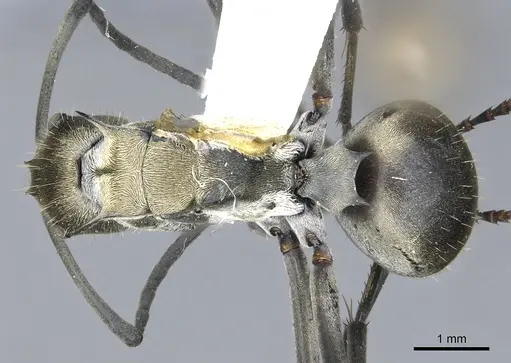
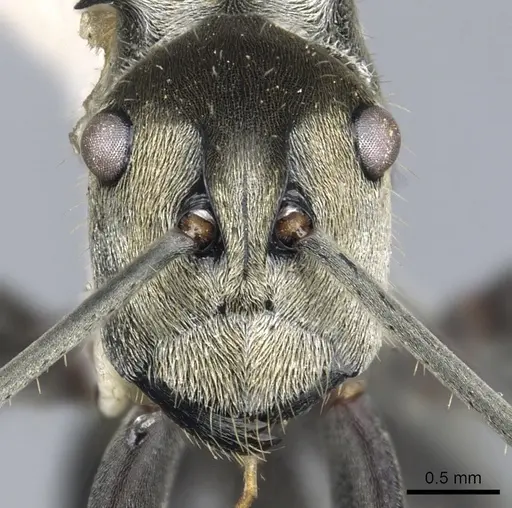
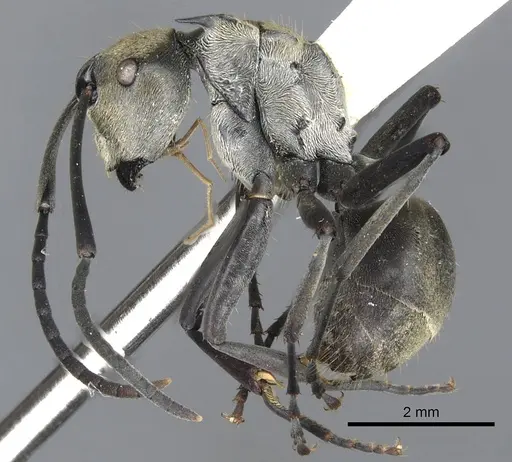
CASTYPE06932
Megtekintés az AntWeb-en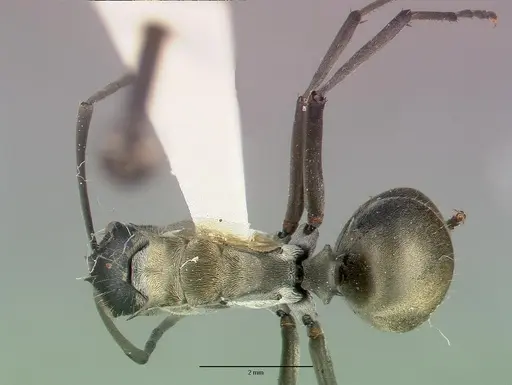
Irodalom
Elterjedési térkép betöltése...Termékek betöltése...