
Polyrhachis binghamii
- Tud. név
- Polyrhachis binghamii
- Alnem
- Myrmhopla
- Nemzetség
- Camponotini
- Alcsalád
- Formicinae
- Szerző
- Forel, 1893
- Elterjedés
- 0 országban megtalálható
Bevezetés
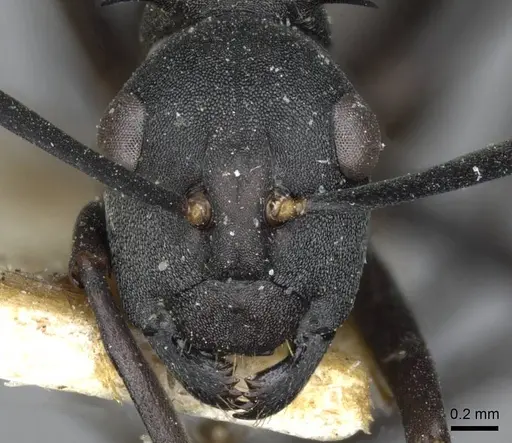
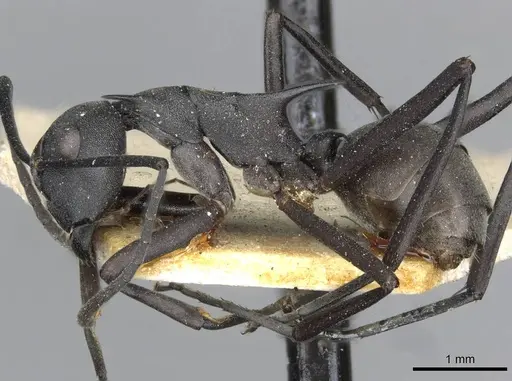
Polyrhachis binghamii is a spiny ant species from the subgenus Myrmhopla, native to the Indomalaya region. It has been recorded in India (Kerala and West Bengal) and Myanmar . The species was first described by Forel in 1893 from Myanmar, with the queen described soon after . As a Formicinae ant, Polyrhachis binghamii lacks a functional stinger and defends itself by spraying formic acid. Workers are moderate-sized with distinctive spines on the thorax and gaster - a common trait across Polyrhachis. They live in tropical and subtropical forests, often nesting in vegetation or rotting wood.
Quick Summary
- Difficulty: Medium
- Origin & Habitat: Native to the Indomalaya region, specifically India (Kerala, West Bengal) and Myanmar [1][2]. Inhabits tropical and subtropical forests, typically nesting in vegetation, under bark, or in rotting wood [2].
- Colony Type: Likely monogyne (single queen) based on typical Polyrhachis patterns. Direct studies on this species' colony structure are not available.
- Size & Growth:
- Queen: Direct measurements unavailable, estimated around 10-12 mm based on genus patterns for Myrmhopla.
- Worker: Direct measurements unavailable, estimated around 6-9 mm based on typical Polyrhachis worker sizes.
- Colony: Likely several hundred workers, estimated from related species.
- Growth: Moderate, estimated from typical Formicinae growth.
- Development: Estimated 6-10 weeks at optimal tropical temperatures (24-28°C) based on related Formicinae species. (Specific development timeline for Polyrhachis binghamii has not been documented.)
- Antkeeping:
- Temperature: Keep at 24-28°C (tropical warmth). A heating cable on one side creates a gentle gradient. Avoid prolonged temperatures below 20°C or above 32°C.
- Humidity: Moderate to high humidity, forest‑dwelling ants prefer damp conditions but not waterlogged substrate. Provide a water tube.
- Diapause: No true diapause needed, tropical origin means active year‑round. Some activity reduction may occur during cooler months.
- Nesting: Semi‑arboreal, does well in Y‑tong (AAC) nests or naturalistic setups with rotting wood. Provide dark, tight chambers and vertical climbing space.
- Behavior: Workers are active, alert foragers. They defend the nest by spraying formic acid when disturbed, this can irritate eyes and skin, so handle gently. They are not aggressive toward keepers but will defend vigorously. Workers are moderately fast and diurnal. Escape prevention should be moderate, they are not tiny but can squeeze through small gaps.
- Common Issues: tropical species needs consistent warmth, cold drafts can weaken or kill colonies, semi‑arboreal nature means they may struggle in fully ground‑based setups without climbing structures, limited specific data means keepers must monitor colony response and adjust conditions accordingly, formic acid spray can irritate eyes and skin, handle carefully and avoid startling the ants, wild‑caught colonies may carry parasites that can devastate captive colonies
Housing and Nest Preferences
Set up a formicarium that mimics the natural semi‑arboreal habitat. A Y‑tong (AAC) nest works well, the dark chambers and tight passages suit their preference for secure spaces. You can also use naturalistic setups with cork or rotting wood pieces, allowing the ants to build their own galleries. Because they often nest in elevated positions in the wild, provide some vertical space or climbing structures in the outworld. A test tube setup is fine for founding, but move the colony to a larger formicarium once you see a small worker force regularly foraging. Keep the nest area humid but not wet, these ants are forest dwellers, not swamp dwellers.
Feeding and Diet
Like most Polyrhachis, these ants are omnivorous with a preference for protein. Offer protein sources such as small crickets, mealworms, or other small insects twice a week. They also take sugar water, honey, or diluted maple syrup as an energy source. In the wild they forage for honeydew and small prey. Feed in the outworld and remove any uneaten prey after 24-48 hours to prevent mold. A constant supply of sugar water is recommended once workers are established, and fresh water should always be available.
Temperature and Seasonal Care
As a tropical species from India and Myanmar, Polyrhachis binghamii needs consistent warmth. Keep the nest area at 24-28°C. A heating cable placed on one side creates a temperature gradient so the ants can choose their preferred spot. Avoid temperatures below 20°C for long periods, cool conditions slow brood development and can weaken the colony. They do not need a true hibernation period, maintain normal care year‑round. If your room temperature drops in winter, you may see reduced activity, but the ants will resume when warmed. Do not overheat, temperatures above 32°C can be harmful.
Behavior and Handling
Polyrhachis binghamii workers are active and alert foragers. When disturbed, they raise the abdomen and spray formic acid as a defense. The spray can irritate eyes and skin, so avoid handling them directly and work gently around the colony. They are not particularly aggressive toward humans but will defend the nest vigorously. Workers move quickly when alarmed, so make sure your formicarium has secure barriers. They are diurnal, most foraging activity happens during daylight hours. In a well‑established colony you will see workers regularly patrolling the outworld, searching for food and carrying prey back to the nest.
Frequently Asked Questions
How long does it take for Polyrhachis binghamii to raise first workers?
Based on related Formicinae species, expect 6-10 weeks from egg to first worker at optimal temperatures (24-28°C). The exact timeline for this species has not been documented, so monitor your colony and maintain warm, stable conditions.
What temperature do Polyrhachis binghamii need?
Keep them warm at 24-28°C. A heating cable on part of the nest creates a gradient. They are tropical ants from India and Myanmar and need consistent warmth to thrive.
Can I keep multiple queens together?
This species is likely monogyne (single queen). While not directly studied, Polyrhachis species typically have single‑queen colonies. It is not recommended to introduce multiple unrelated queens to the same setup.
What do Polyrhachis binghamii eat?
They are omnivorous with a protein preference. Feed small insects like crickets or mealworms twice a week, plus a constant sugar water or honey source. They will also collect honeydew from aphids if available.
Are Polyrhachis binghamii good for beginners?
They are rated medium difficulty. They need warm, humid conditions typical of tropical ants, and their formic acid spray can be irritating. Some antkeeping experience is helpful, but they are not among the most difficult species.
How big do Polyrhachis binghamii colonies get?
Based on related species, colonies likely reach several hundred workers. Specific colony size data for this species is not available.
Do they need hibernation?
No, they do not require a true hibernation period. As tropical ants from India and Myanmar, they do not experience cold winters. Simply maintain normal care year‑round.
When should I move them to a formicarium?
Start in a test tube for the founding claustral period. Once you see a small worker force regularly foraging in the outworld, consider moving them to a larger Y‑tong or naturalistic setup.
Why are my Polyrhachis binghamii dying?
Common causes include: temperatures below 20°C (they need tropical warmth), too dry conditions (they need high humidity), or stress from disturbance. Check that your heating is adequate and the nest substrate remains damp but not waterlogged.
Report an Issue
The current care sheet is based fully on literature. See inconsistencies, or something that's incorrect? Please , it will be resolved after review from an admin. Contributing to the blogs tab also helps providing information, to make us be able to further improve the caresheets. Thank you for your support!
References

Ez a tartási útmutató a következő licenc alatt áll: CC BY-SA 4.0 .
Közösségi blogok
CASENT0906766
Megtekintés az AntWeb-en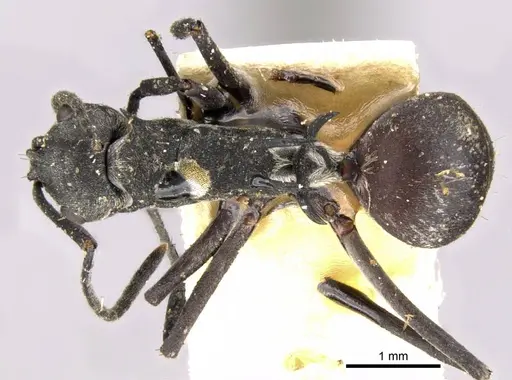
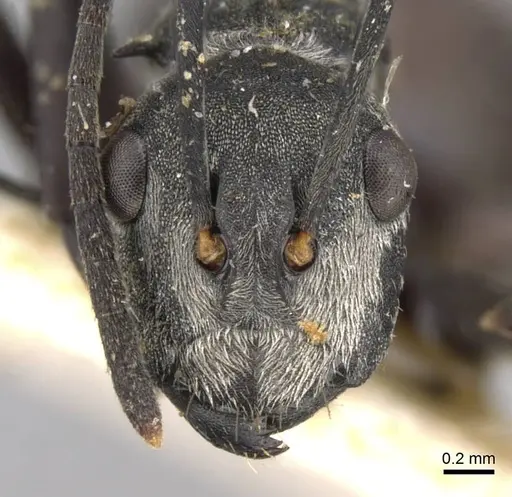
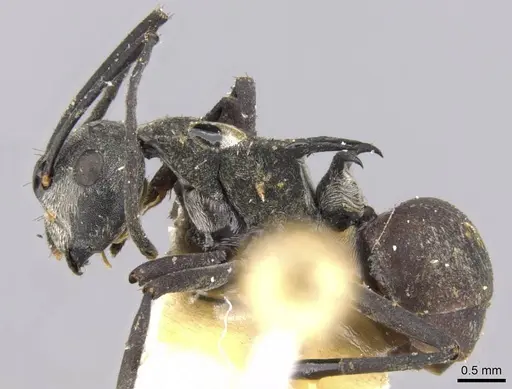
CASENT0910860
Megtekintés az AntWeb-en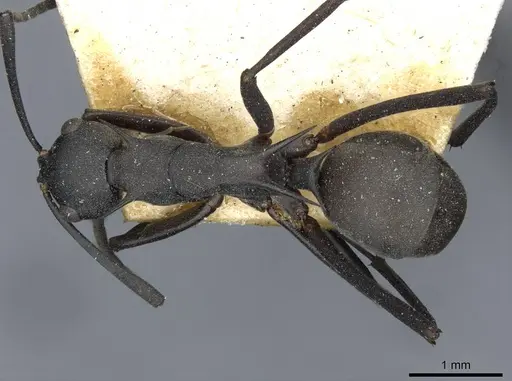
Irodalom
Elterjedési térkép betöltése...Termékek betöltése...