
Pogonomyrmex weiseri
- Tud. név
- Pogonomyrmex weiseri
- Nemzetség
- Pogonomyrmecini
- Alcsalád
- Myrmicinae
- Szerző
- Santschi, 1922
- Elterjedés
- 0 országban megtalálható
Bevezetés
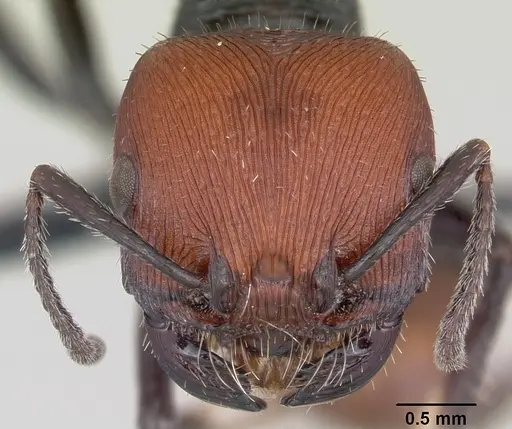
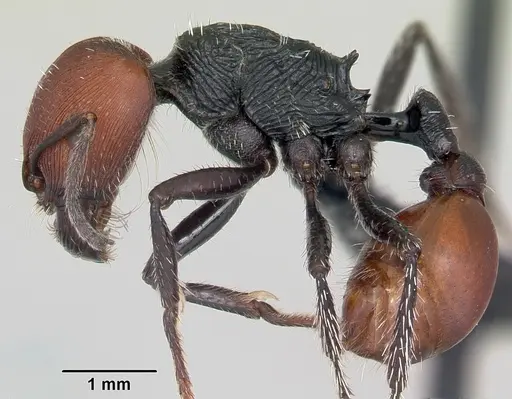
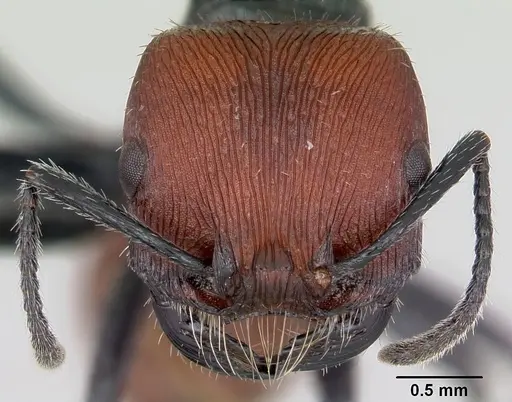
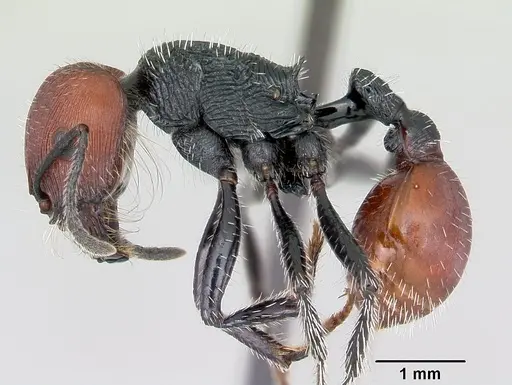
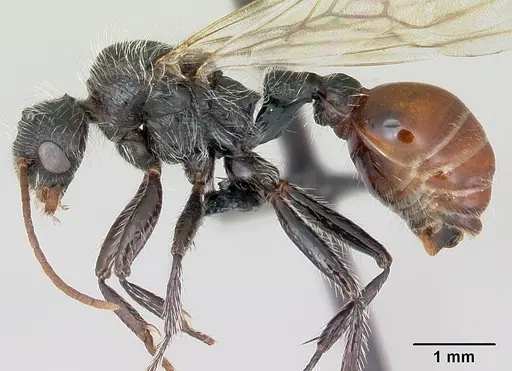
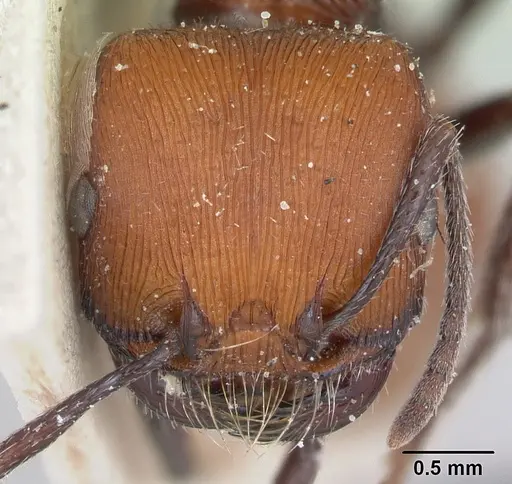
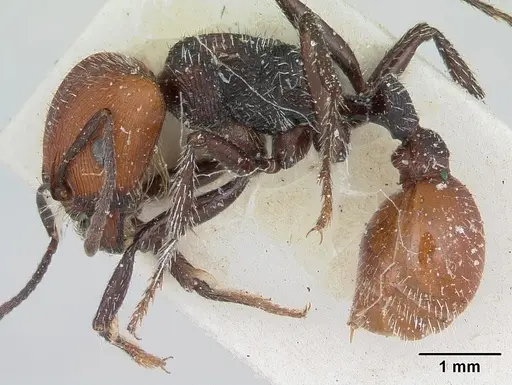
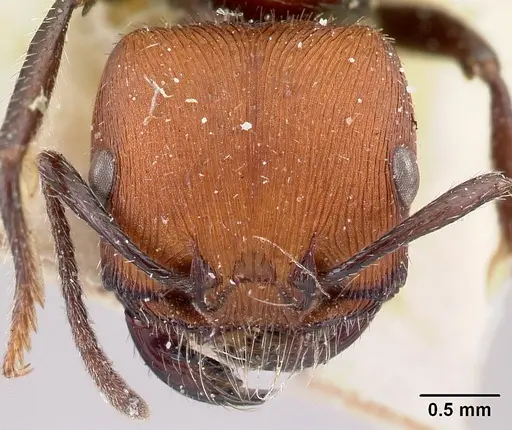
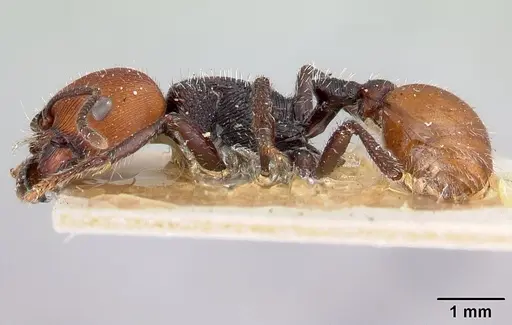
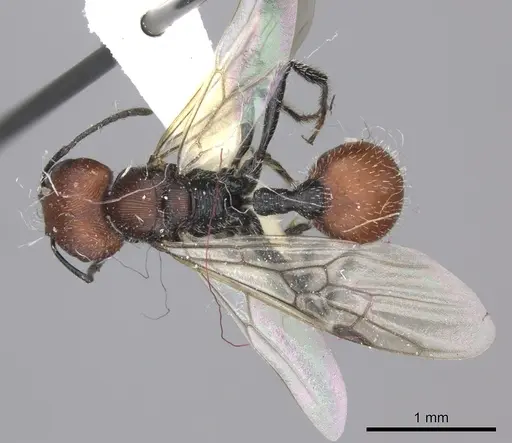
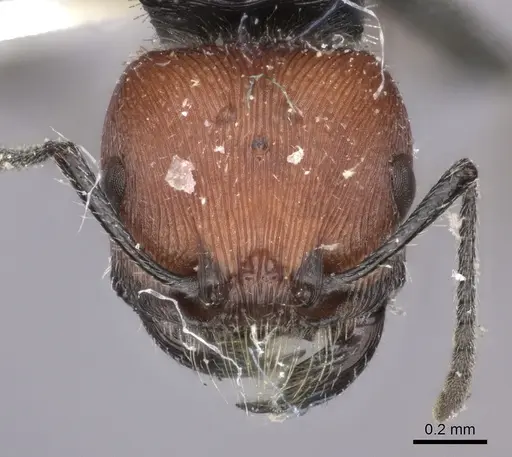
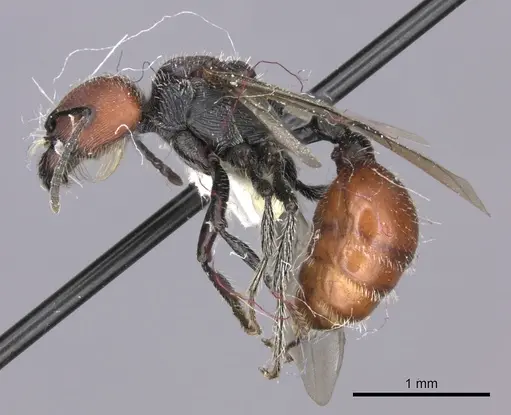
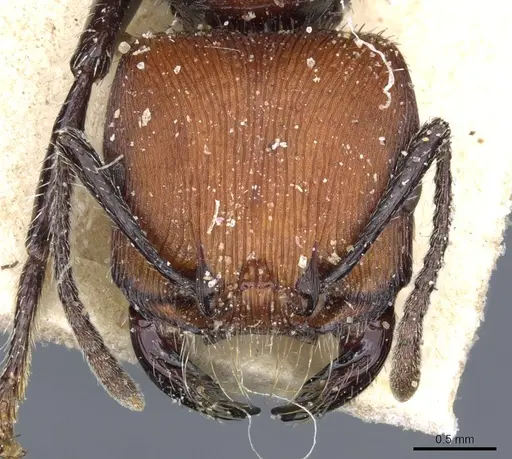
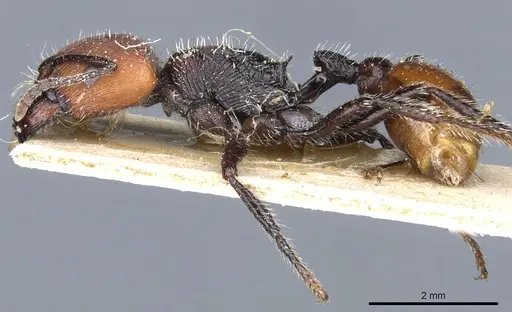
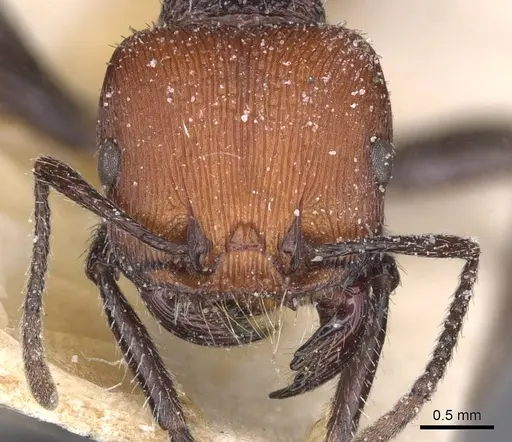
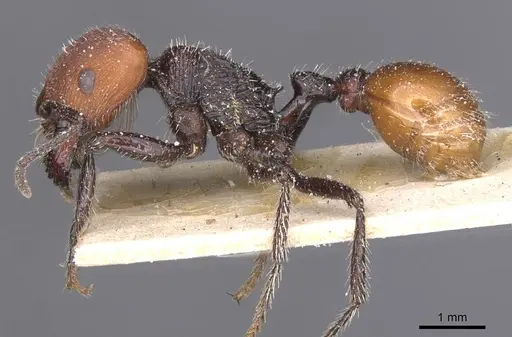
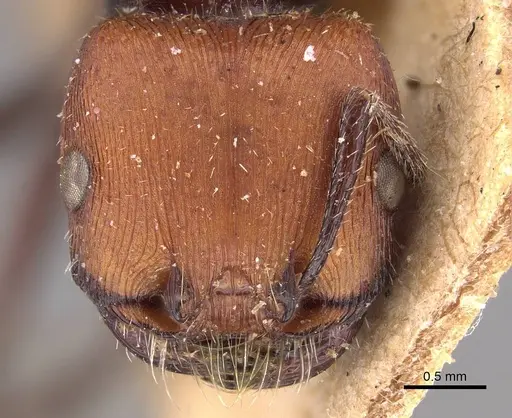
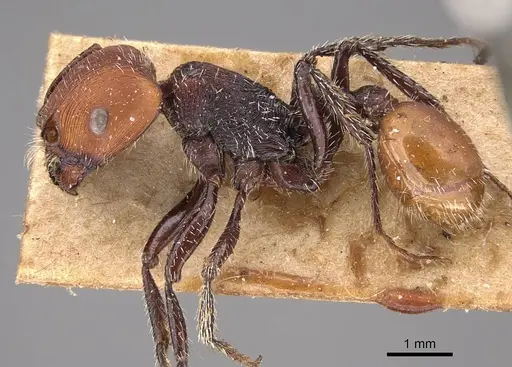
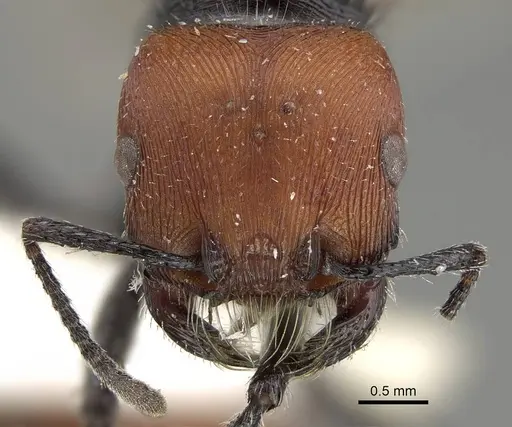
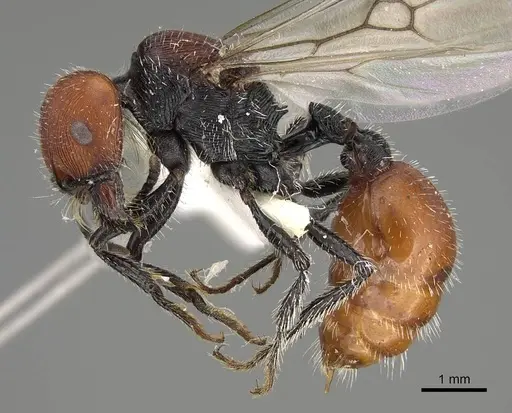
Pogonomyrmex weiseri is a seed-harvester ant native to northwestern Argentina. Workers have a distinctive color pattern with the head and gaster ferruginous orange and the mesosoma black . This species inhabits elevations from 1200 to 2500 meters in the Central Andean puna and Southern Andean steppe ecoregions, occurring in La Rioja, Catamarca, Tucumán, and Salta provinces . Full body size data is unavailable from research, but Pogonomyrmex species are typically medium-sized ants.
Quick Summary
- Difficulty: Medium
- Origin & Habitat: Native to northwestern Argentina, specifically La Rioja, Catamarca, Tucumán, and Salta provinces. They live in high-elevation arid regions (1200-2500m) in the Central Andean puna and Southern Andean steppe ecoregions [1].
- Colony Type: Colony structure is unconfirmed, no species-specific data on queen number or social structure.
- Size & Growth:
- Queen: size data unavailable [1]
- Worker: size data unavailable [1]
- Colony: Unknown, no species-specific colony size data available
- Growth: Moderate, inferred from seed-harvester ant patterns
- Development: Estimated 6-10 weeks based on genus patterns [1] (Development time is inferred since species-specific timing has not been studied.)
- Antkeeping:
- Temperature: Keep at 22-28°C with a gradient, based on high-altitude arid habitat [1].
- Humidity: Low to moderate, keep nest substrate relatively dry with occasional moisture zones, based on dry puna regions [1].
- Diapause: Unknown, no species-specific data available.
- Nesting: Y-tong or plaster nests work well, inferred from genus preferences. Provide compact chambers over large open spaces.
- Behavior: Pogonomyrmex weiseri is a seed-harvester ant with aggressive colony defense. Workers have a potent sting, which is the main hazard for keepers. Escape risk is moderate due to medium size, standard barriers are sufficient. They are diurnal foragers.
- Common Issues: sting hazard, workers have painful stings and should be handled with care., overheating can be fatal, avoid temperatures above 30°C., colonies may be slow to establish, seed-harvester founding takes time., wild colonies may carry parasites, quarantine new colonies., dry conditions are preferred, too much humidity causes fungal problems.
Housing and Nest Setup
You can use Y-tong or plaster nests for Pogonomyrmex weiseri. Test tube setups work for founding colonies. Provide compact chambers connected by tunnels, and include an outworld for foraging. Standard barrier methods like fluon are sufficient for escape prevention [1].
Feeding and Diet
As seed-harvester ants, their primary diet is seeds. Offer grass seeds, millet, or bird seed mixes. They may accept small insects for protein. Always provide fresh water. This is inferred from genus behavior [1].
Temperature and Seasonal Care
Maintain temperatures between 22-28°C with a gradient. Diapause is unknown, but if needed, provide a cool period based on genus patterns. Do not feed during diapause but ensure water is available [1].
Defense and Sting Hazard
Workers have a potent sting and will defend the colony aggressively. Always use caution when handling the nest. Wear gloves and ensure escape prevention is in place [1].
Colony Development
Colony founding type is unconfirmed. Growth rate is moderate, with first workers emerging in 6-10 weeks based on genus patterns. Colony size is unknown for this species [1].
Frequently Asked Questions
Does Pogonomyrmex weiseri sting?
Yes, workers have a painful sting and will defend the colony. Handle with extreme care [1].
How long does it take for first workers to emerge?
Based on genus patterns, expect 6-10 weeks from egg to first worker at optimal temperature [1].
What do Pogonomyrmex weiseri ants eat?
They are seed-harvester ants, so their diet should primarily consist of seeds. They may also accept small insects for protein [1].
Do Pogonomyrmex weiseri need hibernation?
Diapause is unknown for this species. No species-specific data is available [1].
Can I keep multiple queens together?
Colony type is unconfirmed, so it is unknown if multiple queens can be kept together. Based on genus patterns, most Pogonomyrmex are monogyne, but this is not confirmed for weiseri.
Is Pogonomyrmex weiseri good for beginners?
No, due to the potent sting and aggressive defense, this species is not recommended for beginners. Experienced keepers should handle them [1].
What temperature range is best for Pogonomyrmex weiseri?
Keep them at 22-28°C with a gradient, based on their high-altitude habitat [1].
How big do Pogonomyrmex weiseri colonies get?
Colony size is unknown for this species. No specific data is available [1].
When should I move Pogonomyrmex weiseri to a formicarium?
Move from test tube to formicarium when the colony becomes cramped, typically around 50-100 workers, but this is inferred from general antkeeping practices.
Where is Pogonomyrmex weiseri native to?
This species is native to northwestern Argentina, specifically La Rioja, Catamarca, Tucumán, and Salta provinces, at elevations of 1200-2500 meters [1].
Report an Issue
The current care sheet is based fully on literature. See inconsistencies, or something that's incorrect? Please , it will be resolved after review from an admin. Contributing to the blogs tab also helps providing information, to make us be able to further improve the caresheets. Thank you for your support!
References

Ez a tartási útmutató a következő licenc alatt áll: CC BY-SA 4.0 .
Közösségi blogok
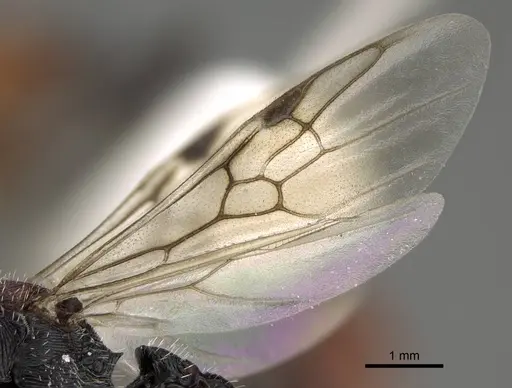
CASENT0103258
Megtekintés az AntWeb-en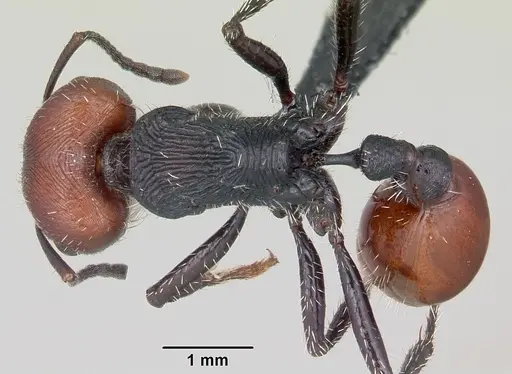
CASENT0172679
Megtekintés az AntWeb-en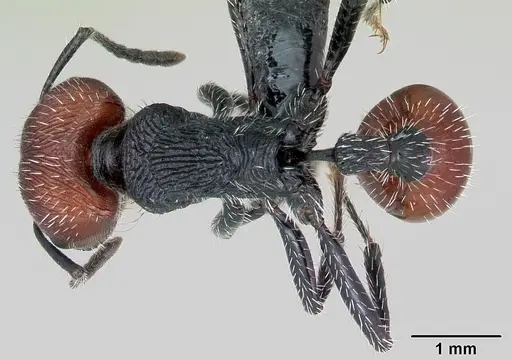
CASENT0172680
Megtekintés az AntWeb-en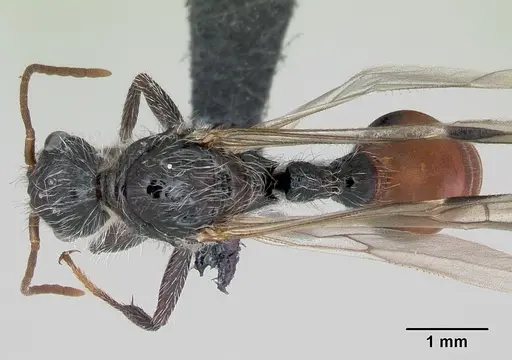
CASENT0173343
Megtekintés az AntWeb-en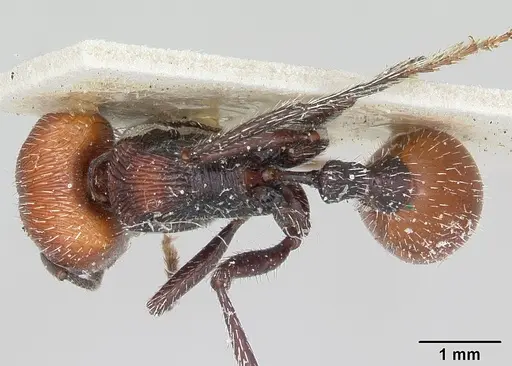
CASENT0217261
Megtekintés az AntWeb-en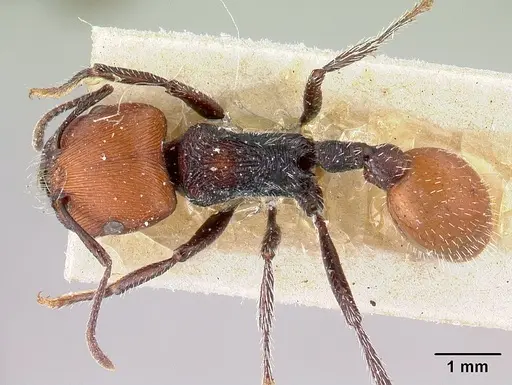
CASENT0235293
Megtekintés az AntWeb-en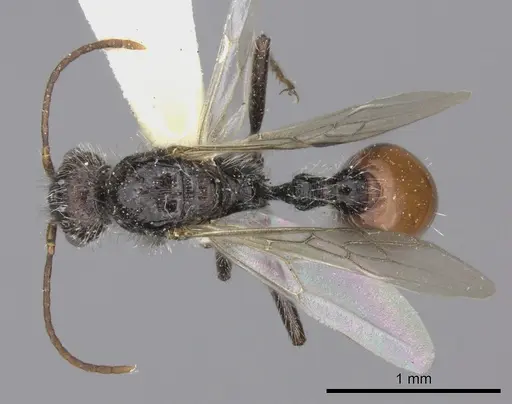
CASENT0235294
Megtekintés az AntWeb-en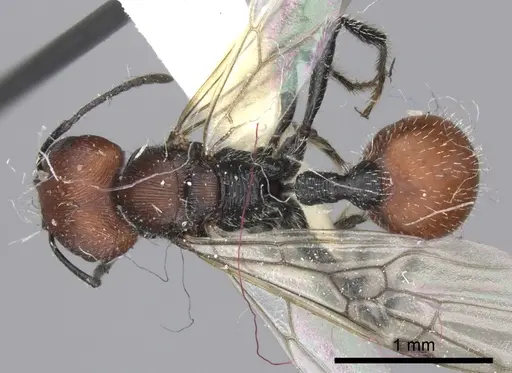
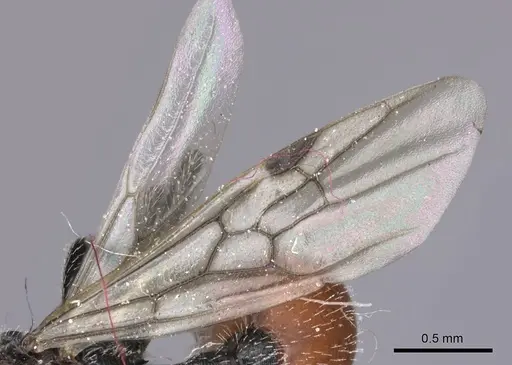
CASENT0249057
Megtekintés az AntWeb-en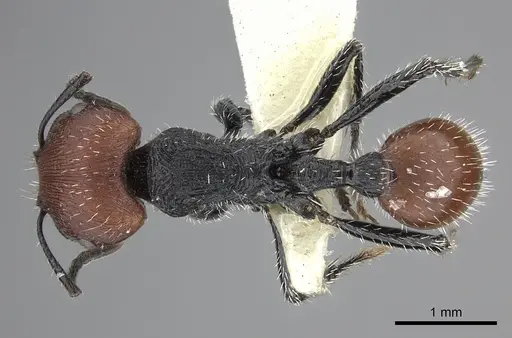
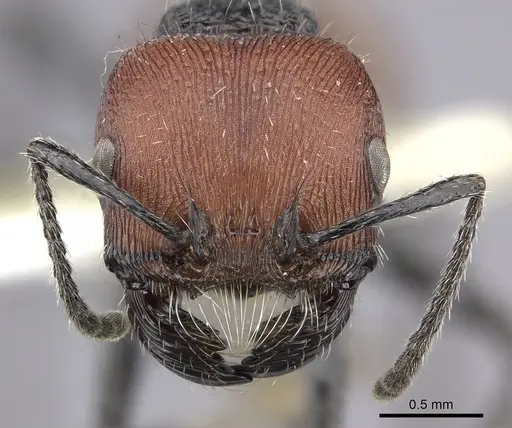
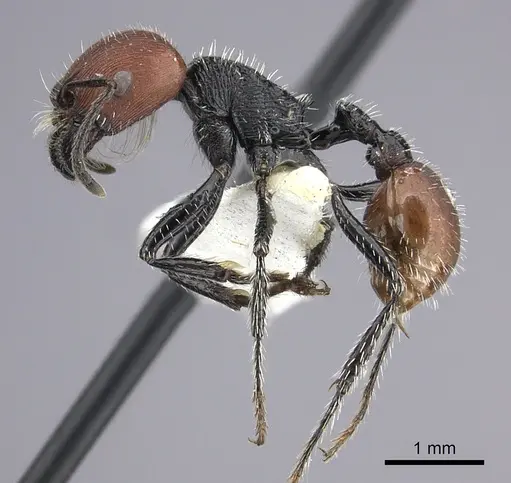
CASENT0904105
Megtekintés az AntWeb-en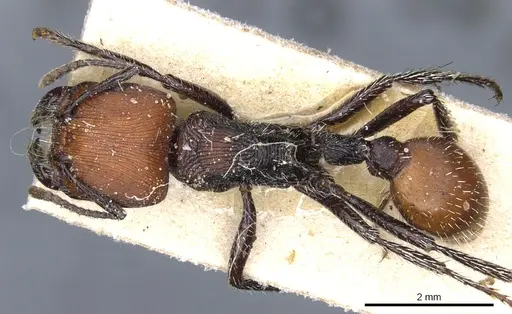
CASENT0913101
Megtekintés az AntWeb-en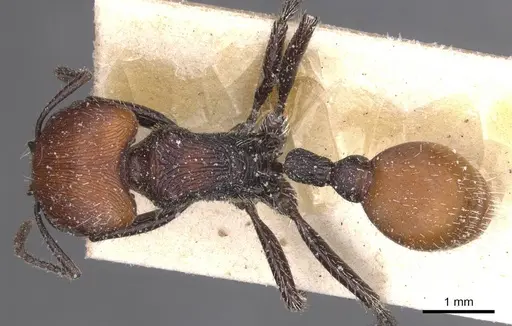
CASENT0914386
Megtekintés az AntWeb-en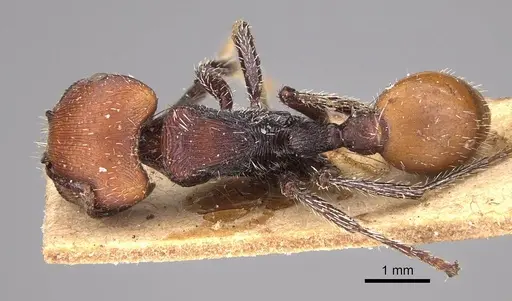
CASENT0922459
Megtekintés az AntWeb-en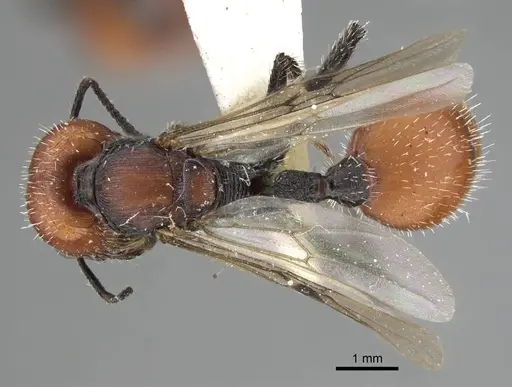
Irodalom
Elterjedési térkép betöltése...Termékek betöltése...