
Pogonomyrmex forelii
- Tud. név
- Pogonomyrmex forelii
- Nemzetség
- Pogonomyrmecini
- Alcsalád
- Myrmicinae
- Szerző
- Johnson, 2021
- Elterjedés
- 0 országban megtalálható
Bevezetés
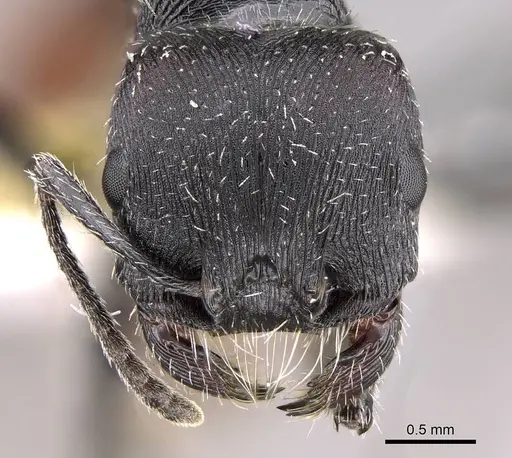
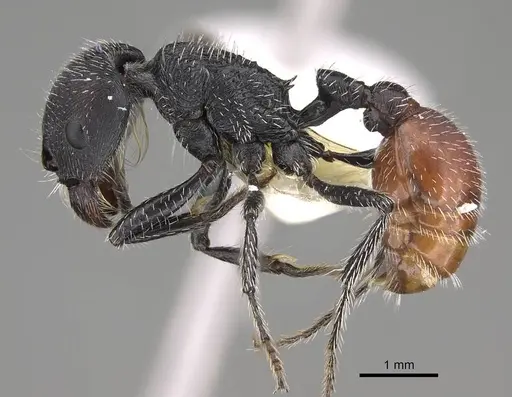
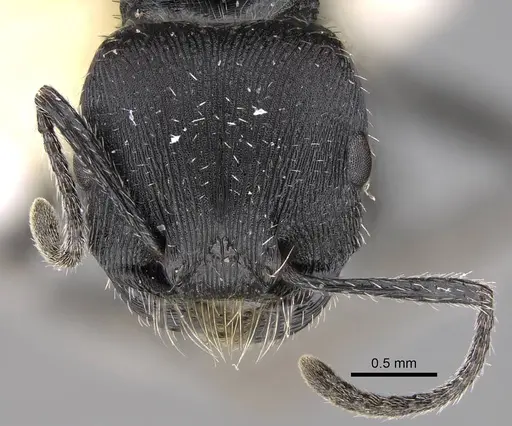
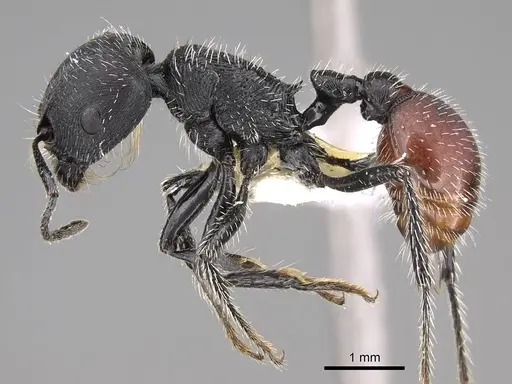
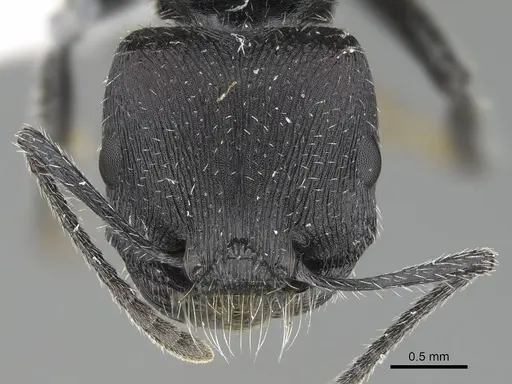
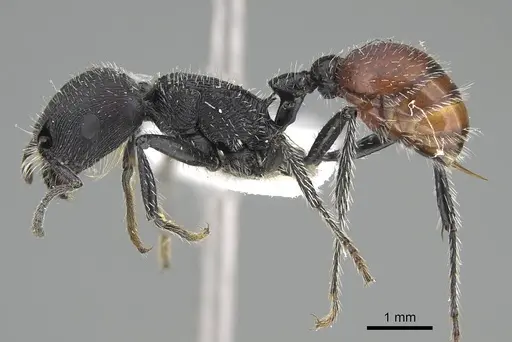
Pogonomyrmex forelii is a seed-harvester ant species native to Patagonia, Argentina. Workers have a distinctive appearance: the head and mesosoma are black to blackish, while the gaster ranges from dark ferruginous orange to orangish-black . This species is only known from its type locality in the Low Monte ecoregion of Chubut Province at approximately 385m elevation . Worker size in total length is not documented, but based on related species, they are medium-sized ants . This species represents one of the more southern Pogonomyrmex populations, adapted to the arid Monte desert. It was formally described in 2021,so captive care information is limited .
Quick Summary
- Difficulty: Medium
- Origin & Habitat: Patagonia, Argentina, specifically the Low Monte ecoregion in Chubut Province at 385m elevation. This is an arid to semi-arid desert region [1].
- Colony Type: Based on typical Pogonomyrmex patterns, likely monogyne (single-queen) colonies [2].
- Size & Growth:
- Queen: Size data unavailable
- Worker: Approximately 8-12 mm, inferred from Pogonomyrmex genus [2]
- Colony: Unknown for this species [2]
- Growth: Moderate, inferred from genus patterns [2]
- Development: Estimated 6-10 weeks at optimal temperatures, based on genus patterns [2] (Development time may vary with temperature, seed-harvester ants typically develop slower than predatory species.)
- Antkeeping:
- Temperature: Temperature needs are unclear, start around 25-30°C and observe, based on genus patterns [2]
- Humidity: Keep nest substrate dry to slightly moist, as this species is arid-adapted [2]
- Diapause: Likely yes, based on genus patterns and temperate location [2]
- Nesting: Y-tong or plaster nests work well, provide dry conditions [2]
- Behavior: Workers are active foragers and will sting if provoked, based on genus patterns [2]. Escape risk is moderate due to their size [2].
- Common Issues: keeping the nest too humid can kill the colony, this species is adapted to dry conditions, winter dormancy is often required but timing may vary, failure to provide diapause can affect colony health, limited captive breeding information means some trial and error may be needed, wild-caught colonies may have parasites that reduce survival in captivity
Housing and Nest Preferences
Use Y-tong or plaster nests with dry substrate for Pogonomyrmex forelii. These ants are arid-adapted, so avoid humid environments. Provide a temperature gradient using a heating cable if needed, but keep conditions dry [2].
Feeding and Diet
As seed-harvesters, offer a variety of seeds such as grass, millet, and cracked sunflower seeds. Provide small insects like fruit flies for protein occasionally [2].
Temperature and Seasonal Care
Maintain nest temperatures around 25-30°C during active seasons. During winter, reduce temperatures to 10-15°C for 3-4 months to simulate diapause [2].
Behavior and Defense
Workers are active daytime foragers and will sting if threatened. Use standard barriers to prevent escapes, as they are moderate climbers [2].
Colony Establishment
Queens likely found colonies claustrally, sealing themselves in to raise the first workers. Do not disturb during this phase [2].
Frequently Asked Questions
How long does it take for Pogonomyrmex forelii to produce first workers?
Expect 6-10 weeks from egg to worker at optimal temperatures, based on genus patterns [2].
What do Pogonomyrmex forelii ants eat?
They primarily eat seeds, with occasional protein from small insects [2].
Do Pogonomyrmex forelii ants sting?
Yes, they have a painful sting and will defend their nest if provoked [2].
What temperature do Pogonomyrmex forelii need?
Start around 25-30°C and observe, as specific needs are unclear [2].
Do Pogonomyrmex forelii need hibernation?
Likely yes, based on their temperate location and genus patterns [2].
Can I keep multiple Pogonomyrmex forelii queens together?
Probably not, as they are likely monogyne and queens may fight [2].
How big do Pogonomyrmex forelii colonies get?
Colony size is unknown for this species [2].
Is Pogonomyrmex forelii good for beginners?
This species is rated medium difficulty due to specific care needs and limited information [2].
What humidity level do Pogonomyrmex forelii need?
Keep the nest dry to slightly moist, as they are arid-adapted [2].
When should I move Pogonomyrmex forelii to a formicarium?
Move colonies once they have 30-50 workers and active foraging, using a prepared nest with dry conditions [2].
Report an Issue
The current care sheet is based fully on literature. See inconsistencies, or something that's incorrect? Please , it will be resolved after review from an admin. Contributing to the blogs tab also helps providing information, to make us be able to further improve the caresheets. Thank you for your support!
References

Ez a tartási útmutató a következő licenc alatt áll: CC BY-SA 4.0 .
Közösségi blogok
CASENT0914805
Megtekintés az AntWeb-en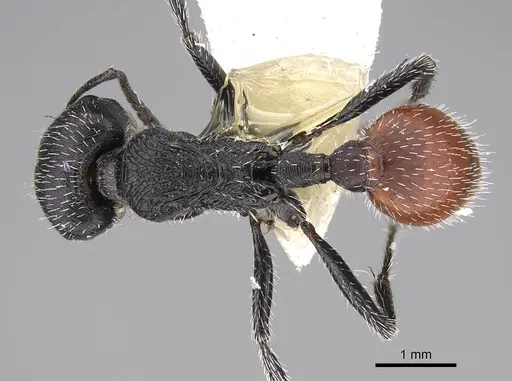
CASENT0914806
Megtekintés az AntWeb-en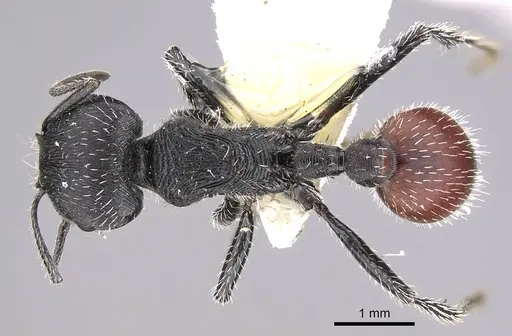
CASENT0922168
Megtekintés az AntWeb-en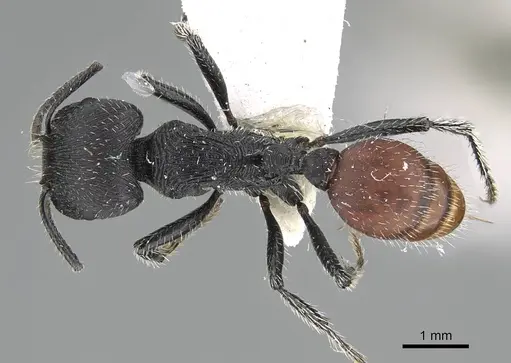
Irodalom
Elterjedési térkép betöltése...Termékek betöltése...