
Plectroctena dentata
- Tud. név
- Plectroctena dentata
- Nemzetség
- Ponerini
- Alcsalád
- Ponerinae
- Szerző
- Santschi, 1912
- Elterjedés
- 0 országban megtalálható
Bevezetés
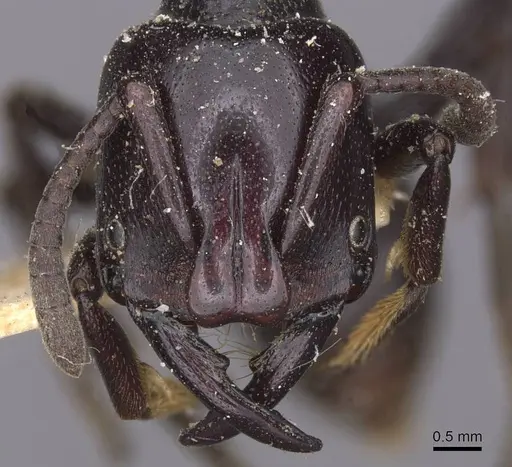
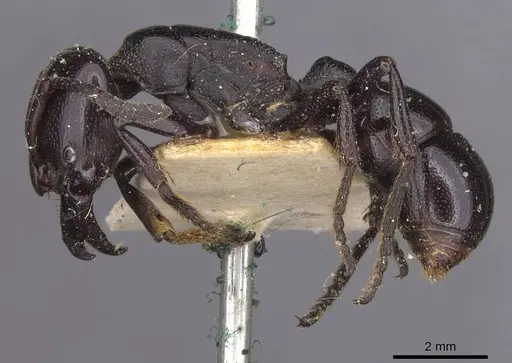
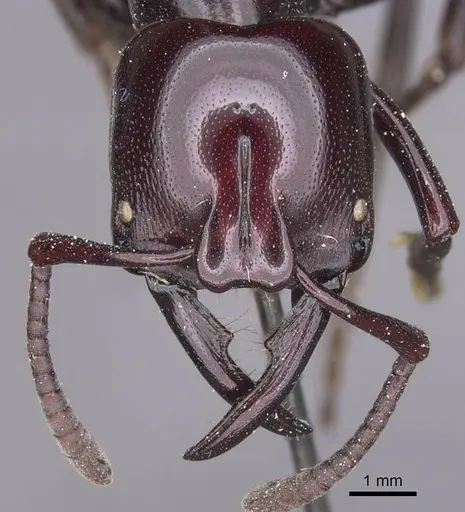
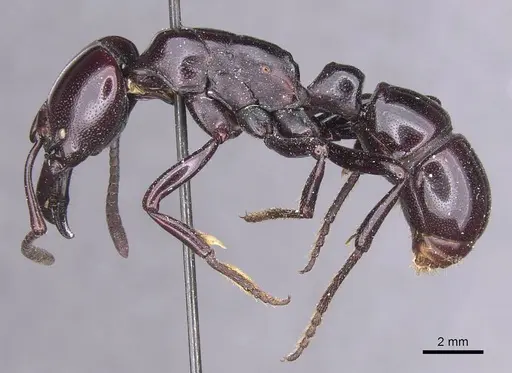
Plectroctena dentata is a medium-sized predatory ant native to Central Africa, found in Angola, the Democratic Republic of Congo, and Uganda . Workers have powerful mandibles for capturing prey, typical of the Ponerinae subfamily. The species was described in 1912 and elevated to species status in 1924 . It features ergatoid queens, which are wingless replacement reproductives that can take over if the primary queen dies .
Quick Summary
- Difficulty: Medium
- Origin & Habitat: Found in tropical forest environments across Angola, the Democratic Republic of Congo, and Uganda, where they nest in soil or rotting wood and hunt small invertebrates [1].
- Colony Type: Single-queen colonies with ergatoid (wingless) replacement reproductives documented [1].
- Size & Growth:
- Queen: ~8-10 mm, inferred from Plectroctena genus patterns [1]
- Worker: ~6-8 mm, inferred from Plectroctena genus patterns [1]
- Colony: Up to several hundred workers [1]
- Growth: Moderate
- Development: Estimated 8-12 weeks at warm temperatures (Development is slower than advanced ant genera, warm temperatures (24-28°C) accelerate growth.)
- Antkeeping:
- Temperature: Keep nest area at 24-28°C with a gradient, tropical species benefit from warmth [1].
- Humidity: Maintain moderate to high humidity, keep substrate moist but not waterlogged, with drier areas available [1].
- Diapause: No, tropical species do not require hibernation, keep temperatures stable year-round [1].
- Nesting: Use Y-tong, plaster, or soil nests with dark, humid chambers, test tube setups work for founding colonies [1].
- Behavior: Workers are active hunters with powerful mandibles and a functional sting for defense, typical of Ponerinae ants. They are moderately aggressive, nocturnal, and require escape-proof barriers due to agility [1].
- Common Issues: predatory feeding requires constant live prey, which can be challenging for beginners, slower growth may lead to keeper impatience and overfeeding, high humidity can promote mold if ventilation is inadequate, temperature drops below 20°C can slow brood development, wild-caught colonies may carry parasites that harm captive colonies
Housing and Nest Setup
Provide a nest that maintains high humidity and darkness for Plectroctena dentata. Use Y-tong (AAC) nests or plaster nests with water reservoirs to control moisture [1]. For founding colonies, a test tube setup with a cotton separator works well [1]. Transition to larger formicarium when the colony reaches 50+ workers. Ensure the outworld is spacious for hunting, and use fluon barriers to prevent escapes [1].
Feeding and Diet
Feed live small invertebrates like crickets, mealworms, and fruit flies, as protein is essential for brood development [1]. Offer sugar water or honey occasionally, but prioritize live prey. Feed 2-3 times per week for established colonies, removing uneaten prey after 24-48 hours to prevent mold [1].
Temperature and Seasonal Care
Maintain temperatures at 24-28°C year-round, as this tropical species does not tolerate cold below 20°C [1]. Use a heating cable on top of the nest to create a gradient, and monitor with a thermometer. No seasonal cooling is needed [1].
Behavior and Colony Dynamics
Workers hunt actively using powerful mandibles and have a functional sting for defense. They are moderately aggressive and nocturnal, with ergatoid queens providing reproductive backup [1]. Colonies grow moderately, reaching several hundred workers over time [1].
Frequently Asked Questions
How long does it take for Plectroctena dentata to raise first workers?
Expect 8-12 weeks from egg to first worker at optimal temperatures (24-28°C). Be patient during the founding phase.
What do Plectroctena dentata ants eat?
They need live small invertebrates like crickets and mealworms for protein [1]. Supplement with sugar water occasionally.
Are Plectroctena dentata good for beginners?
This species is medium difficulty due to feeding and humidity requirements [1]. Beginners may struggle with live prey.
Can I keep multiple Plectroctena dentata queens together?
This species is likely monogyne with ergatoid replacements [1]. Combining queens is not recommended, house them separately.
Do Plectroctena dentata need hibernation?
No, as a tropical species, they do not require hibernation, keep temperatures stable [1].
What size colony does Plectroctena dentata reach?
Colonies can reach up to several hundred workers [1]. They do not form supercolonies.
When should I move Plectroctena dentata from a test tube to a formicarium?
Move when the colony has 30-50 workers and the test tube is crowded [1]. Ensure the new setup maintains high humidity.
Why are my Plectroctena dentata dying?
Common causes include temperatures below 20°C, insufficient live prey, low humidity, or parasites from wild-caught colonies [1]. Check environmental factors first.
How often should I feed Plectroctena dentata?
Feed small prey 2-3 times per week for established colonies, adjusting based on consumption [1].
Report an Issue
The current care sheet is based fully on literature. See inconsistencies, or something that's incorrect? Please , it will be resolved after review from an admin. Contributing to the blogs tab also helps providing information, to make us be able to further improve the caresheets. Thank you for your support!
References

Ez a tartási útmutató a következő licenc alatt áll: CC BY-SA 4.0 .
Közösségi blogok
CASENT0104649
Megtekintés az AntWeb-en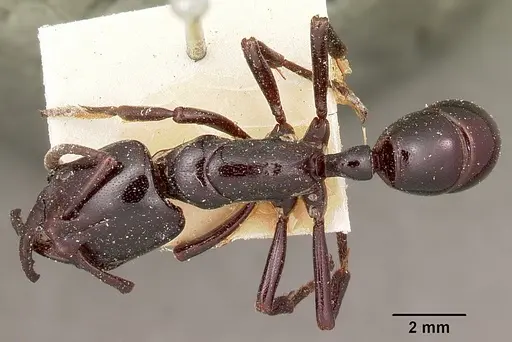
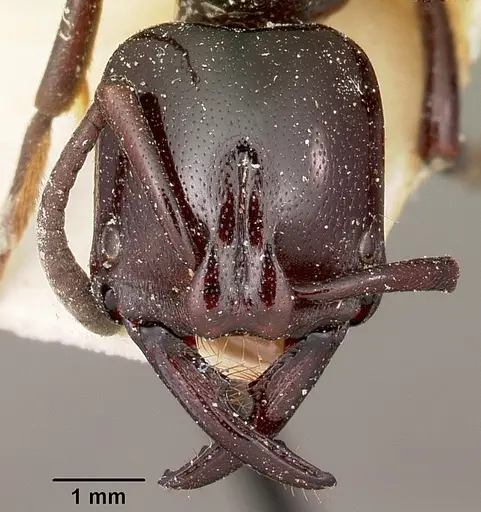
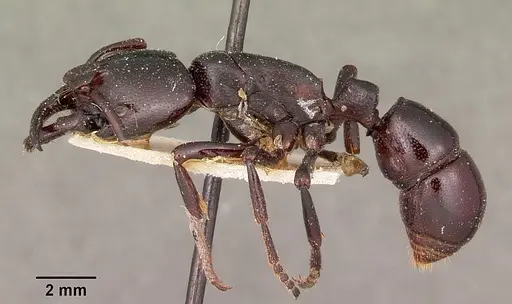
CASENT0915285
Megtekintés az AntWeb-en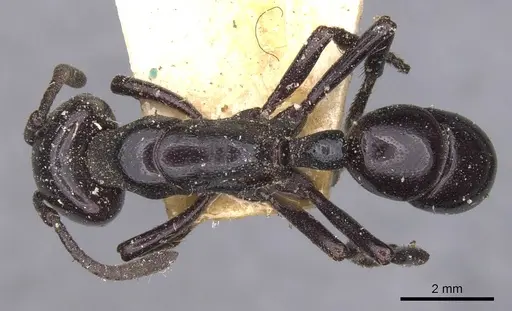
CASENT0915286
Megtekintés az AntWeb-en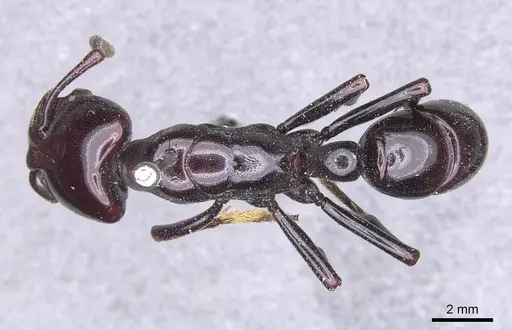
Irodalom
Elterjedési térkép betöltése...Termékek betöltése...