
Pheidole spinoda
- Tud. név
- Pheidole spinoda
- Nemzetség
- Attini
- Alcsalád
- Myrmicinae
- Szerző
- Smith, 1858
- Elterjedés
- 0 országban megtalálható
Bevezetés
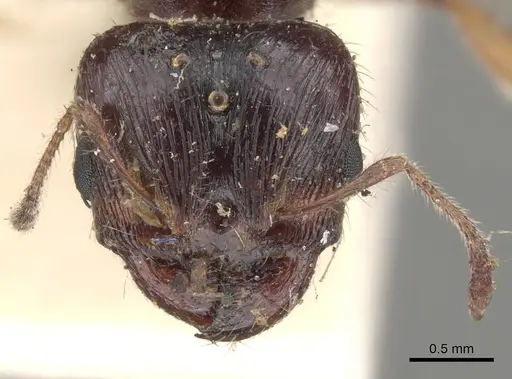
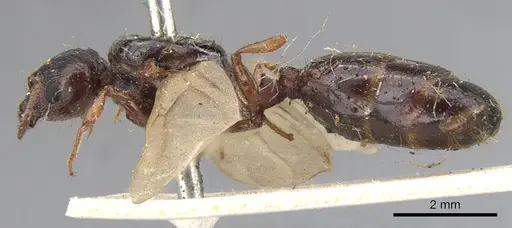
Pheidole spinoda is a big-headed ant from Australia, first described in 1863 from Adelaide, South Australia . Workers come in two sizes: minor workers and major workers with enlarged heads for seed processing. Specific size data for this species is unavailable. It lives in areas with Mediterranean climates, featuring hot summers and cool winters. This species has received minimal scientific attention since its description, making detailed biological information scarce.
Quick Summary
- Difficulty: Hard
- Origin & Habitat: Adelaide, South Australia [1]. The region has a Mediterranean climate with hot, dry summers and cool, wet winters.
- Colony Type: Unconfirmed. Colony structure for this species has not been documented.
- Size & Growth:
- Queen: Size data unavailable
- Worker: Size data unavailable
- Colony: Unknown
- Growth: Unknown
- Development: Unknown (No development data available for this species.)
- Antkeeping:
- Temperature: Unknown, based on South Australian climate, temperatures around 22-26°C may be suitable, but specific requirements are unconfirmed.
- Humidity: Unknown, Mediterranean climates have variable humidity, provide a moisture gradient.
- Diapause: Likely yes, based on cool winters in Adelaide, but unconfirmed.
- Nesting: Unconfirmed, most Pheidole nest in soil or under stones.
- Behavior: Behavior is unstudied. Based on genus patterns, Pheidole are generally non-aggressive, but specifics for this species are unknown. Escape risk is moderate due to size.
- Common Issues: difficulty in establishing colonies due to lack of protocols, uncertain diapause needs may affect colony health, unknown diet may lead to feeding issues, escape risk due to moderate size
Species Background and Identification
Pheidole spinoda was described in 1863 from Adelaide, South Australia [1]. It is a big-headed ant with minor and major workers, but specific size data is unavailable. The species belongs to the diverse Pheidole genus, known for two-worker castes.
Natural Habitat and Climate Adaptation
This species originates from Adelaide, South Australia, which has a Mediterranean climate [1]. Summers are hot and dry, while winters are cool and wet, suggesting adaptation to temperature extremes.
Housing and Nesting
Nesting preferences are unconfirmed for this species. Most Pheidole nest in soil or under stones, so standard formicarium setups with moist substrate may work, but specific requirements are unknown.
Feeding and Diet
Diet preferences are unstudied. Based on genus patterns, Pheidole are omnivorous, but specifics for this species are unknown.
Temperature and Seasonal Care
Temperature requirements are unconfirmed. Based on South Australian climate, a range of 22-26°C may be suitable, with a cooler period for diapause.
Colony Development and Growth
Colony development is unstudied. Founding behavior is unconfirmed, and growth rate is unknown.
Frequently Asked Questions
How long does it take for Pheidole spinoda to raise first workers?
The exact timeline is unknown for this species, as no development data is available.
What do Pheidole spinoda ants eat?
Diet preferences are unstudied, but based on genus patterns, they may accept seeds, protein, and sugar sources.
What temperature should I keep Pheidole spinoda at?
Temperature requirements are unconfirmed, based on climate,22-26°C may be suitable during active seasons.
Do Pheidole spinoda need hibernation?
Likely yes, based on cool winters in Adelaide, but this is unconfirmed.
How big do Pheidole spinoda colonies get?
Colony size is unknown for this species.
Can I keep multiple Pheidole spinoda queens together?
Colony structure is unconfirmed, it is safest to house a single queen to avoid conflict.
Is Pheidole spinoda good for beginners?
This species is not recommended for beginners due to the lack of documented care information.
When should I move Pheidole spinoda to a formicarium?
Timing is unconfirmed, wait until the colony is established with a stable worker population.
Why is there so little information about Pheidole spinoda?
This species was described in 1863 but has received minimal modern scientific attention [1].
Report an Issue
The current care sheet is based fully on literature. See inconsistencies, or something that's incorrect? Please , it will be resolved after review from an admin. Contributing to the blogs tab also helps providing information, to make us be able to further improve the caresheets. Thank you for your support!
References

Ez a tartási útmutató a következő licenc alatt áll: CC BY-SA 4.0 .
Közösségi blogok
CASENT0901541
Megtekintés az AntWeb-en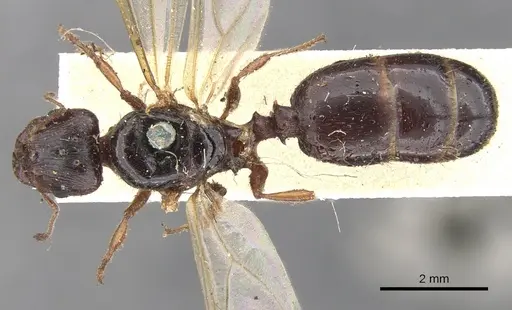
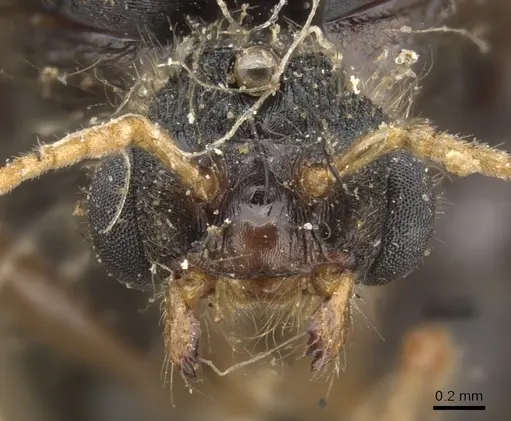
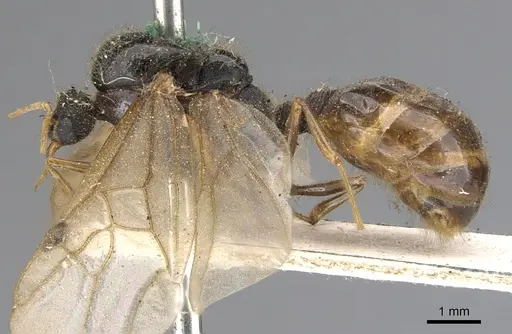
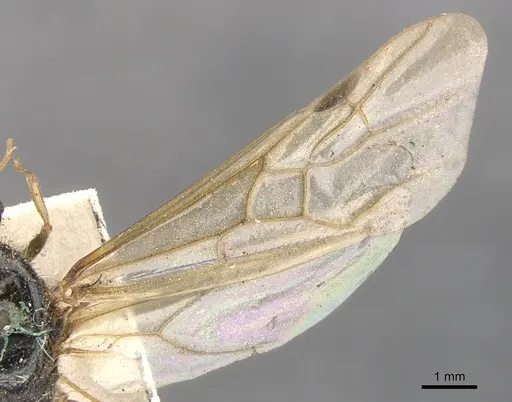
CASENT0901542
Megtekintés az AntWeb-en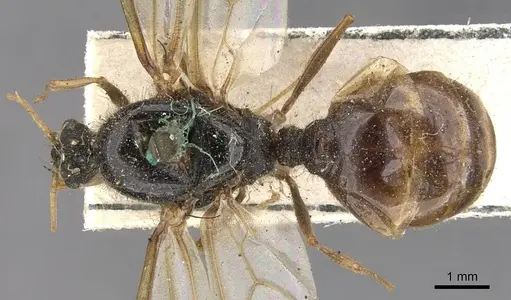
Irodalom
Elterjedési térkép betöltése...Termékek betöltése...