
Pheidole sayapensis
- Tud. név
- Pheidole sayapensis
- Nemzetség
- Attini
- Alcsalád
- Myrmicinae
- Szerző
- Eguchi, 2001
- Elterjedés
- 0 országban megtalálható
Bevezetés
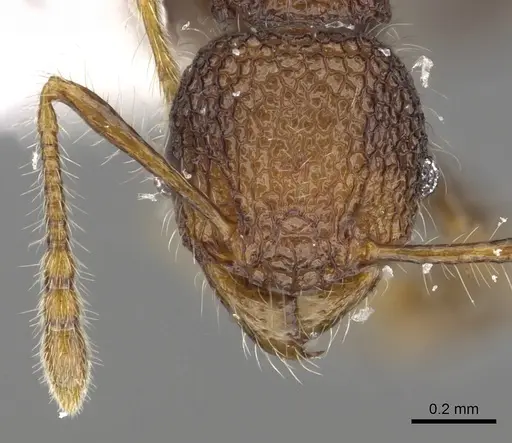
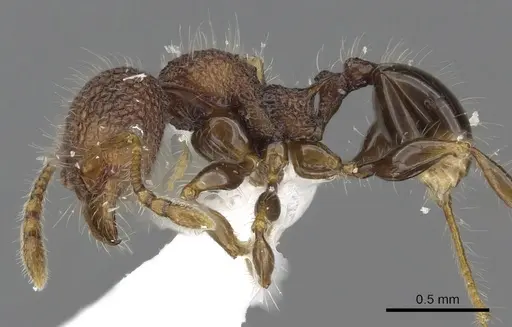
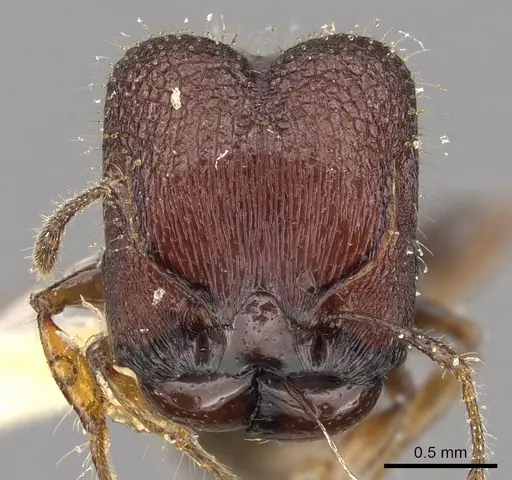
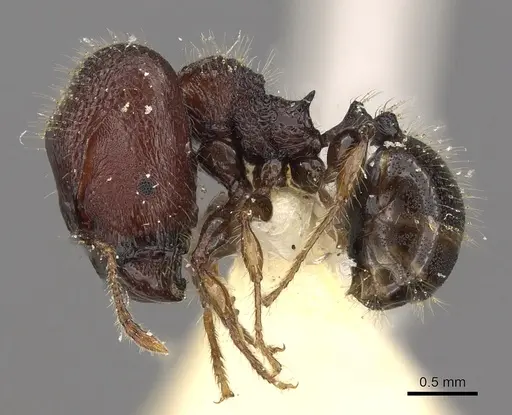
Pheidole sayapensis is a small big-headed ant native to hill forests in Borneo and the Philippines. Major workers reach about 3.2 mm in total length, while minor workers are 1.8-2.0 mm . The species inhabits well-developed hill forests around 1000 meters elevation, nesting in rotting wood where they stores tiny seeds . It has been recorded in Borneo and on Mindanao Island in the Philippines . This ant species is known for storing seeds inside its nest, a behavior observed in wild colonies .
Quick Summary
- Difficulty: Medium
- Origin & Habitat: Hill forests of Borneo and Philippines at approximately 1000m elevation [1][2]
- Colony Type: Colony structure is unconfirmed, but based on Pheidole genus patterns, likely single-queen [1]
- Size & Growth:
- Antkeeping:
- Temperature: Keep warm and stable, roughly 22-26°C, based on tropical habitat [1]
- Humidity: Keep nest substrate consistently moist but not waterlogged, with some drier areas for seed storage [1]
- Diapause: No, tropical species that remains active year-round [1]
- Nesting: In nature, nests in rotting wood, in captivity, use Y-tong, plaster, or naturalistic setups with wood and leaf litter [1]
- Behavior: Typical Pheidole caste system with majors defending and minors foraging, minors are only 2mm and require excellent escape prevention [1]
- Common Issues: minors are only 2mm long and can escape through tiny gaps without proper barriers., require consistent high humidity without stagnant air to prevent mold., tropical species suffer below 20°C and may die from cold exposure., need very small seeds appropriate to their size, large seeds may be ignored.
Nest Preferences and Setup
In nature, Pheidole sayapensis nests in rotting wood blocks in well-developed hill forests [1]. This suggests they prefer humid, enclosed spaces with wood fiber. For captive colonies, a Y-tong (autoclaved aerated concrete) nest or plaster nest works well, provided you maintain humidity. You can also use a naturalistic setup with rotting wood and leaf litter to mimic their forest floor habitat. Because they store seeds, ensure the nest has some dry storage areas within the humid environment. The nest should have chambers sized appropriately, small tunnels for the 2mm minors and slightly larger spaces for the 3.2mm majors. Keep the substrate moist but not soggy, if using a test tube setup initially, ensure the water reservoir doesn't flood the chamber.
Feeding and Diet
These ants are seed-collectors in the wild, storing tiny seeds inside their nests [1]. In captivity, offer a mix of small seeds like chia, poppy, or crushed millet appropriate to their small size. They also need protein sources such as fruit flies, springtails, or small cricket pieces. Provide sugar water or honey water in a test tube or small feeder. Because they have distinct castes, you may observe majors crushing larger food items while minors transport them. Remove uneaten protein within 24 hours to prevent mold in their high-humidity environment.
Temperature and Humidity
Coming from hill forests at 1000m elevation in tropical Borneo and the Philippines, these ants need warm, stable conditions [1]. Keep them between 22-26°C, they likely suffer if temperatures drop below 20°C for extended periods. Use a heating cable on one side of the nest to create a gradient, but place it on top to avoid drying out the water reservoir. Humidity should be high, think forest floor conditions. Keep the nest substrate damp to the touch, with some slightly drier areas for seed storage. Ensure good ventilation to prevent mold while maintaining moisture.
Behavior and Temperament
Pheidole sayapensis shows the classic big-headed ant caste system [1]. Major workers with their large heads and horn-like spines serve as soldiers, blocking nest entrances and crushing hard food, while minor workers handle foraging and brood care. Minors are only about 2mm long, so they can squeeze through incredibly small gaps, you need excellent escape prevention like Fluon or baby powder barriers on all outworld rims. There is no specific data on their aggression levels, but as a forest-floor species, they likely show moderate defensiveness when disturbed.
Colony Founding
Founding behavior has not been directly observed for this species. Based on typical Pheidole patterns, queens may be claustral, meaning the queen seals herself in a chamber and lives off stored fat reserves until her first workers hatch [1]. Start founding queens in a standard test tube setup with a water reservoir blocked by cotton. Keep them warm and undisturbed. Do not attempt to combine multiple queens, as Pheidole are typically monogyne (single-queen) and unrelated queens will likely fight.
Frequently Asked Questions
Can I keep Pheidole sayapensis in a test tube?
Yes, start founding queens and small colonies in test tubes. Use a standard setup with water reservoir blocked by cotton. Move them to a formicarium when the colony reaches 20-50 workers or when the test tube becomes too crowded [1].
How long until first workers for Pheidole sayapensis?
The exact timeline is unknown. Based on tropical Pheidole species, expect roughly 6-10 weeks at 25°C [1]. Nanitic (first) workers may emerge slightly faster but will be smaller than subsequent workers.
What do Pheidole sayapensis eat?
They store tiny seeds in nature, so offer small seeds like chia or poppy. They also need protein such as fruit flies, springtails, or small insect pieces, plus sugar water or honey water [1].
Do Pheidole sayapensis need hibernation?
No, they come from tropical regions and do not require diapause or winter rest. Keep them warm year-round at 22-26°C [1].
Can I keep multiple Pheidole sayapensis queens together?
Not recommended. While the exact colony structure is unconfirmed, Pheidole are typically single-queen species. Combining unrelated founding queens will likely result in fighting and death [1].
Are Pheidole sayapensis good for beginners?
They are medium difficulty. While Pheidole are generally hardy, the small size of minors requires excellent escape prevention, and their tropical needs demand consistent heating and humidity control [1].
How do I prevent Pheidole sayapensis from escaping?
The minor workers are only 2mm long and can squeeze through tiny gaps. Use Fluon or baby powder mixed with alcohol on all outworld rims and ventilation holes. Ensure mesh is fine enough to block 2mm ants [1].
What temperature do Pheidole sayapensis need?
Keep them at 22-26°C based on their tropical hill forest habitat. Avoid temperatures below 20°C [1].
How big do Pheidole sayapensis colonies get?
Exact maximum size is unknown. Based on related Pheidole species, they likely reach several hundred workers, but no specific data is available [1].
Why are my Pheidole sayapensis dying?
Common causes include: temperatures too cold for this tropical species (keep above 20°C), dehydration from insufficient humidity, or escapes leading to desiccation. Also check for mold in high-humidity setups [1].
Report an Issue
The current care sheet is based fully on literature. See inconsistencies, or something that's incorrect? Please , it will be resolved after review from an admin. Contributing to the blogs tab also helps providing information, to make us be able to further improve the caresheets. Thank you for your support!
References

Ez a tartási útmutató a következő licenc alatt áll: CC BY-SA 4.0 .
Közösségi blogok
CASENT0901654
Megtekintés az AntWeb-en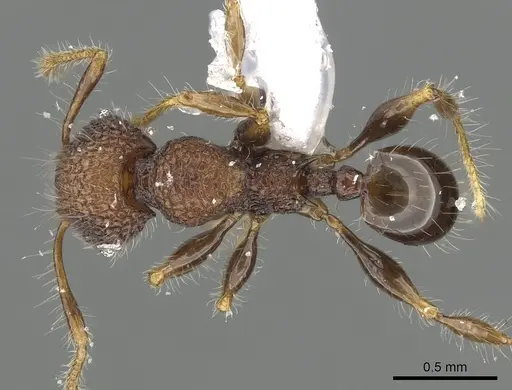
CASENT0901655
Megtekintés az AntWeb-en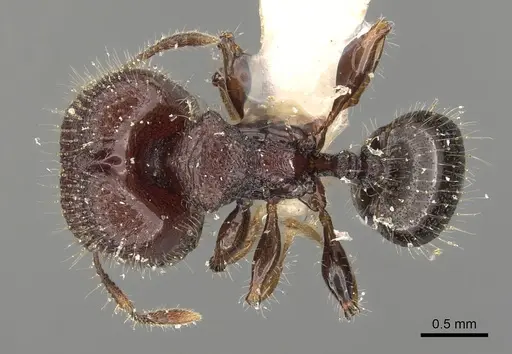
Irodalom
Elterjedési térkép betöltése...Termékek betöltése...