
Pheidole fergusoni
- Tud. név
- Pheidole fergusoni
- Nemzetség
- Attini
- Alcsalád
- Myrmicinae
- Szerző
- Forel, 1902
- Elterjedés
- 0 országban megtalálható
Bevezetés
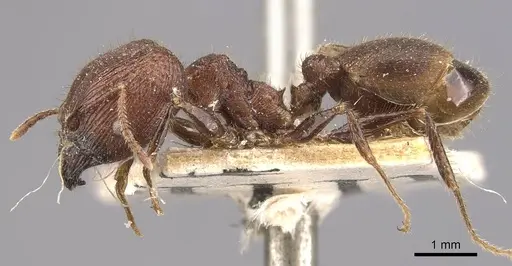
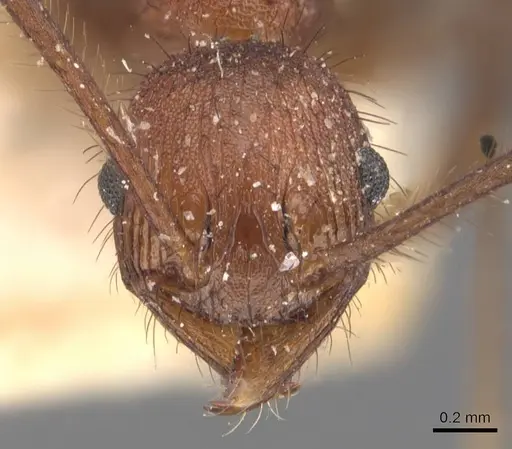
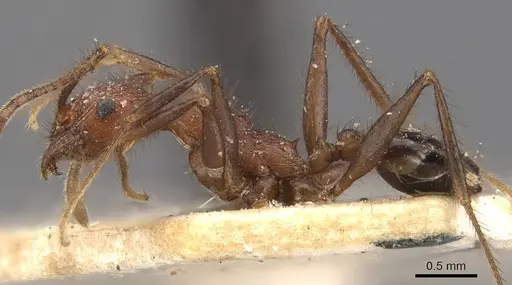
Pheidole fergusoni is a small ant species native to South Asia, found in India, Pakistan, and Sri Lanka . Like all Pheidole species, they have minor and major worker castes . First described by Forel in 1902 , they are commonly found in urban areas, showing adaptation to human-modified environments . This species was recently documented in Pakistan, highlighting its range expansion .
Quick Summary
- Difficulty: Easy
- Origin & Habitat: South Asia (India, Pakistan, Sri Lanka), tropical to subtropical regions. In the wild, they nest in soil and have been found in urban environments [3][2].
- Colony Type: Based on Pheidole patterns, likely monogyne with single queen colonies [4].
- Size & Growth:
- Queen: Size data unavailable, no total length measurements in context.
- Worker: Size data unavailable, no total length measurements in context.
- Colony: Colony size unknown, no data available.
- Growth: Moderate
- Development: Estimated 6-8 weeks based on genus patterns [4]. (Development time may vary with temperature.)
- Antkeeping:
- Temperature: Keep warm, around 24-28°C, based on their tropical origin [3].
- Humidity: Provide a humidity gradient, mostly dry nest chamber with one small moist area, as they are found in dry habitats [3].
- Diapause: No diapause required as tropical species.
- Nesting: Y-tong nests or test tubes work well, prefer drier conditions [4].
- Behavior: Generally peaceful and not aggressive. Escape risk is moderate due to small size, use standard fluon barriers [4].
- Common Issues: small size increases escape risk, ensure barriers are effective., overfeeding can lead to mold, remove uneaten food promptly., major workers may get stuck in narrow tubing, use appropriately sized connections.
Housing and Nest Setup
You can use a test tube setup for founding [4]. Once the colony has 20-30 workers, move to a Y-tong nest [4]. These ants prefer drier conditions, so avoid overly damp setups. A small water tube for humidity is sufficient [4]. Ensure connections are wide enough for major workers to prevent getting stuck [4].
Feeding and Diet
Pheidole ants are omnivorous and accept various foods. Feed protein sources like small insects every 2-3 days and provide constant sugar water [4]. Remove uneaten prey after 24 hours to prevent mold [4].
Temperature and Seasonal Care
Keep the nest area at 24-28°C for optimal brood development [3]. Use a heating cable on one side to create a gradient [4]. They do not require hibernation as a tropical species.
Colony Development and Growth
Colonies grow with minor and major worker castes. The first workers emerge in 6-8 weeks under optimal conditions [4]. Colony growth is moderate, with major workers indicating a healthy colony [4].
Behavior and Temperament
This species is peaceful and not aggressive toward keepers [4]. Major workers defend the colony but rarely sting [4]. Escape prevention is important but not extreme, use fluon barriers [4].
Frequently Asked Questions
How long does it take for Pheidole fergusoni to produce first workers?
Under optimal conditions (24-28°C), expect first workers in approximately 6-8 weeks based on genus patterns [4]. Cooler temperatures will slow development.
Can I keep multiple Pheidole fergusoni queens together?
This species is likely monogyne, so combining queens is not recommended [4]. Only keep one queen per colony.
What do Pheidole fergusoni ants eat?
They are omnivorous. Feed small insects for protein and provide sugar water [4]. Remove uneaten food to prevent mold.
What temperature should I keep Pheidole fergusoni at?
Keep them warm at 24-28°C, matching their tropical origin [3].
Are Pheidole fergusoni good for beginners?
Yes, they are hardy and adaptable [4].
How big do Pheidole fergusoni colonies get?
Colony size is unknown due to lack of data [4].
Do Pheidole fergusoni need hibernation?
No, they do not require hibernation as a tropical species.
When should I move my colony to a formicarium?
Move them once the test tube colony reaches about 20-30 workers [4].
Why are my major workers getting stuck in the tubes?
Major workers have larger heads and can get stuck in narrow tubing. Use wider connections [4].
Report an Issue
The current care sheet is based fully on literature. See inconsistencies, or something that's incorrect? Please , it will be resolved after review from an admin. Contributing to the blogs tab also helps providing information, to make us be able to further improve the caresheets. Thank you for your support!
References

Ez a tartási útmutató a következő licenc alatt áll: CC BY-SA 4.0 .
Közösségi blogok
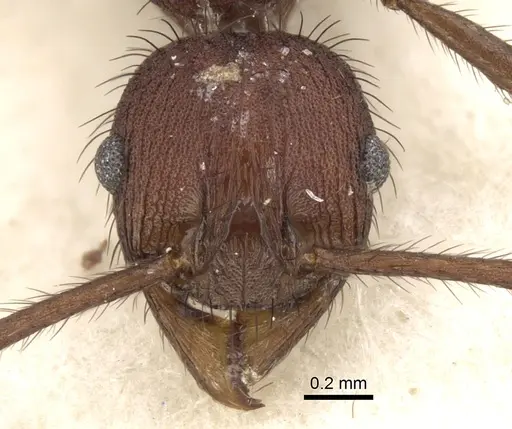
CASENT0281642
Megtekintés az AntWeb-en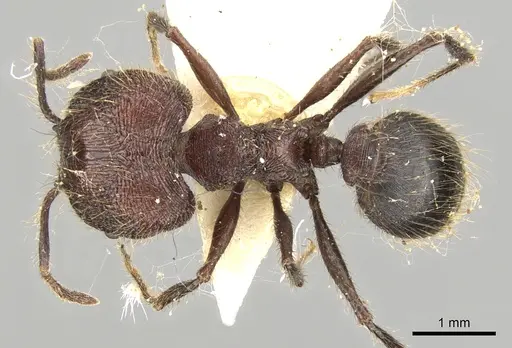
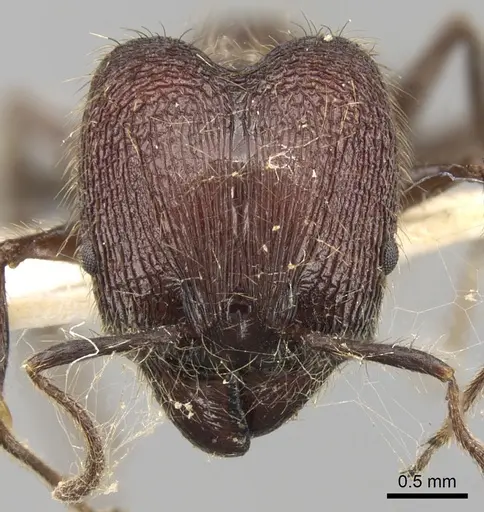
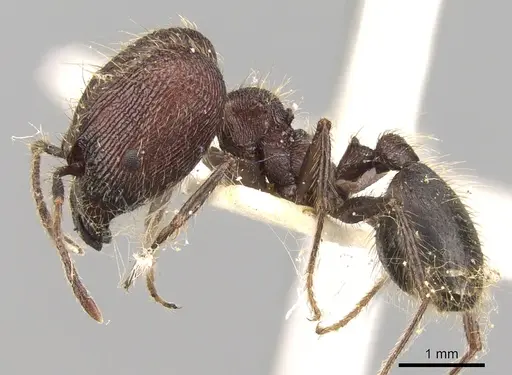
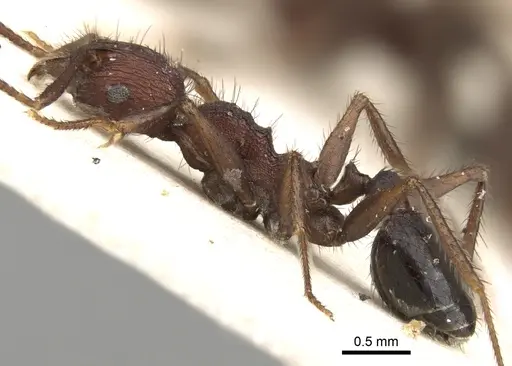
CASENT0281643
Megtekintés az AntWeb-en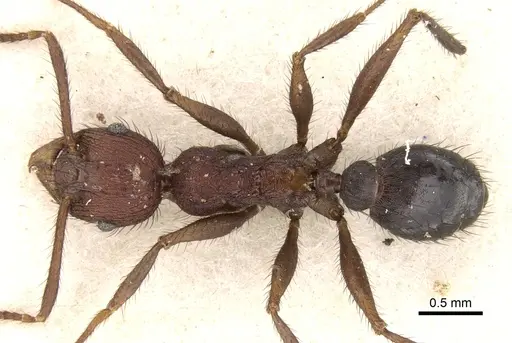
CASENT0907877
Megtekintés az AntWeb-en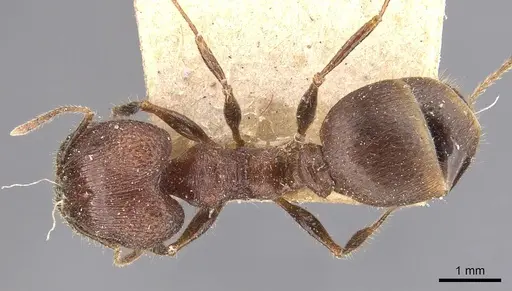
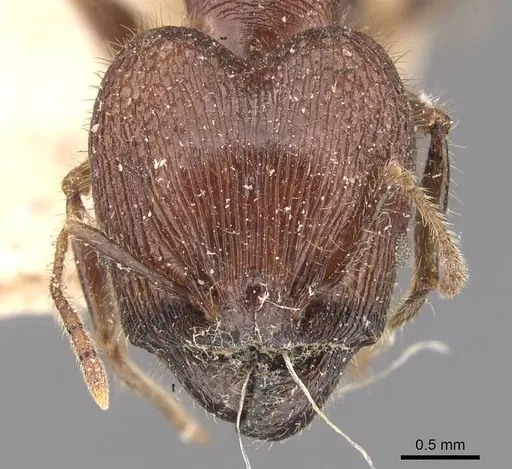
CASENT0907878
Megtekintés az AntWeb-en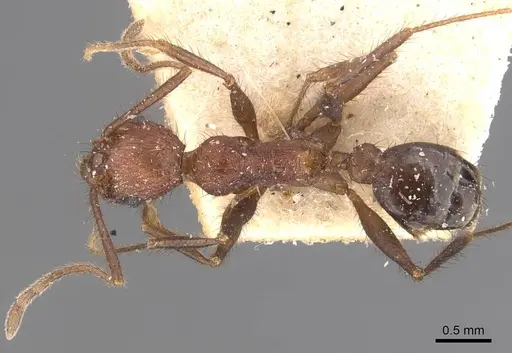
Irodalom
Elterjedési térkép betöltése...Termékek betöltése...