
Hairy House ant
Pheidole aspera
- Tud. név
- Pheidole aspera
- Nemzetség
- Attini
- Alcsalád
- Myrmicinae
- Szerző
- Mayr, 1862
- Köznyelvi név
- Hairy House ant
- Elterjedés
- 0 országban megtalálható
Bevezetés
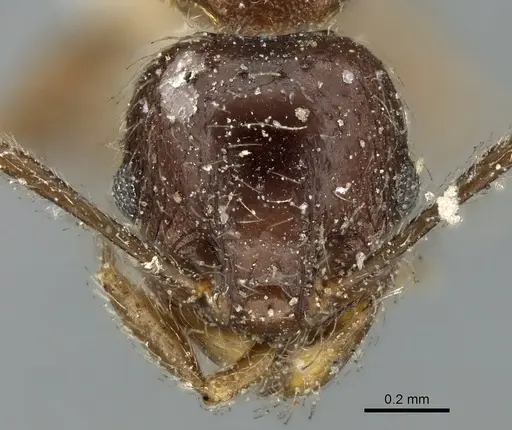
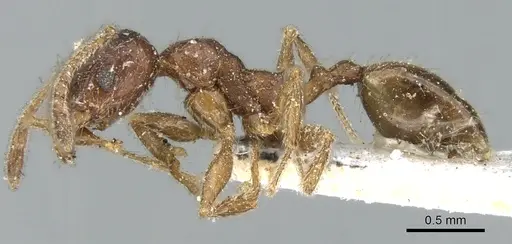
Pheidole aspera is a small to medium-sized ant species with a distinctive caste system, including major workers (soldiers) that have enlarged heads. Based on genus patterns, workers are approximately 2-3 mm and majors are 3-4 mm . The species was originally described from the Cape of Good Hope in South Africa and has also been recorded in Himachal Pradesh, India . Like other Pheidole species, these ants are seed harvesters and opportunistic predators, with colonies growing to contain several thousand workers .
Quick Summary
- Difficulty: Easy
- Origin & Habitat: Originally described from the Cape of Good Hope in South Africa, with additional records from Himachal Pradesh, India, appearing in subtropical to temperate regions [2][3].
- Colony Type: Likely monogyne (single queen colonies) based on typical Pheidole genus patterns, with colonies containing both minor workers and major soldiers.
- Size & Growth:
- Queen: Estimated ~6-8 mm based on Pheidole genus patterns, size data unavailable from context
- Worker: Minor workers ~2-3 mm, majors ~3-4 mm based on Pheidole genus patterns, size data unavailable from context
- Colony: Up to several thousand workers estimated based on typical Pheidole colony sizes
- Growth: Moderate to fast, inferred from Myrmicinae development patterns
- Development: Estimated 5-8 weeks based on typical Myrmicinae development at warm temperatures (Development time depends on temperature, warmer conditions accelerate development)
- Antkeeping:
- Temperature: Keep at 22-26°C based on South African habitat patterns, a gentle temperature gradient allows ants to regulate conditions [1]
- Humidity: Keep nest substrate consistently moist but not waterlogged, with a humidity gradient, Pheidole species are adaptable to moderate humidity [1]
- Diapause: Likely a mild winter slowdown period, based on South African origin, reduced activity in cooler months is expected, but specific diapause requirements are unconfirmed
- Nesting: Pheidole aspera nests in soil and under stones in natural habitats, in captivity, test tubes work for founding, and Y-tong or soil nests work for established colonies [1]
- Behavior: Pheidole aspera is not aggressive toward keepers but will defend the colony if threatened, soldier caste uses large heads for defense [1]. Workers are active foragers, searching for seeds and sugary liquids. Escape risk is moderate due to size, standard containment is sufficient.
- Common Issues: colonies may decline if kept too cold, maintain warm temperatures year-round, major soldiers can block narrow tube openings, use appropriately sized connections, overfeeding can lead to mold in nest setups, remove uneaten food promptly, wild-caught colonies may harbor parasites, quarantine and monitor new colonies, colonies can become stressed during moves, minimize disturbance during establishment
Housing and Nest Setup
Pheidole aspera adapts well to various captive setups. For founding colonies, a simple test tube setup with a water reservoir works, the queen seals herself in and raises her first brood [1]. Once the colony reaches 20-30 workers, transition to a proper formicarium. Y-tong nests or naturalistic soil setups work well for established colonies [1]. Ensure connections are large enough for soldiers to pass through comfortably.
Feeding and Diet
Pheidole aspera is an omnivorous seed harvester. Offer a varied diet including seeds, small insects, and sugary liquids like honey water [1]. Protein is essential for brood development, offer insects several times per week. Remove uneaten food promptly to prevent mold.
Temperature and Seasonal Care
Maintain temperatures between 22-26°C for optimal growth, based on South African habitat patterns [1]. A heating cable can create a temperature gradient. During winter, reduced activity is normal, a cooler period around 15-18°C for 2-3 months may benefit colony health, but it is not strictly required.
Colony Development and Growth
Pheidole colonies grow through a caste system with minor workers and major soldiers. Majors appear once the colony reaches several dozen workers, serving for seed cracking and defense [1]. Growth is moderate to fast, first workers appear within 4-6 weeks of founding under warm conditions.
Behavior and Defense
This species is not aggressive toward keepers but defends the colony vigorously. Soldier caste uses large heads to deter predators [1]. Workers are active foragers and diurnal. Escape prevention is straightforward with standard barriers.
Frequently Asked Questions
How long does it take for Pheidole aspera to have first workers?
Expect first workers within 5-8 weeks after queen lays eggs, assuming temperatures around 24-26°C [1]. Timeline varies with temperature and feeding.
Can I keep multiple Pheidole aspera queens together?
Pheidole species are typically monogyne, combining unrelated queens is not recommended as they may fight [1].
What do Pheidole aspera ants eat?
They are omnivorous seed harvesters, feed crushed seeds, small insects, and sugary liquids [1]. Protein-rich foods aid brood development.
How big do Pheidole aspera colonies get?
Mature colonies can reach several thousand workers [1]. Soldier proportion increases as colony grows.
Do Pheidole aspera need hibernation?
Based on South African origin, a mild winter rest period may be beneficial but is not strictly required [1].
What is the best nest type for Pheidole aspera?
They adapt to many nest types, test tubes for founding, Y-tong or soil nests for established colonies [1]. Ensure appropriate humidity and connections.
Are Pheidole aspera good for beginners?
Yes, this species is considered easy to keep, adaptable and not overly demanding [1].
When should I move Pheidole aspera to a formicarium?
Move once the colony reaches 20-30 workers and the test tube is crowded [1]. Ensure new setup has humidity and outworld connection.
Why are my Pheidole aspera soldiers not appearing?
Soldiers typically appear once the colony reaches several dozen workers, ensure good nutrition and be patient [1].
Report an Issue
The current care sheet is based fully on literature. See inconsistencies, or something that's incorrect? Please , it will be resolved after review from an admin. Contributing to the blogs tab also helps providing information, to make us be able to further improve the caresheets. Thank you for your support!
References

Ez a tartási útmutató a következő licenc alatt áll: CC BY-SA 4.0 .
Közösségi blogok
CASENT0906608
Megtekintés az AntWeb-en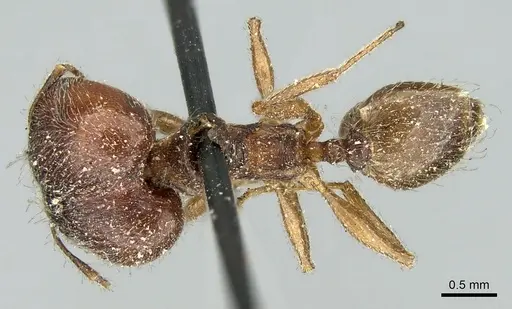
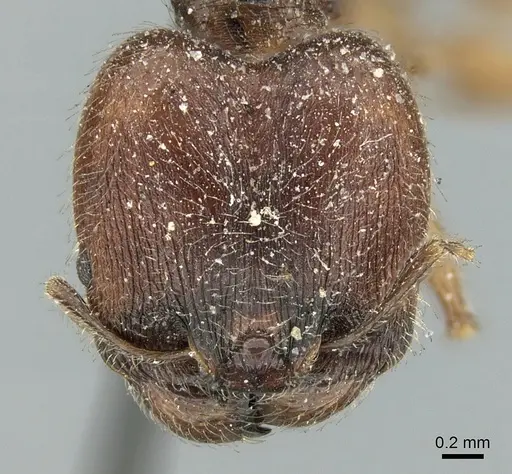
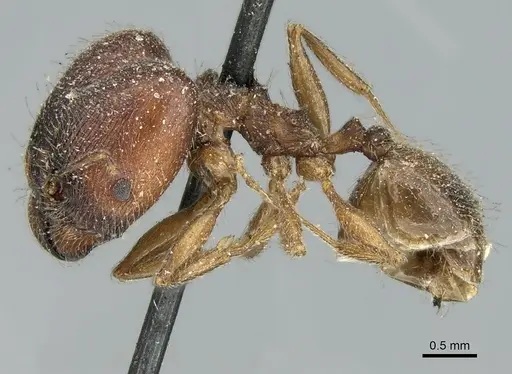
CASENT0906609
Megtekintés az AntWeb-en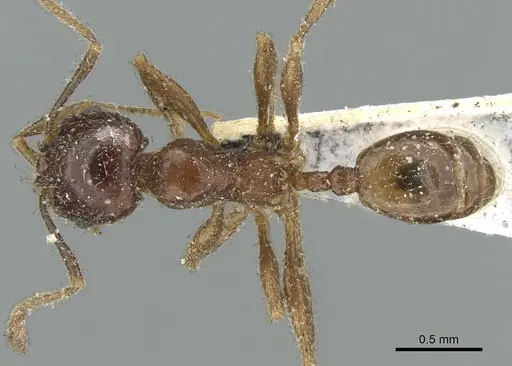
Irodalom
Elterjedési térkép betöltése...Termékek betöltése...