
Pheidole acutilobata
- Tud. név
- Pheidole acutilobata
- Nemzetség
- Attini
- Alcsalád
- Myrmicinae
- Szerző
- Mackay <i>et al.</i>, 2011
- Elterjedés
- 0 országban megtalálható
Bevezetés
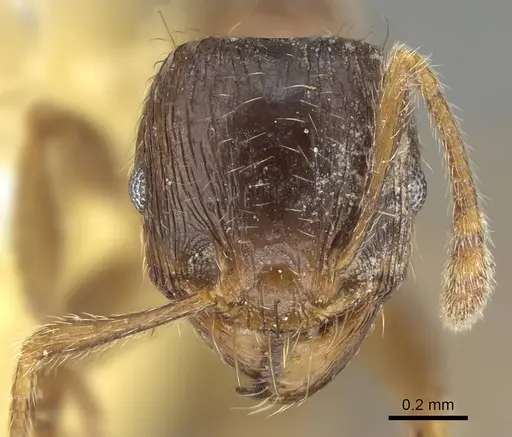
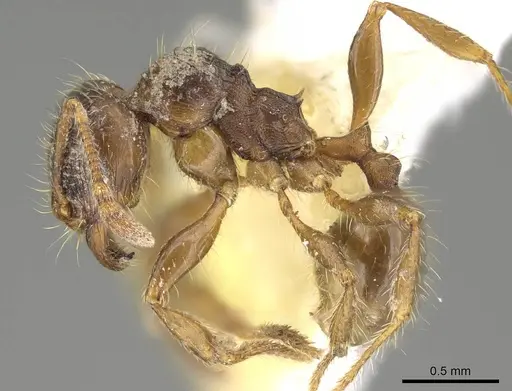
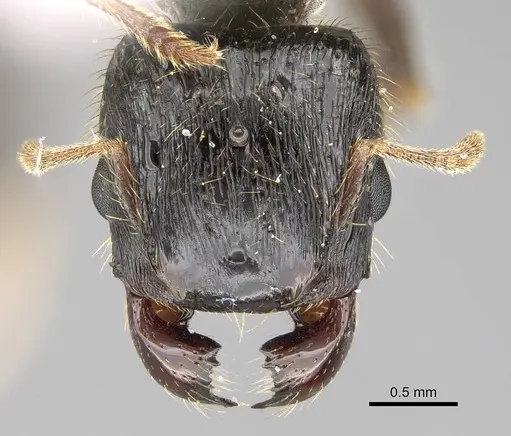
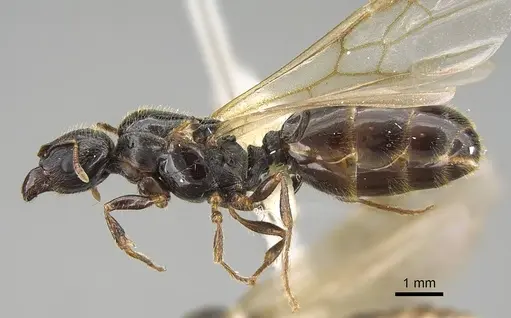
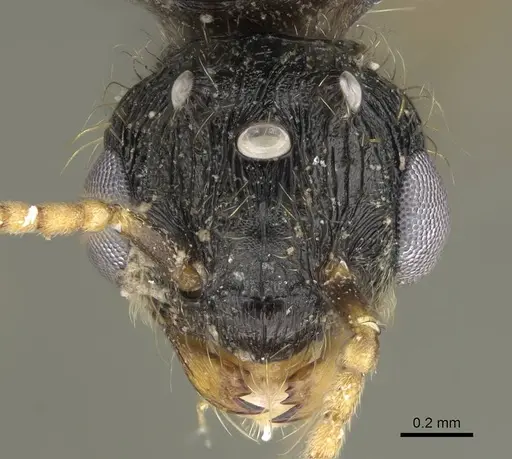
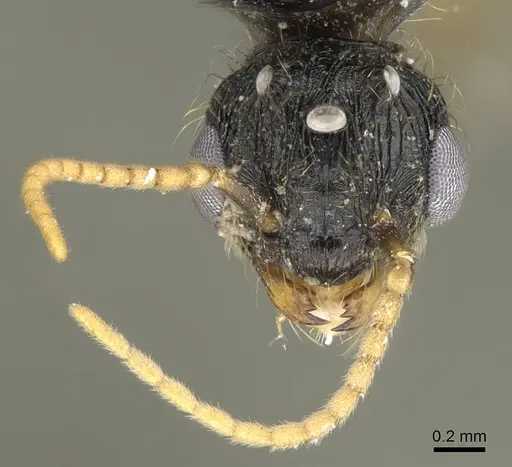
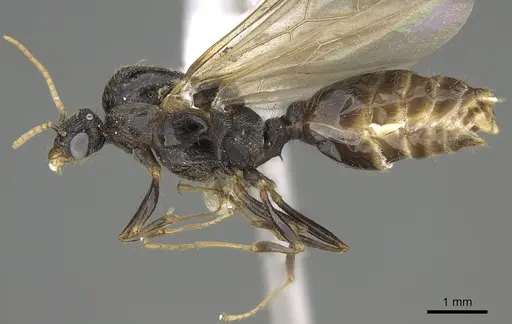
Pheidole acutilobata is a species from Argentina, first described in 2011. Major workers are 4-5 mm long, dark reddish brown, with a shield-shaped head that has deep antennal scrobes to protect the scape and part of the funiculus . Minor workers are 2-3 mm and medium brown, while queens are 8-9 mm and dark brown . This species is known only from Misiones and Buenos Aires provinces in Argentina, nesting under flat stones in riparian tropical rainforest with moist clay soil . The most notable feature is the major worker's head structure, which is adapted to protect the antennae, though its exact function is unconfirmed .
Quick Summary
- Difficulty: Medium
- Origin & Habitat: Argentina (Misiones and Buenos Aires provinces), in riparian tropical rainforest at 160m elevation, nesting under flat stones in dark brown clay soil that is high in moisture and organic content [1].
- Colony Type: Unconfirmed, based on typical Pheidole patterns, likely monogyne (single queen colonies), but no specific data for this species [1].
- Size & Growth:
- Queen: ~8-9 mm [1]
- Worker: Major workers: ~4-5 mm, minor workers: ~2-3 mm [1]
- Colony: Unknown, no colony size data available
- Growth: Unknown, estimated moderate based on typical Pheidole patterns
- Development: Estimated 6-8 weeks under optimal conditions [1] (Development timeline is inferred from related Pheidole species, no direct data for this species.)
- Antkeeping:
- Temperature: Keep warm, roughly 24-28°C, based on subtropical habitat [1]. Provide a temperature gradient using a heating cable on one side of the nest.
- Humidity: Keep substrate consistently moist but not waterlogged, like damp forest soil [1]. Provide a water tube for drinking.
- Diapause: Unknown, no data, but based on subtropical range, diapause may not be required [1].
- Nesting: Use naturalistic setups with moist substrate or Y-tong/plaster nests, mimicking their natural habitat under flat stones [1].
- Behavior: Typical Pheidole behavior: active foragers with moderate aggression. They have a sting but are not highly defensive. Escape risk is moderate due to small minor workers (2-3 mm), so use standard barriers [1].
- Common Issues: limited data means care is partially inferred, monitor colony response and adjust, high humidity can lead to mold if ventilation is poor, small minor workers may escape through gaps without proper barriers, newly described species may have undocumented needs, observe closely
Housing and Nest Setup
For founding, use a test tube setup with water and cotton plug. Once the colony has 20-30 workers, transfer to a naturalistic terrarium with moist soil and a flat stone, or a Y-tong/plaster nest with a water reservoir [1]. Keep substrate damp but allow some drier areas for humidity regulation [1].
Feeding and Diet
Feed a varied diet: protein sources like small insects 2-3 times per week, seeds as supplemental food, and sugar water constantly available [1]. Remove uneaten food within 24-48 hours to prevent mold.
Temperature and Humidity Management
Maintain temperatures around 24-28°C using a heating cable for a gradient [1]. Keep nest substrate moist like damp forest soil, but avoid waterlogging [1].
Colony Development and Growth
First workers may emerge in 6-8 weeks under optimal conditions [1]. Growth is moderate, major workers appear as colony grows [1]. No data on maximum colony size.
Behavior and Foraging
Workers are active foragers that recruit nestmates using chemical trails [1]. They have a sting but are not aggressive toward humans. Major workers have shield-shaped heads to protect antennae [1].
Frequently Asked Questions
How long does it take for Pheidole acutilobata to produce first workers?
Estimated 6-8 weeks under warm conditions (24-28°C), based on typical Pheidole patterns [1]. Monitor your colony for actual timing.
What do Pheidole acutilobata ants eat?
They are omnivorous: feed protein like insects 2-3 times per week, seeds as supplemental, and sugar water constantly [1].
What temperature do Pheidole acutilobata ants need?
Keep them warm at roughly 24-28°C, based on their subtropical habitat [1].
Do Pheidole acutilobata ants need hibernation?
Unknown, no data, but diapause may not be required due to subtropical range [1].
How big do Pheidole acutilobata colonies get?
Colony size is unknown, no data available from research [1].
Can I keep multiple Pheidole acutilobata queens together?
Not recommended without evidence, typical Pheidole species are monogyne [1].
What humidity level do Pheidole acutilobata ants need?
Keep substrate consistently moist but not waterlogged, like their natural habitat [1].
Are Pheidole acutilobata good for beginners?
Rated medium difficulty due to limited data, require careful observation [1].
When should I move my Pheidole acutilobata colony to a formicarium?
Once the colony has 20-30 workers, transfer to a naturalistic or plaster nest with moist substrate [1].
Report an Issue
The current care sheet is based fully on literature. See inconsistencies, or something that's incorrect? Please , it will be resolved after review from an admin. Contributing to the blogs tab also helps providing information, to make us be able to further improve the caresheets. Thank you for your support!
References

Ez a tartási útmutató a következő licenc alatt áll: CC BY-SA 4.0 .
Közösségi blogok
CASENT0919834
Megtekintés az AntWeb-en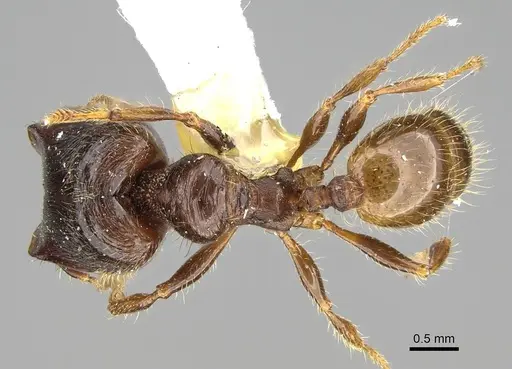
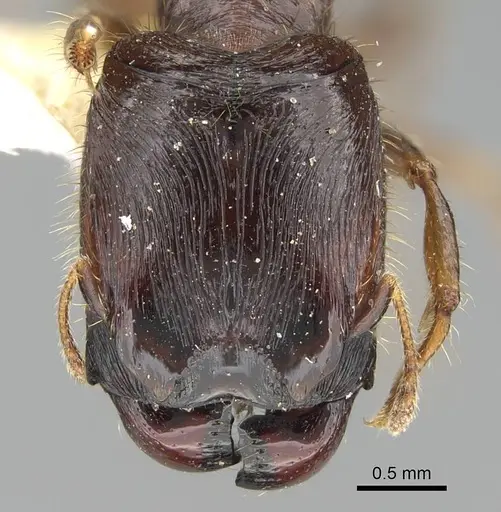
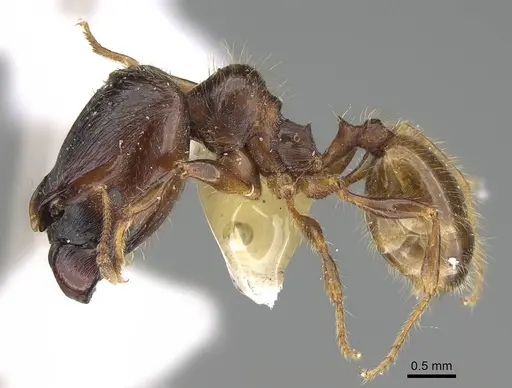
CASENT0919835
Megtekintés az AntWeb-en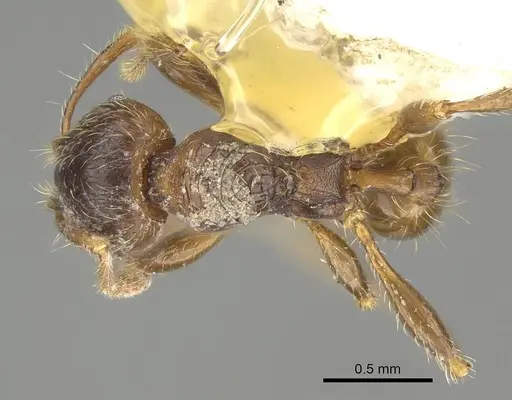
CASENT0919836
Megtekintés az AntWeb-en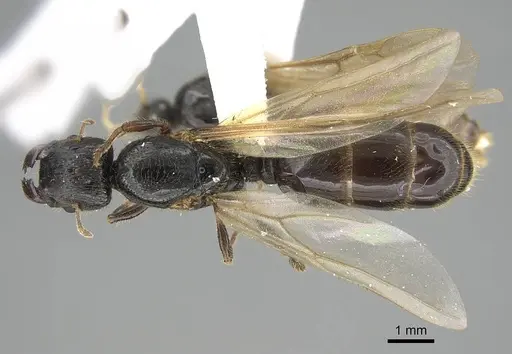
CASENT0919837
Megtekintés az AntWeb-en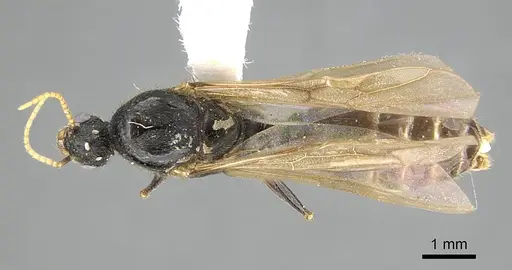
Irodalom
Elterjedési térkép betöltése...Termékek betöltése...