
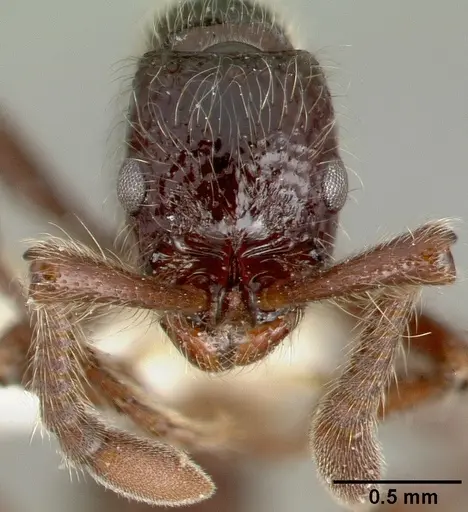
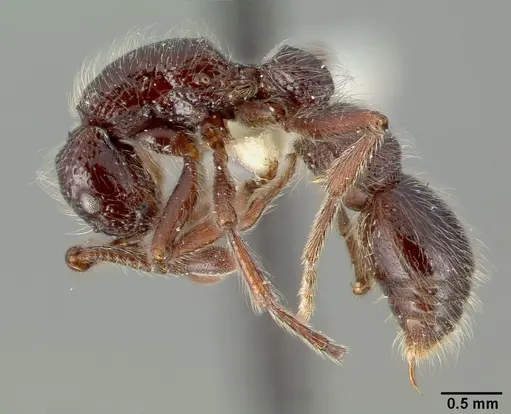
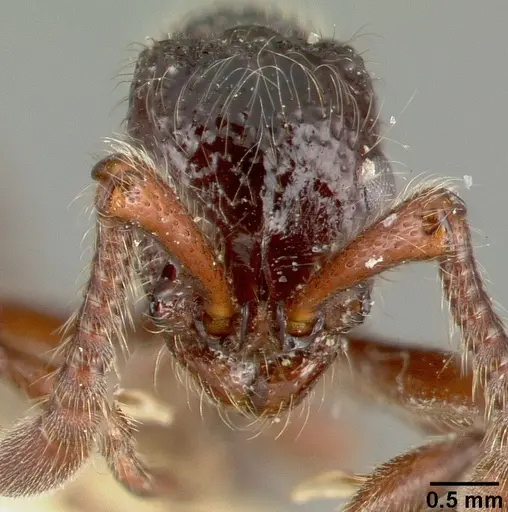
Parasyscia centurio
- Tud. név
- Parasyscia centurio
- Alcsalád
- Dorylinae
- Szerző
- Brown, 1975
- Elterjedés
- 0 országban megtalálható
Bevezetés
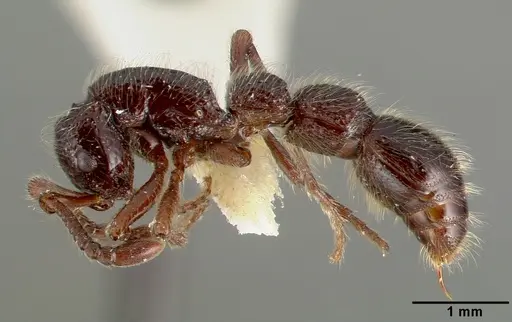
Parasyscia centurio is an ant species in the subfamily Dorylinae. It is documented in the Afrotropical region, specifically in the Democratic Republic of Congo (North Kivu and South Kivu provinces) . Size data for this species is unavailable from the research. Based on Dorylinae patterns, army ants are known for nomadic behavior and predatory habits, but specific details for Parasyscia centurio are unconfirmed .
Quick Summary
- Difficulty: Expert
- Origin & Habitat: Afrotropical region, specifically Democratic Republic of Congo (North Kivu and South Kivu provinces) [1][2].
- Colony Type: Unconfirmed, no specific data on queen number from research.
- Size & Growth:
- Queen: size data unavailable
- Worker: size data unavailable
- Colony: Unknown, no data from research
- Growth: Unknown
- Development: Unknown, no data from research (Development details are unconfirmed.)
- Antkeeping:
- Temperature: Based on Dorylinae patterns, tropical army ants typically require warm temperatures around 24-28°C, but specific needs for Parasyscia centurio are unconfirmed [3].
- Humidity: Army ants generally prefer moderate to high humidity, but specific guidance for this species is unconfirmed [3].
- Diapause: As a tropical species, diapause is likely not required, but unconfirmed [3].
- Nesting: Army ants are nomadic and do not use permanent nests, they form bivouacs. Specific nesting preferences for Parasyscia centurio are unconfirmed [3].
- Behavior: Based on Dorylinae patterns, army ants are aggressive predators with nomadic behavior, but specific temperament for Parasyscia centurio is unconfirmed [3].
- Common Issues: colony stress from disturbance, army ants may abandon bivouacs if stressed [3]., feeding difficulties, colonies require constant live prey availability [3]., escape risk, small size and climbing ability necessitate excellent prevention [3]., temperature sensitivity, tropical species cannot tolerate cool conditions [3]., nomadic behavior, need space for movement, not fixed nests [3].
Housing and Colony Setup
Keeping Parasyscia centurio requires understanding army ant nomadic behavior. These ants do not establish permanent nests and instead form temporary bivouacs. Provide a large outworld with space for movement, connected to a formicarium chamber for bivouacking. Use moist substrate for tunneling, and offer shelter sites like cork bark. Ensure excellent escape prevention due to small size and climbing ability [3].
Feeding Requirements
Parasyscia centurio is an obligate predator requiring live prey. Feed small insects like fruit flies or pinhead crickets daily. Remove uneaten prey to prevent mold [3].
Temperature and Environmental Control
Maintain warm temperatures around 24-28°C with a slight gradient. Humidity should be moderate to high, but avoid waterlogging [3].
Colony Dynamics and Behavior
Army ant colonies are nomadic, relocating bivouacs based on food availability. Multiple queens may coexist, but this is unconfirmed for this species. Workers are aggressive toward prey but generally ignore humans [3].
Growth and Development
Colony growth depends on food availability and temperature. Brood develops in the bivouac center. Development timeline is unconfirmed [3].
Frequently Asked Questions
Can I keep Parasyscia centurio in a test tube?
No. Test tubes are unsuitable for nomadic army ants. They require large outworld space for raids and bivouacking [3].
How long until first workers in Parasyscia centurio?
Unknown, no data from research. For army ants, it typically takes weeks, but specifics are unconfirmed [3].
Do Parasyscia centurio ants sting?
Based on Dorylinae patterns, army ants can sting, but pain is typically mild. Specifics for this species are unconfirmed [3].
What do Parasyscia centurio eat?
They are obligate predators requiring live prey. Feed small insects daily [3].
Are Parasyscia centurio good for beginners?
No. Army ants are expert-level due to specialized care needs [3].
Can I keep multiple queens together?
Unconfirmed, no research data on queen number for this species [3].
How big do Parasyscia centurio colonies get?
Unknown, no data from research [3].
Do Parasyscia centurio need hibernation?
As a tropical species, diapause is likely not required, but unconfirmed [3].
Why is my Parasyscia centurio colony dying?
Common causes include stress, insufficient food, temperature issues, or escapes. Review care parameters [3].
When should I move Parasyscia centurio to a formicarium?
Army ants do not use traditional formicariums, provide space for nomadic behavior [3].
Are Parasyscia centurio dangerous?
They are not dangerous to humans but are predatory toward other invertebrates [3].
Report an Issue
The current care sheet is based fully on literature. See inconsistencies, or something that's incorrect? Please , it will be resolved after review from an admin. Contributing to the blogs tab also helps providing information, to make us be able to further improve the caresheets. Thank you for your support!
References

Ez a tartási útmutató a következő licenc alatt áll: CC BY-SA 4.0 .
Közösségi blogok
CASENT0248389
Megtekintés az AntWeb-en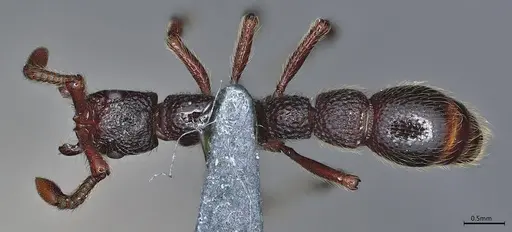
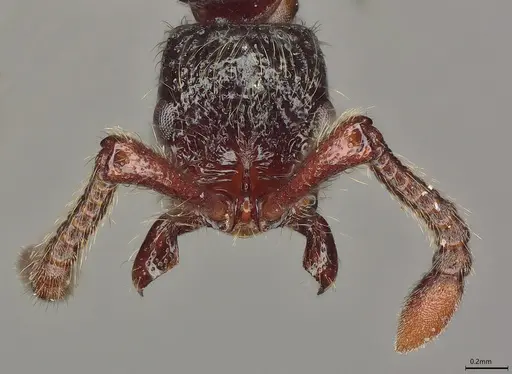
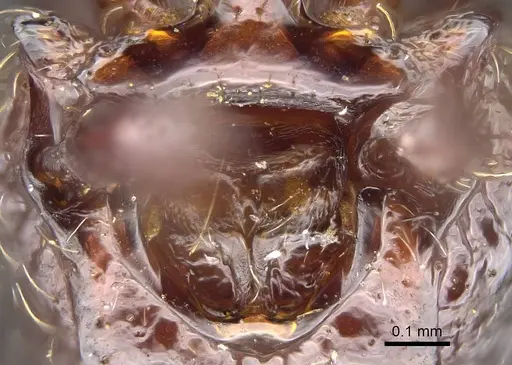
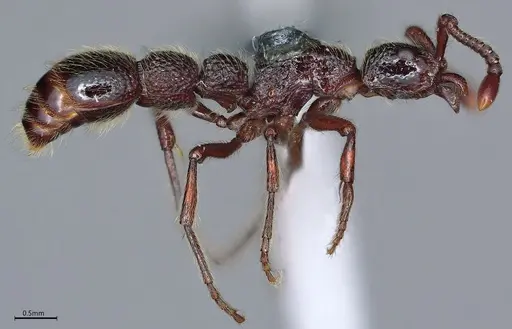
CASENT0902709
Megtekintés az AntWeb-en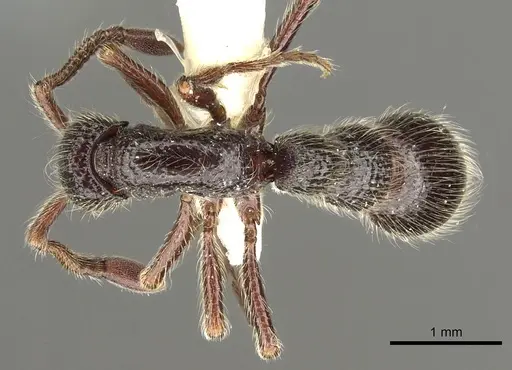
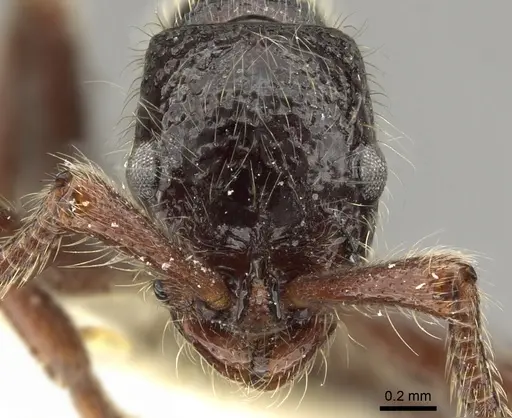
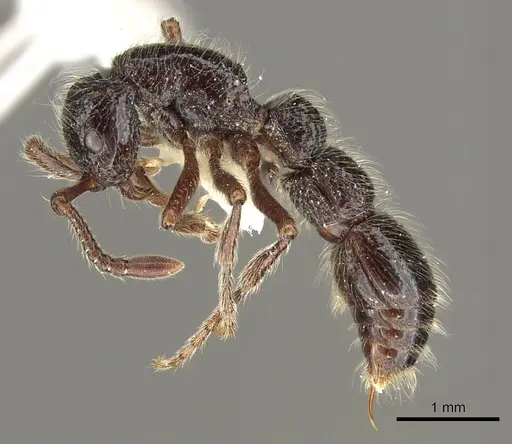
CASTYPE12081-01
Megtekintés az AntWeb-en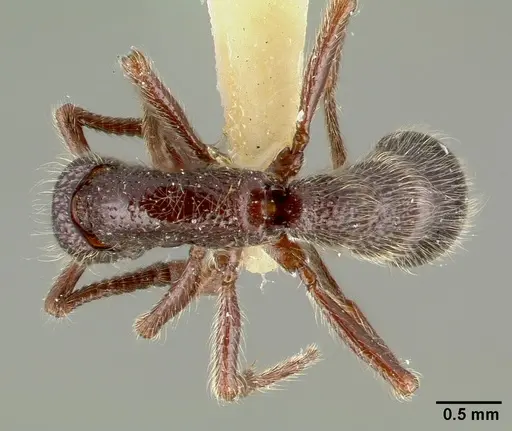
CASTYPE12081-02
Megtekintés az AntWeb-en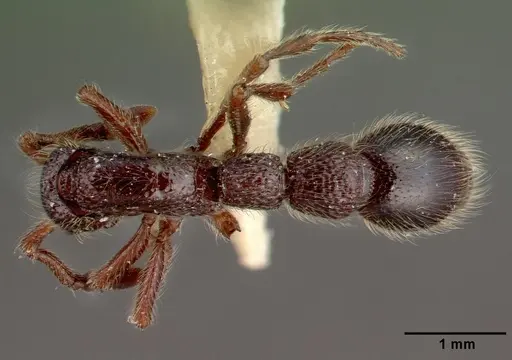
Irodalom
Elterjedési térkép betöltése...Termékek betöltése...