
Parasyscia aitkenii
- Tud. név
- Parasyscia aitkenii
- Alcsalád
- Dorylinae
- Szerző
- Forel, 1900
- Elterjedés
- 0 országban megtalálható
Bevezetés
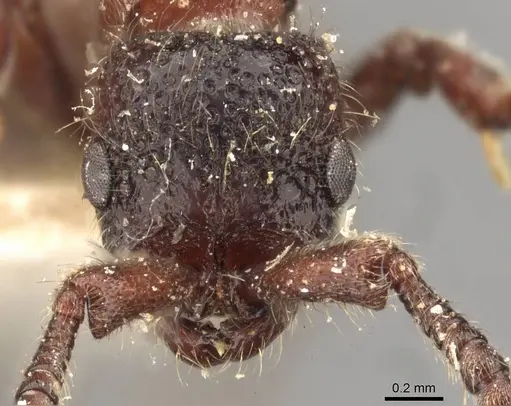
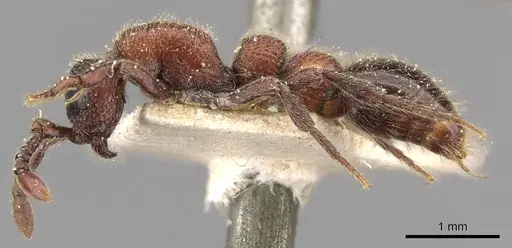
Parasyscia aitkenii is a small, predatory ant native to India and Sri Lanka. Workers are 4-4.7 mm long with a bicolored body: reddish head, thorax, and pedicel, and a black or dark brown abdomen . They have dense yellowish hairs . This species is found across multiple Indian states including Goa, Karnataka, and Kerala and is listed as Critically Endangered in Sri Lanka due to habitat loss .
Quick Summary
- Difficulty: Medium
- Origin & Habitat: India and Sri Lanka in tropical and subtropical forests [3][4].
- Colony Type: Colony structure is unconfirmed. Based on Dorylinae patterns, likely single-queen colonies.
- Size & Growth:
- Antkeeping:
- Temperature: Keep warm, around 24-28°C, with a gentle gradient
- Humidity: High humidity is essential, keep substrate moist but not waterlogged
- Diapause: No true diapause expected, tropical species remain active year-round
- Nesting: Use moist substrate or Y-tong nests with high humidity chambers
- Behavior: Workers are predatory and active foragers. They are not aggressive toward humans, but their small size (under 5mm) means escape risk is high, use fine mesh barriers [1].
- Common Issues: high humidity management is critical, too wet causes mold, too dry causes desiccation, predatory diet requires a constant supply of live small prey, temperatures below 22°C can cause colony decline, wild-caught colonies may have parasites that are difficult to treat, this species is Critically Endangered in Sri Lanka, check local laws before acquiring
Housing and Nest Setup
You can use a naturalistic setup with moist substrate or a Y-tong nest designed for high humidity. These forest-floor ants prefer tight, enclosed spaces that retain moisture. Use a substrate mix that holds humidity well, like a peat-soil blend, and avoid drying out. A small outworld connected to the nest allows for feeding while keeping the nest humid. Because they are small, ensure all connections and barriers are secure, they can squeeze through tiny gaps [5].
Feeding and Diet
As a Dorylinae ant, Parasyscia aitkenii is predatory and needs a protein-based diet. Offer small live prey such as springtails, fruit flies, and tiny crickets. Feed protein 2-3 times per week, removing uneaten prey after 24 hours. Sugar sources may be accepted occasionally but are not primary, focus on live prey. A constant clean water source is essential [6].
Temperature and Humidity
Keep these tropical ants warm at 24-28°C with stable high humidity. Use a heating cable if room temperature falls below 24°C, but always provide a temperature gradient. High humidity is critical, mist the outworld occasionally and monitor substrate moisture. Avoid both drying out and waterlogging the nest.
Colony Development
Colony growth is moderate, with first workers appearing within an estimated 6-10 weeks under optimal warm conditions. The exact timeline is unconfirmed, but related Dorylinae species develop faster in warm, humid conditions. Colonies likely remain relatively small rather than reaching massive sizes. Avoid disturbing the colony during founding, queens may be sensitive to vibration and light.
Behavior and Temperament
These ants are secretive and spend much of their time underground, emerging to forage in the outworld. They are not aggressive and pose no threat to keepers. Workers are active hunters, likely using chemical trails to coordinate foraging. Their small size means they can escape through tiny gaps, always use fine mesh barriers and check all connections [1].
Frequently Asked Questions
How long does it take for Parasyscia aitkenii to get first workers?
First workers typically appear within 6-10 weeks under optimal warm conditions (24-28°C). This is an estimate based on related Dorylinae species since specific development data is not available for this species.
What do Parasyscia aitkenii ants eat?
They are predatory ants that need live small prey. Offer springtails, fruit flies, tiny crickets, and other micro-arthropods. Remove uneaten prey after 24 hours. Sugar water may be occasionally accepted but protein is the primary food [6].
Can I keep Parasyscia aitkenii in a test tube?
Test tubes can work for founding colonies if you maintain high humidity, but a naturalistic setup or Y-tong nest with moisture-retaining chambers is better for long-term housing. They need tight, humid spaces to thrive [5].
What temperature do Parasyscia aitkenii need?
Keep them at 24-28°C. Being tropical ants from India and Sri Lanka, they need warm, stable temperatures. A slight gradient allows workers to regulate their temperature preference.
How big do Parasyscia aitkenii colonies get?
Colony size is not well documented, but they are likely relatively small compared to other army ants. No specific data is available.
Do Parasyscia aitkenii need hibernation?
No, being a tropical species, they do not require true hibernation. They may slow slightly in cooler months but should remain active year-round if kept warm.
Are Parasyscia aitkenii good for beginners?
This species is rated Medium difficulty. They require high humidity, warm temperatures, and a constant supply of live prey. Beginners may struggle with their humidity and dietary needs.
Why are my Parasyscia aitkenii dying?
Common causes include: temperatures below 22°C, low humidity causing desiccation, mold from excessive moisture, lack of live prey, or parasites from wild-caught colonies. Check all environmental parameters and ensure a varied live prey diet.
Report an Issue
The current care sheet is based fully on literature. See inconsistencies, or something that's incorrect? Please , it will be resolved after review from an admin. Contributing to the blogs tab also helps providing information, to make us be able to further improve the caresheets. Thank you for your support!
References

Ez a tartási útmutató a következő licenc alatt áll: CC BY-SA 4.0 .
Közösségi blogok
CASENT0907048
Megtekintés az AntWeb-en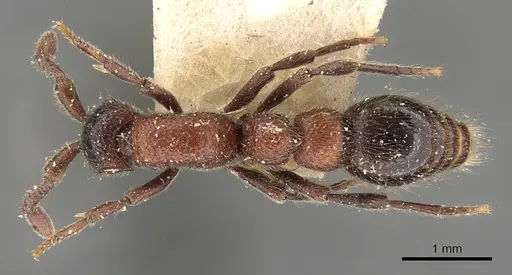
Irodalom
Elterjedési térkép betöltése...Termékek betöltése...