
Paraparatrechina luminella
- Tud. név
- Paraparatrechina luminella
- Nemzetség
- Lasiini
- Alcsalád
- Formicinae
- Szerző
- LaPolla & Fisher, 2014
- Elterjedés
- 1 országban megtalálható
Bevezetés
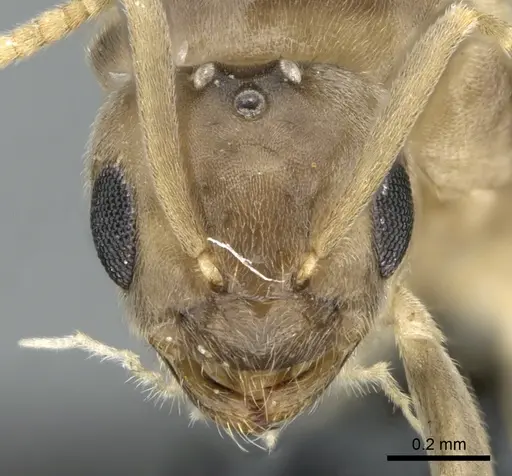
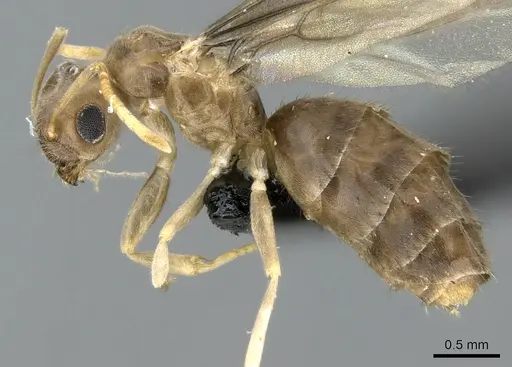
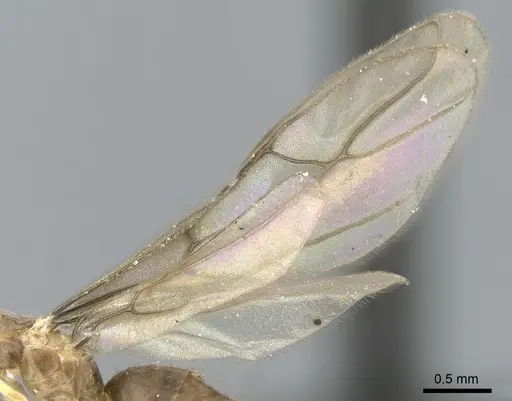
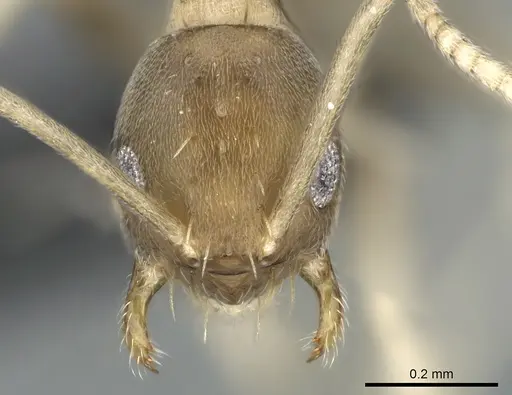
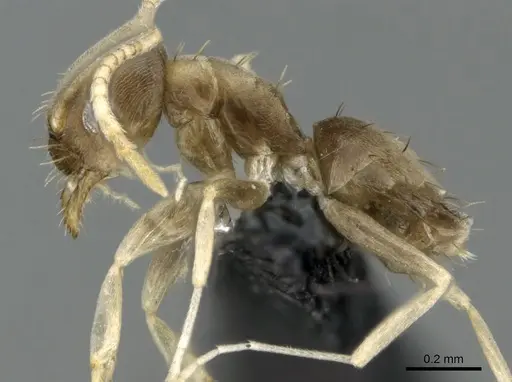
Paraparatrechina luminella is a tiny ant species native to the Seychelles islands. Workers measure 1.37-1.58 mm long . They have a brown body with yellow to white patches on the pronotum and gastral tergites . Queens are larger at 3.34-3.75 mm and lack the distinct patches . In the wild, they nest in rotten logs, under rootmasses, and in the ground in forested areas . This species was formally described in 2014 and belongs to the Formicinae subfamily. It is closely related to Paraparatrechina albipes, but the evolutionary relationship is unclear .
Quick Summary
- Difficulty: Hard
- Origin & Habitat: Seychelles islands, in forested areas including moist rainforest and mixed forest at elevations from 320-600 m. Nests are found in rotting logs, under rootmasses, and in the ground [1][2].
- Colony Type: Colony structure is unconfirmed. Based on typical Paraparatrechina patterns, they likely form single-queen colonies, but this has not been documented.
- Size & Growth:
- Queen: 3.34-3.75 mm [1]
- Worker: 1.37-1.58 mm [1]
- Colony: Unknown, no colony size data available
- Growth: Unknown
- Development: Unknown, no direct measurements exist. Based on typical tropical Formicinae patterns, egg to worker may take 6-10 weeks at optimal temperature, but this is an estimate. (Growth rate should be inferred from colony behavior.)
- Antkeeping:
- Temperature: Keep warm at 24-28°C. Based on their tropical habitat in Seychelles [1].
- Humidity: Keep moderately humid. Provide a humidity gradient with damp substrate, mimicking their forested habitat [2].
- Diapause: No, based on tropical habitat, they do not require hibernation [1].
- Nesting: Provide nests that mimic rotting wood and underground habitats. Y-tong or plaster nests work well for established colonies [2].
- Behavior: These ants are tiny and very active. They are likely generalist foragers. Their small size means they are excellent escape artists, so use fine mesh barriers [1]. They are not aggressive.
- Common Issues: escape prevention is critical due to their tiny size [1]., humidity control is tricky, too wet causes mold, too dry causes desiccation., slow colony growth is likely given their tiny size., lack of documented diet means experimentation may be needed.
Housing and Escape Prevention
Housing Paraparatrechina luminella requires attention to their tiny worker size of 1.37-1.58 mm [1]. Use fine mesh (at least 0.5 mm) on all outworld access points to prevent escapes. For founding colonies, test tube setups work well. For established colonies, Y-tong or plaster nests mimic their natural rotting wood and ground habitats [2]. Inspect all connection points for gaps.
Feeding and Diet
The specific diet of Paraparatrechina luminella is unconfirmed. Based on related Paraparatrechina species, they are likely generalist omnivores, feeding on small insects and honeydew. Offer small protein sources like fruit flies and sugar water, but remove uneaten food promptly to prevent mold.
Temperature and Humidity Requirements
Keep temperatures at 24-28°C based on their tropical Seychelles habitat [1]. Maintain moderate humidity with a gradient, using damp substrate to mimic forest conditions [2]. Avoid waterlogging to prevent mold.
Colony Establishment and Growth
Queens measure 3.34-3.75 mm [1]. Founding behavior is unconfirmed, but based on Formicinae patterns, queens may seal themselves in to raise first brood. Growth is likely slow due to tiny worker size. Be patient and avoid disturbance during founding.
Frequently Asked Questions
How long does it take for Paraparatrechina luminella to produce first workers?
The egg-to-worker timeline is unconfirmed. Based on tropical Formicinae patterns, it may take 6-10 weeks at optimal temperature, but this is an estimate [1].
Are Paraparatrechina luminella ants suitable for beginners?
No, this species is not recommended for beginners due to their tiny size (1.37-1.58 mm workers) and lack of husbandry data [1].
What do Paraparatrechina luminella ants eat?
Their specific diet is unconfirmed, but they are likely generalist omnivores. Offer small protein sources and sugar water, and observe acceptance.
Do Paraparatrechina luminella ants need hibernation?
No, based on their tropical habitat in Seychelles, they do not require hibernation [1].
How big do Paraparatrechina luminella colonies get?
Colony size is unknown, no wild data exists. Based on tiny worker size, colonies are likely smaller than common species.
Can I keep multiple Paraparatrechina luminella queens together?
This has not been documented. Colony structure is unconfirmed, so it is safest to keep one queen per setup.
What is the best nest type for Paraparatrechina luminella?
Y-tong or plaster nests work well for established colonies, mimicking rotting wood and ground habitats [2].
When should I move my Paraparatrechina luminella colony to a formicarium?
Wait until the colony has at least 20-30 workers and is active. Move from test tube setups only when well-established.
Why are my Paraparatrechina luminella ants dying?
Common causes include escape through gaps, humidity issues, temperature stress, or mold from overfeeding. Review care parameters and adjust.
Report an Issue
The current care sheet is based fully on literature. See inconsistencies, or something that's incorrect? Please , it will be resolved after review from an admin. Contributing to the blogs tab also helps providing information, to make us be able to further improve the caresheets. Thank you for your support!
References

Ez a tartási útmutató a következő licenc alatt áll: CC BY-SA 4.0 .
Közösségi blogok
CASENT0134319
Megtekintés az AntWeb-en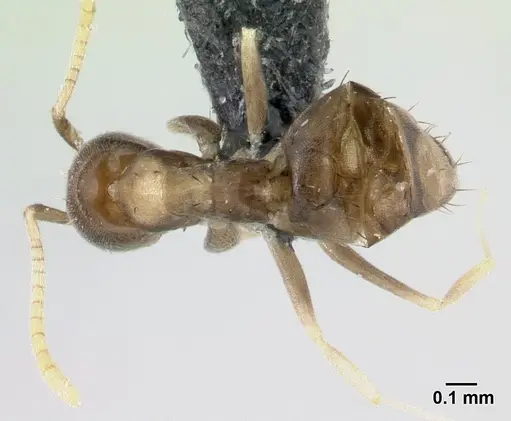
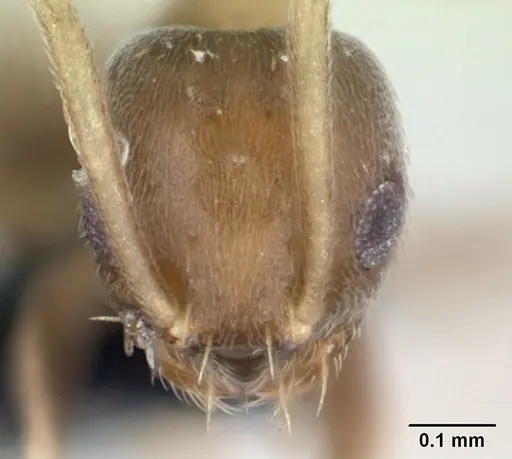
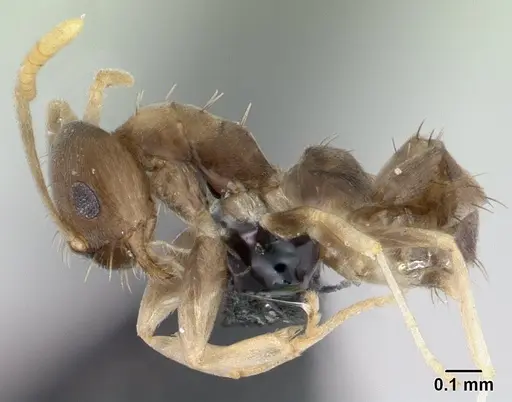
CASENT0159313
Megtekintés az AntWeb-en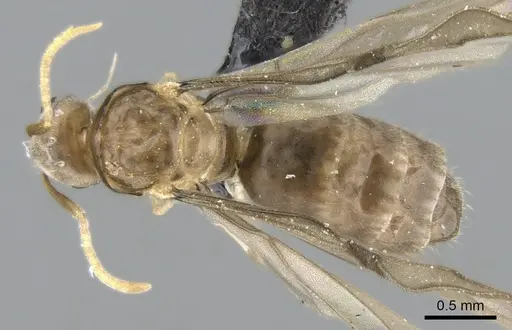
CASENT0159693
Megtekintés az AntWeb-en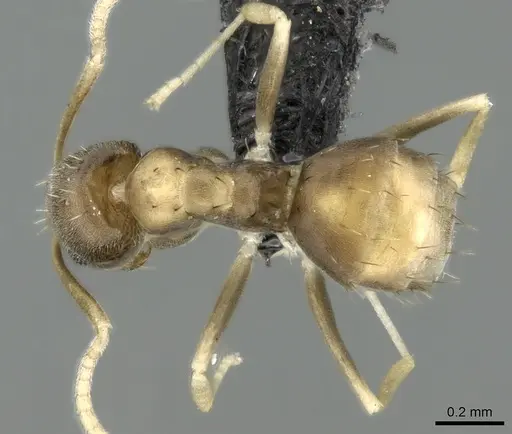
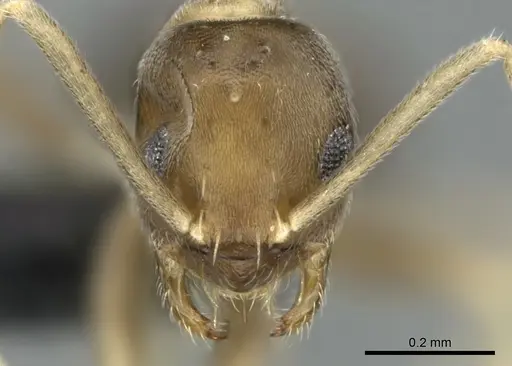
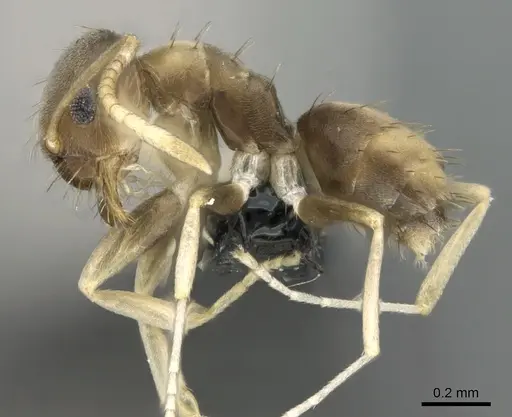
CASENT0159944
Megtekintés az AntWeb-en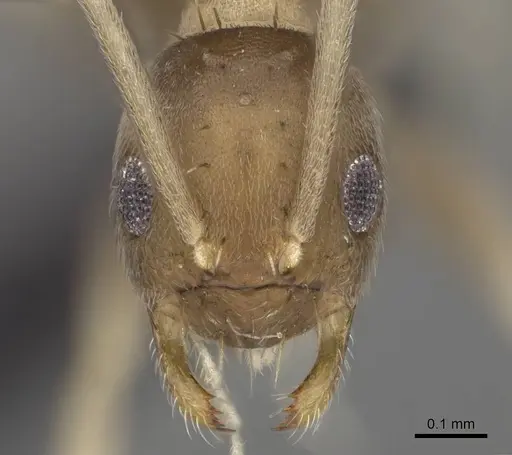
CASENT0160868
Megtekintés az AntWeb-en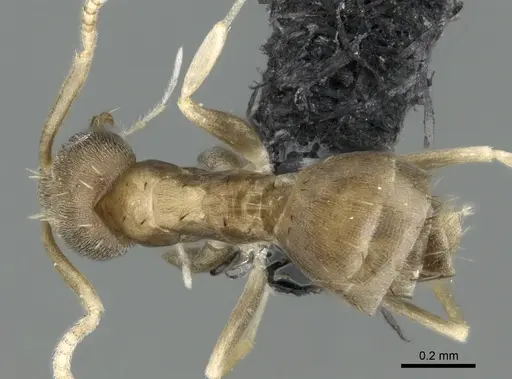
Irodalom
Elterjedési térkép betöltése...Termékek betöltése...