
Nylanderia laevigata
- Tud. név
- Nylanderia laevigata
- Nemzetség
- Lasiini
- Alcsalád
- Formicinae
- Szerző
- MacKay, 1998
- Elterjedés
- 0 országban megtalálható
Bevezetés
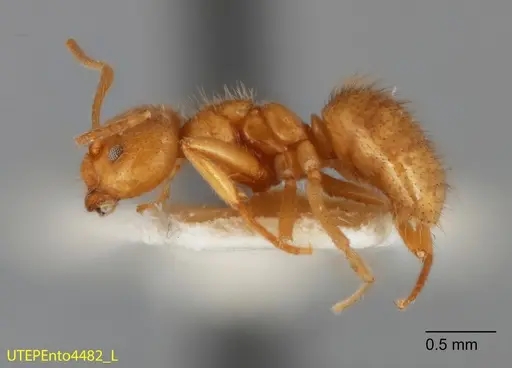
Nylanderia laevigata is a small ant species native to Mexico, specifically recorded in Colima state . Workers were described by Mackay in 1998,but no body size measurements are available . As a member of the Formicinae subfamily, it belongs to the Nylanderia genus, which includes species known as crazy ants for their rapid movement . The species was originally described as Paratrechina laevigata and later moved to Nylanderia . This species is poorly documented in scientific literature, with limited information on its biology or care requirements. Keepers should expect to document observations carefully, as much knowledge comes from general genus patterns .
Quick Summary
- Difficulty: Unknown, based on genus patterns, likely easy for experienced keepers
- Origin & Habitat: Native to Colima, Mexico [1]. Likely inhabits tropical environments at low elevations.
- Colony Type: Unconfirmed, no published data on colony structure or queen number.
- Size & Growth:
- Queen: Size data unavailable, no measurements in literature. Based on Nylanderia genus patterns, queens are typically around 4-6 mm [2].
- Worker: Size data unavailable, no measurements in literature. Based on genus patterns, workers are typically 2-4 mm [2].
- Colony: Unknown, no data available.
- Growth: Unknown, estimated moderate based on genus patterns [2].
- Development: Unknown, estimated 4-8 weeks under warm conditions, based on related species [2]. (Development time depends on temperature, warmer conditions may speed up growth.)
- Antkeeping:
- Temperature: Estimated 22-28°C based on tropical origin [1] and genus patterns [2]. Provide a gradient for self-regulation.
- Humidity: Estimated 50-70% based on typical Neotropical preferences [2]. Keep substrate moist but allow dry areas.
- Diapause: Likely no true diapause, tropical species may slow down in cooler months but do not require hibernation [2].
- Nesting: No specific data, but based on genus patterns, likely nest in soil or under stones [2]. Use test tubes or Y-tong nests with moist substrate.
- Behavior: Based on genus patterns [2], likely exhibit rapid movement and are omnivorous. Escape risk is moderate due to small size, use standard barriers like fluon.
- Common Issues: escape risk due to small size, ensure barriers are effective., humidity control critical, keep substrate moist but not waterlogged., temperature stability important, avoid extremes below 18°C or above 32°C., wild-caught colonies may have parasites or health issues, quarantine if possible.
Housing and Nest Setup
Use standard ant housing for small tropical ants. Test tubes with water reservoirs work well for founding colonies and early growth. Once the colony is established, consider moving to a small formicarium or Y-tong nest. Provide a moist nest chamber but ensure some drier areas exist so ants can self-regulate humidity. An outworld for foraging allows you to observe behavior and offer food. Because they are small, ensure connections between nest areas are appropriately sized [2].
Feeding and Diet
No species-specific dietary data exists. Based on typical Nylanderia behavior, they are likely omnivorous and will accept sugar water, honey, or diluted syrup as an energy source. For protein, offer small insects such as fruit flies or mealworm pieces. Start with standard offerings and observe what the colony accepts most readily. Remove uneaten protein within 24-48 hours to prevent mold. Feed every 2-3 days for established colonies, with sugar water available constantly [2].
Temperature and Seasonal Care
As a species from Colima, Mexico, N. laevigata likely prefers warm conditions. Aim for temperatures between 24-28°C during the active season. A heating cable on one side of the nest can create a gradient, allowing ants to move to their preferred temperature zone. Unlike temperate ants, this species likely does not require a true hibernation period. During cooler months, you may reduce temperatures slightly to around 20-22°C, which may slow activity but should not trigger dormancy [1][2].
Colony Establishment and Growth
Since this species has not been commonly kept in captivity, establishing a colony may require patience. If starting with a queen, provide a quiet, dark location during the founding period. Queens should be left undisturbed for 2-4 weeks before checking for eggs. Once workers emerge, begin offering minimal food. Growth rates are unknown but likely moderate based on genus patterns. Document your observations carefully [2].
Frequently Asked Questions
How long does it take for Nylanderia laevigata to produce first workers?
The exact timeline is unknown. Based on related Nylanderia species in tropical conditions, expect first workers approximately 4-8 weeks after the queen lays eggs, assuming temperatures around 24-28°C [2].
What do Nylanderia laevigata ants eat?
No species-specific dietary data exists. Based on genus patterns, they likely accept sugar sources and protein. Start with standard ant diet offerings and observe what your colony accepts [2].
How big do Nylanderia laevigata colonies get?
Colony size is not documented for this species. Many Nylanderia species form colonies ranging from dozens to several hundred workers. Expect moderate growth over several months to years [2].
What temperature do Nylanderia laevigata ants need?
Based on their Mexican tropical origin, aim for 24-28°C. Provide a temperature gradient so the colony can self-regulate. Avoid temperatures below 18°C or above 32°C [1][2].
Do Nylanderia laevigata need hibernation or diapause?
Likely no true diapause required, this is a tropical species from Mexico. You may reduce temperatures slightly during winter months, but a full hibernation period is probably not necessary [2].
Can I keep multiple Nylanderia laevigata queens together?
Colony structure is unconfirmed for this species. Many Nylanderia species can be flexible, but combining unrelated queens carries risks of aggression. If you capture multiple founding queens, keep them separate unless you observe them peacefully coexisting.
Is Nylanderia laevigata a good species for beginners?
This species is not well-documented in the antkeeping hobby, making it somewhat challenging for beginners who prefer species with established care guides. However, if you enjoy documenting observations, it could be a rewarding project.
What size nest should I use for Nylanderia laevigata?
Use appropriately scaled housing for their small size. Test tubes work well for founding colonies. For established colonies, small formicaria or Y-tong nests with appropriately sized chambers work well. Ensure connections are not too large or too small for their body size [2].
Why is my Nylanderia laevigata colony not growing?
Several factors could affect growth: temperature may be too low (aim for 24-28°C), humidity may be inappropriate, or food may be insufficient or unsuitable. Also consider that this species may naturally grow slowly. Review basic parameters and make incremental adjustments while observing colony behavior.
Report an Issue
The current care sheet is based fully on literature. See inconsistencies, or something that's incorrect? Please , it will be resolved after review from an admin. Contributing to the blogs tab also helps providing information, to make us be able to further improve the caresheets. Thank you for your support!
References

Ez a tartási útmutató a következő licenc alatt áll: CC BY-SA 4.0 .
Közösségi blogok
UTEPENTO4482
Megtekintés az AntWeb-en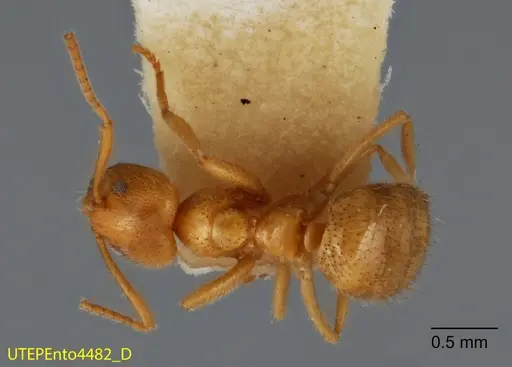
Irodalom
Elterjedési térkép betöltése...Termékek betöltése...