
Neivamyrmex antillanus
- Tud. név
- Neivamyrmex antillanus
- Alcsalád
- Dorylinae
- Szerző
- Forel, 1897
- Elterjedés
- 1 országban megtalálható
Bevezetés
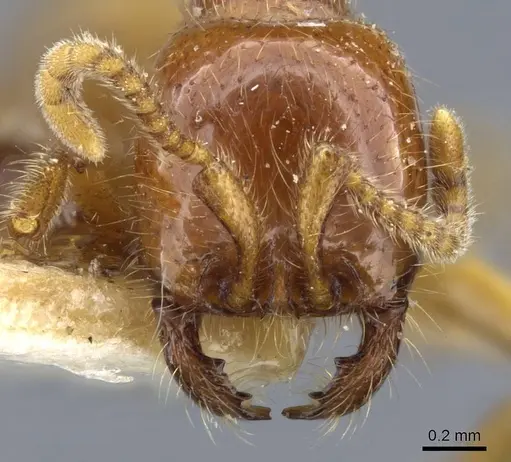
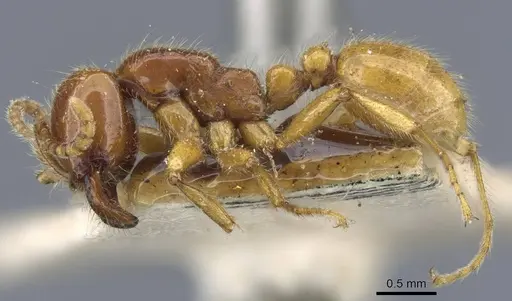
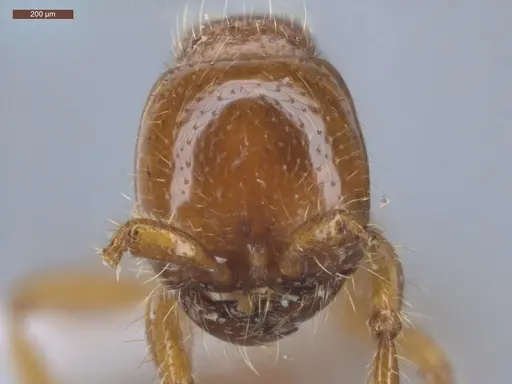
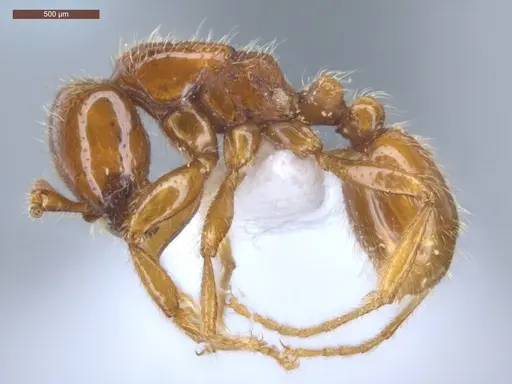
Neivamyrmex antillanus is a small army ant species belonging to the Dorylinae subfamily. Workers are approximately 3-5mm in total length with the typical army ant morphology: a compact body, short legs, and powerful mandibles suited for capturing prey . This species was originally described from Grenada in the West Indies in 1897 and is found across the Lesser Antilles region, with confirmed records from Grenada, Union Island in the Grenadines, and Costa Rica . As an army ant, this species is predatory and lives a nomadic lifestyle, regularly moving its colony to new hunting grounds rather than maintaining a permanent nest. This is one of the more poorly documented Neivamyrmex species, with limited biological research available compared to better-studied army ant genera like Eciton.
Quick Summary
- Difficulty: Expert
- Origin & Habitat: Caribbean region, specifically the Lesser Antilles including Grenada and the Grenadines, with northern range extension to Costa Rica in Central America [2][3]. This species inhabits tropical forest environments where it preys on other ant colonies and small invertebrates.
- Colony Type: Colony structure is unconfirmed. Most Neivamyrmex species are monogyne (single queen colonies), but this has not been specifically documented for N. antillanus [1].
- Size & Growth:
- Queen: Size data unavailable, no specific measurements exist for this species. Based on typical Neivamyrmex queen size, likely 8-12mm total length.
- Worker: Approximately 3-5mm total length [1]
- Colony: Colony size data unavailable for this species, typical Neivamyrmex colonies reach several hundred workers
- Growth: Growth rate data unavailable, likely moderate to fast when food is abundant based on typical army ant patterns
- Development: Development timeline is unconfirmed for this species (No species-specific development data exists for N. antillanus)
- Antkeeping:
- Temperature: Keep at 24-28°C, mimicking tropical conditions. Army ants are adapted to warm, stable temperatures. A heating cable on one side of the outworld can provide a gradient [1].
- Humidity: Maintain moderate to high humidity (60-80%). Army ants prefer humid environments but avoid waterlogging. Keep the outworld substrate slightly moist.
- Diapause: No diapause required, this is a tropical species that remains active year-round [1].
- Nesting: Army ants do not build permanent nests. In captivity, they require a large outworld with minimal nesting material, they will bivouac (form a temporary nest mass) in one corner. Use a spacious formicarium or plastic tub setup with multiple feeding stations. Avoid nests with fixed chambers as army ants need to move freely.
- Behavior: Neivamyrmex antillanus is a predatory army ant with active, aggressive foraging behavior. Workers hunt in coordinated swarms, raiding other ant colonies and capturing brood and adults. They have functional stingers but are too small to cause significant pain to humans. This species is highly active and will explore extensively, escape prevention is important despite their moderate size. They are nocturnal to crepuscular, with peak activity during evening and night hours. The colony will form a bivouac (living mass) that relocates periodically, mimicking their nomadic nature in the wild [1].
- Common Issues: difficulty finding sufficient prey, army ants require large quantities of protein from captured insects or other ant colonies, stress from captivity, wild-caught colonies often struggle to adapt to captive conditions and may decline rapidly, escape risk, despite moderate size, they are active explorers that will find any gap in enclosure, colony collapse, army ant colonies can fail suddenly if prey availability drops or stress levels rise, inappropriate housing, army ants need open spaces to bivouac, not traditional formicarium nests
Housing and Enclosure Setup
Neivamyrmex antillanus requires a setup quite different from typical ant species. As army ants, they do not maintain permanent nests but form temporary bivouacs that the colony moves periodically. A large outworld (minimum 30x20cm floor space) with a small, dark retreat area for the bivouac works best. The enclosure should have a substrate layer of soil or sand that can be kept slightly moist. Multiple feeding stations spread around the outworld allow the ants to cache prey. Use a tight-fitting lid with fine mesh, army ants are excellent escape artists despite their moderate size. Avoid traditional formicarium nests with fixed chambers, these ants need open space to organize their bivouac and relocate as needed. A simple plastic tub with tubing to outworlds works well for creating a flexible setup. [1]
Feeding and Nutrition
This species is strictly predatory and requires a constant supply of live protein. In the wild, army ants raid other ant colonies and capture insects. In captivity, offer live prey such as mealworms, small crickets, fruit flies, and other small insects. They will also accept dead prey if moved with forceps to simulate movement. Feed every 2-3 days, providing enough prey for the colony to consume within 24 hours. Remove uneaten prey to prevent mold. Army ants typically do not consume sugar or honey, their nutrition comes entirely from protein. Some keepers report success offering small amounts of raw meat or canned insects, but live prey is preferred. The colony's bivouac will expand significantly after a successful hunt as workers return with prey to share. [1]
Temperature and Seasonal Care
As a tropical Caribbean species, Neivamyrmex antillanus requires warm temperatures year-round. Maintain the enclosure at 24-28°C using a heating cable or mat placed under one end of the outworld. This creates a temperature gradient allowing the ants to self-regulate. Room temperature may be sufficient in warm homes (above 24°C), but supplemental heating is often needed. Avoid temperatures below 22°C as this can reduce activity and appetite. No hibernation or diapause is required or recommended for this species. Monitor for signs of chilling such as reduced foraging activity and clustering near heat sources. High humidity (60-80%) should be maintained alongside the warm temperatures. [1]
Colony Dynamics and Behavior
Army ant colonies operate on a cyclical pattern of nomadic and stationary phases. During the nomadic phase, the colony hunts actively and moves its bivouac frequently (every few days). During the stationary phase, the queen lays eggs and the colony remains in one location while brood develops. This cycle continues throughout the year in tropical conditions. Workers are polymorphic, with major workers (soldiers) having larger heads and mandibles for defense and cutting. The colony will produce new reproductives (alates) under favorable conditions, though this is rare in captivity. When threatened, workers may bite and sting, though their sting is mild for humans. The species is primarily nocturnal, with peak foraging activity occurring in evening and night hours. [1]
Acquiring and Establishing a Colony
Neivamyrmex antillanus is not commonly available in the antkeeping hobby. Wild-caught colonies can be difficult to establish as army ants are highly sensitive to stress and habitat disruption. If acquiring a colony, ensure it was collected professionally with minimal disturbance. Quarantine new colonies and monitor for parasites or disease. Expect an initial adjustment period where the colony may be less active. Do not attempt to combine unrelated queens or colonies, army ants are aggressive toward conspecifics outside their colony. Foundation colonies (queen + brood) are extremely rare for this species due to the difficulty of locating and excavating army ant bivouacs in the wild. [1]
Frequently Asked Questions
Can I keep Neivamyrmex antillanus in a test tube?
No. Army ants cannot be kept in test tubes or traditional formicarium nests. They require a large open space to form their bivouac and the ability to relocate periodically. A spacious plastic tub or custom enclosure with a small dark retreat area is necessary.
How long does it take for first workers to appear?
Development timeline is unconfirmed for this species. At optimal tropical temperatures (26-28°C), typical Dorylinae development takes several weeks, but no specific data exists for N. antillanus.
Do Neivamyrmex antillanus ants sting?
Yes, they possess a functional stinger but are too small to cause significant pain to humans. The sting is described as mild, similar to a small mosquito bite. However, some individuals may have allergic reactions.
What do Neivamyrmex antillanus eat?
They are strictly predatory and require live protein. Feed live insects such as mealworms, small crickets, fruit flies, and other small arthropods. They do not consume sugar, honey, or fruit. Some keepers offer canned insects or small pieces of raw meat as alternatives.
Are Neivamyrmex antillanus good for beginners?
No. This species is rated Expert difficulty due to their specific housing requirements, constant need for live prey, sensitivity to stress, and the complexity of maintaining a nomadic army ant colony. They are not recommended for beginners.
Do Neivamyrmex antillanus need hibernation?
No. This is a tropical species from the Caribbean that does not require hibernation or diapause. Maintain warm temperatures (24-28°C) year-round.
Can I keep multiple queens together?
Not recommended. While most Neivamyrmex species are monogyne (single queen), combining unrelated queens has not been documented for this species and would likely result in fighting. Army ants are highly territorial toward conspecifics.
How big do Neivamyrmex antillanus colonies get?
Colony size data is unavailable for this species. Typical Neivamyrmex colonies reach several hundred workers. Army ant colonies can grow large but require constant prey input.
When should I move them to a formicarium?
Never use a traditional formicarium with fixed chambers. Army ants need open spaces to bivouac. Use a large plastic tub or custom enclosure with minimal nesting structures. The setup should allow for periodic relocation of the bivouac.
Why is my colony dying?
Common causes include: insufficient prey (they need constant protein), stress from improper housing or disturbance, temperatures below 24°C, low humidity, or parasites. Army ant colonies can decline rapidly when needs are not met. Ensure proper setup before acquiring this difficult species.
Report an Issue
The current care sheet is based fully on literature. See inconsistencies, or something that's incorrect? Please , it will be resolved after review from an admin. Contributing to the blogs tab also helps providing information, to make us be able to further improve the caresheets. Thank you for your support!
References

Ez a tartási útmutató a következő licenc alatt áll: CC BY-SA 4.0 .
Közösségi blogok
CASENT0729238
Megtekintés az AntWeb-en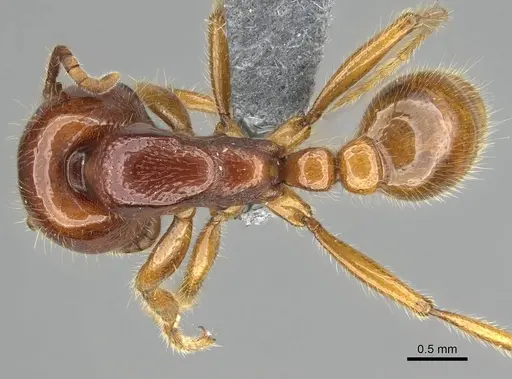
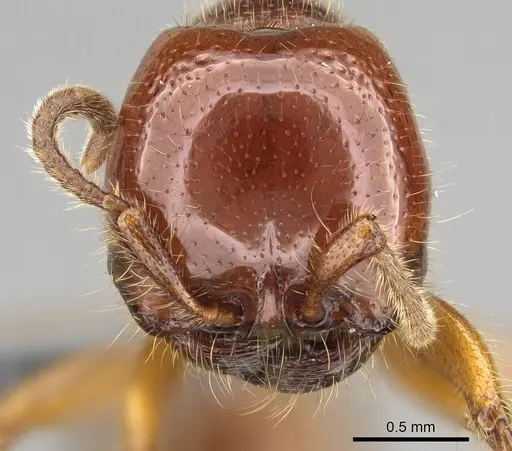
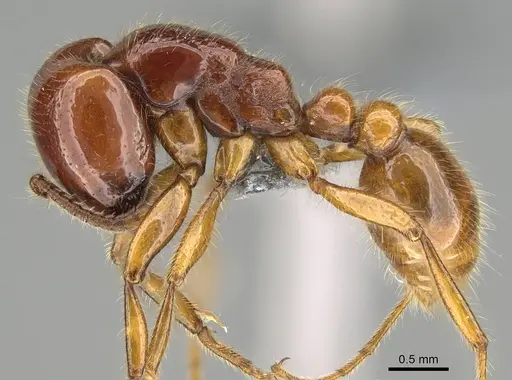
CASENT0729793
Megtekintés az AntWeb-en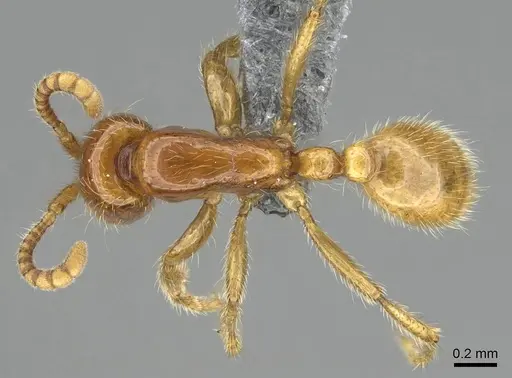
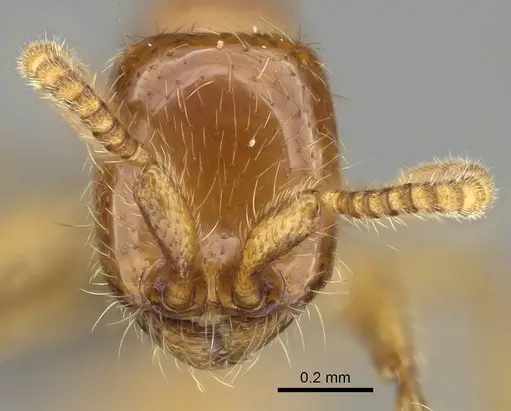
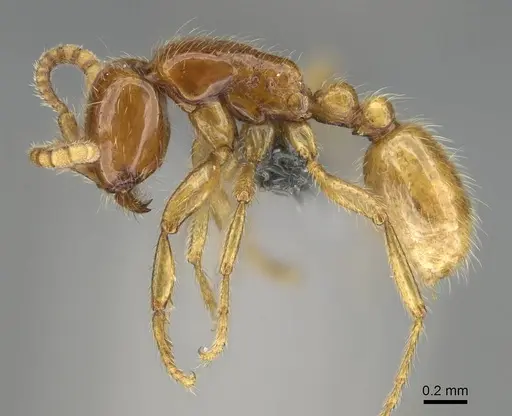
CASENT0902655
Megtekintés az AntWeb-en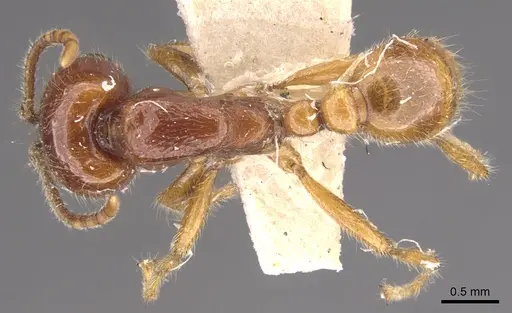
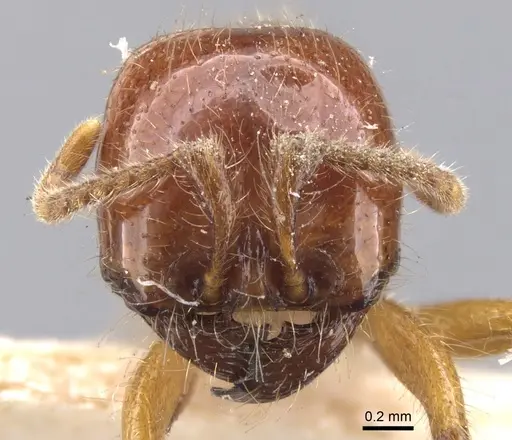
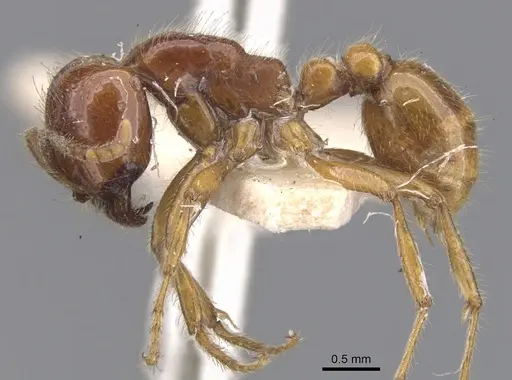
CASENT0905965
Megtekintés az AntWeb-en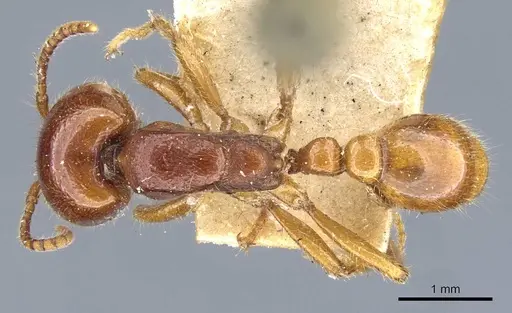
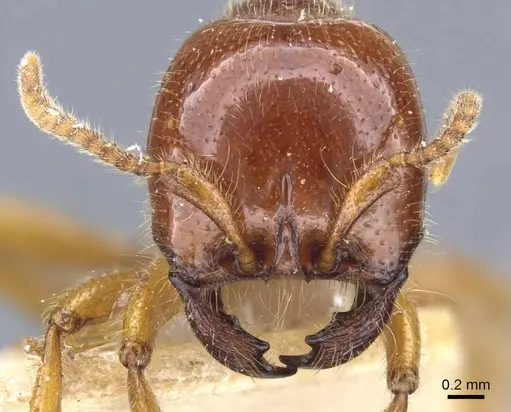
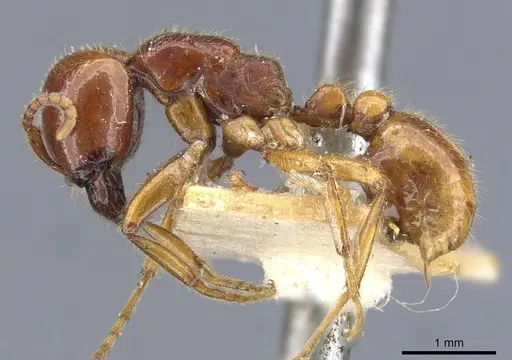
CASENT0905966
Megtekintés az AntWeb-en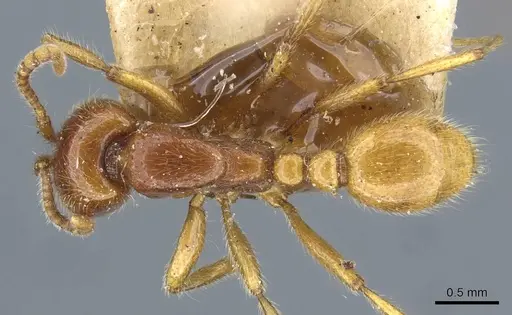
ECOFOG-GRS21-0136-02
Megtekintés az AntWeb-en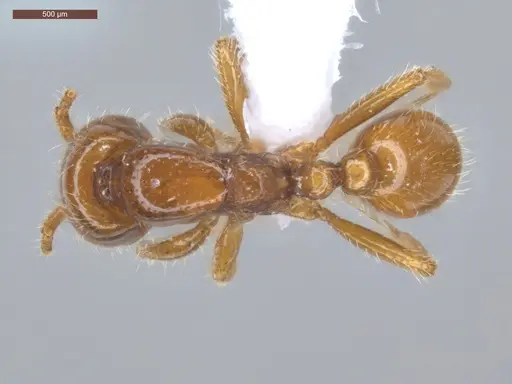
Irodalom
Elterjedési térkép betöltése...Termékek betöltése...