
Myrmica indica
- Tud. név
- Myrmica indica
- Nemzetség
- Myrmicini
- Alcsalád
- Myrmicinae
- Szerző
- Weber, 1950
- Elterjedés
- 0 országban megtalálható
Bevezetés
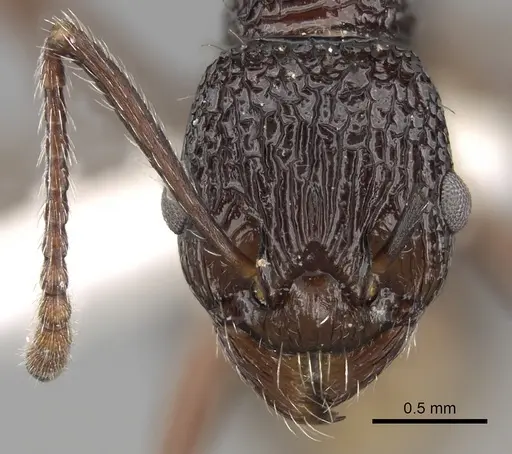
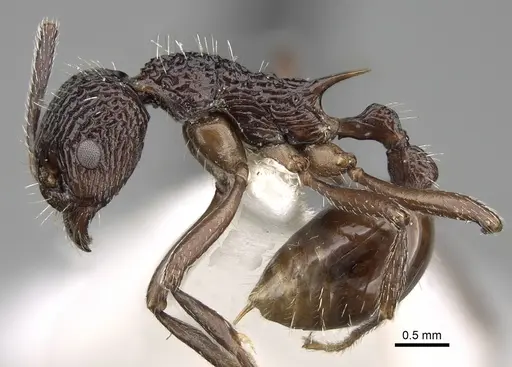
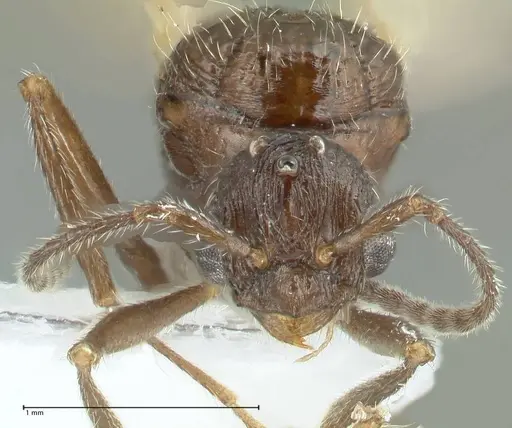
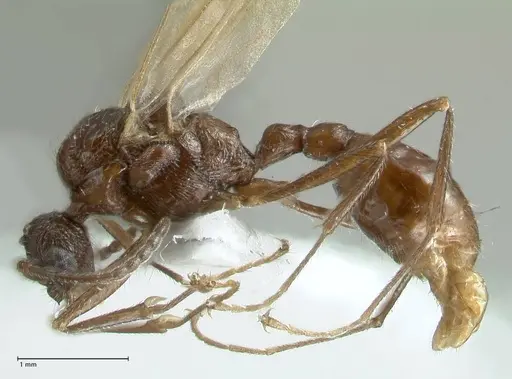
Myrmica indica is a small ant species native to the Himalayan region, found in Nepal, Bhutan, and northern India. Workers are dark brown to blackish-brown with lighter-colored legs and antennae. They belong to the ritae species group and are characterized by coarse sculptural features on their head and body, with long hairs along the occipital margin. This species lives at high elevations between 2000-3150 meters above sea level, making it a cool-climate species adapted to mountainous environments . As a high-altitude Himalayan species, Myrmica indica has specific temperature requirements that differ from most commonly kept ants. They prefer cooler conditions than typical room temperature, reflecting their natural habitat in open forests of the eastern Himalayas. This makes them an interesting species for antkeepers who can provide the cooler, more stable conditions they need.
Quick Summary
- Difficulty: Medium
- Origin & Habitat: Himalayan region (India, Nepal, Bhutan) at 2000-3150m elevation in open forests [1][2]
- Colony Type: Colony structure is not directly documented in available research
- Size & Growth:
- Queen: ~6-8mm, inferred from typical Myrmica queen size range
- Worker: ~4-6mm, inferred from Myrmica genus patterns [3]
- Colony: Colony size data not directly documented
- Growth: Moderate
- Development: Development timeline not directly documented for this species (Estimates based on related Myrmica species may not be accurate for this specific species)
- Antkeeping:
- Temperature: Keep cool at 15-20°C. This is a high-altitude Himalayan species requiring cooler conditions than typical room temperature. Avoid heating, room temperature is often too warm.
- Humidity: Moderate humidity around 50-70%. Provide a water tube for drinking and occasional misting of the outworld. They inhabit open forests, not rainforest conditions.
- Diapause: Yes, Himalayan species requires winter dormancy. Keep at 5-10°C for 3-4 months during winter, mimicking natural seasonal cycle at high altitude [1].
- Nesting: Test tube setups work well for founding colonies. Provide soil or sand substrate for workers to dig. Naturalistic setups with soil chambers mimic their natural nesting under stones in open forest.
- Behavior: Typical Myrmica temperament, moderately defensive with a functional stinger. Workers are active foragers, searching for honeydew and small insects. They may sting if threatened, though the pain is generally mild for humans. Escape risk is moderate, use standard barrier methods.
- Common Issues: temperature management is critical, room temperature is often too warm for this high-altitude species, hibernation failure if temperatures remain too warm during winter dormancy, poor founding success if queen is disturbed during claustral period, slow growth compared to tropical species may lead to overfeeding or unnecessary intervention, escape prevention needed though not as critical as for tiny species
Nest Preferences and Housing
Myrmica indica nests naturally in soil under stones in open forest habitats at high altitude. In captivity, they do well in test tube setups for founding colonies, with the queen sealed in a humid chamber away from light. Once workers have emerged, you can transition to a formicarium with soil or sand chambers that allow for natural digging behavior. The key is providing a setup that stays cool, avoid placing nests in warm rooms or near heating elements. A naturalistic setup with a soil layer and flat stones on top mimics their natural environment well. They do not need high humidity like tropical species, moderate moisture in the nest chamber is sufficient. [3][1]
Feeding and Diet
Like other Myrmica species, Myrmica indica is omnivorous with a preference for protein foods. Feed them small insects like fruit flies, pinhead crickets, or mealworms. They also consume honeydew and will readily accept sugar water or honey as an energy source. Offer protein prey 2-3 times per week, and keep a constant supply of sugar water. In the wild, they forage for small invertebrates and collect honeydew from aphids in their open forest habitat. Remove uneaten prey after 24-48 hours to prevent mold issues.
Temperature and Seasonal Care
This is the most critical aspect of keeping Myrmica indica successfully. As a high-altitude Himalayan species adapted to cool mountain conditions, they require temperatures significantly lower than most ant species. Keep the nest area between 15-20°C, this is cooler than typical room temperature. In most homes, you may need to avoid heating the ant area or even provide cooling during summer months. During winter, they require a true diapause period of 3-4 months at 5-10°C. This mimics the harsh Himalayan winter they experience in the wild. Do not skip hibernation, it is essential for colony health and reproduction. A garage, basement, or refrigerator during winter works well for this species. [1][2]
Behavior and Colony Dynamics
Myrmica indica workers are active foragers that search the outworld for food and resources. The species has a functional stinger and may deliver a mild sting if the colony is threatened or disturbed. Workers are moderately aggressive and will defend their nest vigorously. Colony growth is moderate. They do not exhibit unusual behaviors like slave-making or tandem running, their behavior is typical of the Myrmica genus. [3]
Growth and Development
The development timeline for Myrmica indica has not been directly documented. Based on related Myrmica species from similar habitats, expect 6-10 weeks from egg to first worker at optimal temperatures. The first workers (nanitics) will be smaller than mature workers. Growth is slower than tropical species, this is normal for a high-altitude species. Patience is key with this species, rapid growth should not be expected.
Frequently Asked Questions
Can I keep Myrmica indica in a test tube?
Yes, test tubes work well for founding colonies. Provide a water reservoir and keep the tube in a cool, dark location. Do not disturb the queen during the founding period, she seals herself in and relies on stored fat reserves until first workers emerge.
How long until first workers with Myrmica indica?
Development timeline is not directly documented for this species. Based on related Myrmica species, expect several weeks to a few months from egg to first worker.
How big do Myrmica indica colonies get?
Colony size data is not directly documented in available research.
Do Myrmica indica ants need hibernation?
Yes, absolutely. This Himalayan high-altitude species requires a winter dormancy period of 3-4 months at 5-10°C. Skip hibernation at your own risk, it is essential for colony health.
Are Myrmica indica good for beginners?
They are moderate difficulty. The main challenge is providing cool temperatures year-round and proper winter hibernation. If you can manage these requirements, they are rewarding species.
Do Myrmica indica ants sting?
Yes, they have a functional stinger and may sting if threatened. The sting is generally mild for healthy adults, similar to other Myrmica species.
What temperature do Myrmica indica need?
Keep them cool at 15-20°C. This is lower than typical room temperature. They are adapted to high-altitude Himalayan conditions and do not tolerate heat well.
When should I move Myrmica indica to a formicarium?
Move them once the colony reaches 20-30 workers and the test tube is becoming cramped. Provide a formicarium with soil chambers and maintain cool temperatures.
What do Myrmica indica eat?
Feed small insects like fruit flies or mealworms 2-3 times per week, plus constant access to sugar water or honey. They are omnivorous like other Myrmica species.
Why is my Myrmica indica colony dying?
The most likely causes are temperatures too warm (above 20°C), improper humidity, or skipping hibernation. Check that your setup is cool enough and that you are providing winter dormancy.
Report an Issue
The current care sheet is based fully on literature. See inconsistencies, or something that's incorrect? Please , it will be resolved after review from an admin. Contributing to the blogs tab also helps providing information, to make us be able to further improve the caresheets. Thank you for your support!
References

Ez a tartási útmutató a következő licenc alatt áll: CC BY-SA 4.0 .
Közösségi blogok
CASENT0280832
Megtekintés az AntWeb-en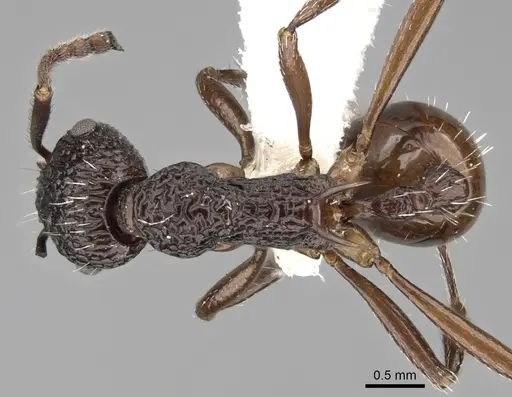
FOCOL1819
Megtekintés az AntWeb-en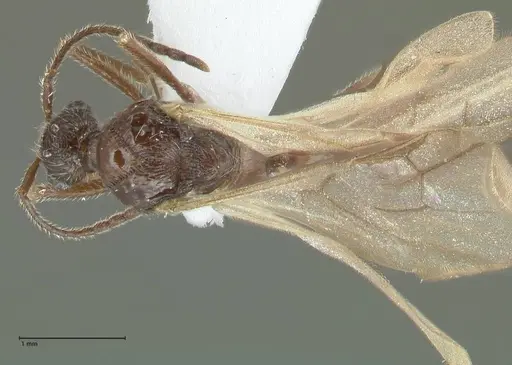
Irodalom
Elterjedési térkép betöltése...Termékek betöltése...