
Myrmecina butteli
- Tud. név
- Myrmecina butteli
- Nemzetség
- Crematogastrini
- Alcsalád
- Myrmicinae
- Szerző
- Forel, 1913
- Elterjedés
- 0 országban megtalálható
Bevezetés
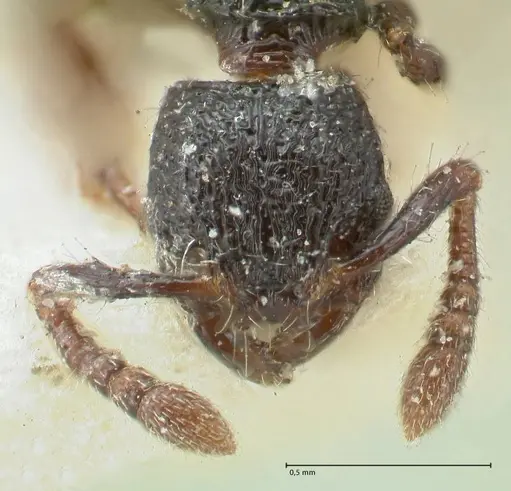
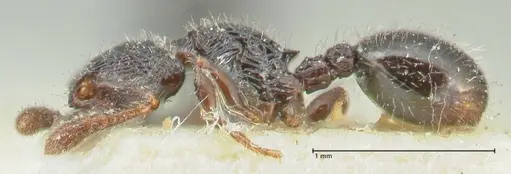
Myrmecina butteli is a tiny ant species described by Forel in 1913 from Sumatra, Indonesia. Workers measure 1.9-2.2mm in total length, making them one of the smaller ant species you'll encounter. They have a black body with brown mandibles, antennal scapes, femora and tibiae, and reddish-brown funiculus and tarsi. Their head and mesosoma feature thick, diverging rugae, and they have small triangular propodeal spines. This species is part of the Myrmecina genus, which contains 51 valid species distributed across the Nearctic, Palearctic, Indomalayan, and Austral regions. In the wild, they have been collected from alluvial forest environments in Sumatra . The genus is known for specialized predation on oribatid mites in some species, though dietary specifics for M. butteli remain unconfirmed .
Quick Summary
- Difficulty: Medium
- Origin & Habitat: Sumatra, Indonesia, found in alluvial forest environments [1]
- Colony Type: Small colonies of up to 150 workers typical for the genus. Colony structure is unconfirmed for this specific species.
- Size & Growth:
- Antkeeping:
- Temperature: Keep warm and stable, they come from tropical Sumatra so need warmth. A gentle gradient allows them to regulate.
- Humidity: High humidity preferred, alluvial forest habitat means consistently moist substrate. Keep nest substrate damp but not waterlogged.
- Diapause: No, being a tropical species from Sumatra, they do not require hibernation. Maintain warm conditions year-round.
- Nesting: Y-tong nests with small chambers work well given their tiny size. Provide moist substrate and avoid dry conditions.
- Behavior: These are very small, docile ants that are not aggressive. They have a smear defense mechanism, their modified stinger wipes venom onto enemies rather than piercing flesh. Workers are slow-moving and spend much of their time foraging in the substrate layer. Because of their tiny size, escape prevention is critical, they can squeeze through extremely small gaps. They are likely specialized predators like other Myrmecina species, so offer small live prey.
- Common Issues: tiny size means escapes are likely without fine mesh barriers, small colony size means slower population growth, do not expect rapid expansion, high humidity requirements can lead to mold if ventilation is poor, specialized diet needs may make feeding challenging, live prey likely essential
Housing and Nest Setup
Given their tiny size of 1.9-2.2mm, Myrmecina butteli requires careful housing setup. Y-tong nests with small, tight chambers work best because the chambers can be scaled appropriately to their size. Test tube setups can work but require excellent escape prevention, these ants can squeeze through gaps you would not believe possible. The nest material should remain consistently moist since they come from humid alluvial forest environments. Avoid dry nests entirely. Provide a small outworld for foraging that they can easily navigate. Because they are so small, even standard fluon barriers may not be sufficient, consider using fine mesh over any openings. [2][1]
Feeding and Diet
While specific dietary data for M. butteli is unavailable, other Myrmecina species are known to be specialized predators on oribatid mites. This suggests your colony will need small live prey rather than relying on sugar alone. Offer tiny prey items like springtails, small fruit flies, or minute soil mites. You can also try small pieces of mealworms or other protein sources, but live prey is likely essential for long-term colony health. Sugar water or honey can be offered occasionally but should not be the primary food source. Feed small amounts every few days and remove any uneaten prey to prevent mold. [2]
Temperature and Humidity
As a tropical species from Sumatra, Myrmecina butteli needs warm and humid conditions. Maintain warm temperatures year-round, they do not experience cold winters in the wild and will struggle if temperatures drop significantly. A heating cable on one side of the nest can create a temperature gradient, allowing the ants to choose their preferred zone. Humidity should be high, the alluvial forest habitat indicates they prefer consistently moist conditions. Keep the nest substrate damp but not sitting in water. Poor ventilation combined with high humidity can cause mold problems, so ensure some air flow while maintaining moisture. [1]
Behavior and Temperament
Myrmecina butteli is a docile, non-aggressive species. Workers are slow-moving and spend much of their time foraging in the substrate rather than climbing on surfaces. Their defense mechanism involves smearing venom onto enemies using a modified stinger, this is typical for the Myrmicinae subfamily. They are not known to sting significantly, their tiny size means any sting would be negligible to humans. The main behavioral concern is their escape ability despite being small, they are excellent at finding and squeezing through tiny gaps. Colonies remain relatively small (likely under 150 workers), so do not expect massive swarms. They are best observed through the nest rather than as active foragers on an outworld. [2][1]
Frequently Asked Questions
How long does it take for Myrmecina butteli to produce first workers?
Exact development time is unconfirmed for this species. Based on typical Myrmicinae development at warm temperatures, expect several weeks from egg to first worker. Patience is key with this species as colonies grow slowly.
Can I keep Myrmecina butteli in a test tube?
Yes, test tubes can work but require excellent escape prevention due to their tiny 1.9-2.2mm size. Use fine mesh and ensure all connections are sealed. Keep the tube moist and provide a small foraging area.
What do Myrmecina butteli ants eat?
Based on genus behavior, they are likely specialized predators. Offer small live prey like springtails, tiny fruit flies, or minute soil mites. Sugar water or honey can be offered occasionally but should not be the primary food source.
Do Myrmecina butteli ants sting?
They are not known to sting significantly. Their tiny size means any sting would be negligible to humans, you are unlikely to feel it even if they do attempt to sting.
Are Myrmecina butteli good for beginners?
They are considered medium difficulty. While docile and small, their specialized dietary needs, high humidity requirements, and escape risk make them better suited for keepers who already have some experience with ant keeping.
How big do Myrmecina butteli colonies get?
Based on genus patterns, colonies typically reach up to 150 workers. They remain relatively small compared to many common pet ant species.
Do Myrmecina butteli need hibernation?
No, being a tropical species from Sumatra, Indonesia, they do not require hibernation. Keep them warm year-round.
Why are my Myrmecina butteli escaping?
Their tiny 1.9-2.2mm size allows them to squeeze through extremely small gaps. Review all escape prevention measures, use fine mesh, seal all connections, and consider that standard fluon barriers may not be sufficient for their size.
When should I move Myrmecina butteli to a formicarium?
You can keep them in a properly set up test tube long-term, or move to a Y-tong nest once the colony reaches 20-30 workers. Ensure the new setup maintains high humidity and has appropriately sized chambers.
Can I keep multiple Myrmecina butteli queens together?
Colony structure is unconfirmed for this species. Combining unrelated queens is not recommended since it has not been documented and could result in aggression.
Report an Issue
The current care sheet is based fully on literature. See inconsistencies, or something that's incorrect? Please , it will be resolved after review from an admin. Contributing to the blogs tab also helps providing information, to make us be able to further improve the caresheets. Thank you for your support!
References

Ez a tartási útmutató a következő licenc alatt áll: CC BY-SA 4.0 .
Közösségi blogok
CASENT0281803
Megtekintés az AntWeb-en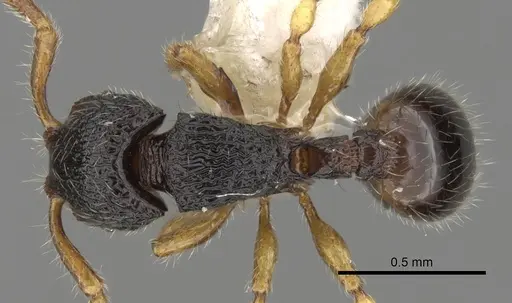
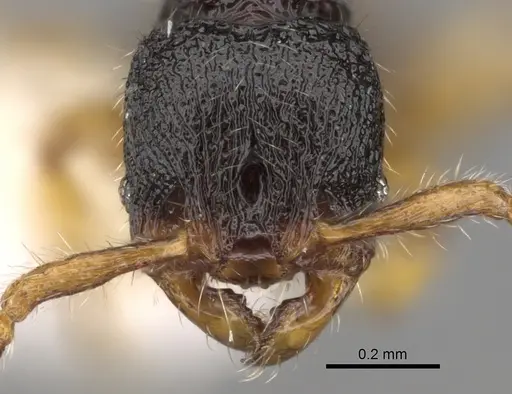
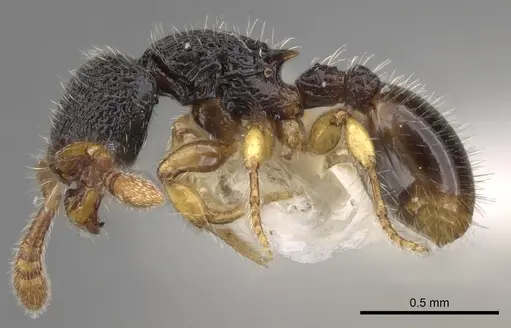
FOCOL1943
Megtekintés az AntWeb-en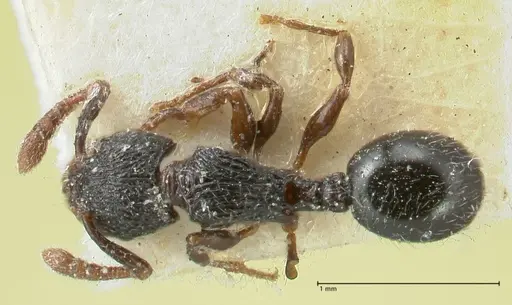
Irodalom
Elterjedési térkép betöltése...Termékek betöltése...