
Monomorium wroughtoni
- Tud. név
- Monomorium wroughtoni
- Nemzetség
- Solenopsidini
- Alcsalád
- Myrmicinae
- Szerző
- Forel, 1902
- Elterjedés
- 0 országban megtalálható
Bevezetés
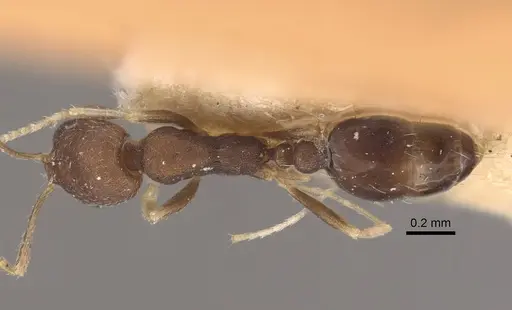
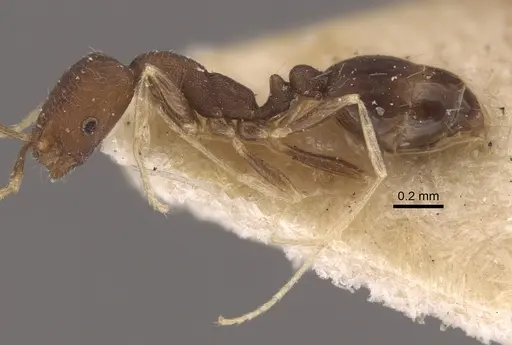
Monomorium wroughtoni is a tiny ant species native to India, specifically found in Maharashtra and Karnataka regions. Workers measure approximately 2mm in total length, making them one of the smaller ant species kept in captivity. They belong to the Monomorium salomonis species group, specifically the pharaonis complex, which includes some of the world's most successful ant species. The workers have a distinctive dark brown to blackish coloration with a smooth and shining abdomen. This species remains poorly studied in the scientific literature, with limited information available about its specific biology and behavior in the wild.
Quick Summary
- Difficulty: Easy to Medium based on genus patterns
- Origin & Habitat: India (Maharashtra, Karnataka), tropical to subtropical regions [1]
- Colony Type: Unconfirmed colony structure, related species in the pharaonis complex show flexibility between single and multiple queen colonies
- Size & Growth:
- Queen: Size data unavailable, no documented measurements for this species
- Worker: ~2mm total length [2]
- Colony: Maximum colony size unknown for this species
- Growth: Moderate based on related species
- Development: Estimated 4-6 weeks at optimal temperature based on related species in the genus (No direct data available for this species, estimate based on Monomorium genus patterns)
- Antkeeping:
- Temperature: 24-28°C based on Indian origin, adjust based on colony activity
- Humidity: Moderate humidity preferred, keep nest substrate slightly moist but not waterlogged
- Diapause: No true diapause required given tropical origin, may show reduced activity in cooler months
- Nesting: Small chambers work well for their tiny size, test tubes, Y-tong (AAC), plaster, or soil nests are appropriate. They likely nest in soil or under stones in the wild.
- Behavior: Based on related species in the pharaonis complex, these ants are active foragers with flexible colony structures. Their tiny size means escape prevention is critical, they can squeeze through very small gaps. They possess a stinger but due to their small size, it is unlikely to penetrate human skin effectively.
- Common Issues: tiny size makes escape prevention challenging, use fine mesh barriers and check for gaps, limited biological data makes specific care requirements uncertain, wild-caught colonies may have parasites or diseases, small colony size means they are vulnerable to stress during founding
Species Identification and Taxonomy
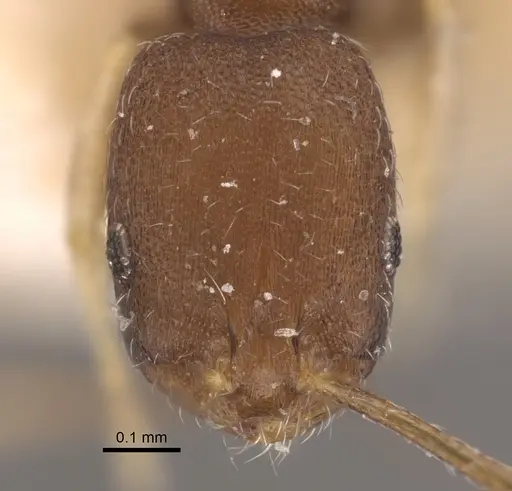
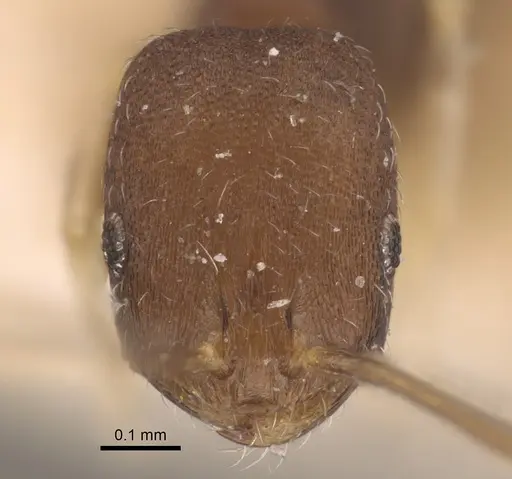
Monomorium wroughtoni was originally described by Forel in 1902 from specimens collected in India (Poona and Kanara). The species belongs to the Monomorium salomonis species group, specifically the pharaonis complex. This complex includes some of the most widespread and successful ant species globally. Recent phylogenetic research has suggested reclassifying this species as Trichomyrmex wroughtoni, though this taxonomic change has not been universally adopted in the antkeeping hobby. Workers are easily recognized by their small size and dark brown coloration with a notably smooth and shining abdomen. [1][2]
Natural History and Distribution
This species is endemic to India, specifically found in the western regions of Maharashtra and Karnataka. The type localities include Poona (now Pune) and Kanara. Being from these tropical to subtropical regions, the species is adapted to warm conditions year-round. The specific nesting biology and colony structure in the wild remain undocumented in the scientific literature. The genus Monomorium contains many successful species that have spread globally, often through human commerce, suggesting this species may have some flexibility in adapting to different environments. [1][2]
Housing and Nest Setup
Given their tiny size, Monomorium wroughtoni requires careful attention to escape prevention. Use test tubes with cotton plugs or small Y-tong (AAC), plaster, or soil nests with tight-fitting connections. The chambers should be appropriately scaled to their small size, narrow passages work better than wide open spaces. A small outworld for foraging will suffice. Because they are so small, standard ant keeping barriers like fluon may need to be applied more carefully to ensure no gaps exist. Test tube setups work well for founding colonies and can be easily maintained.
Feeding and Diet
Based on related species in the Monomorium genus, these ants are omnivorous with a preference for protein sources. They probably feed on small insects, honeydew, and nectar in the wild. In captivity, offer small protein sources like fruit flies, pinhead crickets, or other appropriately sized prey. Sugar water or honey can be offered as an energy source. Given their tiny size, prey items should be very small. Feed small amounts of protein several times per week and keep sugar sources available constantly.
Temperature and Humidity
Being native to India, these ants prefer warmer conditions. Aim for temperatures in the range of 24-28°C. Room temperature within this range should be suitable. If your colony shows signs of sluggishness, consider providing a gentle heat gradient using a heating cable on one side of the nest. For humidity, keep the nest substrate slightly moist, these are not desert ants but also do not require rainforest-level moisture. A small water tube in the test tube setup provides humidity through evaporation.
Colony Development
Specific development timelines for Monomorium wroughtoni are not documented. Based on related species in the genus, you can expect the first workers (nanitics) to emerge within 4-6 weeks after the queen lays eggs, assuming optimal temperature conditions. The initial colony will grow slowly at first, then accelerate as the worker force expands. Colonies likely reach several hundred workers over time, though exact maximum colony sizes are unknown. Be patient with founding colonies, they are vulnerable during the early stages.
Frequently Asked Questions
How long does it take for Monomorium wroughtoni to produce first workers?
Exact timelines are not documented, but based on related Monomorium species, expect first workers (nanitics) within 4-6 weeks at optimal temperature (around 24-28°C). The queen will lay eggs, which develop through larval and pupal stages before emerging as workers.
What do Monomorium wroughtoni ants eat?
Based on related species, they are omnivorous. Offer small protein sources like fruit flies, tiny crickets, or other small insects. Keep sugar water or honey available constantly for energy. Their tiny size means prey items must be appropriately small.
What temperature do Monomorium wroughtoni ants need?
Being from India, they prefer warm conditions. Keep them at 24-28°C. Room temperature within this range is typically suitable. If the colony seems sluggish, provide a gentle heat gradient using a heating cable.
How big do Monomorium wroughtoni colonies get?
Exact maximum colony sizes are unknown for this species. Based on related species in the pharaonis complex, colonies likely reach several hundred workers over time. Growth is slow initially but accelerates as the worker force expands.
Are Monomorium wroughtoni ants difficult to keep?
Based on genus patterns, they are likely easy to moderate to keep. The main challenges are their tiny size (requiring excellent escape prevention) and limited available care information.
What size nest do I need for Monomorium wroughtoni?
Use small-scale setups appropriate for their tiny workers. Test tubes work well for founding colonies. For established colonies, small Y-tong (AAC), plaster, or soil nests with appropriately sized chambers work best. Avoid large, open spaces.
Can I keep multiple queens together?
Colony structure for this specific species is unconfirmed. Some Monomorium species are polygynous (multiple queens), while others are monogynous (single queen). Without specific data, it is not recommended to combine unrelated queens.
Do Monomorium wroughtoni need hibernation?
Given their tropical origin in India, true hibernation is not required. They may have reduced activity during cooler months but should be kept at stable warm temperatures year-round (24-28°C).
Why are my Monomorium wroughtoni dying?
Common causes include stress from too large enclosures, inadequate humidity, temperature extremes, poor escape prevention allowing escapes, or feeding issues. Their tiny size makes them vulnerable. Ensure proper hydration, appropriate temperature, and small prey items.
Report an Issue
The current care sheet is based fully on literature. See inconsistencies, or something that's incorrect? Please , it will be resolved after review from an admin. Contributing to the blogs tab also helps providing information, to make us be able to further improve the caresheets. Thank you for your support!
References

Ez a tartási útmutató a következő licenc alatt áll: CC BY-SA 4.0 .
Közösségi blogok
CASENT0917815
Megtekintés az AntWeb-en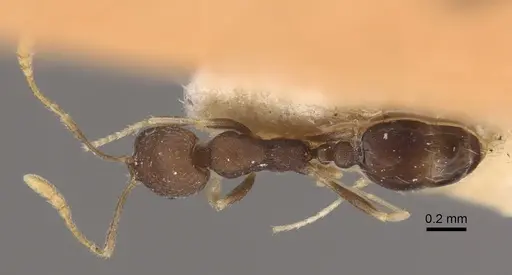
Irodalom
Elterjedési térkép betöltése...Termékek betöltése...